The Signifier

The Signifier is an intriguing adventure game/ walking simulator with a compelling story and unique design aspects. The presentation can be a bit janky, but the game has definitely stuck in my mind since finishing it.
The Signifier Game Cover
72%Game Brain Score
Most mentioned positive aspects:story, graphics
Most mentioned negative aspects:stability, replayability
77% User Score Based on 212 reviews
Critic Score 74%Based on 10 reviews

Platforms

PCMac OSWindows
The Signifier Game Cover

About The Signifier

The Signifier is a single player simulation game with horror, mystery, thriller, violence and others themes. It was developed by Playmestudio and was released on April 22, 2021. It received mostly positive reviews from both critics and players.

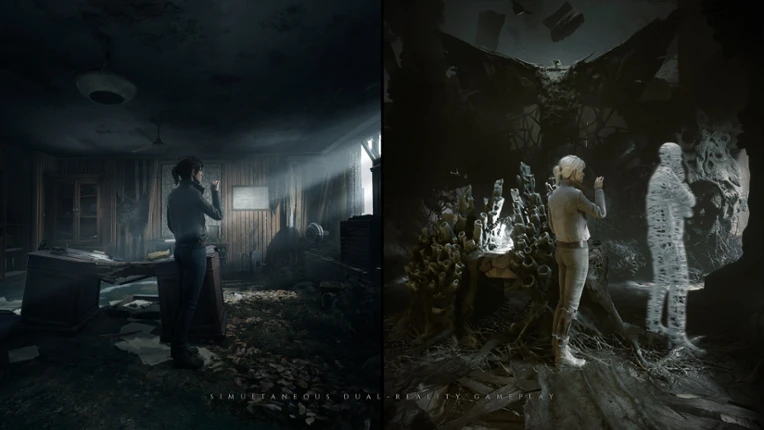
The Signifier is a story-driven tech-noir mystery adventure. Explore the real world and enter the unconscious realms of the victim's mind. Use technology to find clues to solve puzzles, unravel layers of dialogue, and find the truth.
Skip Games Like The Signifier

Games Like The Signifier

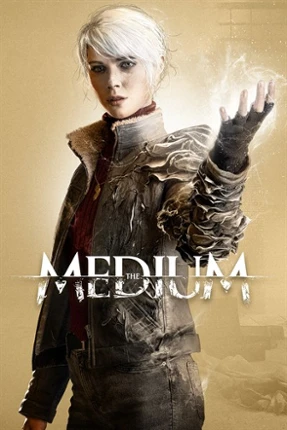
Looking for games like The Signifier? Here are top simulation recommendations with a horror, mystery, thriller, violence, science fiction and erotic focus, selected from player-similarity data — start with Observer, Nobody Wants to Die or The Medium.

Skip User Reviews

Reviews

77%Audience ScoreBased on 212 reviews
story66 positive mentions
stability16 negative mentions

  • Unique and fascinating premise exploring AI, memory, and consciousness through engaging narrative and investigation.
  • Visually stunning with innovative and surreal depiction of memories and subjective/objective states; atmospheric and immersive sound design.
  • Multiple endings and impactful choices offer replayability and depth for players interested in psychological and philosophical themes.
  • Technical issues including bugs, crashes, and awkward controls hinder gameplay and progression, sometimes causing frustration.
  • Short length and abrupt or unsatisfying endings leave many narrative threads unresolved, disappointing some players.
  • Some puzzles and gameplay mechanics are obtuse or unintuitive, with occasional unclear objectives and confusing interface.
  • story

    187 mentions Positive Neutral Negative
    35% positive mentions, 60% neutral mentions, 5% negative mentions

    The story of the game is generally praised for its intriguing, psychological, and thought-provoking narrative, blending memory exploration with themes of AI and trauma. While the early plot and atmosphere are engaging and well-executed, many reviewers find the latter half confusing, rushed, and lacking satisfying resolution, with multiple endings that dilute narrative closure. Despite some technical issues and pacing flaws, the story’s complexity and depth offer a unique, immersive experience that encourages replay and interpretation.

    • “The writing and the story in this game are phenomenal, it was an amazing ride I was taken on, full of twists and turns that left me guessing what would come next or why things were happening only to be rewarded with more twists and all the while being drawn further and further down that ever so appealing rabbit hole.”
    • “The director’s cut enhances the original experience by adding new memories, dialogue, voice-over work, and three additional story endings, providing greater insight into key characters and choices.”
    • “The story was engrossing; I really felt like I was making choices that mattered.”
    • “Storywise, it feels pretty lackluster: a big evil corporation, a whistleblower, plot points and characters introduced then never mentioned again, out-of-control AI, BDSM seemingly for the shame factor. Maybe there's a huge twist at the end that makes it all worth it (and connects all these loose ends), but I can't get there.”
    • “The story is nonsensical coupled with a myriad of subplots that have no relevance to the overall story.”
    • “It's not exactly a revelation to say that no matter how good a story is, a poor ending will always ruin things, so to have gone through all the effort of crafting such a detailed and gripping narrative only to just drop the guillotine at the end and hand-wave off most of it makes no sense whatsoever.”
  • graphics

    71 mentions Positive Neutral Negative
    39% positive mentions, 57% neutral mentions, 4% negative mentions

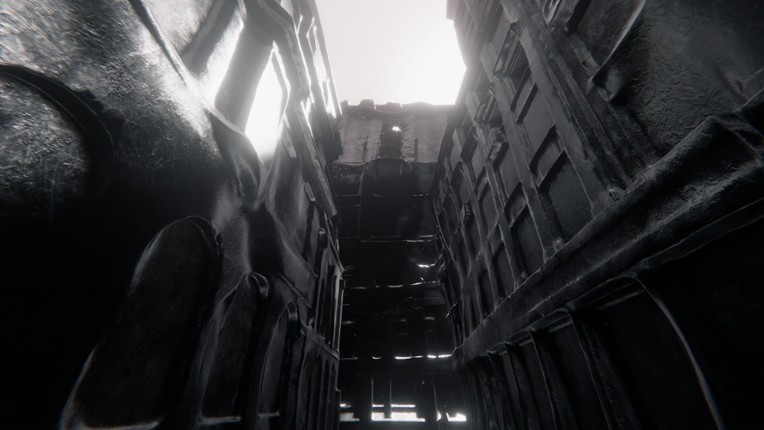
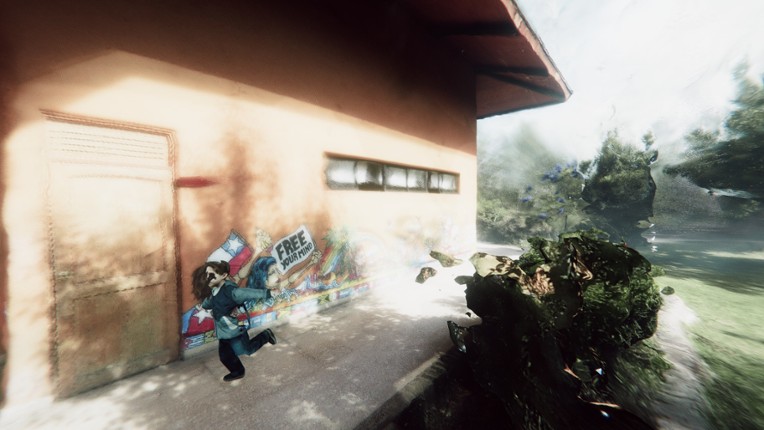
    The graphics in The Signifier: Director’s Cut are highly distinctive, combining photogrammetry, glitch effects, and surreal imagery to create a moody, atmospheric aesthetic that effectively conveys psychological and memory-related themes. While the visuals are praised for their uniqueness and emotional impact, they sometimes suffer from glitches, varying fidelity between real-world and memory scenes, and occasional frustration due to low clarity in key puzzle moments. Overall, the game's artistic and experimental graphic style is a major highlight, though technical issues and limited graphical options slightly detract from the experience.

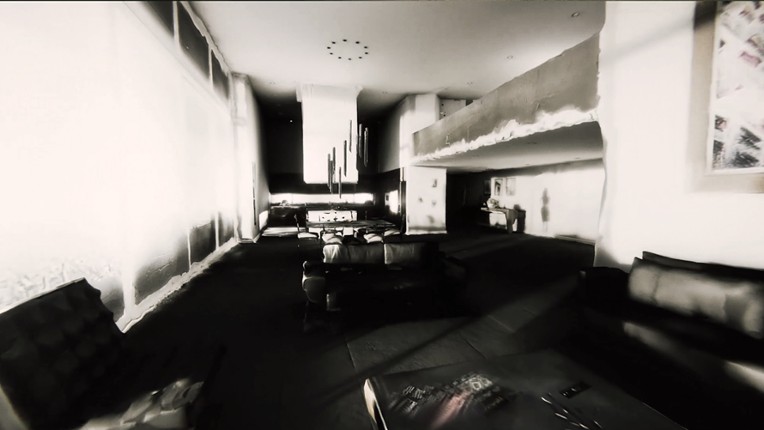
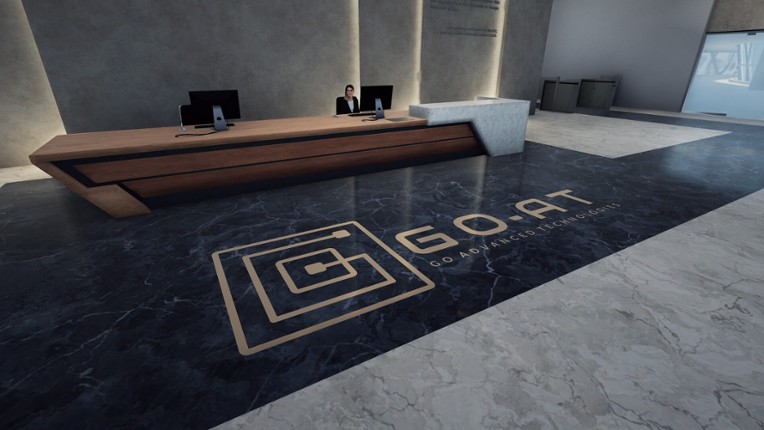
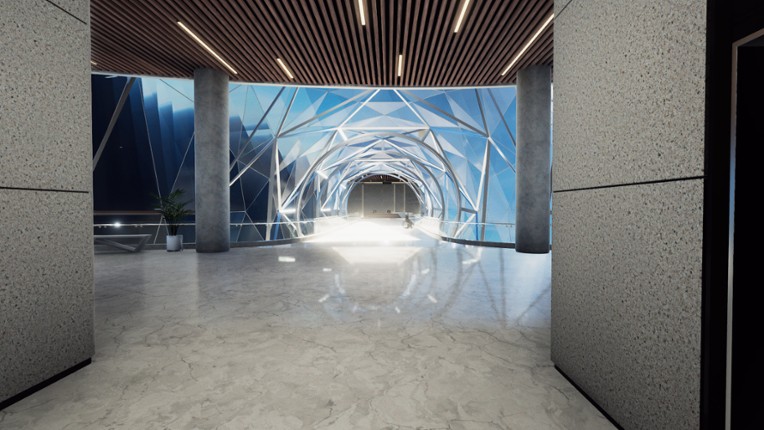
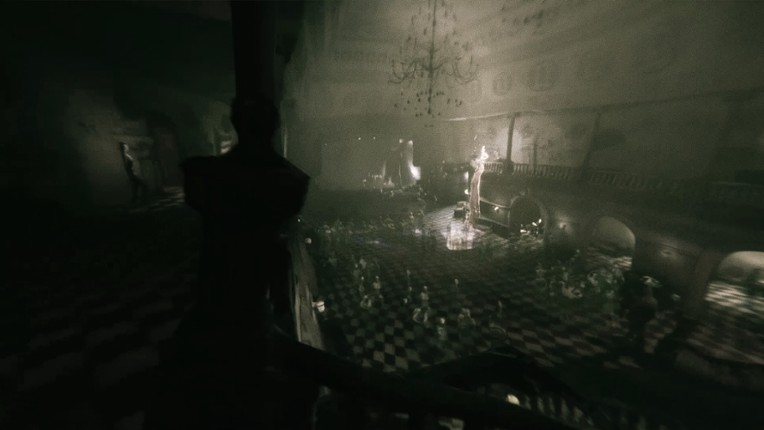
    • “Visually, the Signifier: Director’s Cut presents a moody and atmospheric aesthetic, with detailed environments that reflect the game's themes of psychological depth and intrigue.”
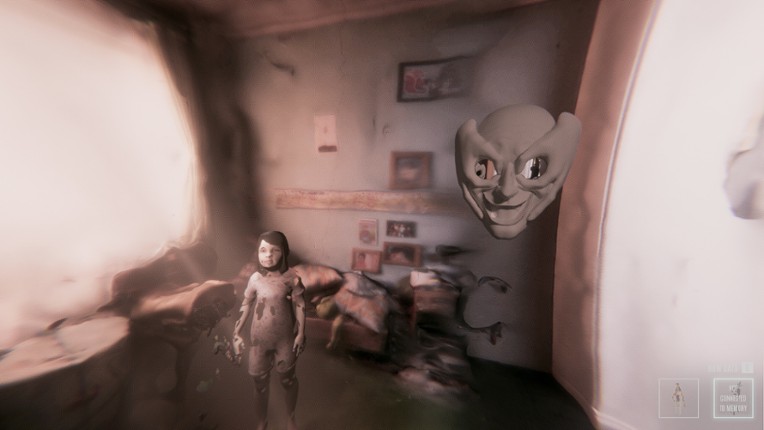
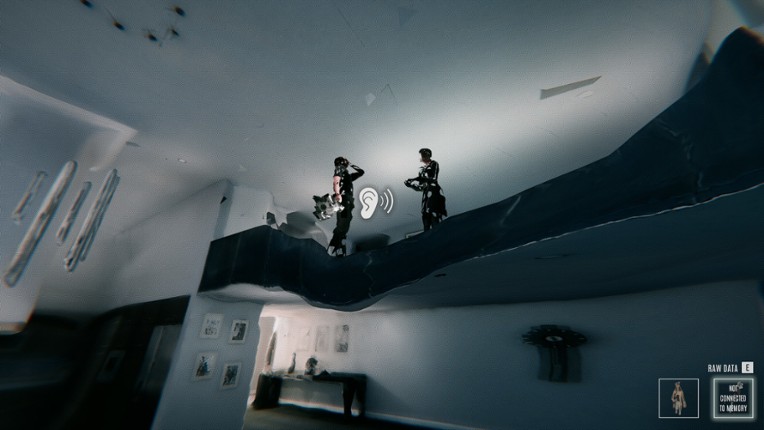
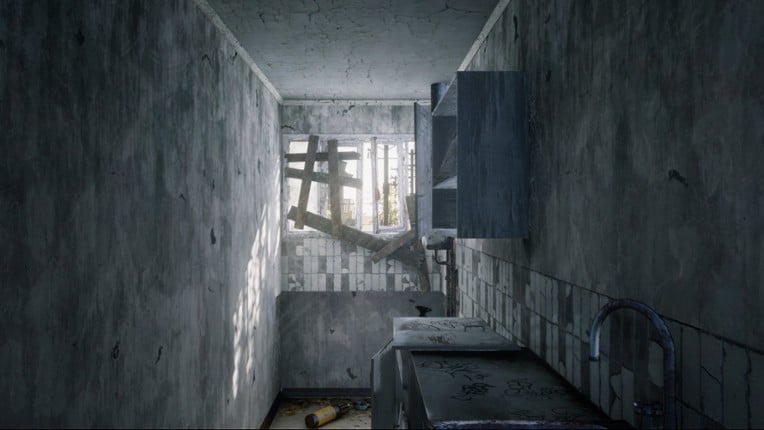
    • “The graphics feature crisp, detailed, realistic environments (in the game's 'real world') as well as surreal scenes in the 'subjective' memories with odd angles, weird geometry, and strange distortions. This means that the objective quality of the graphics fluctuates heavily between high-fidelity/crisp and crude/drab/low-fidelity, but even the 'bad' graphics are artistically interesting and work well in the chosen setting.”
    • “The art style is a mix of regular 3D, glitched photogrammetry and collage, used in a very creative way; it feels like a moving 3D picture, a diorama of sorts, like waves of nostalgia crashing down your face.”
    • “However, the graphics while looking at some of the subjective memories were so poor that I couldn't tell what I was looking at.”
    • “Because you have to collect certain images/instances of the memory in both the objective and subjective state, the poor graphics made it a pretty miserable and frustrating search at times.”
    • “Graphically, the game looks average considering today's standards.”
  • gameplay

    68 mentions Positive Neutral Negative
    16% positive mentions, 74% neutral mentions, 10% negative mentions

    The gameplay of the game centers on exploration and puzzle-solving through shifting between real and surreal memory states, offering a unique and atmospheric experience. While some players find the mechanics innovative and immersive, others criticize them as confusing, repetitive, and occasionally frustrating due to poor explanations and technical issues. Overall, the gameplay is best suited for those who appreciate narrative-driven, investigative adventures presented in short bursts rather than extended play sessions.

    • “Released on April 22, 2021, this enhanced edition builds upon the original 2020 release by introducing expanded narrative content, improved performance, and additional gameplay features, offering a more refined and immersive experience.”
    • “The gameplay mechanics are rooted in exploration and puzzle-solving, with players moving between the real world and the surreal mindscape to gather clues and piece together the mystery.”
    • “The game goes to great lengths to create very different puzzles in different memories, introducing various mechanics.”
    • “Who came up with these game mechanics, a chore to play through.”
    • “The signifier director's cut overall, however, is a fun game to play but it does get boring if played for a long time, especially with its somewhat annoying repetitive gameplay; it's good to okay as an adventure exploration game with an interesting story to follow and to play in short bursts.”
    • “Overall, this is a boring game with terrible gameplay mechanics, and very confusing to follow.”
  • music

    21 mentions Positive Neutral Negative
    33% positive mentions, 53% neutral mentions, 14% negative mentions

    The game's music and sound design generally enhance the atmosphere well, blending effectively with visuals and voice acting to create an immersive experience. However, several users note that the music volume often overwhelms dialogue due to limited audio controls, leading to occasional frustration. While the soundtrack fits the scenes, it is described as basic and not particularly memorable by some players.

    • “The whole immersive experience, magnified by excellent designs, graphics, music, voice actors, and the most important, the story combined, poses an extraordinary performance of psychological changes and a telling impact upon the technology-ethic debates.”
    • “Sound design and especially music blend in perfectly.”
    • “The music and sound are on point, adding to the atmosphere that ranges from dreamy to intense.”
    • “I only wish that I had an option to turn down the music due to the music drowning out the dialogue.”
    • “On occasion, the musical score masks the dialog, and you'll be left with having to read the subtitles.”
    • “Sound in this game was bad, you can only change 'master sound' in this game, meaning when music starts to play, you don't hear the dialogues at all.”
  • stability

    16 mentions Positive Neutral Negative
    0% positive mentions, 0% neutral mentions, 100% negative mentions

    The game experiences frequent stability issues, including freezes, glitches, falling through textures, and occasional crashes, especially before patches were released. Players often face bugs that hinder progression, requiring load reloads or troubleshooting, though some improvements have been made in updates. Overall, stability remains a significant concern, impacting the gameplay experience.

    • “Every time I try to move through time to reach the character's death, the game freezes.”
    • “There are a lot of bugs, typos, overlapping subtitles, graphical glitches (not just the surreal scenes—the real world glitches too). I fell through textures multiple times, and the endgame can easily be bugged by activating an unintended object.”
    • “As of the 2020-11-17 patch, the game is too buggy (falling through levels, lost savegames) and raw (confusing interactions, weird controls, cumbersome menus, vast levels with no clear direction) to be enjoyable, especially later in the game.”
  • atmosphere

    15 mentions Positive Neutral Negative
    33% positive mentions, 67% neutral mentions, 0% negative mentions

    The Signifier: Director’s Cut is praised for its moody, dreamlike, and psychologically rich atmosphere, enhanced by detailed visuals and an evocative soundtrack that evokes comparisons to games like Deus Ex and Soma. Its sophisticated tension, glitchy art style, and immersive audio design create a compelling and unsettling ambiance, though some technical issues occasionally disrupt the experience. Overall, the atmosphere is a standout element that deeply engages players throughout the game.

    • “The absence of jump scares and reliance on psychological tension contribute to a more sophisticated and unsettling atmosphere.”
    • “While there are puzzle elements such as picking up a thing to put it in the right spot, or more interestingly, floating objects into place from a specific perspective, given the soundtrack and the distorted painting plus glitchy visuals of the memories, the critical direction of the game seems to be atmosphere, of which I thought was done so well.”
    • “The music and sound are on point, adding to the atmosphere that ranges from dreamy to intense.”
  • replayability

    9 mentions Positive Neutral Negative
    33% positive mentions, 34% neutral mentions, 33% negative mentions

    The game offers multiple endings and paths that provide some replayability, primarily encouraging players to explore different outcomes and achieve 100% completion. However, the endings are relatively brief and the overall experience remains similar until the final moments, making replay value limited mostly to understanding the story better. Its short length (2-6 hours) means replayability is present but not extensive.

    • “Multiple paths and multiple outcomes provide lots of replayability in theory.”
    • “The game offers multiple endings, giving it great replay value.”
    • “Although the game is short (about 4-6 hours), the multiple endings enhance replayability and help you understand the story better.”
    • “There is some replayability value with different endings, but I got the idea that none of the endings is that elaborate, so it won't add a lot of content.”
    • “If you can get it on sale, give it a go, but the game is quite short and the replayability is more for 100% completion than anything else, as the game goes about the same way until the very end, where some choices will change the fate of the main character but not really anything else.”
    • “Short game about 2-4 hours, limited replayability.”
  • optimization

    8 mentions Positive Neutral Negative
    38% positive mentions, 24% neutral mentions, 38% negative mentions

    The game is well-optimized, running smoothly even on lower-end PCs, with improved performance in its enhanced edition contributing to a stable and accessible experience. However, some minor optimization issues typical of small studios were noted, though overall the performance is praised as flawless and stable.

    • “Other than that the game runs very smoothly on my "worse" PC, it's optimized and features fun mechanics that would've been good, if not for my personal struggles with the playthrough.”
    • “My only real gripe with the signifier is typical of a small-studio based affair – the optimization.”
    • “Released on April 22, 2021, this enhanced edition builds upon the original 2020 release by introducing expanded narrative content, improved performance, and additional gameplay features, offering a more refined and immersive experience.”
    • “These optimizations ensure a smoother and more accessible experience, even on lower-end PCs.”
  • emotional

    6 mentions Positive Neutral Negative
    100% positive mentions, 0% neutral mentions, 0% negative mentions

    The game effectively deepens emotional engagement through its compelling exploration of memories and trauma, creating a touching and unique experience. While its philosophical references can feel heavy-handed, the writing successfully blends these ideas with a strong emotional core, culminating in a satisfying and resonant ending.

    • “These additions deepen the emotional and intellectual engagement, making the journey through the mindscape more compelling.”
    • “Unfolding the life, memories, and trauma of the subject is very touching.”
    • “While it shoves its philosophical references a little too much in your face, the game's writing manages to bridge its bigger ideas with its emotional core very nicely.”
  • character development

    3 mentions Positive Neutral Negative
    100% positive mentions, 0% neutral mentions, 0% negative mentions

    Reviews on character development are mixed, with some users praising the game's solid design and character visuals, while others feel that meaningful development is undermined by frustrating or disappointing elements.

    • “Great character development.”
    • “The game in its normal dimension looks pretty solid, with great lighting, crisp textures, and nice character design.”
  • grinding

    3 mentions Positive Neutral Negative
    0% positive mentions, 0% neutral mentions, 100% negative mentions

    Grinding in the game is criticized for being tedious and difficult at certain points, detracting from the overall experience and making replay less enjoyable despite the game's engaging elements and multiple endings.

    • “Multiple endings are rarely a good idea, as games seldom lend themselves to replays without being tedious, this game is no exception.”
    • “It's engrossing enough that I would be tempted to replay it... save for a couple of moments in the game where you are supposed to "solve/complete" a "task", that are incredibly tedious/difficult - even if you know exactly what to do.”
    • “A pity, because, despite some tedious scenes, it was interesting up to that point.”
  • humor

    1 mentions Positive Neutral Negative
    100% positive mentions, 0% neutral mentions, 0% negative mentions

    The humor in the game is unintentional, stemming from amusing glitches like falling through floors early on, though these moments can be frustrating due to inconvenient autosave points.

Skip Critic Reviews
Skip Game Offers

Buy The Signifier

Some of these are affiliate links — if you buy through them, we may earn a commission at no extra cost to you.
Play Times

5h Median play time
5h Average play time
5-5h Spent by most gamers
*Based on 2 analyzed playthroughs
Skip Videos

Videos

Skip FAQs

Frequently Asked Questions

The Signifier is a simulation game with horror, mystery, thriller, violence and others themes. Common tags for The Signifier include first-person, indie, surreal, psychological, exploration and others.

The Signifier is available on PC, Mac OS and Windows.

On average players spend around 5 hours playing The Signifier.

The Signifier was released on April 22, 2021.

The Signifier was developed by Playmestudio.

The Signifier has received mostly positive reviews from both players and critics. Most players liked The Signifier for its story but disliked it for its stability.

The Signifier is a single player game.

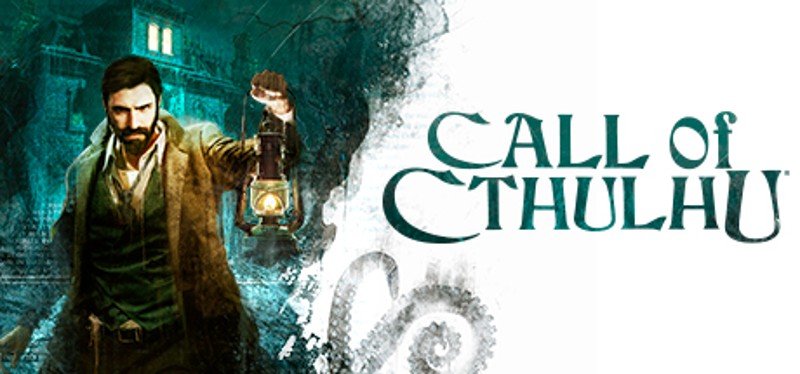
Similar games include Observer, Nobody Wants to Die, The Medium, State of Mind, Call of Cthulhu and others.