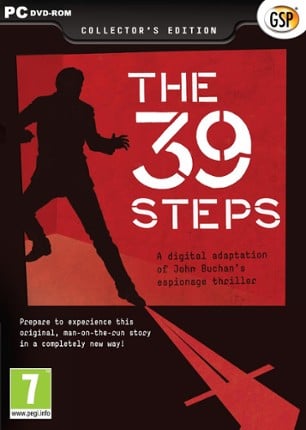
The 39 Steps Game Cover

About

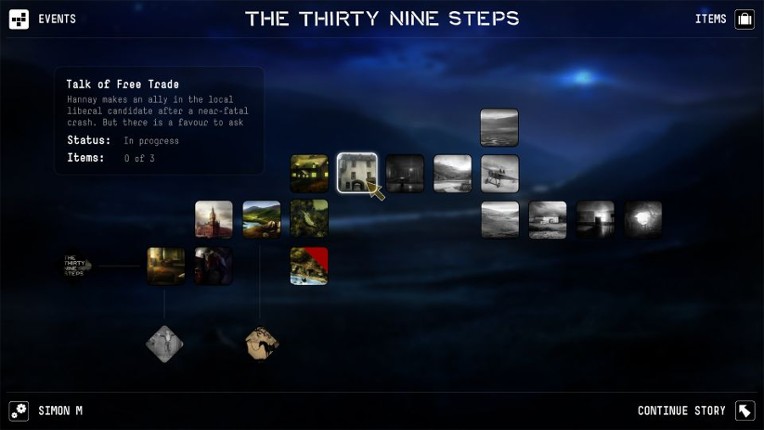
The 39 Steps is a single player casual role playing game with horror and thriller themes. It was developed by The Story Mechanics and was released on April 25, 2013. It received mostly positive reviews from players.

Prepare to experience the original man-on-the-run thriller in a completely new way! There are secrets to be discovered, locations to be explored and - above all - an incredible tale to be told in this ground-breaking interactive novel.
Skip User Reviews

77%Audience ScoreBased on 930 reviews
story386 positive mentions
replayability12 negative mentions

  • Engaging and thrilling story faithful to the original novel with good pacing and immersive narrative.
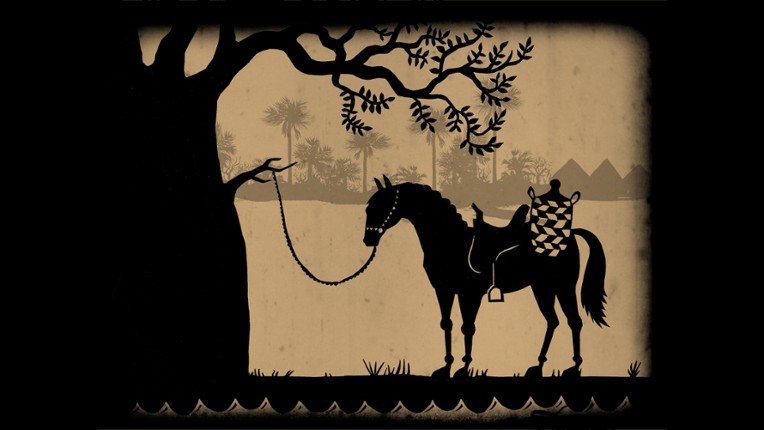
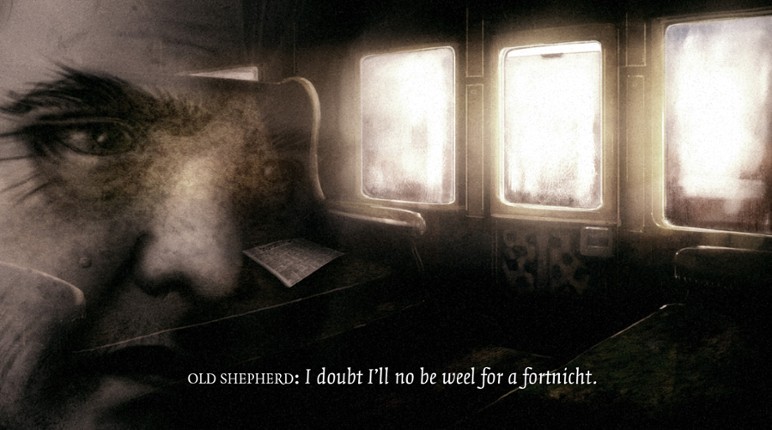
  • Beautiful hand-painted artwork and stylized visuals that create an atmospheric representation of early 20th century Britain.
  • Excellent voice acting, music, and sound effects that enhance the mood and immersion throughout the experience.
  • Limited interactivity and gameplay, consisting mostly of clicking through text and simple mouse gestures, which may feel tedious or unnecessary.
  • Slow pacing and some awkward controls, including the need to rotate the mouse to advance text, which frustrates some players.
  • Lack of replay value and no meaningful player choices, making the experience more akin to an audiobook or visual novel rather than a traditional game.
  • story

    1,140 mentions Positive Neutral Negative

    The story in "The 39 Steps" is a faithful, well-crafted adaptation of John Buchan's classic 1915 espionage thriller, praised for its engaging narrative, strong voice acting, and atmospheric art and sound design. While the pacing can feel slow initially and the plot somewhat dated or unbelievable, the tension and intrigue build effectively, making it compelling for fans of classic spy stories and visual novels. However, the experience is highly linear with minimal player interaction, offering little replay value and feeling more like an interactive storybook than a traditional game.

    • “A beautifully well done visual novel with impeccable voice acting and story which had gripped me to the end.”
    • “The story mechanics haven't settled for a simple text format in retelling John Buchan's tale, instead using a collection of visual tricks and clever insertion of backstory to create a brilliant interactive story that far exceeds the simplistic adaptations that have been experimented with in the past.”
    • “The story itself is a classic, a man on the run thriller.”
    • “Most of the story feels very forced and too unbelievable (I mean I get that it's a thriller but come on), and the fact that it's all based around a Jewish conspiracy is very much a yikes. Antisemitism is only mentioned once as one of the 'biases' in Scudder's work, though the book does more to dismiss or criticise this element, but this adaptation seems to omit that. The story progresses at a reasonable pace until the end, where everything wraps up rather quickly and abruptly.”
    • “The story is dull, simple, and slow. The gameplay is a confused muddle, distracting you from advancing the story, which is the primary focus of this game. The gestures and clicks required to take you from one story element to the next feel intrusive and poorly chosen; the pace is significantly marred by the design.”
    • “I really tried to like this game, the graphic side is appealing and the atmosphere is okay, but the annoying interface and time-wasting way the story moves on made me give it up after 40 minutes.”
  • graphics

    217 mentions Positive Neutral Negative

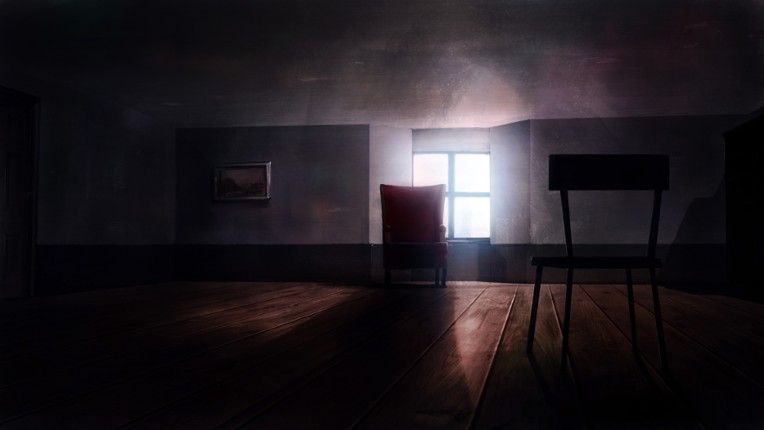
    The graphics are widely praised for their beautiful, hand-painted, and period-accurate artwork that effectively complements the story’s historical atmosphere. While mostly consisting of static, painterly visuals with subtle animations, the art style, combined with excellent voice acting and fitting music, creates a highly immersive and engaging visual novel experience. Though not game-heavy or interactive, the visuals are considered a key strength, enhancing the narrative and appealing particularly to fans of visual novels and classic literature adaptations.

    • “The artwork is lushly handpainted, not your typical computer game graphics.”
    • “The voice acting is superb (performed by a real theater company, I believe), the gorgeous hand-drawn artwork really makes you feel like you're in pre-WWI Britain, and the overall interface is sleek without betraying the lovingly-rendered throwback aesthetic.”
    • “The presentation of the events in this work is simply stunning; everything from the artwork to the music to the way the text appears on-screen is always true to the tone of the moment.”
    • “The art style is simplistic and often feels half finished or rushed, which sucks when the semi pretty pictures make up almost your entire experience listening to the story.”
    • “Technical - no graphics scaling, you're stuck with the resolution they give you, and you have mouse cursor windowing control problems which doesn't help considering the gameplay is mouse driven - and they hide the pointer deliberately so you can't be sure if you're advancing the game or if your mouse pointer has fallen off the edge of the poorly scaled game fullscreen window.”
    • “The graphics are 95% static, the only movement being the occasional smokestack spewing smoke, a flag flapping in the wind, or falling rain.”
  • gameplay

    172 mentions Positive Neutral Negative

    The gameplay of "The 39 Steps" is minimal and heavily narrative-driven, resembling an interactive visual novel or digital book with few simple mechanics like clicking, mouse gestures, and occasional object interactions. While these mechanics add some immersion, they are often considered slow, basic, and sometimes gimmicky, offering little challenge or variety. Overall, the gameplay primarily serves to advance the story rather than engage players with traditional or complex game elements, making it best suited for those seeking a relaxed, story-focused experience.

    • “The 39 Steps, developed by The Story Mechanics and published by The Secret Experiment, is an unusual entry on Steam that deliberately sidesteps conventional gameplay in favor of a narrative-first experience.”
    • “Instead of asking players to solve puzzles or master mechanics, it invites them to sit back and absorb a story that unfolds through illustrated panels, voice narration, and subtle animation.”
    • “There are a small number of gameplay elements, like exploring for clues in certain locations or doing some quick actions with movements of the mouse, as if you were actually playing as Richard Hannay; it's not much but it does a great job to immerse you in the world.”
    • “For some, this creates a relaxing, almost cinematic journey; for others, it highlights the absence of meaningful gameplay.”
    • “Gameplay is a real let down - of course in a visual novel, the objective is to move from one "page" to the next but they picked a really convoluted and confusing set of interfaces for this which serve to distract rather than enhance or engage the player.”
    • “I'm not saying it can't be a good story, but for someone who likes to read (a fast reader at that) this is an incredibly slowly drawn out story with crappy navigational mechanics that involve swirling your mouse around clockwise and counterclockwise to either skip or go back a previous line in the dialog (of which there is no shortage).”
  • music

    159 mentions Positive Neutral Negative

    The music in this visual novel is widely praised for its atmospheric, suspenseful, and immersive qualities, effectively enhancing the mood and complementing the artwork and voice acting. While most tracks are fitting and well-produced, some users noted issues with looping and an out-of-place electronic track in the end credits. Overall, the soundtrack significantly contributes to the engaging and engrossing experience of the story.

    • “The artwork and music are pleasing to the eyes and ears, respectively, perfectly complementing each scene without being intrusive.”
    • “The music really sets the mood and perfectly captures an ominous and unsettling feeling, enhancing the sense that you are not completely safe.”
    • “The soundtrack and ambiance create just the right atmosphere as you step into the shoes of Hannay in a grand tale of pre-WWI espionage.”
    • “The only thing I dislike about it is the annoying electronic music during the credits.”
    • “The music is fitting, but the loops are cut terribly, and the final track makes you wonder if you were watching Jason Bourne.”
    • “Nice way to experience this story, sadly all the atmosphere that was so good in the game is totally ruined by the awful music in the end-game credits.”
  • atmosphere

    75 mentions Positive Neutral Negative

    The game excels in creating an immersive and authentic pre-WWI British atmosphere through its stunning hand-painted watercolor backgrounds, professional voice acting with regional accents, and fitting music and sound effects. Reviewers frequently highlight the blend of art, audio, and storytelling that together evoke the era’s mood, suspense, and tension, making it feel like a gripping period drama. While gameplay may be minimal, the rich atmosphere is consistently praised as the game’s standout feature.

    • “The hand-painted watercolor backdrops are genuinely stunning, the voice acting is surprisingly professional with authentic regional accents, and the period atmosphere (pre-WWI London and Scottish Highlands) is immersive enough that you might reach for a blanket during the dreary rain scenes.”
    • “The worldbuilding is quite nice, making you feel like you're in pre-WWI Scotland/England, and the voice acting and overall delivery is nice and atmospheric.”
    • “An atmospheric visual novel with a terrific presentation: the hand-drawn visuals, the music, and the sound effects/voice acting are all fantastic, lending to the establishment of the mood of the story.”
    • “I really tried to like this game, the graphics are appealing and the atmosphere is okay, but the annoying interface and time-wasting pacing of the story made me give up after 40 minutes.”
    • “Nice way to experience this story, but all the atmosphere that was so good in the game is totally ruined by the awful music in the end-game credits.”
    • “Only with beautiful artwork and decent sound effects mixed in to enhance the atmosphere.”
  • replayability

    28 mentions Positive Neutral Negative

    The game offers minimal to no replayability, serving primarily as a one-time experience focused on storytelling, artwork, and atmosphere rather than gameplay. While the engaging narrative and presentation make it worthwhile for a single playthrough, players seeking multiple play sessions or extended content may find it lacking.

    • “Totally re-readable, or in this case re-playable thanks to the way the artwork is brought to life with a moving soundtrack and artfully placed sound effects along with intermittent narration.”
    • “Replayability is limited, but I still highly recommend this game.”
    • “Not much of a replay value, but for a point and click/interactive story, it was fun and a must for anyone who likes spies and games that lean more towards a story than gameplay.”
    • “There is no replay value here, just a solid one-and-done experience.”
    • “Good characters, well presented, but low interactivity, no replayability and very abrupt disappointing ending.”
    • “The downsides are that at several moments the game didn't seem to register my input to continue, which is something that might be worked out with a future patch, and that the replay value of this already very short game is almost non-existent.”
  • humor

    15 mentions Positive Neutral Negative

    The game's humor is characterized by a charming mix of British accents, amusing storytelling techniques, and playful nods to classic and cultural references, resulting in genuinely funny moments that often arise from its old-fashioned, slightly exaggerated style. While some humor is unintentional, such as hilariously miraculous protagonist feats and quirky audio choices, overall the lighthearted delivery, clever voice acting, and innovative segments create an enjoyable, laughter-inducing experience.

    • “It's so unusual that it's more hilarious than engaging or interesting.”
    • “Voice acting is good, with some hilarious British gentleman action and some frankly unintelligible Scottish accents.”
    • “And if you have played a bit of Team Fortress 2, I'm sure you'll burst out laughing just as I did when the French general talks about the nature of the spy.”
  • grinding

    13 mentions Positive Neutral Negative

    Grinding in the game is often described as tedious and time-consuming, with progression sometimes feeling more like a chore than engaging gameplay. While some appreciate the lack of repetitive achievement grinding, the mix of narrative focus and slow pacing can detract from player engagement, making it easy to lose interest or become frustrated.

    • “Stuck between a visual novel and an adventure game, this classic novel loses its strength as player focus is torn between following the narrative and accomplishing tedious tasks to turn pages.”
    • “❧ Periodically very tedious, even for the patient.”
    • “A little time-consuming however, and after a while gets tedious; I don't think I ever spent more than 30 minutes actually playing at a time, and often found myself wandering AFK to do something else as it never kept my attention.”
  • emotional

    11 mentions Positive Neutral Negative

    The emotional impact of the game is mixed among players; while some praise the voice acting and storytelling methods for creating a heartfelt and captivating experience that feels like a thriller movie, others find the story boring, linear, and lacking in player choice or meaningful consequences. The narrative evokes strong emotions in certain players, though its appeal is not universal.

    • “Voice acting carries much of the emotional weight, guiding the player through the narrative with clarity and consistency.”
    • “It almost made me cry.”
    • “Heartfelt and captivating story.”
    • “Boring story about some British colonizer.”
    • “Expected at least a bit of a detective game, got a very boring story instead.”
    • “Boring story, Mary Sue protagonist with immense charisma and luck.”
  • monetization

    8 mentions Positive Neutral Negative

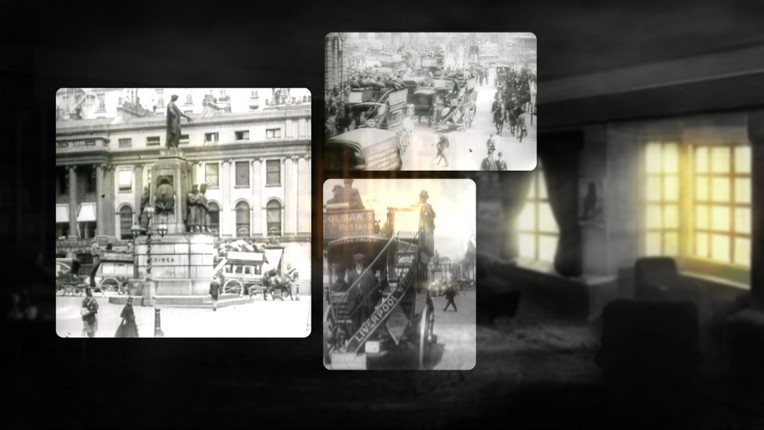
    The monetization aspect of the game is subtle and woven into the experience through historically authentic advertisements and newspapers, which serve more as immersive historical content rather than gameplay elements. While not intrusive, these period ads and articles enrich the story's atmosphere but do not offer meaningful interactive exploration or clues. Overall, the monetization feels integrated as part of the narrative flavor rather than a separate or aggressive in-game purchase strategy.

  • stability

    7 mentions Positive Neutral Negative

    The game is generally stable and bug-free, with most users experiencing smooth performance. However, occasional minor audio glitches and save point issues when switching windows were reported. Overall, stability is good, but a few technical hiccups remain.

    • “There are no bugs, no glitches, and everything is done in a professional way.”
    • “If you plan on clicking 2000 times, dedicate your entire PC because switching windows glitches your save point and you have to start all over again.”
    • “The game is too buggy for me.”
    • “There are times in the story where the voice acting echoes and glitches a bit, though otherwise I enjoyed it.”
  • optimization

    3 mentions Positive Neutral Negative

    The optimization aspect is not explicitly discussed by users, but the overall audiovisual quality, including voice acting and artwork, is highly praised for providing a smooth and immersive experience.

  • character development

    2 mentions Positive Neutral Negative

    Character development in the game relies largely on narration, with the writing taking center stage; however, much of the middle portion focuses on the protagonist escaping dangers, resulting in minimal plot progression or meaningful character growth.

    • “The game leans heavily on narration to deliver exposition and character development, allowing the writing to take center stage.”
    • “It's essentially an innocent-man-on-the-run thriller, and the middle three-fifths of the game basically have the main character escaping one sticky situation after another, with little in the way of actual plot or character development taking place.”
Skip Game Offers

Buy The 39 Steps

6h Median play time
5h Average play time
4-6h Spent by most gamers
*Based on 4 analyzed playthroughs
Skip Videos

Videos

Skip Games Like The 39 Steps

Games Like The 39 Steps

Skip FAQs

Frequently Asked Questions

The 39 Steps is a casual role playing game with horror and thriller themes.

The 39 Steps is available on PC, Mac OS, Phone, iPad and others.

On average players spend around 5 hours playing The 39 Steps.

The 39 Steps was released on April 25, 2013.

The 39 Steps was developed by The Story Mechanics.

The 39 Steps has received mostly positive reviews from players. Most players liked The 39 Steps for its story but disliked it for its replayability.

The 39 Steps is a single player game.

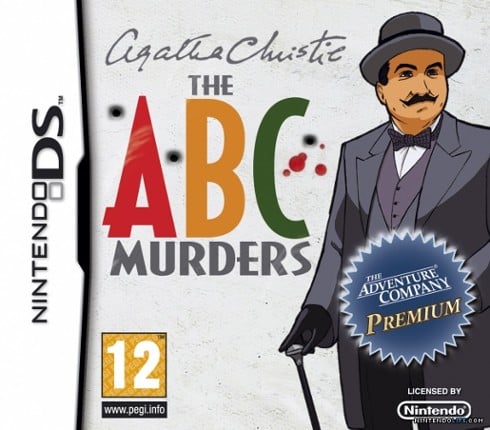
Similar games include Ken Follett's The Pillars of the Earth, Dagon, Dear Esther, Belladonna, Agatha Christie: The ABC Murders and others.