ObsCure: The Aftermath Game Cover

About

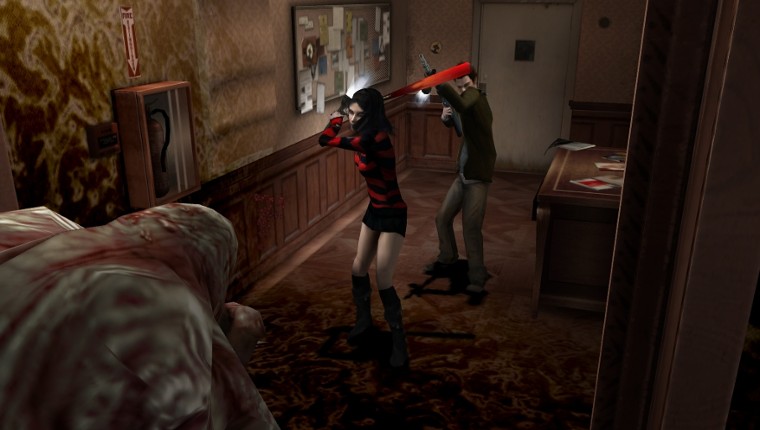
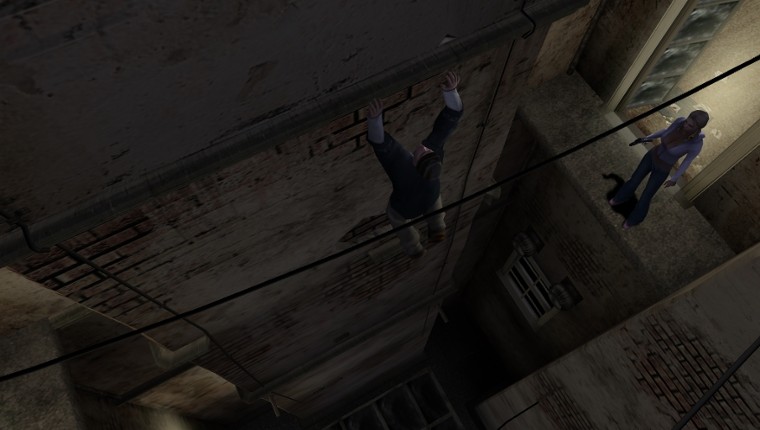
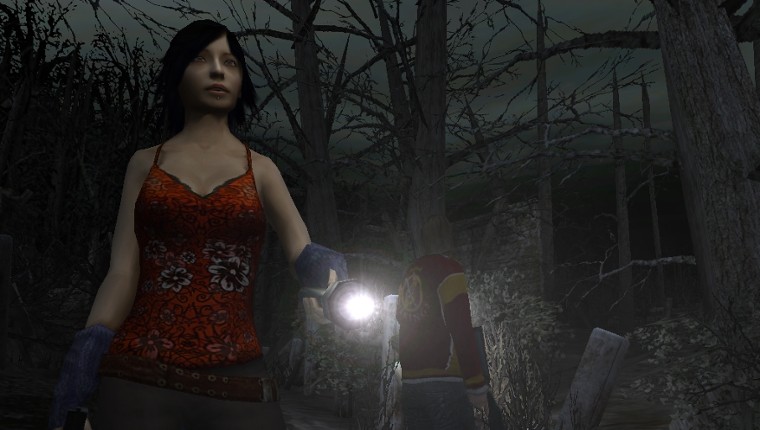
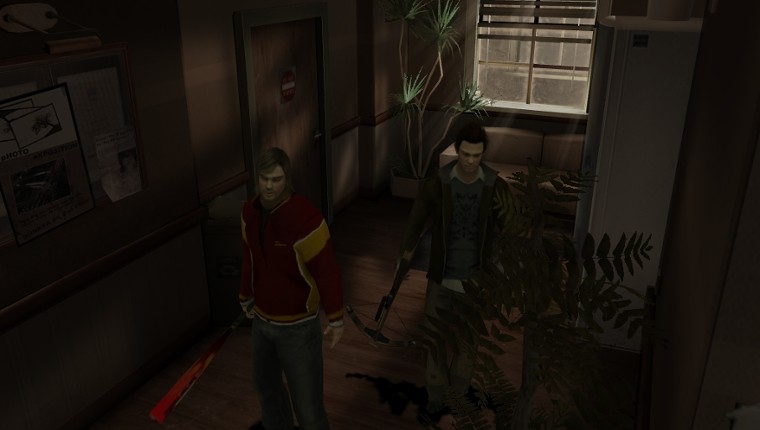
ObsCure: The Aftermath is a single player and multiplayer survival action adventure game with a horror theme. It was developed by Hydravision Entertainment and was released on March 10, 2014. It received neutral reviews from critics and mostly positive reviews from players.

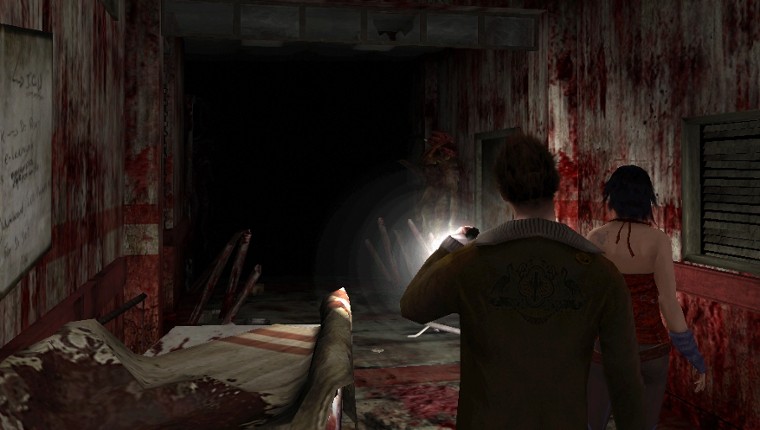
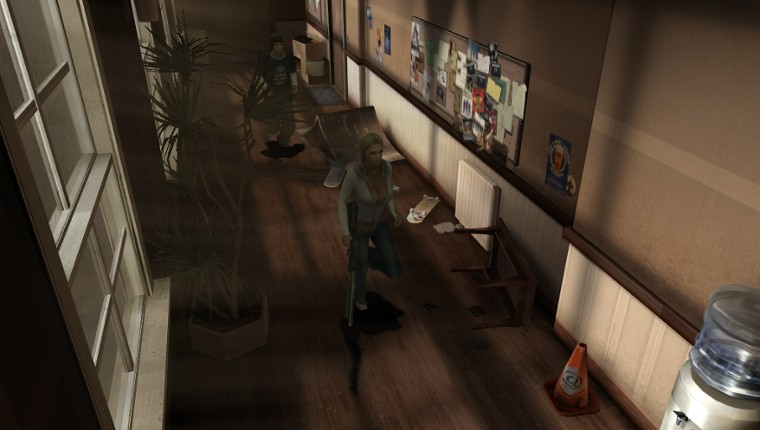
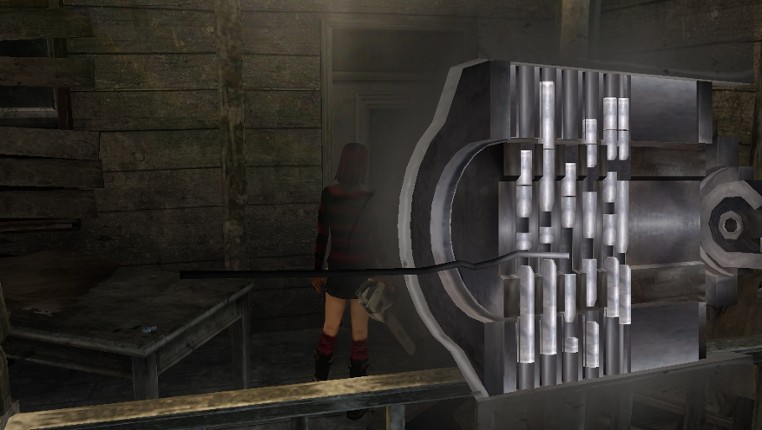
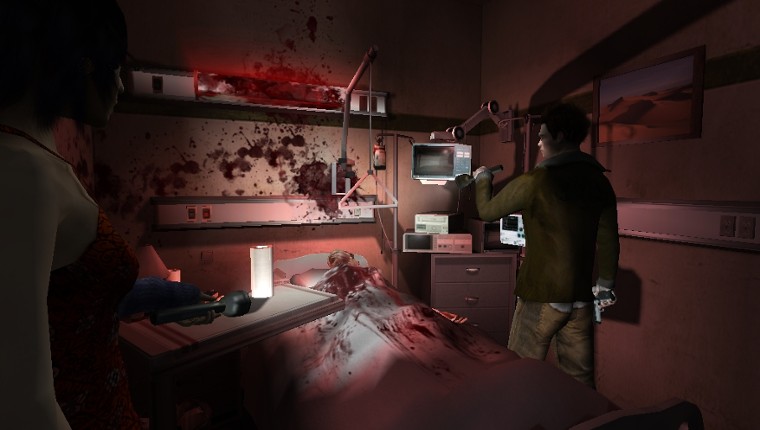
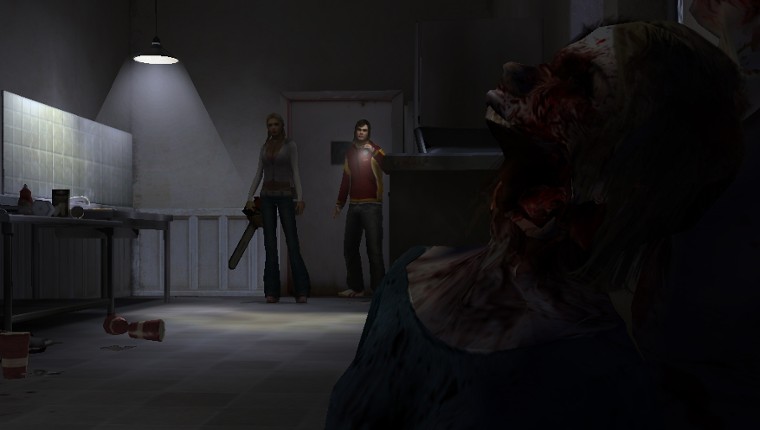
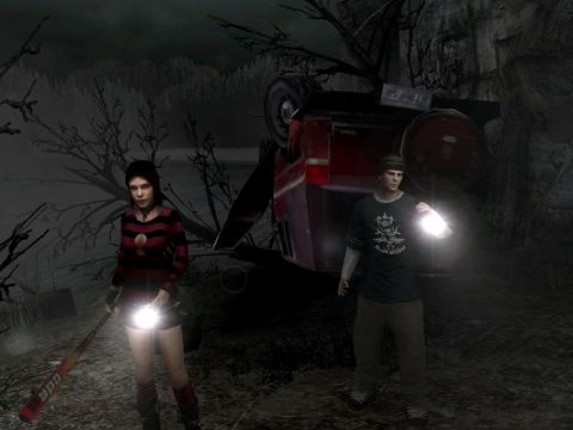
"ObsCure: The Aftermath" is the sequel to the classic survival horror game, "ObsCure". The game follows a group of college students who must survive a nightmare brought on by strange, dangerous flowers appearing on their campus. With 6 playable characters, players can experience adventure, action, and puzzles in a teen horror-movie scenario, with the option for a second player to join in co-op mode. Find clues and uncover the terrifying truth behind Fallcreek University.

Skip User Reviews

76%
Audience ScoreBased on 463 reviews
story36 positive mentions
replayability6 negative mentions

  • The game features a nostalgic blend of cheesy horror movie elements and engaging gameplay, making it a fun experience for fans of the genre.
  • The cooperative gameplay allows for enjoyable multiplayer sessions, enhancing the overall experience.
  • The soundtrack is well-composed and adds to the atmosphere, making the game more immersive.
  • The camera controls are frustrating and can lead to disorientation during gameplay, detracting from the overall experience.
  • The story is convoluted and lacks the depth of the first game, with many character deaths being scripted and feeling unearned.
  • The AI companions are often unhelpful, wasting resources and blocking the player's path, which can lead to unnecessary frustration.
  • story
    178 mentions Positive Neutral Negative

    The story of "Obscure II" has received mixed reviews, with many players finding it disjointed and lacking the depth of its predecessor. While some appreciate its campy, B-movie charm and the unique college setting, others criticize its linearity, poor writing, and character deaths dictated by the plot rather than player choice. Overall, the narrative is seen as a step down from the first game, though it still offers moments of intrigue and emotional weight amidst its absurdity.

    • “Taking place two years after the events of the first game, the story centers around strange black flowers appearing on campus—flowers that induce hallucinations and dreams when inhaled.”
    • “The college campus setting, rarely explored in horror games, gives it a fresh backdrop, and the story—while simple—has moments of genuine emotion and tension.”
    • “The fates of some of these characters is gruesome and sometimes heartbreaking, making this story much darker and more depressing than the first game.”
    • “The story is honestly bad and I hoped for better.”
    • “The story hardly makes any sense and does a bad job of continuing from the last one.”
    • “The story is quite badly put together and even has an ending fake out to try and throw you off... but really does not.”
  • gameplay
    112 mentions Positive Neutral Negative

    The gameplay of "Obscure II" is a mixed bag, with some players appreciating its cooperative dual-character system and nostalgic horror elements, while others criticize its clunky controls, frustrating mechanics, and lack of depth compared to its predecessor. The game retains a classic survival horror feel, featuring exploration, puzzles, and combat, but many feel it falls short in execution, with issues like a poor save system and underutilized character abilities. Overall, while it offers moments of fun and tension, it may not satisfy those seeking a polished or innovative experience in the genre.

    • “It's a glorious throwback to the golden age of couch co-op horror, where the graphics were gritty, the dialogue was cooked, and the gameplay was just challenging enough to make you yell at your mate for wasting all the ammo.”
    • “Obscure 2 keeps the core gameplay formula intact and builds on it, adding unique character skills that actually matter.”
    • “The gameplay rewards you for exploration, and is difficult enough for you to have to scrounge as much ammo as you can because you keep running out of it.”
    • “If anyone dies during gameplay, you have to revert to an earlier save point, which can sometimes mean replaying up to 30 minutes of progress.”
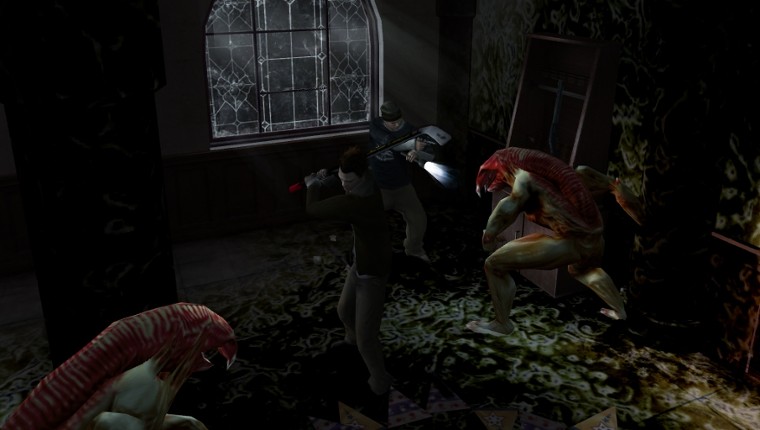
    • “The gameplay itself is pretty standard for the genre - you'll be doing a lot of exploring, solving puzzles, and fighting off hordes of monsters.”
    • “The story sucks, the plot sucks, the camera sucks, the gameplay sucks, the partner AI sucks, the pacing sucks, and the overall system sucks.”
  • music
    66 mentions Positive Neutral Negative

    The music in the game has received mixed reviews, with some praising the orchestral soundtrack and its ability to enhance tension and atmosphere, while others criticize it for being generic compared to the unique score of the first game. Many players appreciate the haunting and cinematic quality of the music, noting its effectiveness in creating a creepy ambiance, though some feel it occasionally fails to match the mood of specific scenes. Overall, while the soundtrack is often highlighted as a strong point, opinions vary on its consistency and impact compared to previous installments.

    • “The orchestral soundtrack, composed by Olivier Derivière and performed by the Boston String Quartet and Children’s Choir of Paris, gives the game a cinematic weight.”
    • “The music swells and recedes in sync with the action, heightening tension during encounters and offering quieter, somber tones during narrative beats.”
    • “The mood is dialed in—music and sound effects are better than ever, making every creepy hallway and tense encounter hit that much harder.”
    • “The unique soundtrack and sound design that the first game had is also gone in the second one, replaced by some generic tracks.”
    • “The music is downgraded, sounds awful most of the time, and tends to be all over the place; it can't decide whether it's an action game or horror, and that great orchestra hardly makes an appearance.”
    • “Most of the songs are a remix of the main theme, which is awesome, but sometimes they just don't fit the mood of the cutscene or stage they are placed in.”
  • graphics
    40 mentions Positive Neutral Negative

    The graphics of the game have received mixed reviews, with some players noting a significant improvement over its predecessor, while others feel it still shows its age with retro visuals reminiscent of the PS2 era. Many appreciate the distinctive art style and atmospheric design, but there are complaints about bugs and low-quality textures that detract from the overall experience. Overall, while the graphics are decent for a game from 2007, they may not meet modern expectations.

    • “It’s a glorious throwback to the golden age of couch co-op horror, where the graphics were gritty, the dialogue was cooked, and the gameplay was just challenging enough to make you yell at your mate for wasting all the ammo.”
    • “The combat is smooth, you can change weapons on input, manage your inventory, etc. The graphics are great for the time, and some areas of the game still look good today.”
    • “Visually, Obscure II shows its age but still carries a distinctive, atmospheric art style.”
    • “The second part meets us with many changed mechanics (compared to its predecessor), while remaining graphically at the same level, and even a little worse.”
    • “The graphics are terrible, the gameplay is poor and boring, the story is every horror movie from 1996 to 1999, it's as scary as a wet sock on the floor, and the fighting or controls, or whatever you want to call it, is horrible.”
  • atmosphere
    29 mentions Positive Neutral Negative

    The atmosphere of the game is a polarizing aspect among reviewers, with many praising its unique and creepy elements, such as eerie music and distinctive art style, reminiscent of early 2000s horror. While some feel it successfully builds a sense of dread and nostalgia, others criticize the sequel for losing the immersive qualities of its predecessor, opting for a more linear action experience that diminishes the atmospheric tension. Overall, the game retains a blend of charm and horror, though opinions vary on its effectiveness in creating a lasting atmosphere.

    • “Finally picked it up after 20 years or so and I can say it is still creepy, but very unique and atmospheric horror to this day.”
    • “The narrative doesn’t reinvent the genre, but it builds a strong atmosphere through its sense of dread, growing mystery, and the interpersonal tensions of its young cast.”
    • “The level design and feeling you get in these places speaks to very competent level designers, capturing that Resident Evil 1 eerie beauty and even Silent Hill's grimy and sterile atmospheres.”
    • “The atmosphere and horror element, the terrifying ambient sound are all inferior in this game.”
    • “The atmosphere of Obscure 1 is completely gone until the last 15 minutes of the game where they reveal a plot that should have actually been relevant at some point during the last five hours of the game.”
    • “The atmosphere is completely brutalized and thrown out the window in favor of an action game with action pacing.”
  • humor
    22 mentions Positive Neutral Negative

    The humor in the game is characterized by its intentionally cheesy and over-the-top dialogue, reminiscent of bad horror movies, which often leads to laugh-out-loud moments, especially in co-op play. While some players find the humor charming and entertaining, others criticize it as forced and cringe-worthy, resulting in a mixed reception. Overall, the game is best enjoyed as a comedic experience rather than a serious horror title, with many players appreciating its campy style and goofy cutscenes.

    • “You can also play co-op and the banter between your characters is sometimes hilarious.”
    • “The important thing to note is that there's more story this time, and the writing is so poor you will likely be laughing out loud at points.”
    • “The plot is very cheesy and gets extremely silly at times, but that's sort of part of all the fun, just laughing at how bad some of the dialogue is.”
  • replayability
    17 mentions Positive Neutral Negative

    Overall, the game suffers from limited replayability, with many players noting a lack of unlockables, alternate routes, and difficulty settings that would encourage multiple playthroughs. While some appreciate the gameplay itself, the absence of exploration and varied character interactions diminishes the incentive to replay. Consequently, most reviewers agree that once completed, the game offers little reason to return.

    • “ - high replay value.”
    • “But on its own retrospect it's a solid horror title and offers a lot of replayability through gameplay alone.”
    • “Ending and replay value.”
    • “There’s also limited replayability.”
    • “Not as good as the first game; there is no replay value, but I did finish it. I'll just never play it again; part 1 is still fun though.”
    • “There's little when it comes to alternate routes, there's no different endings, and there's no unlockables, so there's pretty much no replay value.”
  • stability
    10 mentions Positive Neutral Negative

    The stability of the game has received mixed reviews, with many users highlighting significant bugs and glitches, particularly in the PC port, which can severely disrupt gameplay, including issues like black screens and unplayable scenarios during critical moments. While some players noted improvements in certain mechanics, the overall consensus is that the game is plagued by stability issues that detract from the experience, making it less enjoyable than its predecessor.

    • “The game is mostly bug-free and stable.”
    • “I appreciate how stable the gameplay experience is.”
    • “The stability of the game allows for a smooth and enjoyable experience.”
    • “Be warned, it's a very buggy port.”
    • “Let me start off by saying this version of the game on PC is considered the worst version to play mainly because of the glitches that can affect your experience, like black screens and even one glitch that occurred during the final boss and caused the game to be unplayable. I had to restart the game.”
    • “This game has no redeemable characters, glitches introduced into the PC port that can break any sort of progress and the first game's main draw has been compromised to make use of character-specific puzzles.”
  • grinding
    9 mentions Positive Neutral Negative

    Players find the grinding aspect of the game to be frustratingly tedious, citing poor balance, cumbersome item and character management, and a lack of navigational aids that exacerbate the experience. Combat encounters are described as janky and chore-like, while repetitive tasks, such as lockpicking and backtracking to safe points, contribute to an overall sense of annoyance rather than enjoyment. Many reviewers ultimately felt that these elements made the game more of a chore than a fun experience.

    • “Managing items was tedious and normally you never had enough ammo or health even if you used it as little as possible.”
    • “The game is straightforward and linear, which wouldn't be bad, but the combat is so janky that it makes every enemy encounter feel tedious and chore-like.”
    • “One negative I should mention is that some combat sections feel cheap due to the stiff hit detection and the AI partners not being too keen to help us; also, the lockpicking sections later on were expanded to a minigame that progressively gets tougher and more tedious the more you find them.”
  • optimization
    8 mentions Positive Neutral Negative

    Overall, the game's optimization is mixed; while it runs well on modern systems without crashes or significant performance issues, some players experience lag, particularly on high-end setups. Comparisons to the previous title highlight that the first game was better optimized, with smoother performance and improved widescreen support. Despite these issues, the emotional performances and nostalgic elements provide a redeeming quality.

    • “The game's of-the-era flaws are, however, outshone by mostly solid performance and a nostalgic touch.”
    • “[b][u]Note:[/u][/b] No crashes, no FPS drops, no stuttering.”
    • “The game's of-the-era flaws are, however, outshone by mostly solid performance and nostalgic touch.”
    • “Some performance issues.”
    • “As far as performance goes, the game runs well on modern Windows.”
  • emotional
    5 mentions Positive Neutral Negative

    The emotional aspect of the game is marked by a mix of heartbreak and tragedy, with some characters experiencing gruesome fates that deepen the narrative's darkness. While the performances add a human touch, the reliance on stereotypes can detract from the overall impact. Additionally, gameplay frustrations, such as limited saving options and camera control issues, may hinder players' emotional engagement.

    • “The characters often veer into stereotypical territory, but the emotional range of the performances—particularly during the darker or more tragic moments—adds some human texture to the otherwise B-movie setup.”
    • “The fates of some of these characters is gruesome and sometimes heartbreaking, making this story much darker and more depressing than the first game.”
  • character development
    3 mentions Positive Neutral Negative

    Character development in this game is noted to be an improvement over its predecessor, with characters receiving more depth compared to the previous installment's "blank slates." However, some reviewers feel that the overall character design is lacking, and suggest that additional exploration, collectibles, and dialogue could enhance both gameplay and character development further.

    • “They all get a lot more character development than the rather blank slates in the previous game.”
    • “What Mighty Rocket Studios could have done to enhance the experience of this game was to include more exploration in its levels, as well as more things to find such as special weapons and collectibles, along with more secrets and dialogue that would further improve the game's character development.”
    • “Unlike the previous game, this one suffers from bad character design overall.”
    • “What Mighty Rocket Studios could have done to make the experience of this game better was to have more exploration in its levels and more things to find, such as special weapons and collectibles, more secrets and dialogue, further improving on this game's pretty shallow gameplay and character development.”
  • monetization
    1 mentions Positive Neutral Negative

    The monetization aspect of the games is primarily driven by advertisements, which users recall from their initial exposure to the titles.

Skip Critic Reviews
Skip Game Offers

Buy ObsCure: The Aftermath

5h Median play time
5h Average play time
2-8h Spent by most gamers
*Based on 3 analyzed playthroughs
Skip Videos

Videos

Skip Games Like ObsCure: The Aftermath

Games Like ObsCure: The Aftermath

Obscure Image
Dementium II HD Image
Resident Evil 6 Image
Tormented Souls Image
Daymare: 1998 Image
Skip FAQs

Frequently Asked Questions

ObsCure: The Aftermath is a survival action adventure game with horror theme.

ObsCure: The Aftermath is available on PC, Windows, PlayStation 2, Wii and others.

On average players spend around 5 hours playing ObsCure: The Aftermath.

ObsCure: The Aftermath was released on March 10, 2014.

ObsCure: The Aftermath was developed by Hydravision Entertainment.

ObsCure: The Aftermath has received neutral reviews from players and neutral reviews from critics. Most players liked this game for its story but disliked it for its replayability.

ObsCure: The Aftermath is a single player game with multiplayer and local co-op support.

Similar games include Obscure, Dementium II HD, Resident Evil 6, Tormented Souls, Daymare: 1998 and others.