Kunitsu-Gami: Path of the Goddess

Kunitsu-Gami combines real-time strategy, tower defense, hack 'n slash, and management into the most innovative AAA game of the last decade.
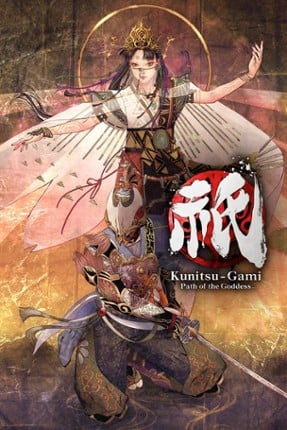
Kunitsu-Gami: Path of the Goddess Game Cover
89%Game Brain Score
gameplay, story
grinding, monetization
97% User Score Based on 1,135 reviews
Critic Score 82%Based on 33 reviews

Platforms

Xbox Series X|SPCXbox Game PassPlaystation 5CloudPlaystation 4Xbox OneXbox Cloud GamingXboxSteam DeckWindowsPlayStation
Kunitsu-Gami: Path of the Goddess Game Cover

About

Kunitsu-Gami: Path of the Goddess is a single player action adventure game. It was developed by CAPCOM Co., Ltd. and was released on July 18, 2024. It received positive reviews from critics and overwhelmingly positive reviews from players.

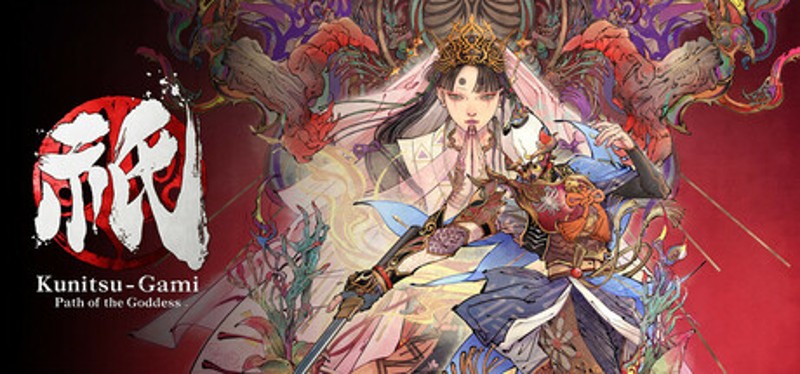
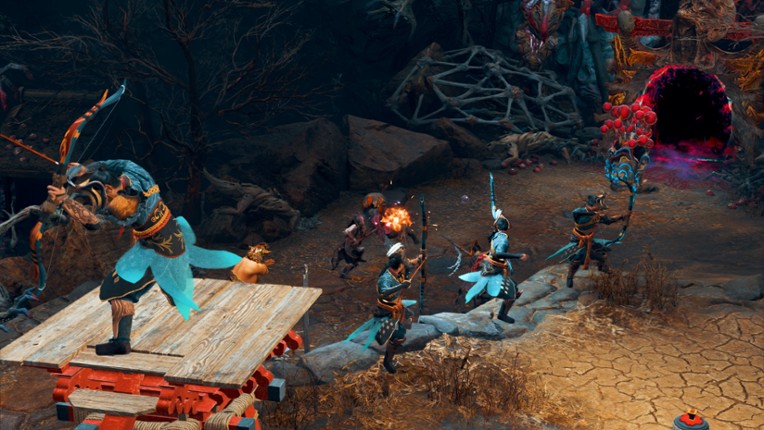
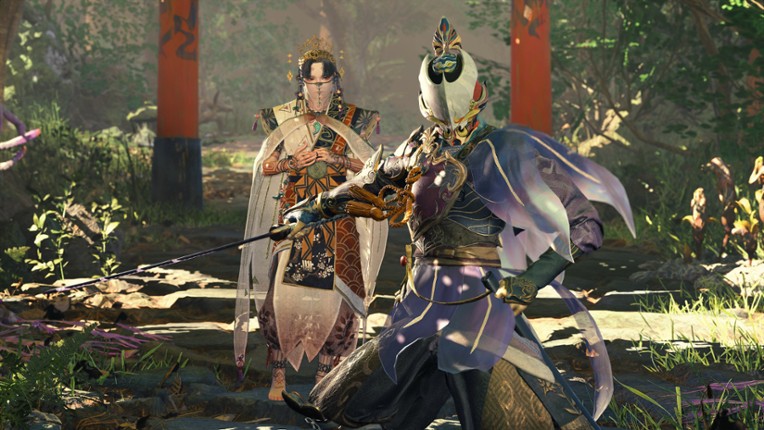
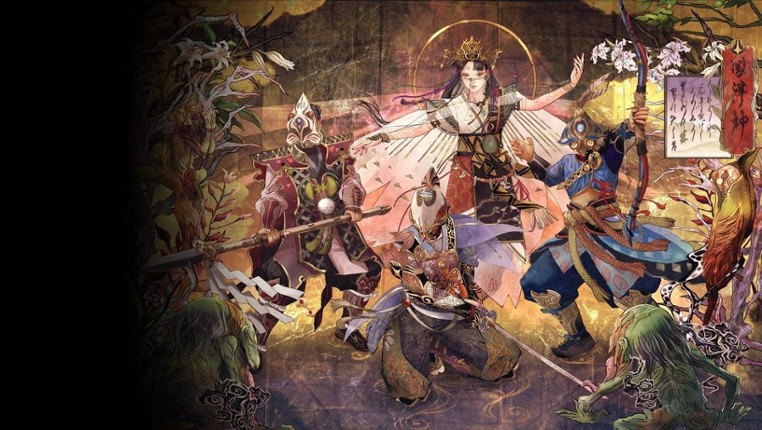
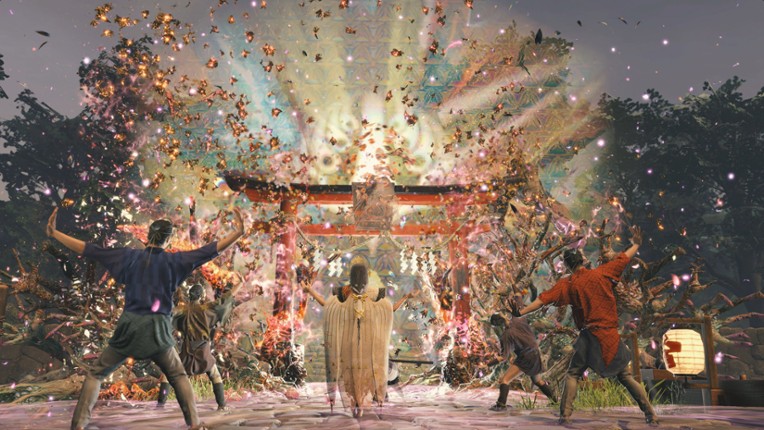
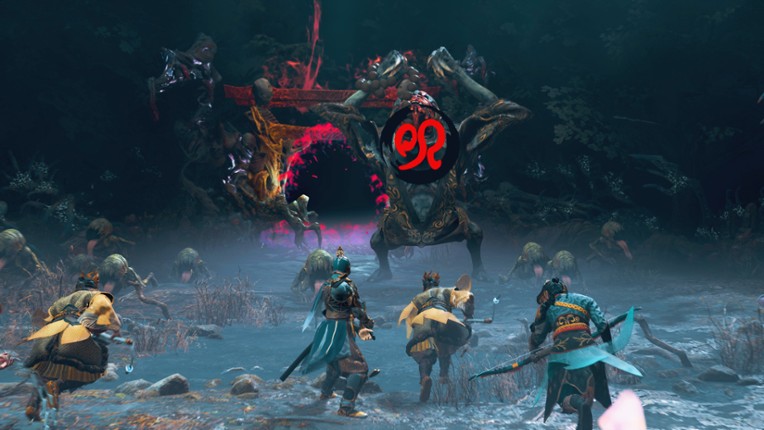
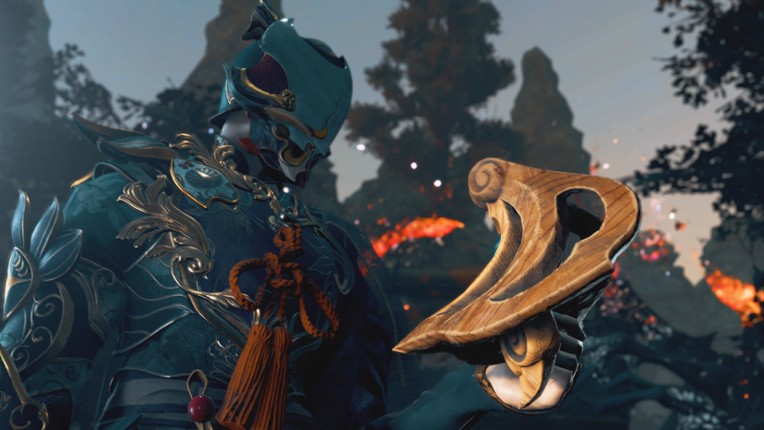
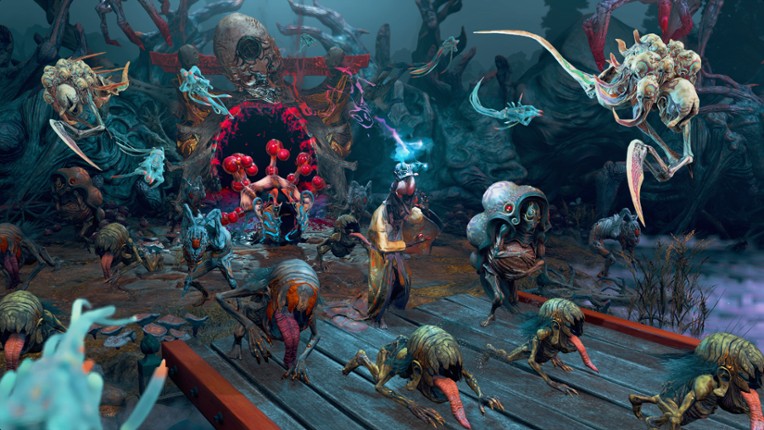
In "Kunitsu-Gami: Path of the Goddess" , you must purify a defilement-covered Japanese mountain during the day and protect a Maiden from assaults by the Seethe at night. The game features Japanese-inspired elements such as Kagura dance, masks, and music that enhance the unique world setting. Repeat this day-night cycle to cleanse the mountain and restore peace to the land. No information available on the release date or developer/publisher.

Genres & Tags
Play Modes
Skip User Reviews

97%
Audience ScoreBased on 1,135 reviews
gameplay154 positive mentions
grinding48 negative mentions

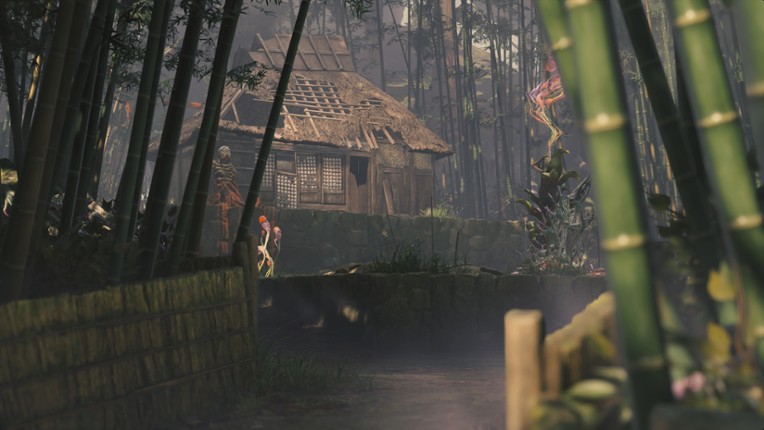
  • The game features stunning visuals and a unique art style inspired by Japanese folklore, creating an immersive atmosphere.
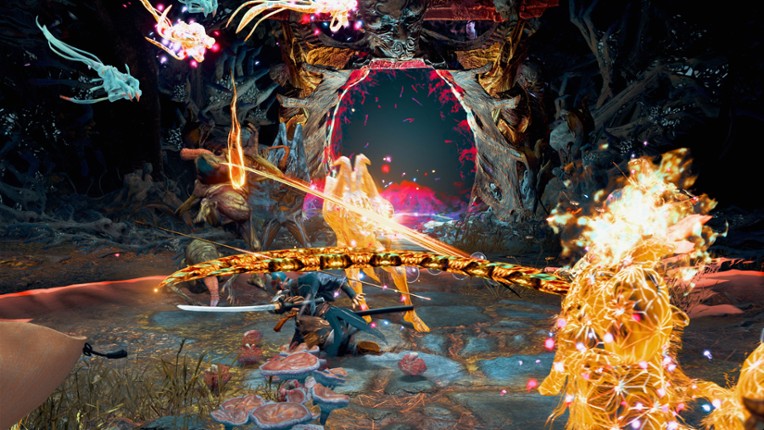
  • The blend of tower defense and action gameplay is innovative and engaging, allowing for strategic planning and real-time combat.
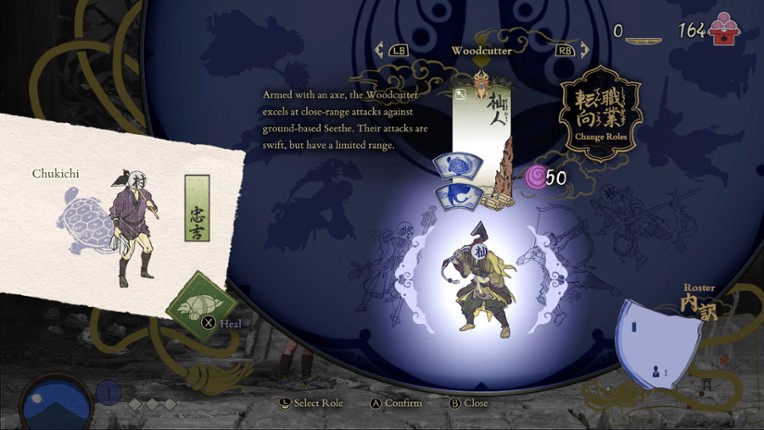
  • The game offers a variety of villager roles and upgrades, providing depth and replayability as players can experiment with different strategies.
  • The game can feel repetitive over time, especially with the need to replay levels for bonus objectives and resource collection.
  • Some boss fights can be frustrating and not as enjoyable as the regular stages, leading to a less satisfying experience.
  • The base-building mechanic can be tedious, requiring players to manually assign villagers to tasks, which may detract from the overall pacing of the game.
  • gameplay
    439 mentions Positive Neutral Negative

    The gameplay of "Kunitsu-gami: Path of the Goddess" is a unique blend of tower defense, real-time strategy, and hack-and-slash mechanics, offering a refreshing experience that keeps players engaged through its innovative gameplay loop and varied level designs. While some players noted that the gameplay can become repetitive over time and certain mechanics, like village rebuilding, may feel tedious, the overall combination of action and strategy, along with stunning visuals and a captivating soundtrack, creates an enjoyable and immersive experience. The game encourages experimentation with different strategies and villager roles, making it appealing for those who appreciate artistic direction and gameplay depth.

    • “The gameplay is a harmonious balance of preparation and combat.”
    • “The gameplay mixes tower defense, real-time strategy, and 3rd person action, creating a unique and engaging experience.”
    • “The stunning graphics, original art direction, captivating soundtrack, and tight gameplay mechanics all contribute to its success.”
    • “The gameplay does get repetitive after a while, but the mix of action, the mask system, and the tower-defense elements still kept things interesting.”
    • “The game might feel repetitive and slow at first, but after a while, you'll unlock various mechanics and encounter new enemies, making the game more challenging and offering multiple approaches and tactics.”
    • “The gameplay is not anything to run home about.”
  • story
    265 mentions Positive Neutral Negative

    The story of "Kunitsu-gami: Path of the Goddess" is minimalistic, relying heavily on visual storytelling with almost no dialogue, which some players find refreshing while others see it as a weakness. It presents a straightforward narrative centered around themes of protection and purification, drawing on Japanese folklore, but lacks depth and character development, leading to mixed feelings about its engagement level. Overall, while the storytelling approach is unique and atmospheric, it may not satisfy those seeking a more complex narrative experience.

    • “The game is beautifully designed, and has a wonderful story told with no words.”
    • “The story is mostly told through physical performance, environmental cues, and lore collected through ema plaques; there is almost no dialogue uttered in the entire game, it's an interesting stylistic choice, but I loved it for this type of story and this type of atmosphere; it's very quiet, it feels almost sacred, like an actual Shintoist ritual.”
    • “Despite being an extremely simple story and premise, it still feels really emotional and deep, thanks to Yoshiro and the themes of nature and balance typical of Shinto.”
    • “It's simple window dressing to get the player from one stage to the other, lacking in dialogue or any other meaningful story development.”
    • “The story is honestly the weakest part.”
    • “The story is not really there.”
  • graphics
    242 mentions Positive Neutral Negative

    The graphics of "Kunitsu-gami: Path of the Goddess" are widely praised for their stunning art style, which draws heavily from traditional Japanese aesthetics and folklore, creating a visually captivating experience. Reviewers highlight the game's beautiful animations, vibrant colors, and intricate designs that evoke a sense of nostalgia reminiscent of classic titles like "Okami." Overall, the visuals are described as a significant strength of the game, enhancing both the gameplay and the immersive atmosphere.

    • “The graphics are stunning, the art style is fantastic and so beautiful.”
    • “The art direction captures the essence of traditional Japanese aesthetics, making every moment a visual delight.”
    • “Stunning visuals: the game's art style is absolutely breathtaking, with vibrant colors and intricate details that bring the world to life.”
    • “A lot of effects can be cool, but they feel out of place due to the semi-realism visuals.”
    • “You need to mess with the graphics a bit to get an acceptable frame rate though.”
    • “Graphics is not this game's strong suit, but the art style is so pretty, like Okami.”
  • music
    219 mentions Positive Neutral Negative

    The music in the game is widely praised for its beautiful integration of traditional Japanese elements, enhancing the overall atmosphere and gameplay experience. Reviewers highlight the captivating soundtrack, which features a mix of serene melodies and energetic tracks that align with the game's themes and mechanics, creating an immersive environment. While some tracks may become repetitive, the overall composition and sound design are considered exceptional, contributing significantly to the game's charm and emotional depth.

    • “The music, art design, and fluid combat all combine to make something very special.”
    • “The soundtrack is solid and fits the atmosphere well.”
    • “The music is very energetic and draws from traditional Japanese music, it also ties with the lore since the act of purification is tied to the priestess and the villagers doing a purification dance.”
    • “Special mention goes to the braindead base 'music' which is just a loop of four piano notes over and over and over again.”
    • “The scarce voice acting that the game has is barely audible, even maxing out the volume, and the soundtrack lacks variety and most of the tracks (especially the ones of the villages after the land is healed) are plain boring.”
    • “Protip: play some of your favorite music instead of the in-game music if you want to prevent headaches and traumas.”
  • grinding
    49 mentions Positive Neutral Negative

    The grinding aspect of the game is often described as tedious and repetitive, particularly in relation to village repairs and resource management, which require players to revisit locations multiple times. While some players find the gameplay loop enjoyable and appreciate the unique mechanics, many express frustration with the lack of efficiency in tasks and the overall time investment needed for upgrades and completionist goals. Despite these criticisms, the game maintains a certain charm and can be rewarding for those willing to engage with its systems.

    • “For those with tight schedules, don't be scared to try this game since it's not as grindy as most Japanese games. You can save time by repeating each stage 2-3 times once you know the hidden bonus objectives and then move on.”
    • “The grinding in this game feels rewarding rather than tedious, as each repetition brings new insights and strategies to master.”
    • “I appreciate how the game balances grinding with meaningful progression, making each session feel productive and engaging.”
    • “My absolute only critique is the farming from villages is a bit one-dimensional and repetitive.”
    • “This can be quite tedious and repetitive because, due to the limited number of available workers, if you want to repair everything, you’ll need to return to each village several times.”
    • “The base building after finishing levels is tedious and another excuse for 'replayability' as the only way to make progress on the base building is to replay levels (sometimes multiple times).”
  • atmosphere
    47 mentions Positive Neutral Negative

    The game's atmosphere is widely praised for its beauty and creativity, blending stunning art design, a fitting soundtrack, and immersive storytelling that relies heavily on environmental cues rather than dialogue. Players appreciate the unique combination of genres, with the atmosphere enhancing both the gameplay and emotional experience, evoking feelings ranging from tranquility to tension. Overall, the developers' attention to detail in creating a rich, atmospheric world rooted in Japanese folklore is a standout feature that resonates deeply with players.

    • “The game's atmosphere is a definite highlight for me, and the way the music is integrated into the flow of the levels is a very nice touch.”
    • “From beginning to end, I was enraptured, completely taken by the magical atmosphere of this masterpiece.”
    • “The art style is reminiscent of classic titles like Okami, with beautifully executed graphics and effects that enhance the mystical atmosphere.”
    • “The story is mostly told via physical performance, environmental cues, and lore collected through ema plaques; there is almost no dialogue uttered in the entire game. It's an interesting stylistic choice, but I loved it for this type of story and this type of atmosphere; it's very quiet, it feels almost sacred, like an actual Shintoist ritual.”
    • “It uses the atmosphere and music really well, and there are some levels where, as the night grows closer and closer, I start feeling actual dread and fear.”
    • “Incredible setting and design creates an atmosphere of horror, and tense level design (especially near the end) compliments this.”
  • replayability
    37 mentions Positive Neutral Negative

    Overall, the game offers significant replayability through various challenges, optional objectives, and a smooth learning curve, encouraging players to revisit levels for better performance and unlocks. While many players appreciate the depth and variety in gameplay, some express a desire for more content, as the number of levels feels limited. Despite mixed feelings about the necessity of replaying for certain objectives, the game's engaging mechanics and charm contribute to its high replay value.

    • “Many of the missions provide replayability with optional challenges, such as preventing Yoshiro from taking any damage, or killing enemies using specific moves/combos.”
    • “The additional challenges that offer substantial and meaningful rewards also make replayability great, and I was constantly thinking of new ways to manage my resources and plans to tackle a previously cleared level.”
    • “Replayability is high with many varied ways to approach missions and the various aforementioned bonus goals.”
    • “It takes about 17 hours to complete your first playthrough; there is a true ending with a secret boss, but you have to play through the whole game again in NG+. Personally, I don't feel there's enough replayability for me to want to do that just for a new ending.”
    • “3) Base building after finishing levels is tedious and another excuse for 'replayability' as the only way to make progress on the base building is to replay levels (sometimes multiple times).”
    • “To me, its main shortcoming is replayability.”
  • optimization
    24 mentions Positive Neutral Negative

    Overall, the game's optimization has received mixed feedback from players. While many praise its flawless performance and beautiful graphics, some report issues such as stuttering, crashes, and performance inconsistencies on certain platforms, including the Steam Deck. Despite these concerns, the game is generally considered well-optimized, with a range of graphical settings to enhance playability.

    • “I am amazed at how great the performance was, especially since I feel like RE Engine games are more buggy than not on PC.”
    • “Using RE Engine, perfectly optimized, the game is beautiful and lets you enter the gorgeous world of Japanese folklore.”
    • “Outstanding game with wonderful polish (wide range of graphical optimization settings to your PC's content) despite Denuvo out there to eat your PC for breakfast.”
    • “DRM causes stutter and other performance issues.”
    • “The other aspect of the game that I found a little weird is the very large amount of upgrades and modifications for your character that seem to have a pretty small impact on your performance in levels.”
    • “I found performance to be sometimes disappointing on the Steam Deck.”
  • emotional
    9 mentions Positive Neutral Negative

    The game is praised for its emotional depth, particularly through the character of Yoshiro, whose struggle against adversity resonates deeply with players. The combination of heartfelt storytelling, stunning visuals, and themes of nature and balance creates a touching experience that evokes a range of emotions, from pity to relief, culminating in a bittersweet conclusion. Overall, the developers' passion and attention to detail enhance the game's emotional impact, making it a standout experience.

    • “Yoshiro's indomitable spirit as she continues her fight to free her people despite increasing levels of disability is genuinely heart-wrenching.”
    • “Overall, the game combines strategic depth with emotional storytelling and beautifully crafted visuals, making it a standout experience.”
    • “This is a game that made me feel pity for the bosses' backstories, a sense of relief when dawn approaches, and a bittersweet ending.”
  • monetization
    8 mentions Positive Neutral Negative

    The game is praised for its absence of microtransactions, offering a complete experience without the pitfalls of modern monetization strategies like live services and cosmetic sales. Reviewers appreciate its focus on gameplay and replay value, contrasting it with the trend of remastered titles and cash-grab models prevalent in the industry. Overall, it is seen as a refreshing return to traditional game design, free from exploitative monetization practices.

    • “The game is free from microtransactions, boasts significant replay value, and delivers a well-contained story.”
    • “Also, they released it as a full game with no microtransactions, unlike a lot of games going towards the live service route.”
    • “I'm not a fan of modern 'Crapcom' who have extremely anti-consumer business models where they retroactively add in microtransactions and love to resell us the same game 13 times (RE4 has 14 editions!).”
    • “Game that's a game and not a platform to sell microtransactions.”
    • “Kunitsu-gami is a reminder that great games start with fun and unique experiences, not cosmetic skins and monetization loops disguised as gameplay.”
  • character development
    7 mentions Positive Neutral Negative

    The character development in the game is deeply influenced by traditional Japanese aesthetics, featuring intricate designs and vibrant environments that enhance immersion in its folklore. The characters, particularly Soh and Yoshiro, are well-crafted and contribute to a compelling narrative told with minimal dialogue, while the game offers a rewarding progression system and a challenging gameplay experience. Overall, the combination of stunning visuals and rich lore creates a captivating atmosphere that elevates character engagement.

    • “The character designs are intricate, and the environments are lush and detailed, bringing the world of kunitsu-gami to life in stunning detail.”
    • “Soh and Yoshiro have outstanding character design, and the game does a great job of telling the story with almost no dialogue.”
    • “Steeped in medieval Japanese lore, tons of unlocks, a surprisingly large reward and skill ceiling, in-game challenges, very good pacing, new game+ with unique add-ons, awesome character design... this game just kept surprising me.”
    • “The character development feels shallow and lacks depth, making it hard to connect with the characters on a personal level.”
    • “I found the character arcs to be predictable and uninspired, leaving me wanting more complexity and growth.”
    • “Despite the beautiful aesthetics, the characters themselves feel one-dimensional and fail to evolve throughout the story.”
  • stability
    3 mentions Positive Neutral Negative

    Overall, users report a surprisingly stable performance for the game, particularly noting that it runs smoothly without significant bugs, which is often a concern with RE Engine titles on PC.

    • “The game runs great and stable in the 2 hours I've played it so far.”
    • “I've experienced no crashes or bugs; the stability is impressive.”
    • “The performance is consistently smooth, making for an enjoyable gaming experience.”
  • humor
    3 mentions Positive Neutral Negative

    The humor in the game is characterized by quirky interactions and amusing visual elements, though players feel that the requirement to sacrifice power for cosmetic effects is a frustrating design choice. Additionally, the game evokes nostalgia with its comedic elements reminiscent of titles like Bujingai.

    • “There are also lots of quirky, funny little things to do.”
    • “Also hilariously reminds me of Bujingai, and I wish for an unlockable Gackt skin.”
Skip Critic Reviews
Skip Game Offers

Buy Kunitsu-Gami: Path of the Goddess

11h Median play time
11h Average play time
6-18h Spent by most gamers
*Based on 7 analyzed playthroughs
Skip Videos

Videos

Skip Games Like Kunitsu-Gami: Path of the Goddess

Games Like Kunitsu-Gami: Path of the Goddess

Arco Image
The Last Spell Image
Defender's Quest: Valley of the Forgotten Image
Death's Door Image
ENDER LILIES: Quietus of the Knights Image
Skip FAQs

Frequently Asked Questions

Kunitsu-Gami: Path of the Goddess is a action adventure game.

Kunitsu-Gami: Path of the Goddess is available on Xbox Series X|S, PC, PlayStation 5, PlayStation 4 and others.

On average players spend around 11 hours playing Kunitsu-Gami: Path of the Goddess.

Kunitsu-Gami: Path of the Goddess was released on July 18, 2024.

Kunitsu-Gami: Path of the Goddess was developed by CAPCOM Co., Ltd..

Kunitsu-Gami: Path of the Goddess has received positive reviews from players and positive reviews from critics. Most players liked this game for its gameplay but disliked it for its grinding.

Kunitsu-Gami: Path of the Goddess is a single player game.

Similar games include Arco, The Last Spell, Defender's Quest: Valley of the Forgotten, Death's Door, ENDER LILIES: Quietus of the Knights and others.