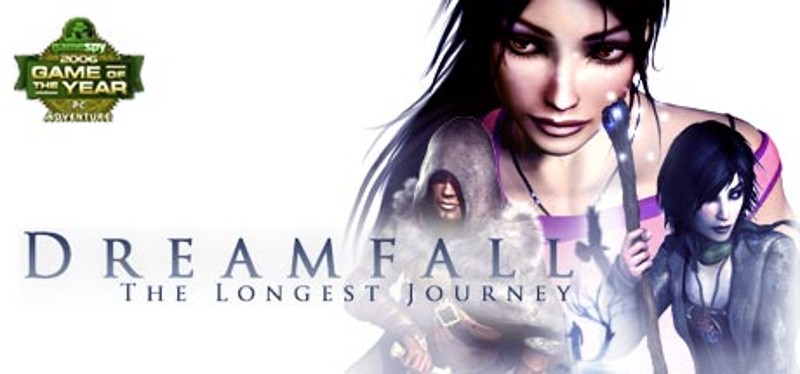
Dreamfall: The Longest Journey Game Cover

About

Dreamfall: The Longest Journey is a single player role playing game with fantasy, mystery and science fiction themes. It was developed by Funcom and was released on January 12, 2007. It received neutral reviews from critics and positive reviews from players.

Dreamfall: The Longest Journey is the sequel to the award-winning game The Longest Journey, and continues the epic saga with an emotional storyline and interactive world. The game offers unparalleled gameplay variety, allowing players to choose how they want to approach challenges through dialogue, stealth, or combat. Experience a beautiful and stirring journey in this adventure game masterpiece.

Skip User Reviews

83%
Audience ScoreBased on 829 reviews
story462 positive mentions
gameplay47 negative mentions

  • Engaging and well-written story that continues the narrative from The Longest Journey.
  • Rich world-building with interesting characters and environments, blending science fiction and fantasy elements.
  • Strong voice acting and emotional depth in character interactions.
  • Clunky controls and camera mechanics that can lead to frustration during gameplay.
  • Combat and stealth mechanics feel poorly implemented and detract from the overall experience.
  • Abrupt ending with many unresolved plot points, leaving players wanting more closure.
  • story
    1,168 mentions Positive Neutral Negative

    The story of *Dreamfall: The Longest Journey* is widely praised for its depth, complexity, and emotional engagement, continuing the narrative from its predecessor while introducing new characters and perspectives. Players appreciate the rich world-building and character development, although many express frustration with the unresolved plot threads and cliffhanger ending that necessitate playing the sequel, *Dreamfall Chapters*, for closure. While the gameplay mechanics receive criticism for being clunky and less interactive, the compelling storytelling remains the game's strongest aspect, making it a must-play for fans of narrative-driven experiences.

    • “Dreamfall is a story-driven adventure that builds on the first game of the series, exploring how different people interpret duty, identity, and destiny—making its story feel lived-in rather than simply constructed.”
    • “For players who value layered storytelling, worldbuilding, and human complexity, it remains a landmark in adventure gaming.”
    • “The narrative direction is near perfect; you always want to go on and understand more of the story, which is told from different character perspectives that intertwine.”
    • “Dreamfall concludes in the middle of emotional, thematic, and plot arcs, withholding the catharsis many players expect from a story-driven title.”
    • “The ending itself is a slap in the face and feels like the last half of the game and story was completely pointless, it actually feels like the ending belongs in the middle of the storyline but the developers squandered that part by focusing on the resistance movement headed by raven in arcadia.”
    • “The story is not without its faults however as I felt the pacing seemed to be slow at the earlier chapters.”
  • gameplay
    264 mentions Positive Neutral Negative

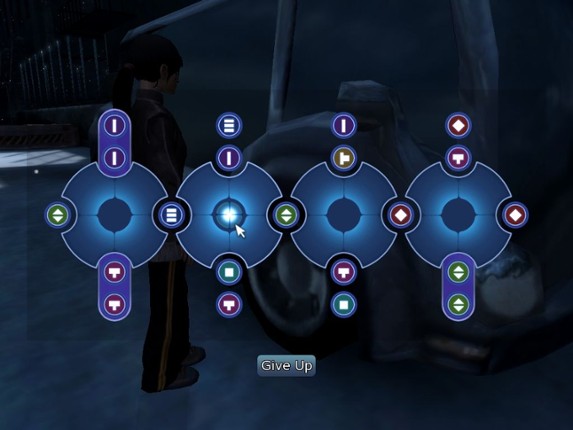
    The gameplay of "Dreamfall: The Longest Journey" has received mixed reviews, with many players noting its significant departure from the point-and-click mechanics of its predecessor. Critics highlight the clunky controls, poor combat and stealth mechanics, and simplistic puzzles, which detract from the overall experience. However, despite these shortcomings, the game's strong narrative and character development often compensate for the lackluster gameplay, making it more of an interactive story than a traditional game.

    • “Despite its mechanical shortcomings and structural cliffhanger, Dreamfall endures because it understands the power of storytelling in games.”
    • “It prioritizes character, perspective, and narrative courage over mechanical polish, offering a journey driven less by challenge and more by emotional resonance.”
    • “Great story, fantastic universe, horrific gameplay.”
    • “The controls, camera, and movement systems clearly prioritize storytelling over interactivity, which may frustrate players seeking stronger gameplay agency.”
    • “The stealth mechanics are barely serviceable, the combat is awful, the controls are awkward, the puzzles are rudimentary, the story feels unfinished and somewhat disjointed... but I did enjoy some things about it.”
    • “The gameplay is basic; you always have a clear task to follow, and the riddles you solve and the objects you connect are more or less obvious throughout the game.”
  • graphics
    191 mentions Positive Neutral Negative

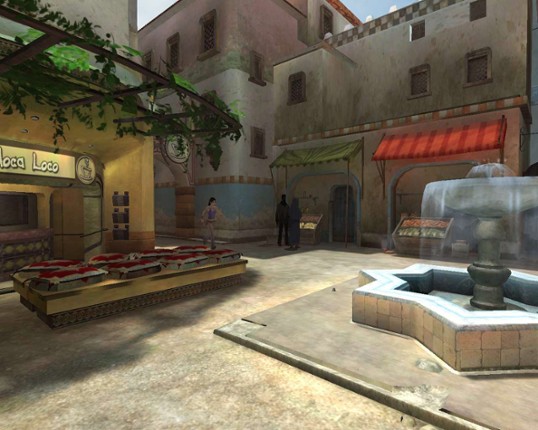
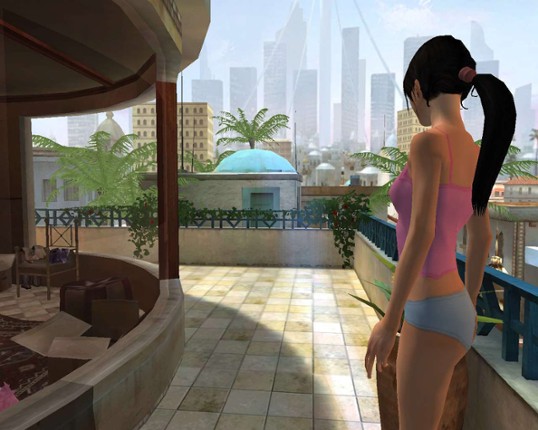
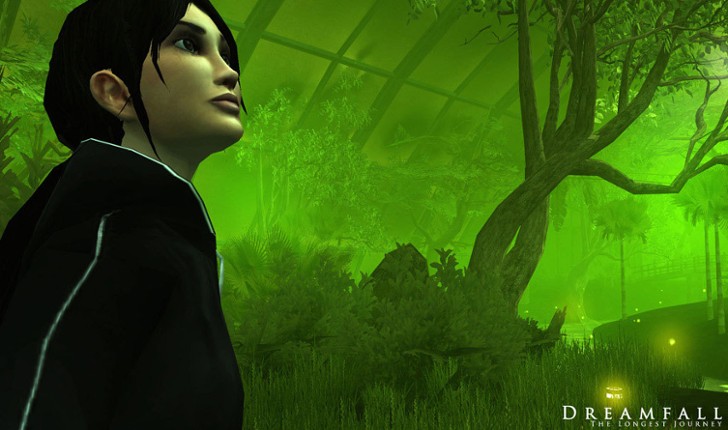
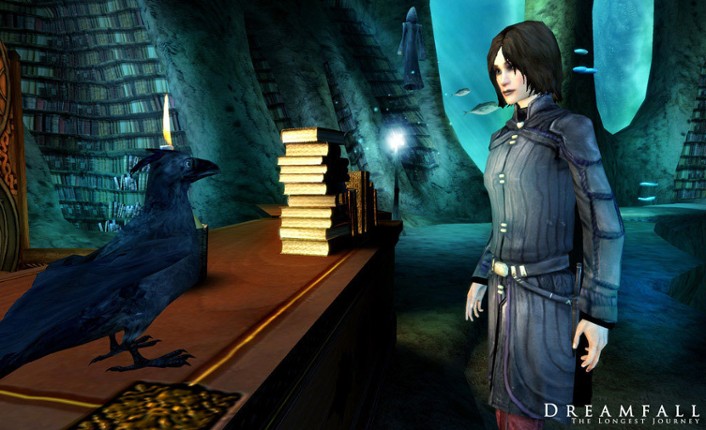
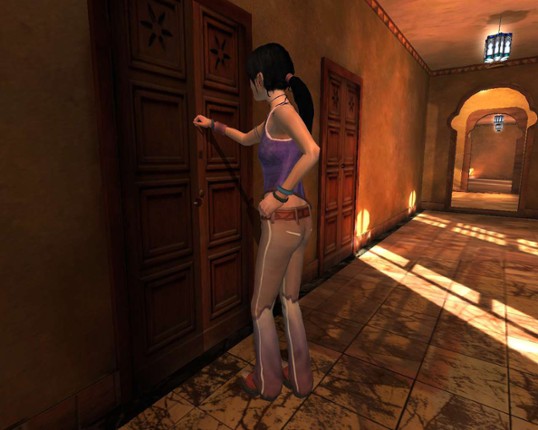
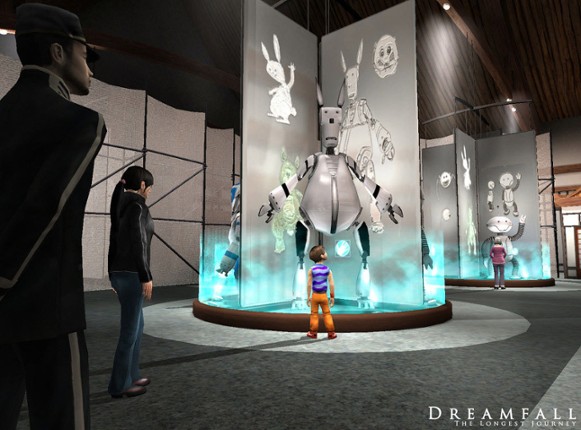
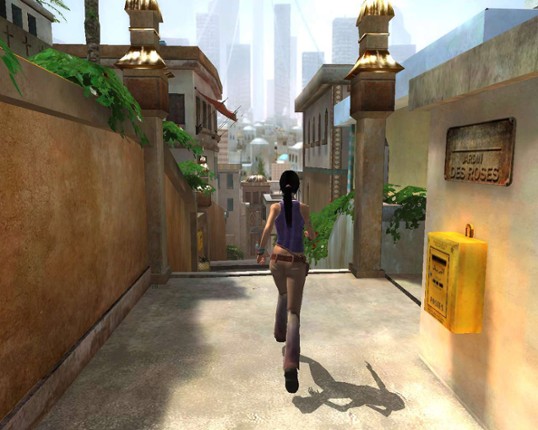
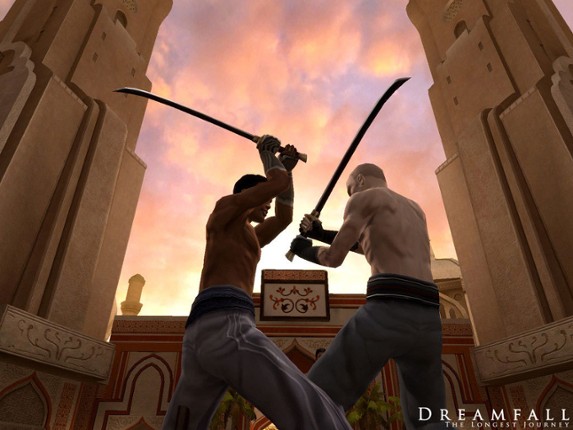
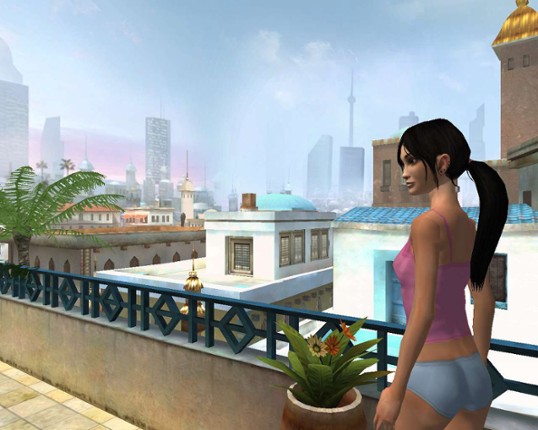
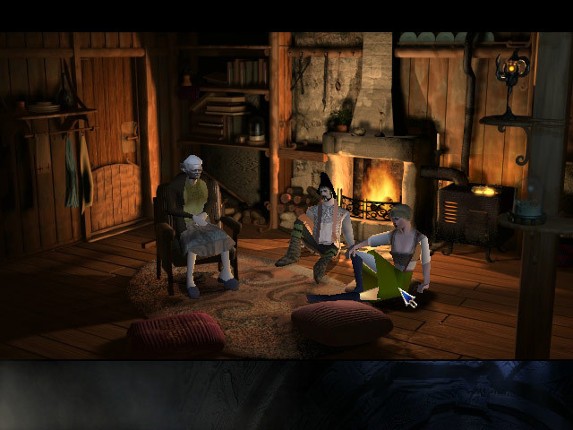
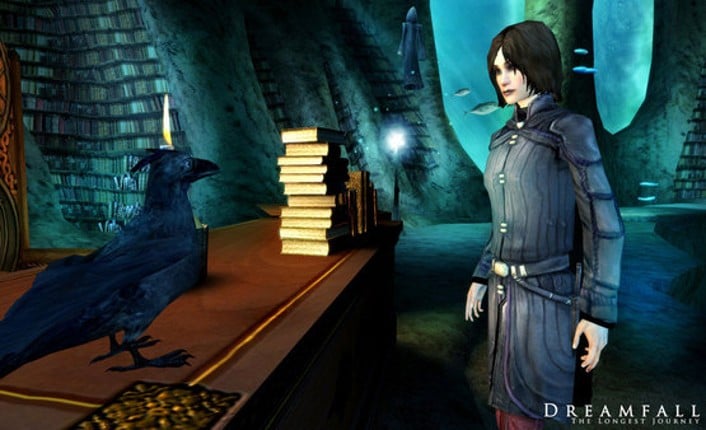
    The graphics of the game, while considered dated by modern standards, still hold a nostalgic charm and are generally regarded as impressive for a title released in 2006. Many players appreciate the art style and atmospheric environments, noting that the visuals enhance the overall experience despite some awkward animations and technical limitations. Overall, while the graphics may not be the main draw, they contribute positively to the game's immersive storytelling and nostalgic appeal.

    • “The art style is just awesome; it is a beautiful game even today, and the game features a great soundtrack and very good voice acting.”
    • “The graphics also hold up pretty well for being nearly twenty years old.”
    • “The graphics are very nice if you remember that this game was published in 2006.”
    • “The graphics are rough around the edges but full of charm, and some environments are still beautiful.”
    • “The decision to transform a classic point-and-click adventure into an entirely 3D game does not work (at least with this poor implementation), and it seems like the developers have made all the wrong choices aesthetically and artistically.”
    • “Graphics, sound, world and character design, everything feels cheap, plastic, and without a soul.”
  • music
    76 mentions Positive Neutral Negative

    The music in the game has received widespread acclaim for its atmospheric quality and ability to enhance the storytelling experience, with many reviewers highlighting the beautiful and immersive soundtrack. While some criticized the inclusion of distracting pop songs during key moments, the overall sentiment is that the music is a standout feature, contributing significantly to the game's emotional depth and nostalgic appeal. The combination of well-composed tracks and excellent voice acting creates a memorable auditory experience that resonates with players long after they finish the game.

    • “The soundtrack is also excellent and worth listening to - after not having played this game for quite some time, listening to the soundtrack can bring me right back to certain big moments in the game.”
    • “The music and voice acting once again is great, so happy to see returning cast members.”
    • “In addition, the music is fantastic: the composer puts subtle musical cues into the world's environment and professionally crafts those into the score, creating several memorable and beautiful themes!”
    • “The music was flat with no cohesion from scene to scene.”
    • “I thought the choice of a romantic theme song was terribly wrong.”
    • “Unlike other games where similar music invoked strong emotions, Dreamfall's two romantic interests didn't communicate their romantic tension very well in-game.”
  • emotional
    34 mentions Positive Neutral Negative

    The emotional aspect of "Dreamfall" is characterized by its deeply human characters and nuanced dialogue, which resonate with players through heartfelt performances and relatable struggles. While the game excels in creating emotional investment and poignant moments, it also leaves many plot arcs unresolved, leading to a bittersweet experience that can evoke strong feelings, including sadness and reflection. Despite some criticisms of voice acting and pacing, the game is praised for its ability to touch players' hearts and provoke thought about its themes.

    • “Characters speak like recognizable human beings—hesitant, emotional, contradictory—and the dialogue is grounded even when dealing with reality-splitting fantasy.”
    • “Dreamfall isn’t just a world to observe—it’s one to emotionally absorb.”
    • “The combination of those things makes this game stand out to me for being one of the few games that has made me cry.”
  • humor
    33 mentions Positive Neutral Negative

    The humor in the game is a notable highlight, featuring witty dialogue and engaging characters that evoke genuine laughter, reminiscent of the charm found in the first installment of the series. While some players feel the voice acting lacks emotional depth compared to its predecessor, the blend of humor with the story and world-building remains strong, offering both funny moments and relatable characters. Overall, the game successfully balances humor with its narrative, providing a fun and enjoyable experience despite some criticisms of its execution.

    • “The unique mix of humor and world-building that made the first game stand out is intact, and remains its strongest point.”
    • “It's beautifully written, is unique in play style, and has a humor to it that you do not find in many games.”
    • “The witty dialogues, the funny characters, all the good things from the first game were back!”
  • atmosphere
    32 mentions Positive Neutral Negative

    The game's atmosphere is consistently praised for its immersive visuals and sound design, creating a captivating blend of danger and mystery that enhances the storytelling experience. While some reviews note that the graphics may feel dated, the overall ambiance, enriched by a strong musical score and memorable characters, effectively draws players into its beautifully crafted worlds. Despite some gameplay flaws, the atmosphere remains a standout feature, making it a compelling adventure for fans of narrative-driven games.

    • “Visually and sonically, the game creates atmosphere with remarkable confidence.”
    • “This sequel feels like it unapologetically takes you to so many different places and the atmosphere is always so immersive.”
    • “Absolutely an amazing atmospheric adventure!”
    • “Graphics a bit dated now, but the game and atmosphere soon more than make up for it, and you can really feel a lot more involved in the adventure while being really lost at the same time.”
    • “Low quality cut scenes that don't help the atmosphere.”
    • “This sequel lacks the 'epic journey' atmosphere of the first game, and while its combat system is not really well-designed, the story and its progression really make up for it.”
  • grinding
    21 mentions Positive Neutral Negative

    The grinding aspect of the game is heavily criticized for its tedious fetch quests, clumsy inventory management, and repetitive backtracking, which detract from the overall experience. Players find the combat and stealth mechanics cumbersome, often leading to frustration rather than engagement. While the atmosphere and story have their merits, the gameplay is marred by a lack of immersive elements and an abundance of monotonous tasks.

    • “You'll need a second life for grinding.”
    • “You might feel like you're on a Runescape quest from hell, jogging from point to point, only to experience a tedious puzzle or click through inconsequential dialogue trees.”
    • “The atmosphere is great and the story is a fine follow-up to The Longest Journey, but the experience of playing it is all around bad, from the slow movement through enormous areas to the clumsy inventory, awful combat, and tedious stealth.”
  • stability
    21 mentions Positive Neutral Negative

    The game's stability is a mixed bag; while it runs well on platforms like the Steam Deck and supports high resolutions and frame rates, players frequently encounter significant bugs and glitches, including character movement issues and audio problems. Many reviews highlight frustrating gameplay interruptions due to these glitches, which can hinder progress and detract from the overall experience. Despite its age, the game offers vibrant graphics, but the stability issues remain a notable concern for players.

    • “This game works well on the Steam Deck, with no glitches, bugs, or crashes.”
    • “It runs great on this device now.”
    • “It runs great at modern high resolutions and high frame rates without issues.”
    • “The audio and visual quality of the game noticeably drops the further we go; these range from simple bad audio recordings to game-breaking glitches during cutscenes where characters get stuck on invisible walls.”
    • “In a world where faces don't express, mouths don't move, and voices don't convey emotion... where there are more loose ends than a packet of spaghetti... where the game is so excessively tainted with monstrous glitches that I was forced to reload numerous times and skip large swathes of dialogue... here lies the broken world of Dreamfall: The Longest Journey, my unluckiest playthrough of a game yet.”
    • “Loads of graphical glitches and getting stuck in doorways and narrow corridors as well as some scratchy sound effects and voice acting.”
  • optimization
    16 mentions Positive Neutral Negative

    The game's optimization is a mixed bag; while it runs stably on PC and supports features like alt+tab, players report various performance glitches, including stuttering audio and animation issues. The controls are primarily optimized for controllers, leading to frustration for keyboard users, and the overall graphical fidelity does not hold up well compared to modern standards. Additionally, while some voice acting is praised, many find it inconsistent and lacking in quality, detracting from the overall experience.

    • “The game seems stable, well optimized, supports alt+tab.”
    • “For the love of god, if you experience graphical issues, check your computer's graphical settings, as it might force something old games can't handle and stop being a scrub and learn how to optimize your computer's settings to achieve maximum performance for every game you own.”
    • “Awful controls but good PC performance.”
    • “I can excuse the terrible camera and movement controls, as well as the environments/graphics not holding up as well as 2D ones, but the dialogue is poorly written and the voice acting performances actually take me out of the game, not to speak of the near nonexistent facial animations making the characters look like dead shells during conversations.”
    • “Many of the voices during cutscenes were filled with stuttering and static, some stealth segments where my character could hide behind objects caused them to enter an animation loop that required reloading the game, sometimes I couldn't walk up staircases or through doorways without getting stuck.”
    • “I have Dreamfall: Longest Journey on Xbox, but it's no longer compatible so I got it for the PC, not realizing how horribly optimized it is for PC.”
  • replayability
    7 mentions Positive Neutral Negative

    Overall, the game exhibits limited replayability, primarily due to minimal differences in dialogue and mandatory reading that restrict player choice. While some players find a unique charm that encourages revisiting the game, the lack of significant variations in gameplay and character engagement diminishes its replay value. However, the upcoming installment promises enhanced choices and replayability, which has generated excitement among fans.

    • “I also got super excited hearing the news of the third installment, Dreamfall Chapters, and knowing that the choices do actually affect the storyline and have tons of replayability.”
    • “It is so much more playable, and although the controls can seem a little clunky and reversed (especially the combat!).”
    • “You play as two characters: the bland and uninteresting Zoe, and the far more playable and engaging April.”
    • “Limited replay value.”
    • “The only differences were dialogue, and even then, most of the dialogue was mandatory to read, leaving little to no replayability.”
    • “Although there's virtually no replay value, the game has a little something that cannot be described that makes you want to play it again with time.”
  • character development
    6 mentions Positive Neutral Negative

    Character development in the game is highlighted through meaningful interactions with well-crafted NPCs, particularly the soothing white draic kin who aids in the growth of main characters April and Zoe. While the storyline is complex and at times cryptic, the depth of character development keeps players engaged, making any minor shortcomings in the narrative easily forgivable. Overall, the imaginative world and character designs contribute significantly to the immersive experience.

    • “The white draic kin's conversations are soothing and relaxing, and she even helps to advance April and Zoe's character development by giving them advice along the way.”
    • “It relies most heavily on character development and storyline exposition through interactions with well-developed NPCs and only occasional puzzles.”
    • “In terms of story, it is really complex, cryptic, and creepy at times (character design, especially the faces contribute to that level of creepiness).”
    • “Nevertheless, the storyline and character development are so well done that the few instances where it falls flat are easily overlooked in order to find out what happens next and enthusiastically watch the story unfold.”
  • monetization
    3 mentions Positive Neutral Negative

    The monetization aspect of the game is viewed positively, as it predates the era of microtransactions, focusing instead on delivering a fun gaming experience rather than catering to consumer trends. However, there are concerns about the marketing strategy, particularly regarding the promotion of limited playable characters.

    • “It's quite old, but that can also be a good thing - microtransactions weren't even a concept yet, and games were developed to be fun instead of being products for average consumer groups.”
    • “The monetization model feels overly aggressive, making it hard to enjoy the game without spending extra money.”
    • “I was initially hesitant about buying this game; I had heard of it when it was launched, seeing many ads in PC Gamer back in the day, but I wasn't really interested in playing it due to the monetization tactics.”
    • “The game should only advertise two playable characters, or maybe even just one, as the monetization makes it feel like a cash grab.”
Skip Critic Reviews

50%Critics’ scoreBased on 1 critic reviews
Skip Game Offers

Buy Dreamfall: The Longest Journey

14h Median play time
11h Average play time
12h Main story
15h Completionist
10-15h Spent by most gamers
*Based on 7 analyzed playthroughs
Skip Videos

Videos

Skip Games Like Dreamfall: The Longest Journey

Games Like Dreamfall: The Longest Journey

Dreamfall Chapters Image
The Longest Journey ImageThe Longest Journey ImageThe Longest Journey Image
Syberia: The World Before Image
Syberia 3 Image
Sherlock Holmes The Devil's Daughter Image
Skip FAQs

Frequently Asked Questions

Dreamfall: The Longest Journey is a role playing game with fantasy, mystery and science fiction themes.

Dreamfall: The Longest Journey is available on PC, Windows and Xbox 360.

The main story can be completed in around 12 hours, while the entire game is estimated to take about 15 hours to finish. On average players spend around 11 hours playing Dreamfall: The Longest Journey.

Dreamfall: The Longest Journey was released on January 12, 2007.

Dreamfall: The Longest Journey was developed by Funcom.

Dreamfall: The Longest Journey has received positive reviews from players. Most players liked this game for its story but disliked it for its gameplay.

Dreamfall: The Longest Journey is a single player game.

Similar games include Dreamfall Chapters, The Longest Journey, Syberia: The World Before, Syberia 3, Sherlock Holmes The Devil's Daughter and others.