Doodle God

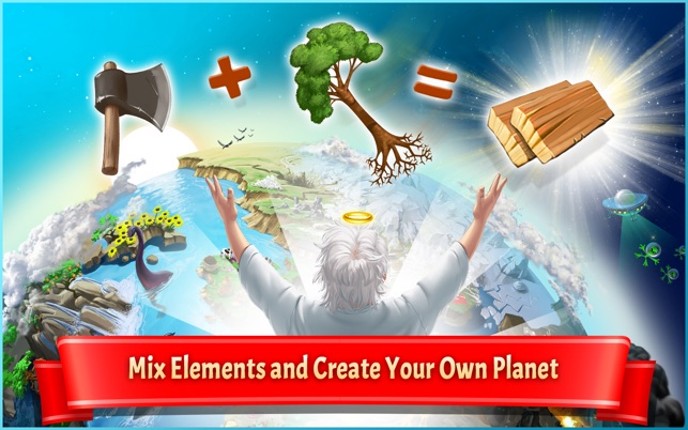
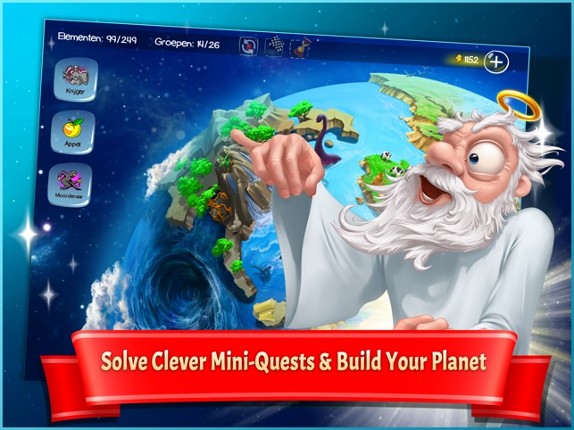
Doodle God is a port of a mobile game, and carries with it the same simplicity, microtransactions, and limited but continuous fun that many games of the platform boast to the PC. The game presents the most streamlined and deep version of a combo finding puzzle game to date, and overcomes some drawbacks to be a solid and playable title.
Doodle God Game Cover
66%Game Brain Score
gameplay, story
monetization, music
69% User Score Based on 698 reviews
Critic Score 56%Based on 2 reviews

Platforms

Playstation 3AndroidPlaystation 4XboxiPhoneWindowsPlayStationPlaystation VitaLinuxXbox Series X|SPCTabletWeb BrowserMac OSPhoneXbox OneiPadMobile Platform
Doodle God Game Cover

About

Doodle God is a single player open world simulation game with kids and violence themes. It was developed by JoyBits Ltd. and was released on September 24, 2015. It received neutral reviews from critics and mostly positive reviews from players.

This DLC contains The Rise of Egypt quest.Your goal is to create items from Egyptian civilization

Skip User Reviews

69%
Audience ScoreBased on 698 reviews
gameplay9 positive mentions
monetization10 negative mentions

  • Nostalgic and charming classic element-combining puzzle game with simple yet addictive mechanics.
  • Enjoyable for casual and relaxed play, with creative experimentation and a wide variety of combinations and game modes.
  • Fun for puzzle enthusiasts and long-time fans, featuring appealing art, humor, and a satisfying sense of progression.
  • Ported mobile game with clunky UI, poor PC optimization, and frequent crashes, especially in puzzle and challenge modes.
  • Many element combinations lack logical consistency, leading to tedious trial-and-error and reliance on hints or guides.
  • Microtransactions for hints and other features are present despite purchase; some achievements are frustrating and tracking incomplete.
  • gameplay
    78 mentions Positive Neutral Negative

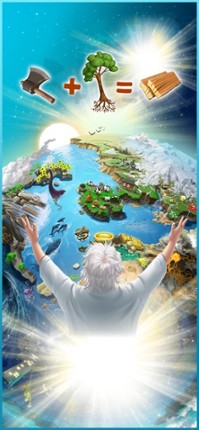
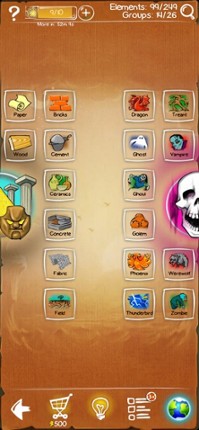
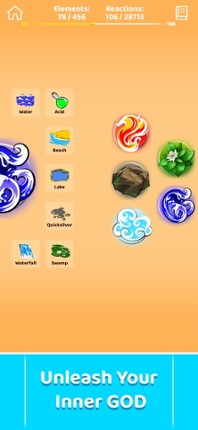
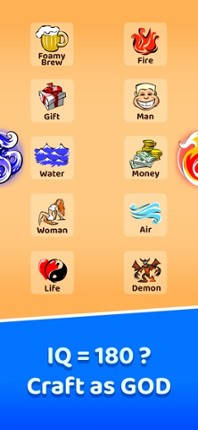
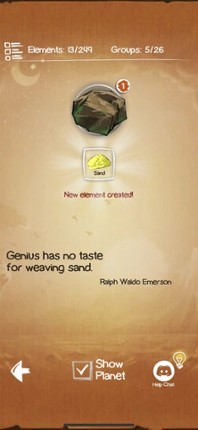
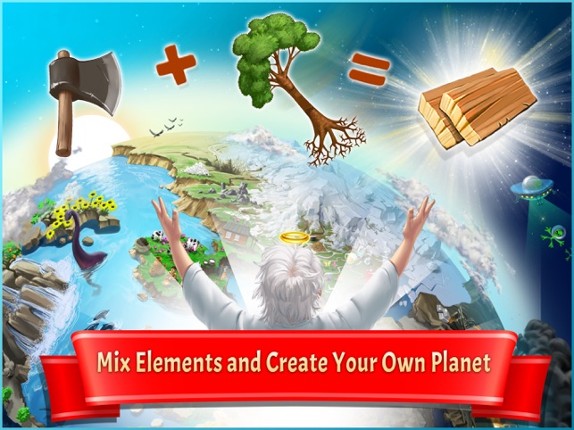
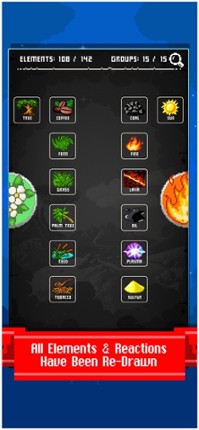
    The gameplay of Doodle God centers on combining elements to create new ones, offering a simple yet initially satisfying puzzle experience. While its creative concept and low-pressure mechanics appeal to casual players, many find the gameplay repetitive, slow-paced, and occasionally hindered by unintuitive UI and arbitrary combinations, which can make it tedious over time. Overall, it serves as a light, accessible time-waster but lacks depth and polish to sustain long-term engagement.

    • “Simple yet addictive mechanics, endless combinations, and creative discoveries make it a joy for everyone.”
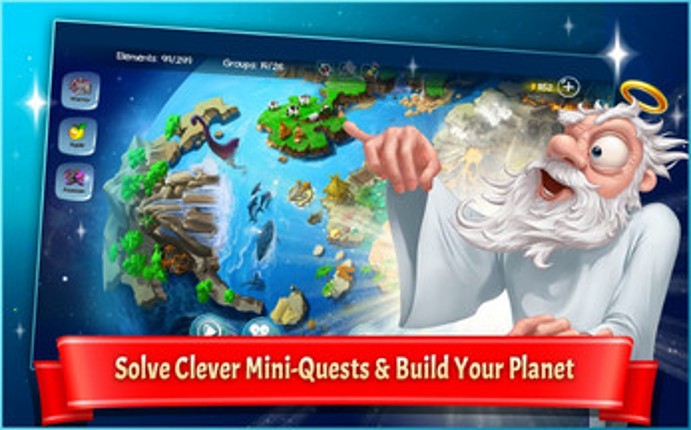
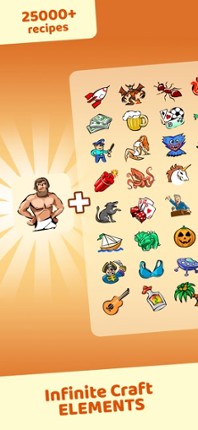
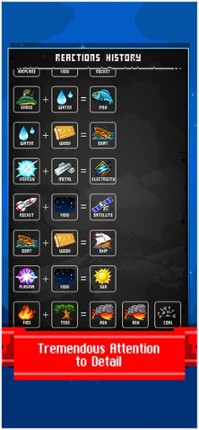
    • “The core gameplay revolves around combining these elements to form new substances, leading to increasingly complex creations ranging from simple organic matter to intricate technological artifacts. This keeps the gameplay fresh and engaging, sparking curiosity about the next combination. Additionally, the game includes several modes and quests that add layers of objectives and challenges, keeping the gameplay varied.”
    • “Without microtransactions to hinder it, the main mode is quite fun to play and watch as your onscreen world develops, but the quest mode is even more interesting, bringing an entirely new perspective to the game while still using the same core mechanics.”
    • “While Doodle God has an interesting concept, its slow pace, cumbersome UI, and frustrating mechanics make it a chore to play.”
    • “The combinations of elements are often unintelligible, leaving the core gameplay more of a guessing game than an exercise in intelligent puzzle-solving.”
    • “Its rudimentary gameplay is hindered by unintuitive controller support, leaving what remains a game frustrating to play with frustratingly little to get from it.”
  • story
    72 mentions Positive Neutral Negative

    The game features no traditional overarching story, focusing instead on element creation with minimal narrative motivation, positioning itself more as a conceptual toy. However, various quests and mini-storylines provide themed objectives that add some sense of purpose and variety, though these are often seen as repetitive or limited in depth. Overall, the story elements serve more as a backdrop to gameplay rather than a driving narrative.

    • “The quests, when done right, will tell a neat little story, such as saving a princess or getting stranded on an island and getting rescued (if you play that one right).”
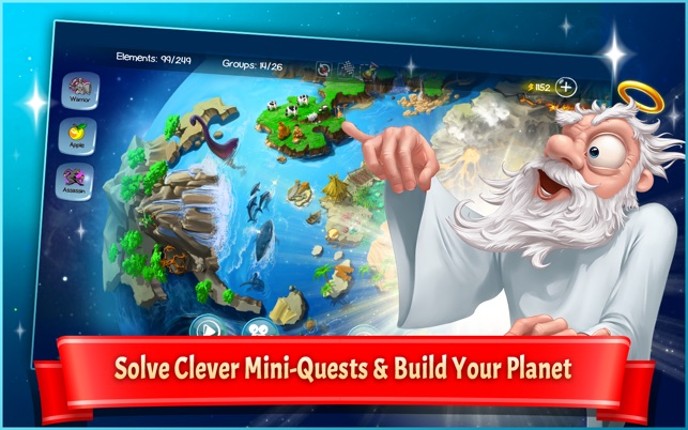
    • “Aside from the main game, there are various puzzles to figure out a specific element's creation; and quests concerning a tale or an objective - like surviving a deserted island or rescuing the princess from the dragon through our element combination powers.”
    • “+ Main story is entertaining as you experience the beginning of the world, with just elements and create stuff as you evolve into the nowadays technology.”
    • “There is no overarching plot, no progression beyond unlocking more elements, and no story-based motivation to push you forward.”
    • “Man, I don’t think this game has a particular “storyline” to follow.”
    • “The gameplay loop is exactly the same - pick a random thing, rub it against another random thing, hope the developers concocted some story as to how they fit together, and then rinse and repeat.”
  • monetization
    44 mentions Positive Neutral Negative

    The monetization of this paid PC game, a port from mobile, is widely criticized for including microtransactions—particularly for hints and energy systems—that many players find unnecessary, annoying, and inappropriate given its full purchase price. While some appreciate that microtransactions are not mandatory and the developers have removed certain restrictions and ads, the presence of paid features in a non-free game leaves a negative impression and is seen as a cash grab exploiting nostalgia.

    • “Well, I am happy to declare that JoyBits heard their fans' voice and removed both the energy system and all microtransactions.”
    • “Without microtransactions to hinder it, the main mode is quite fun to play and watch as your onscreen world develops, but the quest mode is even more interesting, bringing an entirely new perspective to the game while still using the same core mechanics.”
    • “There are no microtransactions that give you an advantage!!!!!”
    • “At such a high price, though, everything becomes clear: this is just a nostalgia-fueled cash grab.”
    • “The developers disgustingly put in microtransactions, asking players to pay for important functions which should be free from the get-go, and in turn stopped Doodle God from being the good game that it should be.”
    • “It's a nice game, terrible practices when it comes to microtransactions. At the very least, I'm glad people are not withstanding this kind of behaviour from any developer. They're still present and are certainly annoying, the only reason why I'm recommending the game is because I think the price is fair for what the game has to offer, but it's still a pain to have more prices inside a game that cost you money.”
  • graphics
    36 mentions Positive Neutral Negative

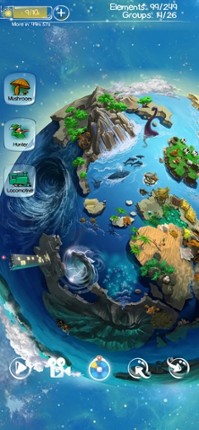
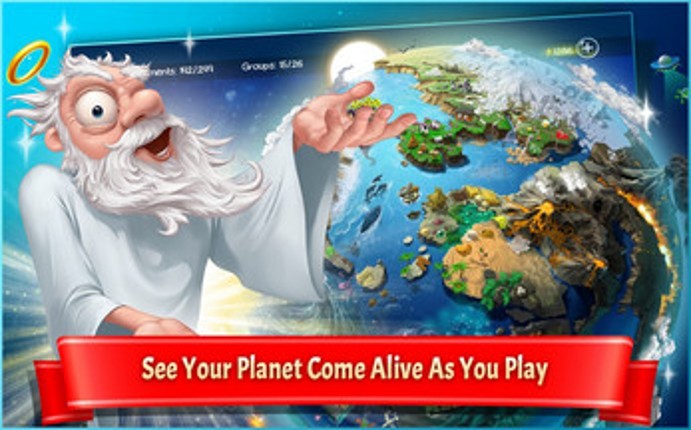
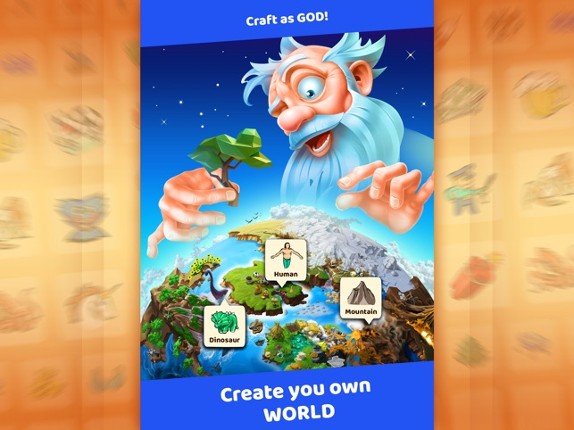
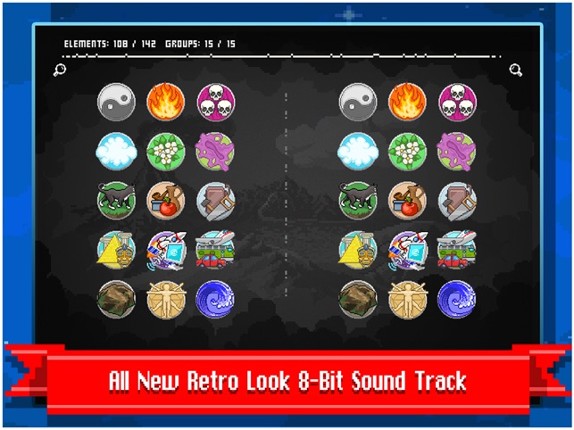
    Doodle God features a colorful, minimalist, and doodle-like art style that is visually appealing and accessible, with graphics that evolve as you create elements and build the world. While some find the visuals charming and well-executed for a puzzle game, a few note limitations such as pixelation in fullscreen and simplistic graphical options. Overall, the graphics support a relaxed, creative gameplay experience and have been improved in the Steam release.

    • “The game is characterized by its minimalist graphics and intuitive interface, which make it easy to play but challenging to master.”
    • “The doodle-like graphics create a relaxed and casual atmosphere, allowing players to focus on the puzzle-solving aspect of the game.”
    • “The artwork for each element icon is quite striking, and the background music is very relaxing.”
    • “The graphics: very few options to change graphics, and if I play fullscreen, the game is all pixelated and weird.”
    • “Doodle God was originally a mobile game and it really shows; the graphics are minimalistic but not ugly to look at.”
    • “You're paying $15 for the cartoony graphics.”
  • music
    23 mentions Positive Neutral Negative

    The game's music is generally described as calming and relaxing, enhancing the overall atmosphere with a soothing, meditative quality. However, many users find the lack of volume control frustrating, as the music can become repetitive or annoying over time. Despite decent soundtracks and good narration, the inability to fine-tune audio levels is considered a notable drawback.

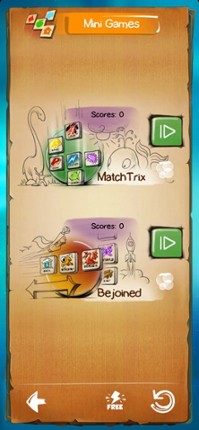
    • “Fun element matching game with a calming soundtrack and multiple mini-game side modes themed around different scenarios.”
    • “This is a very fun and challenging brain teaser with a very calming (almost meditation style) soundtrack as a nice bonus, a very fun concept and art style.”
    • “The artwork for each element icon is quite striking, and the background music is very relaxing.”
    • “Music is decent but will probably get annoying after a while.”
    • “You can't control the volume of sound/voice/music; only toggle them, which is a major thumbs down.”
    • “A very major flaw is that the sound and music can't be reduced in volume.”
  • humor
    21 mentions Positive Neutral Negative

    The game’s humor is characterized by clever and sometimes surprising combinations that often lead to funny outcomes and witty quotes, adding charm and accessibility. While many players find it amusing and enjoyable, the humor can be hit-or-miss depending on individual taste and some weird combinations may feel less funny to some. Overall, the humor contributes positively to the fun, especially in the early stages and discovery moments.

    • “The joy comes from unexpected discoveries — a surprising outcome that reveals a humorous or clever twist in the logic.”
    • “Most of them show funny quotes and proverbs when created to add more flavor, and the intro scenes for each chapter are usually funny.”
    • “I found myself surprised by how the game allowed me to sometimes combine weird elements and provided me with pleasant, often humorous results.”
  • grinding
    20 mentions Positive Neutral Negative

    Grinding in the game is widely described as tedious and frustrating, especially when aiming for 100% achievements due to poor UI, lack of guidance, and repetitive remaking of combinations. While initial experimentation is enjoyable, the increasing number of elements and trial-and-error mechanics lead to monotony and boredom, detracting from the overall fun.

    • “Once you delve into trying to 100% the achievements, it gets less fun and more tedious due to the poor UI and tracking.”
    • “The achievements felt more of a pain than fun, given you have to remake already made combinations to gain 100%, which was unnecessarily tedious.”
    • “It's fun at the start where you only have a few elements to combine and experiment, but as the game progresses it gets very tedious due to the over-abundance of elements and the recipes become nonsensical.”
  • stability
    9 mentions Positive Neutral Negative

    The game suffers from significant stability issues, including frequent crashes, buggy animations, and problematic achievements. Users report persistent bugs that detract from the experience, making it frustrating despite its nostalgic appeal.

    • “The world animation is really buggy (sometimes it all turns blue when it tries to zoom in on the globe). The animation happens each time you make a new element and you can't toggle it off. There's also no option to toggle off the voice that says 'I'll keep my eye on you' when you make something new.”
    • “What used to be a cool free online game is now a buggy, crashy, low-quality mess.”
    • “The unfortunate part is that this game is very buggy, and has crashed on me more times than I can count, in the less than 45 minutes that I've tried to play it.”
  • replayability
    7 mentions Positive Neutral Negative

    Replayability for the game is mixed, with some players finding it limited due to simple mechanics and a finite number of combinations, while others appreciate additional modes, challenges, and the need for creative thinking that extend playtime. Overall, replay value may vary depending on the player's engagement with extra content and experimentation.

    • “This is a very fun and challenging brain teaser with a very calming (almost meditation style) soundtrack as a nice bonus, a very fun concept and art style, and it is quite difficult and replayable. Some elements can take a while to find and require deep thinking and innovation. There are focused episodes, challenges, and artifacts (such as virtues vs sins, escaping an island) and creating a plethora of Christmas presents for a multitude of characters. It's a nice challenge where not every combination makes something new, encouraging experimentation with different combinations and categories.”
    • “Play time and replayability is pretty huge.”
    • “Some of the combinations are not fully 'logical' and there are some replayability issues (when you do all the combinations—which isn't so time consuming—why play the game again?), but fortunately, there is also a 'tournament' mode and a few other game modes to try for additional fun.”
    • “No replayability, simple mechanics, works better as a free mobile/flash game.”
    • “Some of the combinations are not fully logical and there are replayability issues; once you complete all combinations— which isn't time-consuming—there is little reason to play again. Fortunately, there is a tournament mode and a few other game modes for additional fun.”
    • “The replay value for the game is low.”
  • optimization
    3 mentions Positive Neutral Negative

    The game suffers from poor optimization, resulting in low resolution and laggy, unresponsive mouse controls, negatively impacting overall performance despite some good aspects.

    • “Poor optimization.”
    • “It's low resolution, poorly optimized, and even using a mouse is janky and laggy.”
  • atmosphere
    2 mentions Positive Neutral Negative

    The game's doodle-like graphics and calming musical soundtrack combine to create a relaxed and peaceful atmosphere that enhances the focus on puzzle-solving.

    • “The doodle-like graphics create a relaxed and casual atmosphere, allowing players to focus on the puzzle-solving aspect of the game.”
    • “I love this musical piece and would like to hear other equally peaceful and atmosphere-generating music.”
Skip Critic Reviews
Skip Game Offers

Buy Doodle God

2h Median play time
2h Average play time
4h Main story
8h Completionist
2-2h Spent by most gamers
*Based on 1 analyzed playthroughs
Skip Videos

Videos

Skip Games Like Doodle God
Skip FAQs

Frequently Asked Questions

Doodle God is a open world simulation game with kids and violence themes.

Doodle God is available on PlayStation 4, iPhone, Windows, Xbox Series X|S and others.

The main story can be completed in around 4 hours, while the entire game is estimated to take about 8 hours to finish. On average players spend around 2 hours playing Doodle God.

Doodle God was released on September 24, 2015.

Doodle God was developed by JoyBits Ltd..

Doodle God has received neutral reviews from players and neutral reviews from critics. Most players liked this game for its gameplay but disliked it for its monetization.

Doodle God is a single player game.

Similar games include Doodle God Blitz, Alchemy Merge — Puzzle Game, Bridge Constructor, Doodle Kingdom, The Tiny Bang Story and others.