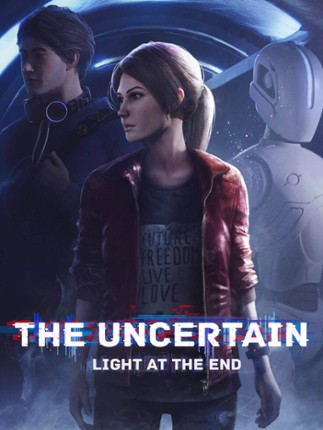
The Uncertain: Light At The End

It may be old-fashioned in its design, but The Uncertain: Light at the End has enough charm to see you through its five-or-so hour adventure.
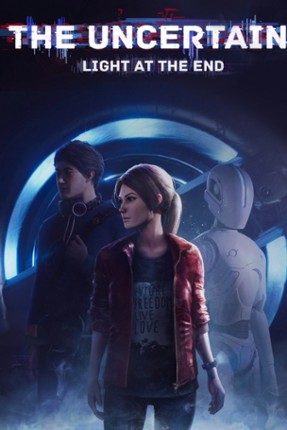
The Uncertain: Light At The End Game Cover
53%Game Brain Score
story, gameplay
stability, optimization
60% User Score Based on 724 reviews
Critic Score 45%Based on 9 reviews

Platforms

PCWindows
The Uncertain: Light At The End Game Cover

About

The Uncertain: Light At The End is a single player simulation game with a science fiction theme. It was developed by ComonGames and was released on October 7, 2020. It received neutral reviews from both critics and players.

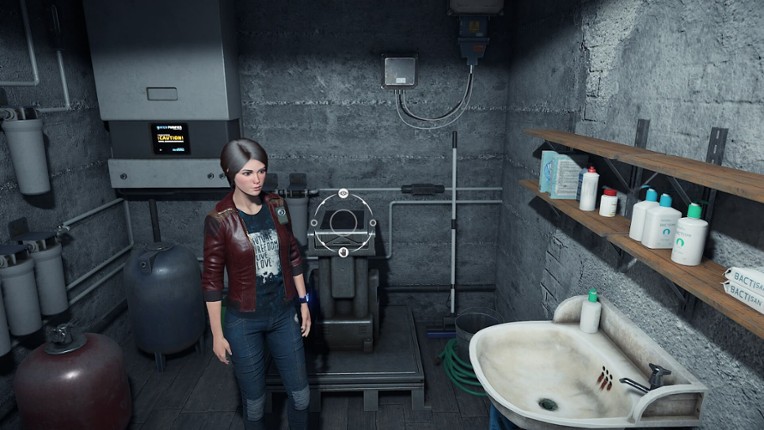
In "The Uncertain: Light At The End," players navigate a world where humans are believed to be extinct and androids are the dominant beings. As the android RT-217NP, also known as Emily, players must make choices that will affect Emily's fate and the future of the android society. The game is a point-and-click adventure with a focus on exploration, puzzles, and narrative choices. It is the second episode in "The Uncertain" series, following the events of the first game, "The Last Quiet City."

Skip User Reviews

60%
Audience ScoreBased on 724 reviews
story244 positive mentions
stability109 negative mentions

  • The game features an interesting story and atmosphere that engages players throughout the experience.
  • Puzzles are varied and can be skipped, allowing players to focus on the narrative if they choose.
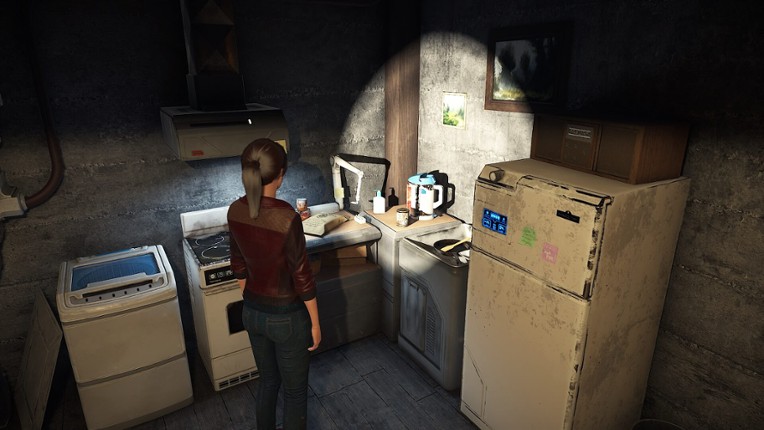
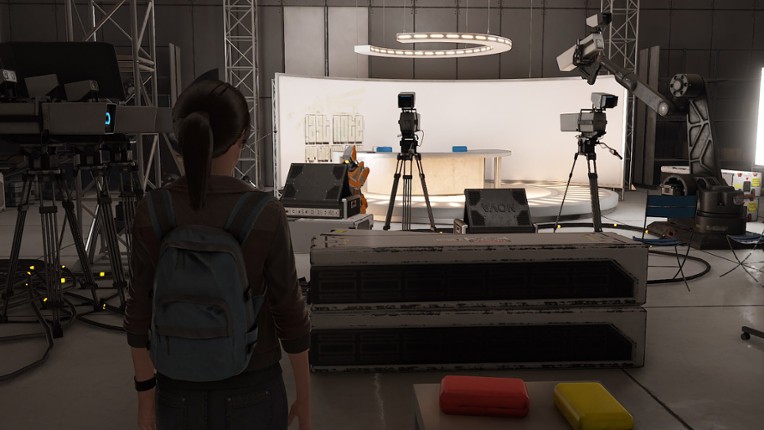
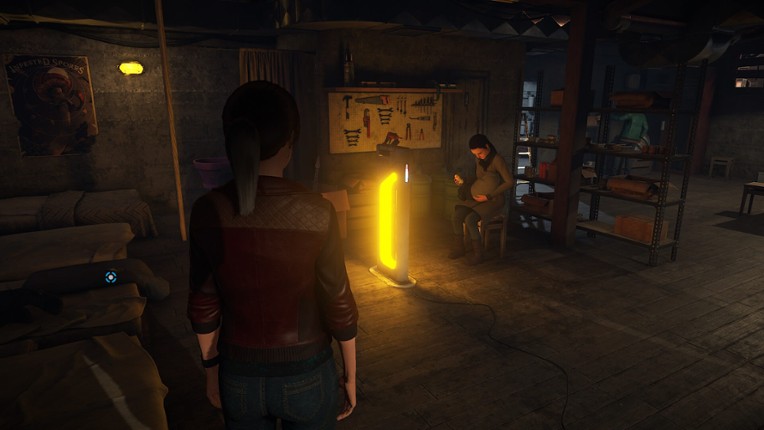
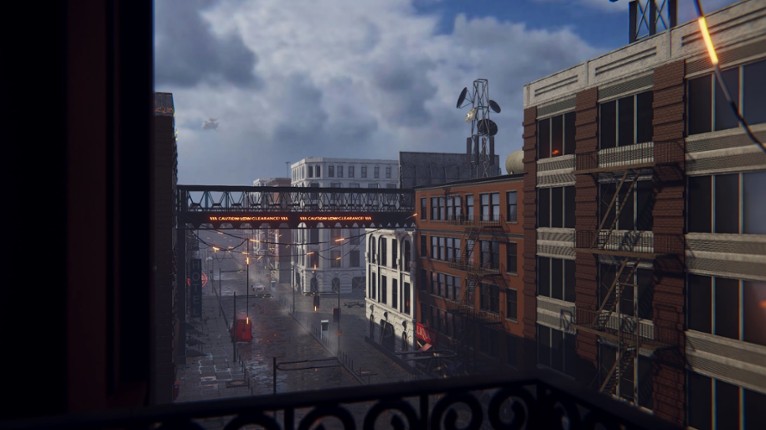
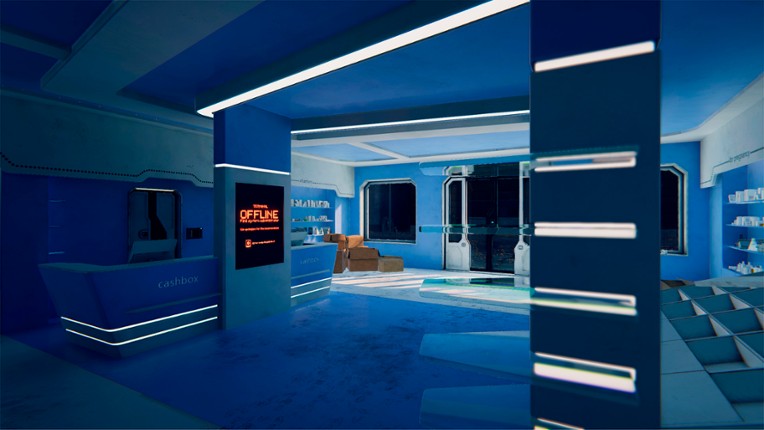
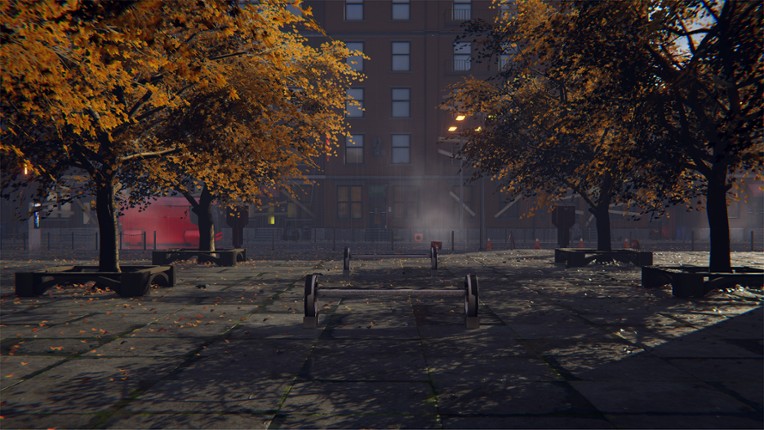
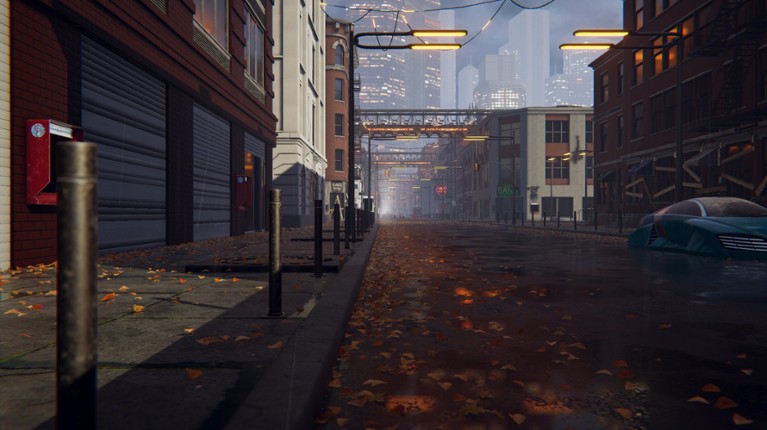
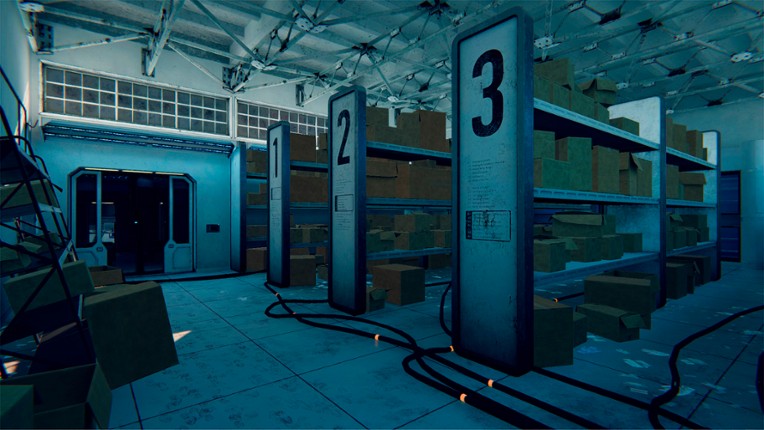
  • The graphics and world design are generally well done, creating an immersive environment.
  • The game is plagued with bugs, including missing audio lines, poor lip syncing, and character animations that feel stiff and lifeless.
  • The pacing is slow, with long cutscenes and dialogues that cannot be skipped, which can detract from the overall experience.
  • The ending feels abrupt and unsatisfying, leaving players with unresolved plot points and a lack of closure.
  • story
    764 mentions Positive Neutral Negative

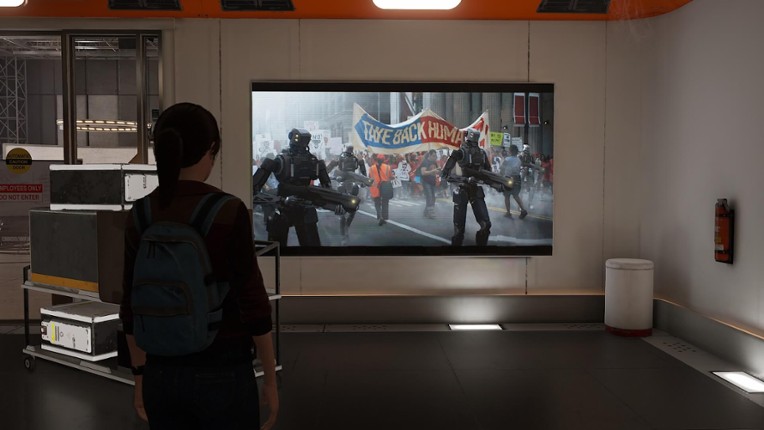
    The story of "The Uncertain: Light at the End" is a continuation of the narrative from its predecessor, focusing on a group of human survivors in a post-apocalyptic world dominated by robots. While some players found the premise intriguing and appreciated the atmospheric world-building, many criticized the execution, citing a lack of character development, abrupt endings, and unresolved plot threads. Overall, the story has potential but is hampered by pacing issues, technical bugs, and a feeling of incompleteness, leaving players wanting more depth and resolution.

    • “This had me engaged for the full story.”
    • “A unique story that I think has the potential to be fascinating.”
    • “I enjoyed the story and seeing where it led and am looking forward to seeing the next (and final?) chapter.”
    • “While I expected awkward control and animation, the story and characters bore me so much.”
    • “As a result, the story isn't really all that convincing and the characters range from annoying to bearable, but they all have one-tone personalities that obviously do not get any time to develop in a game that is only four hours long.”
    • “It's such a short game, and the story feels like they just stopped developing the game in the middle of the story and just decided to release it.”
  • gameplay
    225 mentions Positive Neutral Negative

    The gameplay is primarily focused on object-finding and solving simple puzzles, often criticized for its slow pace and lack of engaging mechanics, such as running or jumping. While some players appreciate the narrative-driven elements and character interactions, many express frustration over bugs, clunky animations, and a general sense of blandness throughout the experience. Overall, the gameplay is seen as basic and in need of significant improvement to enhance player engagement and enjoyment.

    • “Overall, I will give it a thumbs up because the gameplay part itself is mostly inoffensive and it stands as a good introduction to a universe that never really evolved in the way it should've.”
    • “The gameplay is more story/dialogue driven, and the voice acting is believable.”
    • “Fortunately, the gameplay/environmental interactions/puzzles/story progression were interesting enough to keep my attention.”
    • “There is very little gameplay in the game; it essentially consists of searching for objects and solving puzzles.”
    • “Pretty much everything about it feels bland: story, graphics, soundtrack, gameplay... speaking of which, you basically run around (at a painfully low speed) and solve puzzles.”
    • “After the long waiting, I'm very disappointed; as much as I loved the first episode, I hate this one: the gameplay is boring, every item is just right at hand, no challenging tasks or exploration, just very simple acts (grab and use things immediately).”
  • graphics
    209 mentions Positive Neutral Negative

    The graphics of the game receive mixed reviews, with many players noting that while the environments and overall visual design can be appealing, character animations and facial expressions often appear stiff and lifeless. Technical issues, such as glitches and poor lip-syncing, detract from the experience, leading to a perception that the graphics, though decent, do not meet modern standards. Overall, while some aspects of the graphics are praised, particularly in terms of atmosphere and detail, many players feel that significant improvements are needed, especially in character animation and consistency.

    • “The graphics are nice, but visual appeal and atmosphere are almost non-existent.”
    • “I really wanted to recommend these games because they have a good story and beautiful graphics.”
    • “The graphics and gameplay are really improved in this opus, the story still holds you until its end.”
    • “It's a half-baked game that is boring; the animations look stiff and the facial animations look lifeless. The graphics are nice, but the game runs like garbage and the story just wasn't interesting enough to hook me. I just can't recommend it.”
    • “The graphics are serviceable, with environments even looking somewhat decent (kudos to the artists), but by god, the humans look like lifeless puppets animated by shoestrings and copper pipes.”
    • “One of my biggest issues with this game is the fact that the graphics have somehow gotten worse than the first game.”
  • stability
    111 mentions Positive Neutral Negative

    The game is plagued by numerous bugs and glitches, significantly impacting the overall experience. Players report issues such as animation errors, audio problems, and disappearing NPCs, leading to a frustrating gameplay experience. While some users noted improvements in stability compared to previous chapters, the consensus remains that the game is still a "buggy mess" that detracts from its potential enjoyment.

    • “I liked the story, the graphics are great, and it runs smoothly on my system.”
    • “I encountered multiple graphical glitches, NPCs disappearing but the interaction prompt was still there, audio being played at max volume during most of the cutscenes even though it was set to a lower value in-game. In my second and third playthrough (for achievements), the credits did not play for me and even though I followed two different guides in both of my playthroughs, three achievements did not unlock.”
    • “Bugs and technical glitches run abound from start to finish and while I have yet to encounter anything game-breaking, the immersion is long gone before it even has a chance to establish itself.”
    • “When you finish the game, it just freezes on a blank screen--no credits, no menu, nothing but a blank screen?!?”
  • music
    56 mentions Positive Neutral Negative

    The music in the game receives mixed reviews, with some praising the unique and atmospheric soundtrack that enhances the desolate environment, while others find it forgettable and lacking in variety. Although the soundtrack is noted as a high point, issues such as muted cutscenes and inconsistent audio during key moments detract from the overall experience. Overall, while the music has its strengths, many players feel it falls short compared to the previous installment.

    • “The soundtrack is once again a high point of development, with a strong post-apocalyptic theme, which if you played the first episode, should be quickly familiar with.”
    • “The music and atmospherics are top notch.”
    • “The soundtrack is wonderful.”
    • “Pretty much everything about it feels bland: story, graphics, soundtrack, gameplay... speaking of which, you basically run around (at a painfully low speed) and solve puzzles.”
    • “It's fun to play if you want something easy, but the characters are expressionless, some dialogue is missing, there's no music that differentiates scenes and no sound effects. Overall, I finished this in 3 hours and I remembered the first one being much better.”
    • “The game has a small catalogue of features, but the music has been mostly forgettable and I don’t consider that feature fulfilled.”
  • atmosphere
    53 mentions Positive Neutral Negative

    The game's atmosphere is widely praised for its immersive and tense environment, enhanced by a well-crafted soundtrack and thoughtful narrative elements. While many players appreciate the desolate settings and character designs that evoke a strong sense of place, some note that clunky animations and inconsistent visual appeal can detract from the overall experience. Overall, the atmosphere is considered a significant strength, contributing to the game's engaging storytelling and emotional depth.

    • “The music and atmospherics are top notch.”
    • “I mostly like the atmosphere of robot apocalypse, and this game portrays it very well.”
    • “Your choices do matter at varying points allowing for characters to survive (or not) and the immersive atmosphere does make you feel you are a part of the crew.”
    • “Moving through the levels can be painfully slow with clunky animations weighing down the tense atmosphere.”
    • “This ends up being a major setback for the game atmosphere and realism as a whole, in stark contrast with the otherwise well done environments and setting.”
    • “Its plot expressed a mysterious atmosphere about humans, as tacit things are mentioned and considered at all times.”
  • optimization
    32 mentions Positive Neutral Negative

    The optimization of the game has received largely negative feedback, with many users reporting poor performance and significant issues, particularly on Windows PCs. While some players have managed to achieve playable frame rates, they still experience dips and rare bugs, indicating that the game is not well optimized overall. Overall, the consensus is that optimization is a critical area needing improvement.

    • “I would like to highlight optimization as a separate item.”
    • “The performance is on par as expected; with my RX 580 4GB model, I manage to reach 60fps on high settings, but with some dips to the 50s in some areas.”
    • “I feel that when it comes to 'The Uncertain: Light at the End', gameplay and optimization are connected.”
    • “But both suffer from very poor performance.”
    • “From what I read in the discussions, even with a PC on Windows, the performance is terrible.”
    • “- overall optimization rating: poor”
  • replayability
    18 mentions Positive Neutral Negative

    The game's replayability is enhanced by achievements and alternative choices that lead to different story outcomes, encouraging players to explore various paths. While some reviews indicate that the replay value may not be exceptional, the presence of secrets and multiple endings provides enough incentive for players to engage in multiple playthroughs. Overall, the replayability is considered a positive aspect, though opinions vary on its strength.

    • “Achievements add more replayability and encourage exploration of the entire game, prompting players to repeat it to discover what they can find.”
    • “There is replay value; I'll be playing a second time to see how some of the choices change the story.”
    • “While the replayability factor may not be outstanding, there are alternative choices that lead to different outcomes, providing some incentive for multiple playthroughs.”
    • “5/15 game time / replayability”
    • “✅ bad replayability.”
    • “Thanks to this system, the game's replayability increases, which is also a positive factor.”
  • grinding
    15 mentions Positive Neutral Negative

    Players generally find the grinding aspect of the game to be tedious and sometimes absurd, with many noting that it can feel excessively repetitive and frustrating. Bugs can exacerbate this issue, forcing players to repeat tedious tasks, leading to a sense of burnout. Overall, the grinding experience is seen as a significant drawback that detracts from the enjoyment of the game.

    • “It can be a bit grindy sometimes, but it's part of the experience.”
    • “Grinding can feel a bit excessive at times, but it adds depth to the gameplay.”
    • “You'll need a second life for grinding, but the rewards make it worthwhile.”
    • “Unfortunately, as far as puzzles are concerned, these are much more tedious, and in some cases completely absurd.”
    • “However, some bugs will cause you to repeat several tedious steps to get past.”
    • “Sadly, that narrative is frustratingly tedious, meaning the rest of the game’s building blocks fall apart without a strong base.”
  • emotional
    14 mentions Positive Neutral Negative

    The emotional aspect of the game has received mixed reviews, with some players noting a gradual improvement in voice acting and emotional depth compared to its predecessor, as it features human characters. However, many criticized the static expressions of the characters and their flat emotionality, making it difficult to connect with them, despite moments of heartfelt storytelling. Overall, while there are touching elements, the execution leaves much to be desired.

    • “Not nearly as good as the first game, but adds to the story and does contain more emotional depth, as this time you are playing as humans rather than robots.”
    • “The story is heart-touching and is able to allow you to feel what the characters feel.”
    • “The last quiet day was heartfelt and competent.”
  • humor
    12 mentions Positive Neutral Negative

    The humor in the game is described as subtle yet enjoyable, with standout moments from the main character, including amusing interactions and discrepancies between dialogue and subtitles. While some scenes are noted for their comedic value, particularly a hilariously awkward final scene, there are also instances of unintentional humor, such as the presence of duplicate character models in cutscenes. Overall, the humor adds a lighthearted touch to the game's narrative.

    • “I did like the main character; she had some funny moments, like when she pretends to walk off of a robot changing station.”
    • “What's funny is that the subtitles are different from what the characters are saying.”
    • “Humor is subtle but enjoyable.”
  • character development
    12 mentions Positive Neutral Negative

    Character development in the game received mixed reviews, with some players noting it as very good and improved compared to previous installments, while others criticized it for being insufficient due to the game's short length. Overall, many felt that the character development needed more depth and that the game would benefit from a longer narrative to fully explore its characters. Additionally, there were mentions of average graphics and poor character design impacting the overall experience.

    • “The character development was a bit better here, the graphics were much nicer, and overall it seemed like a much more refined episode.”
    • “Character development is very good.”
    • “Character development needed work and the game desperately needed to be longer.”
    • “On the other hand, the game is too short to deliver any character development.”
    • “Poor character design.”
  • monetization
    4 mentions Positive Neutral Negative

    The monetization strategy of the game is perceived as a cash grab, primarily designed to retain player engagement until the final chapters are released. Players feel that the focus on in-game artifacts and interactions may be a tactic to justify ongoing costs rather than enhancing the overall experience.

    • “From what I can tell, this just looks like a cash grab and a way to hold people's attention until the final chapter or final few chapters are finished.”
Skip Critic Reviews
Skip Game Offers

Buy The Uncertain: Light At The End

6h Median play time
6h Average play time
4-6h Spent by most gamers
*Based on 12 analyzed playthroughs
Skip Videos

Videos

Skip Games Like The Uncertain: Light At The End

Games Like The Uncertain: Light At The End

The Uncertain: Last Quiet Day Image
Deliver Us Mars Image
State of Mind Image
The Descendant Image
Blacksad: Under the Skin Image
Skip FAQs

Frequently Asked Questions

The Uncertain: Light At The End is a simulation game with science fiction theme.

The Uncertain: Light At The End is available on PC and Windows.

On average players spend around 6 hours playing The Uncertain: Light At The End.

The Uncertain: Light At The End was released on October 7, 2020.

The Uncertain: Light At The End was developed by ComonGames.

The Uncertain: Light At The End has received neutral reviews from both players and critics. Most players liked this game for its story but disliked it for its stability.

The Uncertain: Light At The End is a single player game.

Similar games include The Uncertain: Last Quiet Day, Deliver Us Mars, State of Mind, The Descendant, Blacksad: Under the Skin and others.