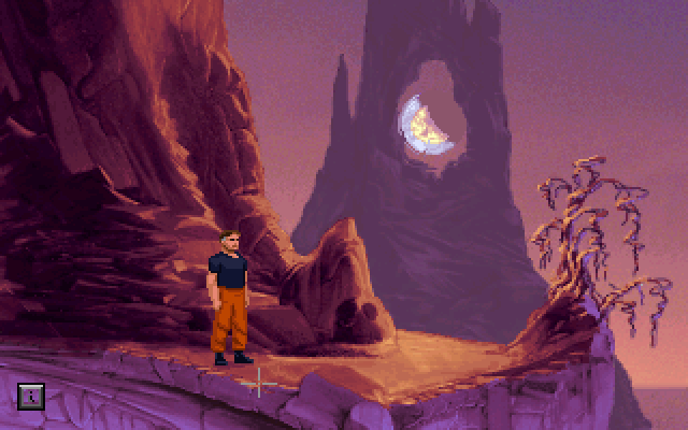
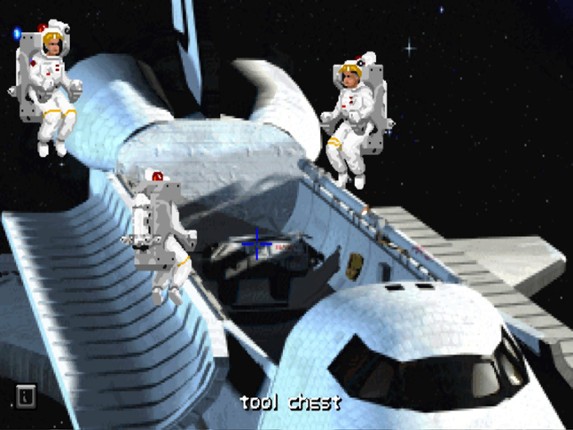
The Dig Game Cover

About

The Dig is a single player arcade puzzle game with a science fiction theme. It was developed by LucasArts and was released on July 8, 2009. It received neutral reviews from critics and very positive reviews from players.

In the dead of space, something is alive. A deep space adventure by Sean Clark in collaboration with filmmaker Steven Spielberg. You've saved the Earth from Total Destruction. Now, Can you save yourself? An asteroid the size of a small moon is on a crash course toward Earth, and only NASA veteran Boston Low has the expertise to stop it. Along for the ride are award-winning journalist Maggie Rob…
Skip User Reviews

92%
Audience ScoreBased on 825 reviews
story237 positive mentions
grinding12 negative mentions

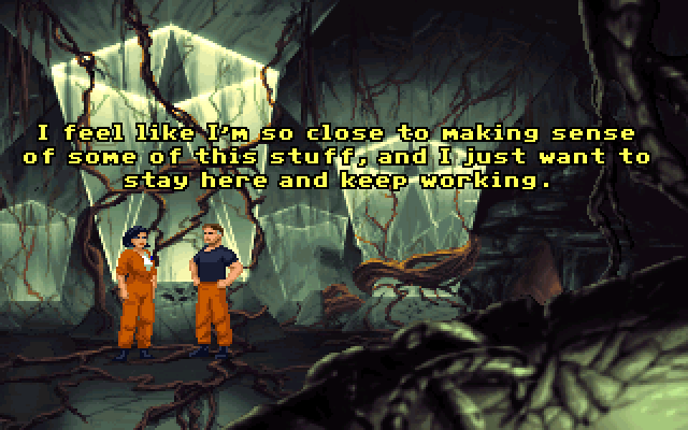
  • Engaging and mature sci-fi story originally created by Steven Spielberg with well-written dialogue by Orson Scott Card.
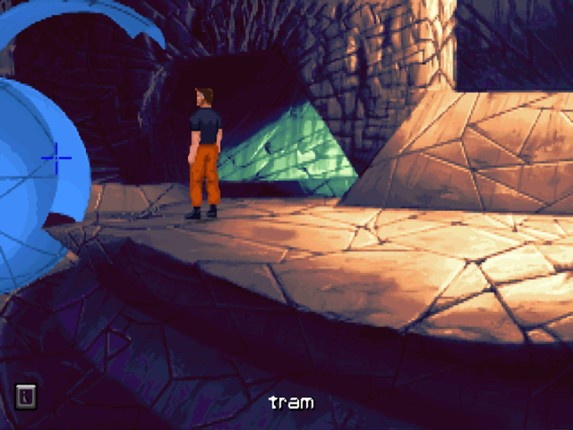
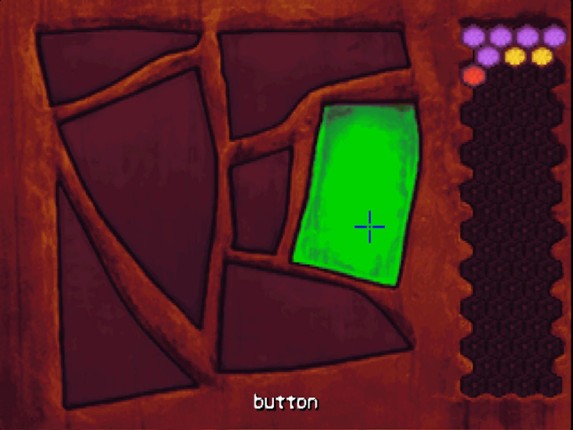
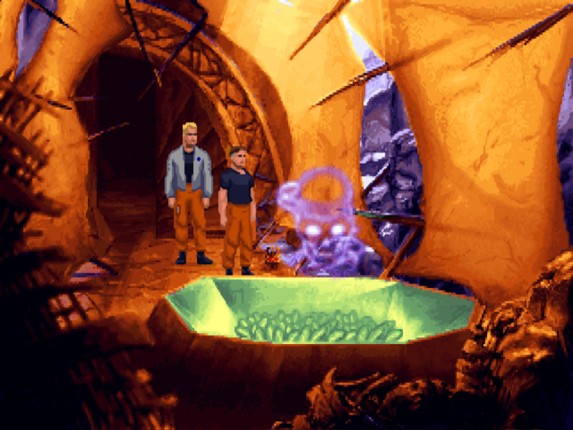
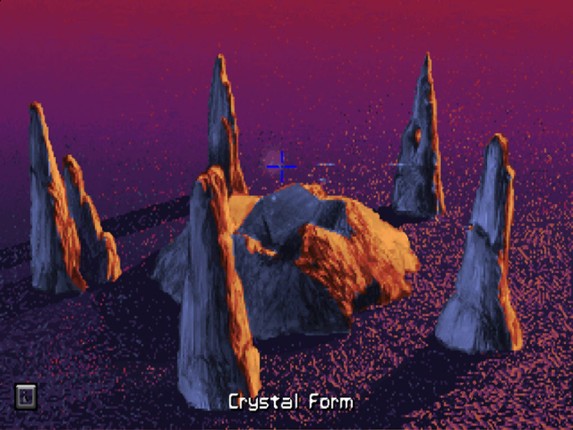
  • Atmospheric and immersive alien world with beautiful pixel art backgrounds and an impressive orchestral soundtrack.
  • Challenging puzzles that reward exploration and logical reasoning, supported by excellent voice acting (notably Robert Patrick).
  • Some puzzles are notoriously difficult and obscure, often requiring trial and error or the use of walkthroughs.
  • Gameplay can be slowed by tedious backtracking, pixel hunting, and clunky controls with slow character movement.
  • The game lacks modern quality of life features such as autosave, intuitive menus, and fullscreen support without workarounds.
  • story
    430 mentions Positive Neutral Negative

    The story of "The Dig," developed by LucasArts and inspired by Steven Spielberg, is widely praised as a compelling, cinematic sci-fi narrative that stands out for its depth, atmosphere, and emotional weight. Many reviewers highlight its intriguing plot of space exploration and discovery, strong character development, and captivating dialogue by Orson Scott Card, often describing it as one of the best story-driven adventure games from the 90s. While some find the puzzles frustrating or the pacing uneven, the story’s originality, immersive setting, and mature tone continue to engage players and remain its defining and most memorable strength.

    • “Originally inspired by a story concept from Steven Spielberg, the game embraces a cinematic scope and emotional weight that were unusual for the genre at the time.”
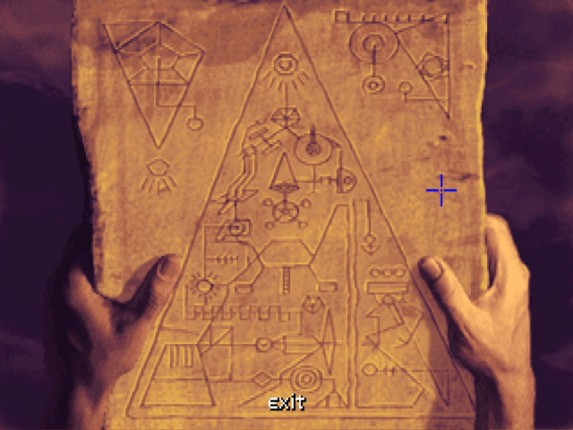
    • “Featuring a stellar soundtrack, gorgeous scenery, top-notch dialogue written by Orson Scott Card, a compelling story and (most importantly) clever, original and satisfying puzzles based around the concept of attempting to understand and use the alien artifacts, The Dig is not one to miss for any fan of adventure games or hard sci-fi.”
    • “The story is just amazing and unravels in carefully crafted layers that will make you want to keep pressing on to see what happens next.”
    • “Illogical puzzles, next to invisible items, lots and lots of tedious wandering, all wrapped together in an abysmal story.”
    • “The quality drops quickly: the story becomes a mess, puzzles are forced and often illogical, and the ending... my god.”
    • “The story is ok until the final act, where it all goes down the drain, and the ending is simply catastrophic.”
  • music
    161 mentions Positive Neutral Negative

    The music in the game is widely praised for its atmospheric, haunting, and immersive qualities, often described as remarkable, beautiful, and integral to the sci-fi mood and storytelling. Composed by Michael Land, the soundtrack enhances the sense of mystery and wonder, with many reviewers highlighting it as a standout feature that elevates the overall experience despite the dated graphics. The blend of orchestral and ambient elements complements the narrative and setting, making the music a timeless and cherished aspect of the game.

    • “The painted backgrounds of a world in permanent magic-hour are utterly gorgeous, and the soundtrack creates a powerful sense of isolation, wonder and mystery—a somber atmosphere that's not too different from Shadow of the Colossus.”
    • “Hours of fun gameplay and a magical musical score that is one of the best I've heard in a game.”
    • “Featuring a stellar soundtrack, gorgeous scenery, top-notch dialogue written by Orson Scott Card, a compelling story and (most importantly) clever, original and satisfying puzzles that are based around the concept of attempting to understand and use the alien artifacts that the characters are presented with, The Dig is not one to miss for any fan of adventure games or hard sci-fi.”
    • “It's boring, uninteresting, empty, bad voice acting, really bad art, and annoying music.”
    • “It's the exceedingly boring dialogue, pointless verbal descriptions/observations, forgettable music, and slow movement that forces me to give this game 4/10 at the absolute most.”
    • “Very atmospheric, could be more immersive if updated graphics were used and voice along with music were kept in.”
  • graphics
    157 mentions Positive Neutral Negative

    The graphics of the game are praised for their beautiful, hand-drawn pixel art and atmospheric, alien world design that evoke strong 90s nostalgia. While dated by modern standards and sometimes causing pixel hunting issues, the visuals remain charming and effectively support the immersive sci-fi setting. Overall, the artwork is considered a standout feature that has aged reasonably well, with many hoping for a remastered version to enhance its appeal.

    • “Otherwise, absolutely gorgeous artwork and animations that ooze with nostalgia for the hand-drawn animation media of the time while also calling to something truly alien and bizarre.”
    • “The graphics for its weird alien backgrounds are gorgeous, the sound design is just absolutely at the top of its game with roaring waves, howling winds, deep resonance within space and the most oddest of creatures wallowing and shrieking from all around you.”
    • “The graphical detail in this game is phenomenal for 1995.”
    • “It starts in windowed mode and requires workarounds to get it fullscreen, and the graphics are mangled by the denoiser they apply to everything.”
    • “Similar can be said for the backgrounds of the various scenes of the game, it can be difficult to make out interactable objects and items to pick up, often leading you to pixel hunt for something you overlooked in the blurry jagged graphics.”
    • “The game opened in a very small window with bad graphics even at that resolution.”
  • atmosphere
    67 mentions Positive Neutral Negative

    The Dig is widely praised for its immersive and unique sci-fi atmosphere, characterized by haunting alien landscapes, a captivating story, and a powerful, fitting soundtrack that enhances suspense and wonder. Despite dated graphics and challenging puzzles, its richly crafted mood, voice acting, and music create a memorable, cinematic experience that stands out in the LucasArts adventure lineup. Many consider its atmosphere one of the game's strongest and most enduring qualities.

    • “I played Syberia before this and it was supposed to be atmospheric, but it had nothing on The Dig: the story, locations, voice acting, the wonderful videos, and especially the music are amazing.”
    • “The painted backgrounds of a world in permanent magic-hour are utterly gorgeous, and the soundtrack creates a powerful sense of isolation, wonder and mystery – a somber atmosphere that's not too different from Shadow of the Colossus.”
    • “The environments are masterfully atmospheric, drawing you into the beautiful and haunting alien landscapes.”
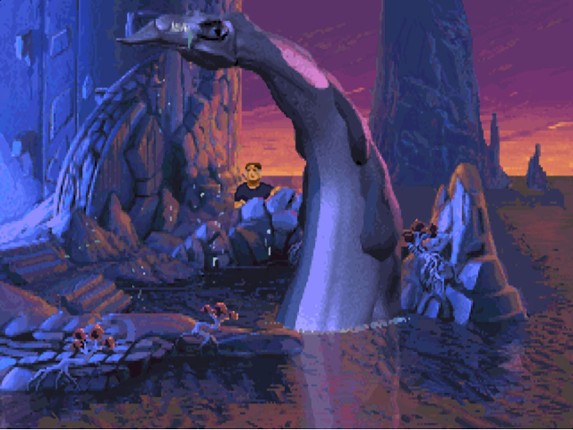
    • “The atmosphere is dense and you will need lots of patience and "try and error" attempts to finish all the puzzles (gosh.. that frustrating turtle!).”
    • “-classic LucasArts point & click adventure, albeit with little humour and a much darker atmosphere.”
    • “The atmosphere is very different from other LucasArts titles from the same era, more reminiscent of another world than anything else.”
  • gameplay
    44 mentions Positive Neutral Negative

    The gameplay is a classic point-and-click adventure with simple mechanics focused on exploration and logical puzzle-solving, though it can be clunky, obtuse, and occasionally frustrating due to vague directions, backtracking, and trial-and-error elements. Despite these issues, many players appreciate its engaging story, satisfying puzzles, and nostalgic charm, making the gameplay enjoyable overall for fans of the genre.

    • “Gameplay follows traditional point-and-click adventure conventions but is structured to emphasize discovery and logical reasoning rather than overt puzzle signposting.”
    • “The gameplay and story were very satisfying and the puzzles were very logical and not really that hard; in general, it was a fun experience.”
    • “After all those years, this game still works perfectly in storytelling and gameplay, wonderfully designed.”
    • “Unfortunately, the gameplay itself has quite a few issues, with a bloated inventory system, some trial-and-error/obtuse puzzles, and a frustrating amount of backtracking.”
    • “Gameplay well, it's a point and click, a frustrating one with classic obtuse rub item everywhere to see if that will work.”
    • “The gameplay can be fairly frustrating and I had to look up multiple puzzles that didn't make much sense, but other parts work just fine.”
  • humor
    34 mentions Positive Neutral Negative

    The game features humor that is generally more subtle, snarky, and occasional rather than overt or rapid-fire, marking a departure from the zany, wacky style typical of other LucasArts titles. While some players found genuinely funny moments and witty dialogue, overall the tone is serious, introspective, and occasionally dark, prioritizing story and atmosphere over comedy. Fans of classic LucasArts humor may find it lacking, but its humor complements a mature, thoughtful experience.

    • “Some laugh-out-loud funny moments and back-and-forths throughout.”
    • “This game had fun puzzles to figure out... some dialogue was hilarious and put on repeat.”
    • “The humor is snarky, the pixel art is on-point, and the voice actors are pretty decent as well.”
    • “It is not funny like Monkey Island.”
  • grinding
    12 mentions Positive Neutral Negative

    Grinding in this game is characterized by tedious and illogical puzzles, excessive backtracking, and slow, frustrating gameplay mechanics that detract from the overall experience. While the story and voice acting are praised, the repetitive wandering and cumbersome controls make the later stages particularly frustrating and boring.

    • “But the last 1/4 is very frustrating and tedious.”
    • “If you miss something going back through the tunnels and trams is tedious and annoying.”
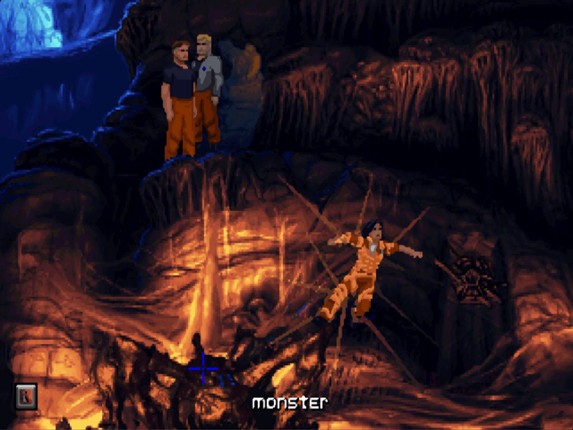
    • “Finding Maggie after she was captured by the monster was very tedious, as was finding the hidden island and many other situations.”
  • emotional
    6 mentions Positive Neutral Negative

    The game's emotional depth is enhanced by strong voice acting and evolving character dynamics, creating genuine emotional stakes beyond the mystery itself. Its cinematic storytelling and heartfelt moments resonate deeply, making it a standout in the genre and highly recommended for players seeking an emotionally engaging experience.

    • “Originally inspired by a story concept from Steven Spielberg, the game embraces a cinematic scope and emotional weight that were unusual for the genre at the time.”
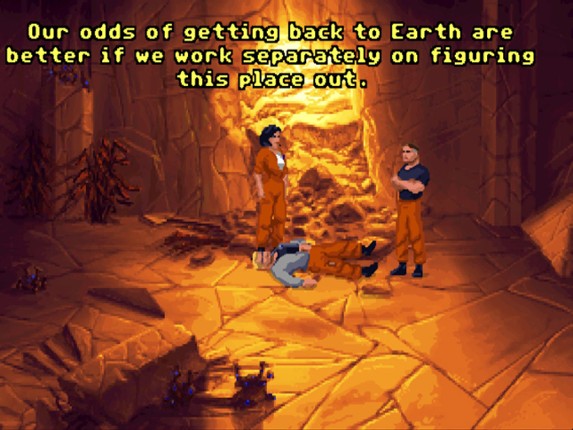
    • “Voice acting adds another layer of immersion, with Boston Low portrayed as stoic and pragmatic, Maggie as emotionally grounded and empathetic, and Brink as increasingly obsessive and volatile.”
    • “Their evolving personalities and philosophical disagreements become an integral part of the story, giving emotional stakes to what might otherwise be a purely intellectual mystery.”
  • optimization
    4 mentions Positive Neutral Negative

    The game initially runs smoothly with stable performance and proper aspect ratio support, but its optimization declines after extended play. While voice acting is generally strong, some cutscenes feel dated compared to contemporaries. Overall, the early gameplay experience is polished, though longevity suffers.

    • “It starts strong, and the client runs great -- with stable performance and a proper 4x3 aspect ratio, even on 16x9 monitors -- but after the first hour, it just becomes a bit of a slog.”
  • stability
    4 mentions Positive Neutral Negative

    The game initially offers stable performance with proper aspect ratio support, but after about an hour, it becomes less smooth. Some lingering issues include audio glitches on 48kHz settings, especially on modern Windows systems, though no major bugs were commonly encountered.

    • “The client runs great with stable performance and a proper 4:3 aspect ratio, even on 16:9 monitors.”
    • “I didn't encounter any bugs either (not saying it's bug free, just that I didn't stumble upon any).”
    • “It starts strong, maintaining stability initially, but after the first hour, the experience becomes a bit of a slog.”
    • “Some glitches that haven't been fixed for modern Windows systems.”
    • “Audio glitches when using the 48kHz audio setting.”
  • character development
    3 mentions Positive Neutral Negative

    Users highlight strong character development as a key strength, praising the emotional depth, storytelling, and unique atmosphere that enhance the experience. However, some find the delivery lacking in engagement, describing it as a flat recitation without the expected humor or growth. Overall, character development contributes significantly to the game's appeal for fans of sci-fi and narrative-driven games.

    • “The character development, the story, the emotion, the bleak hopelessness of trying to find your way home... and not wanting to at the same time.”
    • “If you like sci-fi, or games with great storytelling power, character development, or even just a really creative and unique atmosphere, give the game a shot.”
    • “Even that would be endurable if your failures gave you some kind of funny joke or character development, or something, but it's just a dead voiced recitation of that.”
  • replayability
    2 mentions Positive Neutral Negative

    The game offers strong replayability, with enduring appeal through its musical score, art direction, and gameplay. Fans of point-and-click adventures find it enjoyable to revisit periodically due to its engaging storyline and timeless design.

    • “I have played this game since its release in 1995 and still find the musical score, art direction, and gameplay replayable after all these years.”
    • “Very fun game with a decent storyline; if you love point and click, then it offers replayability every few years.”
  • monetization
    1 mentions Positive Neutral Negative

    Users express interest in the advertised games but imply that access may be restricted, suggesting that the monetization relies heavily on ads which may limit immediate gameplay opportunities.

Skip Critic Reviews

45%Critics’ scoreBased on 1 critic reviews
Skip Game Offers

Buy The Dig

Skip Videos

Videos

Skip Games Like The Dig
Skip FAQs

Frequently Asked Questions

The Dig is a arcade puzzle game with science fiction theme.

The Dig is available on PC, Mac OS, Windows, Linux and others.

The Dig was released on July 8, 2009.

The Dig was developed by LucasArts.

The Dig has received neutral reviews from players and neutral reviews from critics. Most players liked The Dig for its story but disliked it for its grinding.

The Dig is a single player game.

Similar games include Indiana Jones and the Fate of Atlantis, Syberia, Broken Sword, The Longest Journey, The Curse of Monkey Island and others.