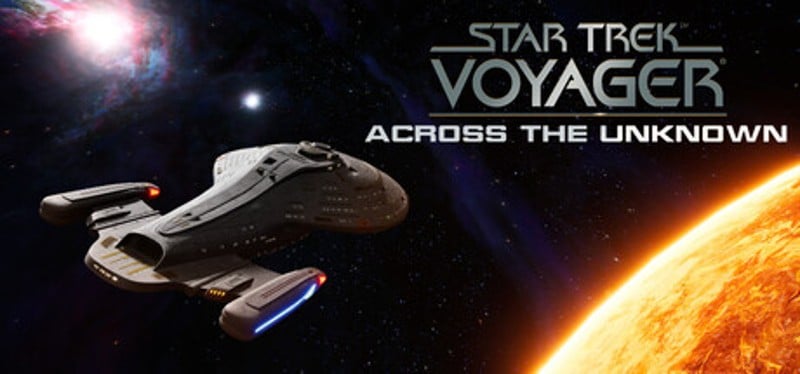
Star Trek: Voyager - Across the Unknown

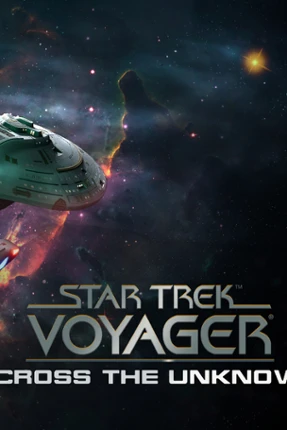
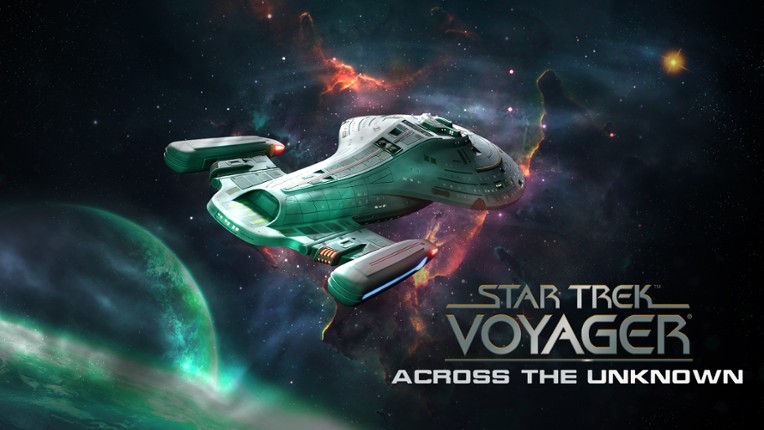
Star Trek: Voyager - Across the Unknown Game Cover
78%Game Brain Score
story, gameplay
grinding, optimization
78% User Score Based on 2,488 reviews

Platforms

PCWindowsNintendo Switch 2
Star Trek: Voyager - Across the Unknown Game Cover

About

Star Trek: Voyager - Across the Unknown is a single player survival management game with drama and science fiction themes. It was developed by Gamexcite and was released on February 18, 2026. It received mostly positive reviews from players.

ABOUT THE DEMO The demo of the game is English only. The full version will feature localization into additional languages, partial voice over as well as updated music and sound effects. Star Trek: Voyager - Across the Unknown is a story-driven survival strategy game in which the fate of the iconic starship is in your hands. Take the helm, manage the ship and resources, and make difficult decision…

Skip User Reviews

78%
Audience ScoreBased on 2,488 reviews
story226 positive mentions
grinding47 negative mentions

  • Strong nostalgia and faithful adaptation of the Star Trek: Voyager series with many iconic story moments and characters.
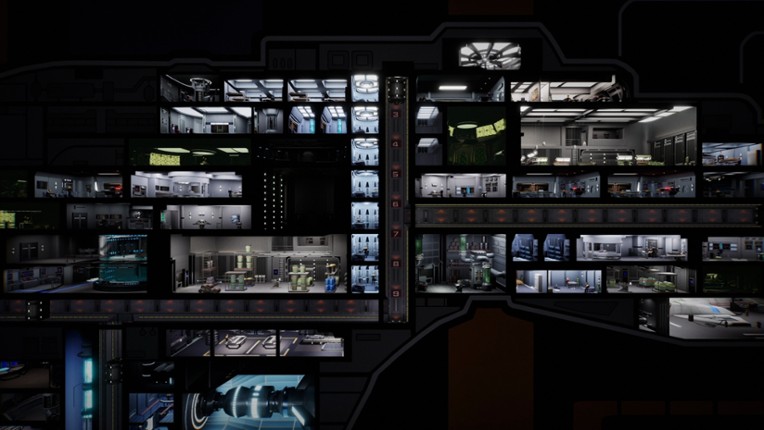
  • Engaging resource management and ship building mechanics that create meaningful survival challenges and strategic choices.
  • Choices and alternate story paths have significant consequences, enhancing replayability and immersion for fans.
  • Heavy reliance on RNG causes frustrating and sometimes game-ending failures, pushing players towards save-scumming.
  • Limited voice acting and minimal animations detract from the immersive story experience, with most dialogues presented as text.
  • Ship combat is repetitive and simplistic, and the save system is restrictive or was initially absent, lowering overall playability.
  • story
    1,671 mentions Positive Neutral Negative

    The story faithfully follows the Star Trek: Voyager TV series, condensing major plot points into a 12-chapter structure with numerous side missions inspired by episodes, allowing players to experience familiar storylines while making meaningful choices that alter outcomes and crew composition. While the narrative offers engaging "what-if" scenarios and nostalgia for fans, it is somewhat linear with limited branching, presents some story inconsistencies and bugs, and heavily relies on RNG that can result in mission failures impacting story progression. The lack of voice acting and presentation as mostly text-based dialogue diminishes immersion, but overall the story-driven approach and integration with resource management and crew decisions create a compelling experience for Voyager enthusiasts.

    • “Enjoying how the developers took episodes from the show and turned them into plot missions for the game with various outcomes as opposed to what is considered canon from the show.”
    • “The main draw of the game though is how faithfully it represents the Voyager TV series - with missions named after episodes that allow you to have differing outcomes.”
    • “It's a solid survival-strategy game that does a great job of making you feel like you're part of Voyager's story while giving you some creative freedom to change that story.”
    • “The story missions themselves are very underwhelming railroads; there's an illusion of choice in dialogue options, but attempts to deviate from the original storyline just circle back to the same decisions with no real alternative.”
    • “Dice rolls determine story progression and sometimes access to side story missions; failing a roll can cause missions to immediately disappear without a chance to experience them, even when they contain critical equipment or technologies, leading to frustration and broken story paths.”
    • “The game pushes you to complete the main missions quickly with penalties for lingering, which feels like you have to speed run the story or you'll run out of resources, severely limiting exploration and causing missed side quests.”
  • gameplay
    491 mentions Positive Neutral Negative

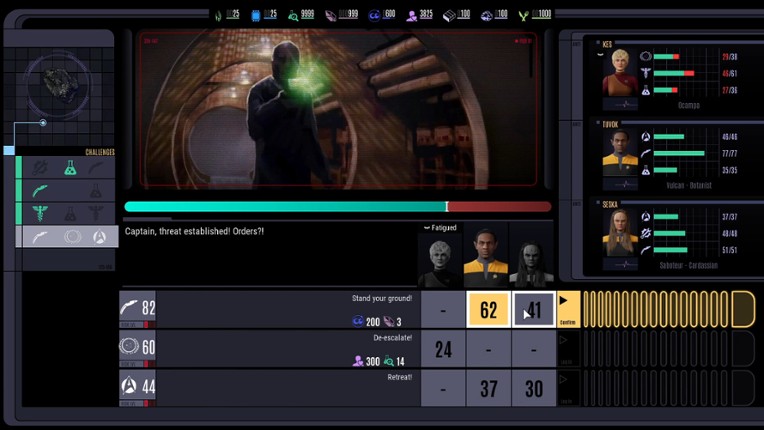
    The gameplay is a mix of ship management, resource gathering, and decision-driven narrative with influences from games like FTL, Frostpunk, and Fallout Shelter. While many find the core gameplay loop engaging and thematic, especially for fans of Star Trek Voyager, common criticisms include excessive RNG elements, repetitive mechanics, a punishing "homesickness" system, lack of save options, and underwhelming combat. Overall, it offers a solid but sometimes frustrating experience that rewards strategic planning but can feel limited and rough around the edges.

    • “The gameplay is quite unique, blending elements of management games like Ixion or Frostpunk with a strong emphasis on exploration.”
    • “Even so, the four core mechanics work together to create a satisfying gameplay loop, and while the game clearly comes from a small development team, its authenticity and reverence for the source material make it a delight to play and an easy recommendation for Voyager fans who enjoy story-driven strategy experiences.”
    • “All-around great experience, highly addictive gameplay loop and super responsive devs who listen to community feedback.”
    • “I never made it past season 4 (level 4) due to the constant heavy resource management and the need to reload the random number generator mechanic when trying to get critical resources, as it often results in losing crew members, shuttles, or ship damage, making gameplay frustrating rather than fun, relying more on luck than strategy.”
    • “Gameplay is repetitive and rather than allowing you to 'make your own story,' you progress from big episode to big episode with choices that mostly boil down to simple yes/no decisions without meaningful impact, leading to a lack of engagement and depth.”
    • “It's plagued with bugs that disrupt gameplay, like having to restart tutorials repeatedly due to stuck prompts, and the core resource acquisition loop is flawed because it depends on random rolls that can utterly ruin your progress if you're desperate for specific resources.”
  • graphics
    215 mentions Positive Neutral Negative

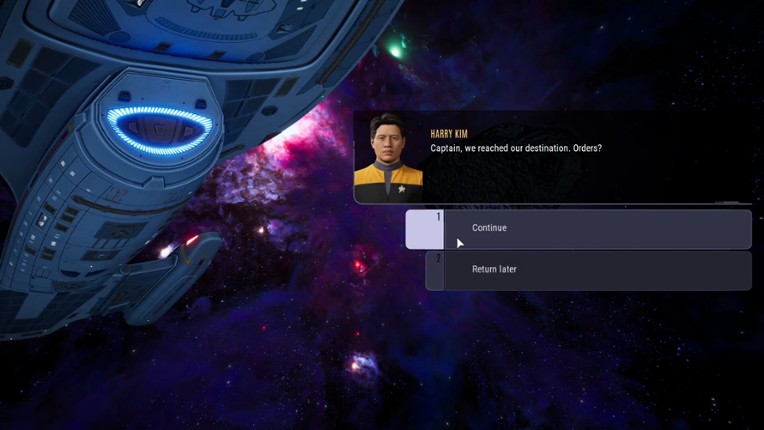
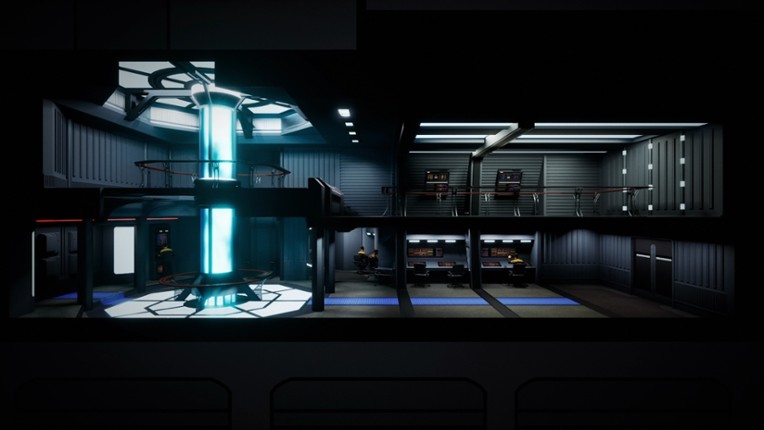
    The game's graphics are generally considered serviceable but noticeably dated, with many reviewers noting a lack of polish, basic character models, and minimal animation, reflecting a budget or mobile game quality rather than AAA standards. However, the art style and visuals successfully capture the nostalgic 90s Star Trek aesthetic, with detailed space scenes and interfaces that appeal to fans, despite some graphical glitches and inconsistent quality across missions and characters. Overall, while not visually impressive by modern standards, the graphics effectively support the game's storytelling and atmosphere for its target audience.

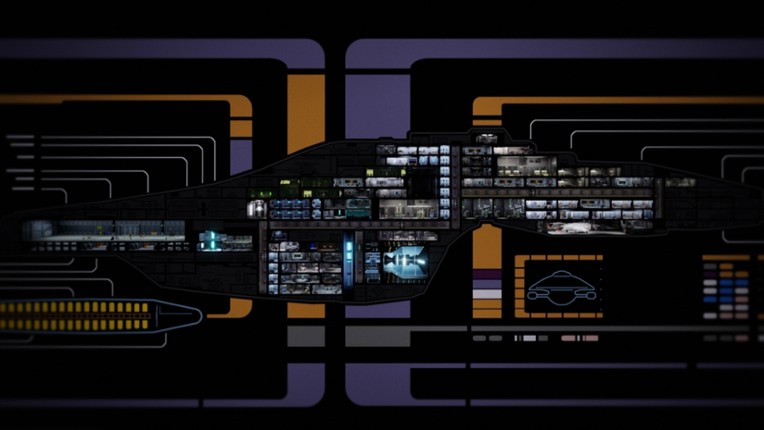
    • “The 90s Star Trek aesthetic is spot on, with neat features like zooming in to see little details.”
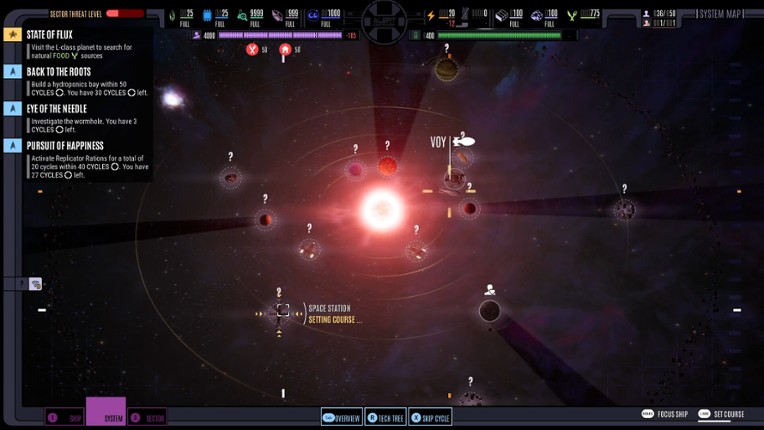
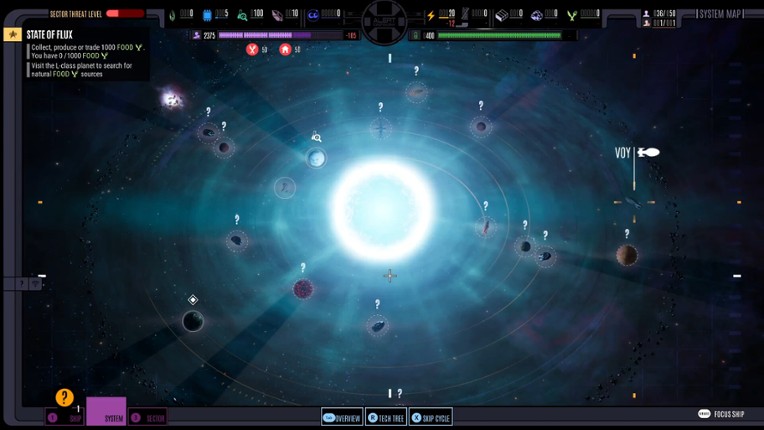
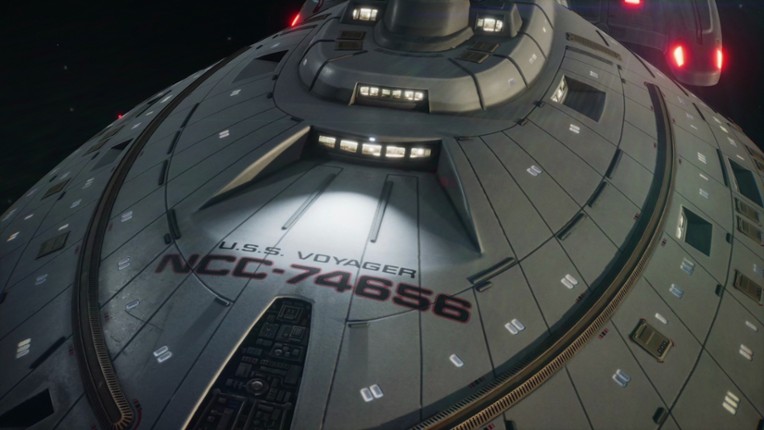
    • “The graphics look good for the most part, especially in the systems interface, featuring gorgeous shaders for planets and a very high-quality Voyager model.”
    • “The positives: the graphics are frigging stellar; the visuals are gorgeous with stars, planets, and that famous nebula from the intro.”
    • “Character graphics are the worst kind of uncanny valley, beer-bottle-with-plastic-arms, 3D-graphics-from-a-school-'puter-educational-game-from-2001 type cringe latex-dummy-looking trash.”
    • “The graphics are terrible, like the CGI in the 1995 TV show literally looks better than this 2026 game.”
    • “The graphics are genuinely hard to look past: stiff visuals, weak effects, and a general 'cheap mobile game' vibe that doesn’t sell the Voyager fantasy at all.”
  • music
    129 mentions Positive Neutral Negative

    The game's music is mostly appreciated for including the iconic Voyager theme at the main menu and some authentic character voiceovers, which enhance immersion. However, many reviewers note a lack of music variety and dynamic, situational tracks, leading to repetitive and often muted or minimal background music that fails to capture the full emotional and atmospheric depth of Star Trek Voyager. Overall, while the licensed theme is a highlight, the soundtrack and sound effects are considered sparse, underwhelming, and in need of more diversity and polish.

    • “Thank you, developers, for including the music from the show to help keep me focused and calm!”
    • “Voice acting and music - having 2 original cast introduce each sector is a nice way to set the stage for what's coming in the chapter and having the original intro at the menu is a nice touch.”
    • “The music and many episodes from the original show are in the game and that really help sells the feeling of playing as captain of the Voyager.”
    • “The weakest element for me is the audio; even though the game seems to have the rights to the Voyager music, you barely hear it, and the game is often just ambient space sound.”
    • “Very lackluster music, and often times the combat levels will just re-use ambient sector music, creating an incredibly non-immersive and shallow experience.”
    • “I recently listened to the Voyager OST, and this game's soundtrack is bland, generic, and completely misses the Voyager tone.”
  • replayability
    113 mentions Positive Neutral Negative

    Most reviewers agree the game offers strong replayability through meaningful choices, multiple character paths, and roguelike elements that create varied playthroughs. While some note repetitive story elements and RNG can limit long-term replay value, many highlight the freedom to experiment with different decisions, builds, and outcomes as a key strength. Overall, replayability is considered a notable asset, especially for fans and completionists.

    • “Meaningful decisions give this game strong replayability, even for players who have memorized every episode.”
    • “The game offers solid replay value with numerous choices, variable room layouts, a Pokémon collect-them-all mechanic, and optional hero crewmembers.”
    • “Played through the story in 60 hours following the 'canon Starfleet way,' but the game encourages replayability by letting you rebuild the ship differently using new tech or make alternative decisions during storylines.”
    • “Given the game's story is the same from sector to sector, there is no real replayability value to this game, making 'game over' screens a real slog; you can restart a sector, or load the last autosave or manual save, but then it just feels like you're finding the 'right' path that the game wants you to take; the illusion of making decisions with consequence having been killed by the RNG gods.”
    • “But the balance and the tedious replayability really just killed my enthusiasm.”
    • “The hype about any procedural change seems to be just literally the resources and your choice chosen for the same missions - so replayability of this is really poor at this time.”
  • grinding
    49 mentions Positive Neutral Negative

    The game is widely criticized for its slow, repetitive grinding, with resource management, planet scanning, and research feeling tedious and limiting progression. While some find initial gameplay engaging, the excessive grind and RNG elements often lead to frustration, making the overall experience feel like a dated mobile game with little variety or clear objectives. Players hoping for a dynamic adventure note that the repetitive mechanics and morale system significantly hinder long-term enjoyment.

    • “Sure, I'll just go fail at options I already got correct the first run after 3 hours of researching, collecting, and grinding... I would love to go do that all over again.”
    • “You'll need a second life for grinding.”
    • “Progression is slow, the tech tree is grindy, and the away mission system isn’t clearly explained — it often feels like you’re just clicking and hoping.”
    • “What I expected was a 'choose your own adventure' with exploration and ship building elements, but it ends up feeling like a mobile game from a decade ago where you are just farming resources and waiting for research to complete endlessly.”
    • “Solar systems and sectors, absolutely, but this just makes the grind for your very limited resources just tedious and annoying when you travel 3 days in system, just to get 3 days of deuterium and have to travel back.”
  • optimization
    46 mentions Positive Neutral Negative

    The game's optimization is mixed, with many users experiencing performance issues such as frame rate drops, stuttering, and poor handling of certain scenes or menus, especially on lower-end or handheld devices like the Steam Deck. While some report smooth gameplay and good optimization on high-end PCs, others note significant slowdowns and crashes, particularly during complex animations or in sector views. Overall, optimization improvements are needed to deliver a more consistent and stable experience across platforms.

    • “Technical side too, had zero issues, performance or otherwise.”
    • “In terms of optimization and stability, I experienced no major problems (one crash in 35 hours).”
    • “Good optimization, no fans spinning even on maximum settings.”
    • “As long as you can put up with the game's poor performance optimization, shallow combat, and frustrating RNG, then there's some fun whimsy here to play through; temper your expectations, and I'm sure you'll get some fun out of it!”
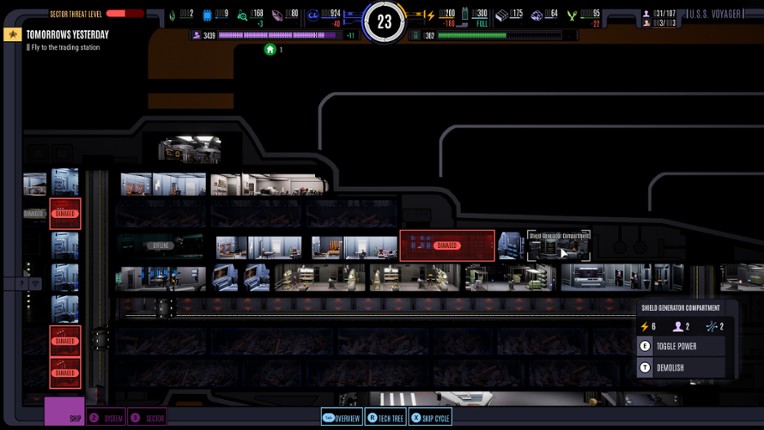
    • “There are a few cons: a lack of optimization in the ship menu, which runs at around 20-30 fps even though I'm above system requirements, lack of sensitivity settings for zooming and panning, and some nitpicks about the combat.”
    • “3.) Performance takes a major hit when viewing sector space or when your ship is built (played on 4070 Super and the Switch 2), and it affects both.”
  • stability
    36 mentions Positive Neutral Negative

    The game runs well overall but is hampered by numerous bugs and glitches, including UI issues, combat glitches, missing save/load functions, and occasional crashes. While many problems are expected to be patched post-launch, the current instability and frustrating save system detract from the experience, especially for casual players. Fans of the franchise may tolerate these issues more, but improvements in stability are needed for broader appeal.

    • “Runs great on the Steam Deck, no problems whatsoever.”
    • “Runs great, fun story, fun base building, overall good game.”
    • “Part of the game runs great but impossible to manage the ship despite trying different graphics settings on a top-spec PC.”
    • “I really like it, but it's buggy as hell and crashes a lot; it even takes out the Steam client with it.”
    • “So many characters die randomly, random glitches destroy trade and entire story lines, some game mechanics do not work at all, needed information is not displayed.”
    • “No manual save; RNG is too punishing as an example... having 90% success chances (multiple times) but yet fail every single one... had several glitches of progression as well with an unnamed saboteur that would continue to destroy my ship regardless of what I do and not one or two rooms at a time, but half of them all at once.”
  • atmosphere
    35 mentions Positive Neutral Negative

    The atmosphere of the game is widely praised for authentically capturing the spirit and tension of Star Trek: Voyager, effectively conveying a feeling of survival and exploration in the Delta Quadrant. While the immersive visuals, music, and narrative tone resonate well with fans, several reviewers note missed potential due to lack of voice acting, limited sound effects, and relatively basic storytelling, which somewhat detract from a fully realized atmospheric experience. Overall, the game delivers a genuine and nostalgic Star Trek ambiance that complements its gameplay, despite some shortcomings in depth and dynamic presentation.

    • “If you are looking for a game that captures the atmosphere and storylines of Voyager in a tough roguelike management and exploration game, this game is for you.”
    • “The graphics and sound are very harmonious: the game creates an exciting atmosphere and the Voyager's journey is very immersive.”
    • “Choices have real weight, and the game does a strong job of translating the tone and atmosphere of what Voyager should have been (a constant fight for survival, alone, in hostile territory) into gameplay.”
    • “Thing is, the drama, character development and atmosphere is not really there.”
    • “So yeah no atmosphere here either.”
    • “But the area that should be its biggest asset - the atmosphere - is probably its biggest letdown, just because it has to play in an IP that is probably incredibly expensive to license and get assets for.”
  • monetization
    24 mentions Positive Neutral Negative

    The monetization of the game has been divisive among users, with many criticizing the presence of day-one DLC and labeling it as a greedy cash grab for core content. However, some appreciate that it avoids mobile-style microtransactions and pay-to-win mechanics, seeing it as a genuine labor of love despite its budget limitations. Overall, players feel the pricing and DLC approach detract from the experience, especially given the mismatch between advertising promises and actual gameplay depth.

    • “This game plays and feels like a mixture of FTL and Fallout Shelter without all the microtransactions.”
    • “It’s really nice to play a modern Star Trek game that isn't built for mobile or filled with $50 microtransactions for a new ship; it feels like a real game and you can tell the developers put their heart into it.”
    • “For a title already leaning heavily on franchise loyalty, that monetization strategy risks alienating the very audience most inclined to support it.”
    • “Let's be honest, it's too expensive for what it is and the DLC is a blatant cash grab for core content.”
    • “Day 1 DLC package was a bit of a slap in the face as it feels like a shameless cash grab; they could have included it and just raised the price a bit more—I certainly would have still paid a higher price for this.”
    • “The fact that it would have been even shorter if I hadn't shelled out the 5 or 8 bucks or whatever I paid for it is a ridiculous cash grab that I do not appreciate.”
  • emotional
    19 mentions Positive Neutral Negative

    The game evokes strong emotional attachment primarily for players already invested in the Voyager series, delivering heartfelt moments and impactful character losses that underscore real stakes. While voice acting and "what-if" scenarios add depth, some find the narrative uneven and rushed, with emotional impact lessened for newcomers due to heavy text reliance and limited audiovisual engagement. Overall, it’s a bittersweet, survivor-focused experience that resonates most deeply with dedicated fans.

    • “I think I have such an emotional attachment to Voyager and her crew (it was the Star Trek airing when I was a kid) that anytime something happened where I lost one of the canon crew I was immediately save-scumming to change the outcome.”
    • “The logs voice acted by Tim Russ and Robert McNeill were awesome, and the game does a great job of capturing integral moments from the show and still hitting some of those emotional moments.”
    • “As a huge Voyager stan, I lost Tuvok to a bad away mission and I'm still recovering :( heartbreaking, but that's the point—real stakes! 9/10 right now (bumping to 10/10 soon with patches?).”
  • humor
    12 mentions Positive Neutral Negative

    The humor in the game is a mix of intentional and unintentional moments, often arising from players’ decisions leading to unexpected or disastrous outcomes that can be amusing. While some aspects are endearing and cute, much of the comedy stems from the challenge and quirky in-game events, including playful rewrites of the original story and humorous mishaps during resource management.

    • “It's pretty funny to play a captain that consistently makes the wrong decision just to see what happens.”
    • “The game is certainly difficult, but I found it a little humorous how often simple resource gathering would go catastrophically wrong, leading to shuttles exploding, crew injured or dead, or hull damage.”
    • “You can rewrite Voyager history by going against what characters did in the show to hilarious results.”
  • character development
    5 mentions Positive Neutral Negative

    Character development is generally well fleshed out and integrated with gameplay elements like combat and ship management, though some feel it lacks emotional depth and dramatic impact. Overall, it supports the story and progression but may not fully engage all players on a narrative level.

    • “Other than that, combat feels good (enough), the story is top notch, character development/leveling is well fleshed out, and the graphics/performance leaves nothing to be desired.”
    • “It has base building, it has character development, it has missions, combat, and above all, it is difficult.”
    • “Thing is, the drama, character development and atmosphere is not really there.”
    • “No power management, there's a bit of manual targeting one can do in the middle of battles but the unique aspects of the ships and combat tend to melt into cutscene dialogue selections based upon hero character development and ship rooms.”
    • “Let's say character development.”
Skip Game Offers

Buy Star Trek: Voyager - Across the Unknown

19h Median play time
20h Average play time
7-33h Spent by most gamers
*Based on 24 analyzed playthroughs
Skip Videos

Videos

Skip Games Like Star Trek: Voyager - Across the Unknown
Skip FAQs

Frequently Asked Questions

Star Trek: Voyager - Across the Unknown is a survival management game with drama and science fiction themes.

Star Trek: Voyager - Across the Unknown is available on PC, Windows and Nintendo Switch 2.

On average players spend around 20 hours playing Star Trek: Voyager - Across the Unknown.

Star Trek: Voyager - Across the Unknown was released on February 18, 2026.

Star Trek: Voyager - Across the Unknown was developed by Gamexcite.

Star Trek: Voyager - Across the Unknown has received mostly positive reviews from players. Most players liked this game for its story but disliked it for its grinding.

Star Trek: Voyager - Across the Unknown is a single player game.

Similar games include The Pale Beyond, Between the Stars, The Alters, Star Traders: Frontiers, Halcyon 6 Starbase Commander and others.