Lost In Fantaland

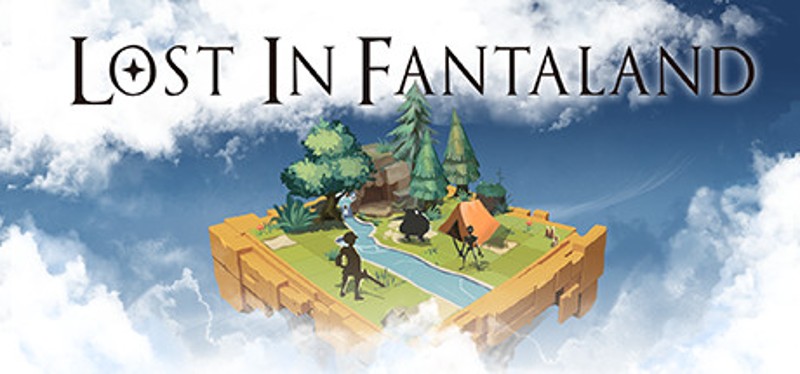
Lost In Fantaland Game Cover
82%Game Brain Score
Most mentioned positive aspects:gameplay, graphics
Most mentioned negative aspects:story, music
82% User Score Based on 154 reviews

Platforms

Nintendo SwitchPCPlaystation 5Mac OSPlaystation 4Steam DeckWindowsPlayStation
Lost In Fantaland Game Cover

About Lost In Fantaland

Lost In Fantaland is a single player tactical role playing game with fantasy and anime themes. It was developed by Supernature Studio and was released on September 26, 2024. It received positive reviews from players.

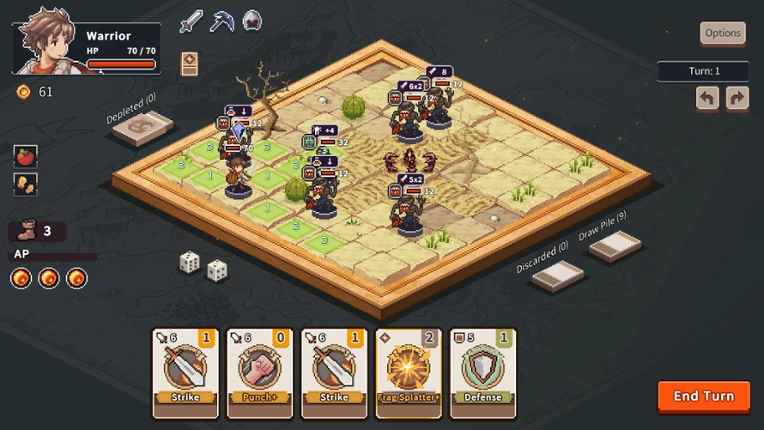
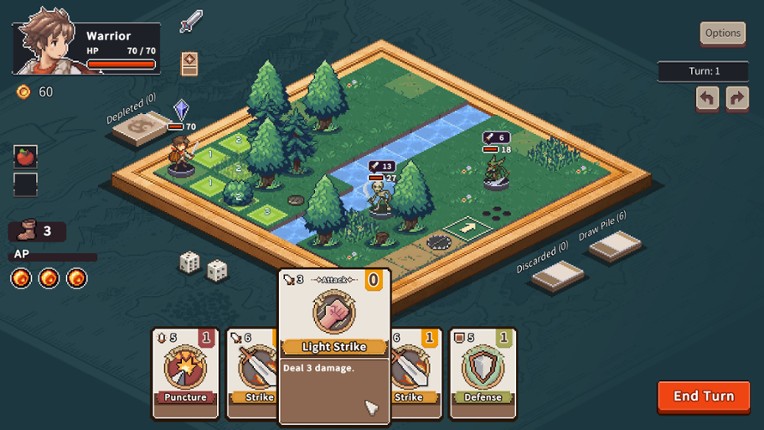
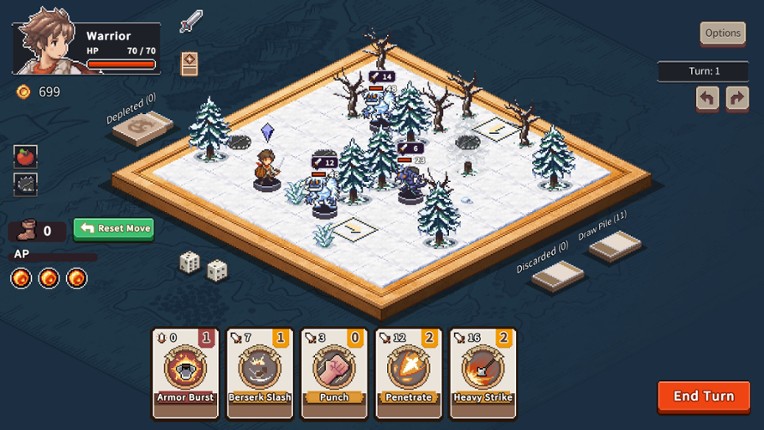
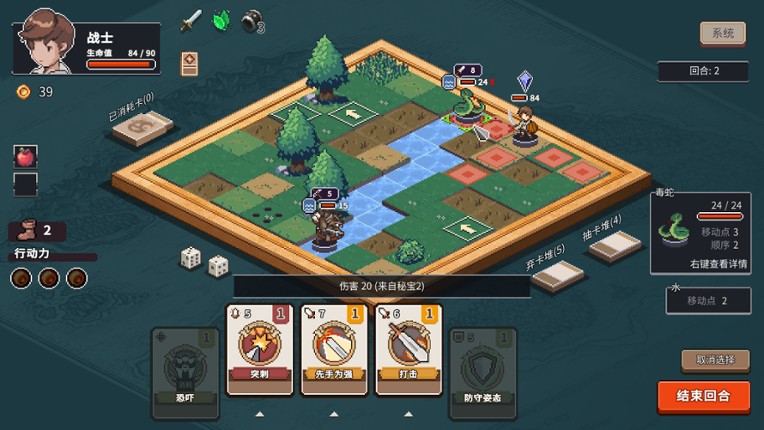
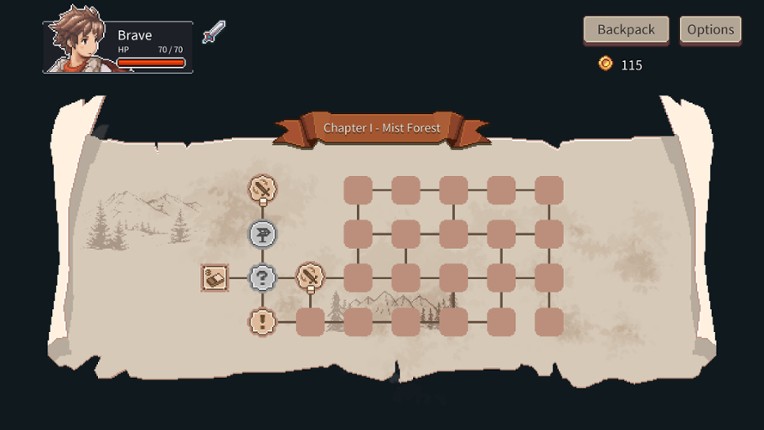
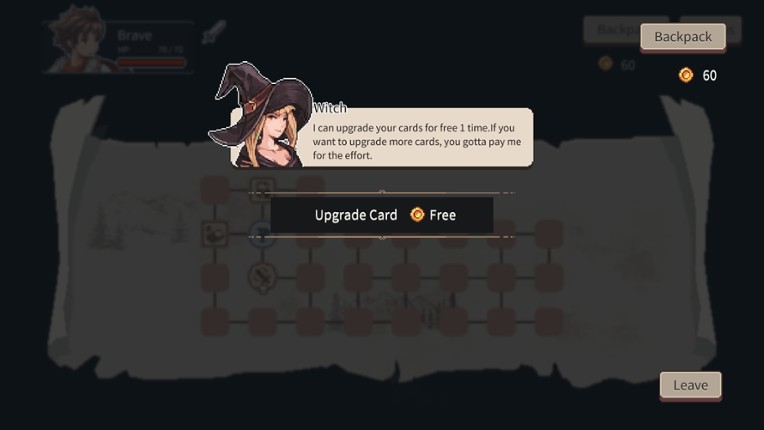
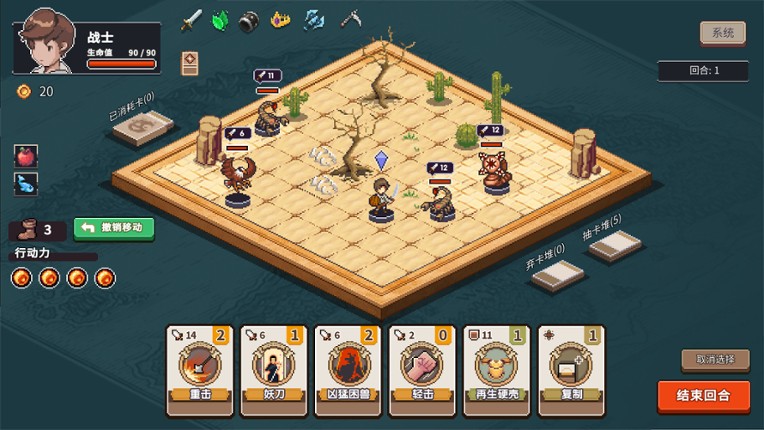
Lost In Fantaland is a retro pixel-style roguelite game that blends deck building and turn-based strategies on a checkerboard.
Skip Games Like Lost In Fantaland

Games Like Lost In Fantaland

Looking for games like Lost In Fantaland? Here are top tactical role playing recommendations with a fantasy and anime focus, selected from player-similarity data — start with SpellRogue, Alina of the Arena or Trials of Fire.

Skip User Reviews

Reviews

82%Audience ScoreBased on 154 reviews
gameplay13 positive mentions
story4 negative mentions

  • Engaging blend of roguelite deck-building and tactical grid-based combat combining inspirations from Slay the Spire, Into the Breach, and Final Fantasy Tactics.
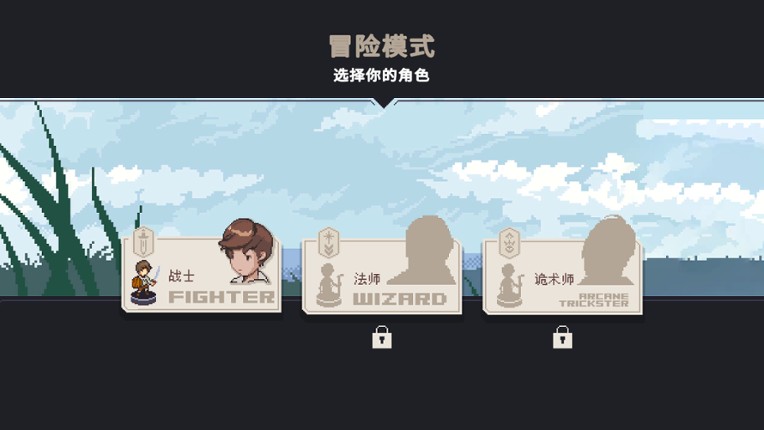
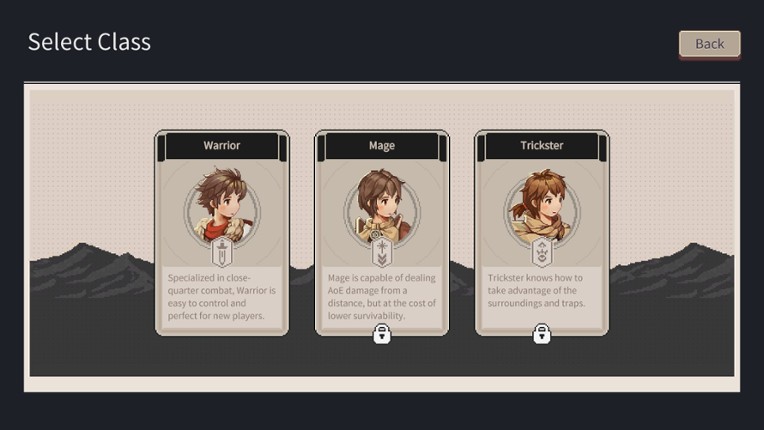
  • Unique and distinct classes with interesting mechanics and playstyles; the Trickster class notably praised for its creative gameplay.
  • Charming pixel-art visuals and music contributing to an immersive and enjoyable atmosphere; polished interface and good replayability.
  • Cringe-worthy and poorly translated English dialogue and card text causing confusion and breaking immersion.
  • Limited content with short campaign length, few classes/subclasses, and lack of diversity in card and artifact options leading to repetitive runs.
  • Balance issues and occasional bugs, including unclear mechanics and occasional unfair difficulty spikes, detracting from strategic depth.
  • gameplay

    43 mentions Positive Neutral Negative
    30% positive mentions, 61% neutral mentions, 9% negative mentions

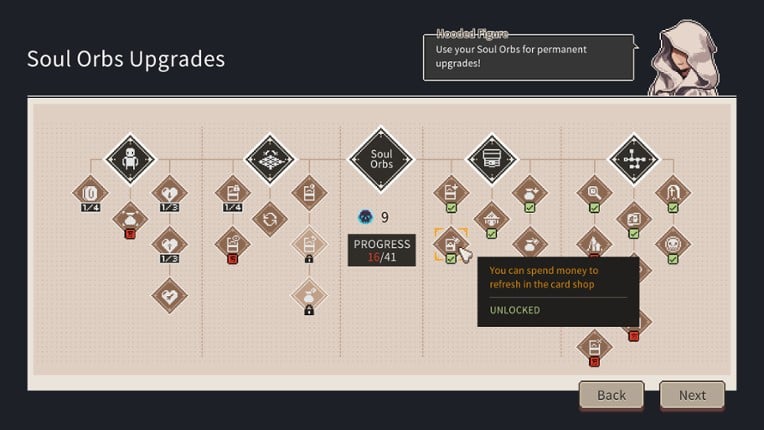
    The gameplay is a tactical, turn-based roguelite blending deckbuilding with movement on a tile-based grid, offering unique class mechanics and strategic depth. While some find it addictive and enjoy its emergent card combinations and meta progression, others criticize it for lack of polish, repetitive runs, underwhelming class variety, and shallow overall mechanics compared to genre benchmarks. Overall, it appeals to fans of Slay the Spire-like games seeking a cozy, strategic experience despite some rough edges and a simplistic story.

    • “At the beginning of each run, you select one of several playable characters, each built around distinct archetypes and mechanical identities.”
    • “I love how movement is as important as playing cards and building a deck, and the different classes play totally different. I tried the mage and warrior; I played a couple of runs that I lost because the game is challenging, but I didn't feel it was mean. I lost because of my own mistakes, and the gameplay loop is pretty addicting.”
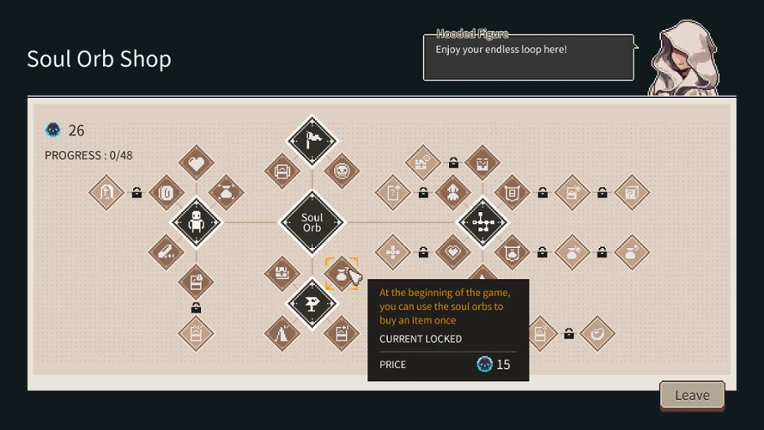
    • “Gameplay is fun and tactical with a lot of traps and map layouts, and although there is meta progression which is somewhat unusual for card games, it is well thought out, with things like being able to retain a chosen card every few fights or discounts in shops.”
    • “The whole gameplay doesn't feel well thought-out, as if the development was going well, but they just decided to stop halfway through.”
    • “It's 2D Slay the Spire, but with ugly graphics, distracting dialogue, many minor UI and gameplay bugs, uninspired mechanics and little depth.”
    • “So, despite having multiple classes each with their own unique mechanics, all playthroughs roughly feel the same.”
  • graphics

    21 mentions Positive Neutral Negative
    38% positive mentions, 48% neutral mentions, 14% negative mentions

    The graphics are widely praised for their clean, expressive pixel-art style inspired by Final Fantasy Tactics, delivering nostalgic and visually clear combat on a grid-based system. While some find the visuals charming and well-crafted, a few note issues with card art distinctiveness and occasional UI distractions. Overall, the art style is considered a standout feature that enhances the game's tactical and roguelike elements.

    • “You can see the love and care that went into the visuals, the scenery, and the design of the enemies and characters.”
    • “The pixel-art style is clean and expressive, and the visual clarity during combat is excellent—an essential component when dealing with grid-based tactics.”
    • “The pixel graphics are awesome and the music is great.”
    • “The graphics are clearly a letter of love to Final Fantasy Tactics, but that doesn't always translate well to distinctive card art, and I couldn't tell the card rarities apart at all.”
    • “It's 2D Slay the Spire, but with ugly graphics, distracting dialogue, many minor UI and gameplay bugs, uninspired mechanics and little depth.”
    • “Very solid, I love the FFT-inspired art style, I do wish you could have other party members as that's a big part of the fun of tactical roguelikes but it's still cool.”
  • story

    17 mentions Positive Neutral Negative
    18% positive mentions, 58% neutral mentions, 24% negative mentions

    The story is widely criticized for being shallow, poorly written, and clichéd, especially within the saturated isekai genre, featuring distracting, cringey dialogue and weak plot development. Some players find the humor and tongue-in-cheek elements uninteresting or annoying, though a few appreciate random event lines as a storytelling method and hope for improvements. Overall, the story is seen as a weak point compared to the gameplay.

    • “I also found the conversations and the plot about a hero reincarnated in another world quite funny.”
    • “Although I am not satisfied with the opening jokes, I still consider that the lines in random events are a good system to tell a nice story and I will recommend the devs to improve this part of the game.”
    • “Looks okay, the basics are easy to understand but difficult to master, the story is wacky and the music is chill.”
    • “The story is also just bad, especially if you're into anime and are familiar with the saturation of isekai.”
    • “What little story exists is tongue in cheek, which I found to be very poor, uninteresting, and badly written.”
    • “The art style 10/10 and was hoping for great things but sadly it's very shallow gameplay and a horrible isekai plot complete with never ending bad 4th wall jokes.”
  • humor

    8 mentions Positive Neutral Negative
    100% positive mentions, 0% neutral mentions, 0% negative mentions

    The humor in the game is a mix of clever meta jokes and amusing dialogue that some players find entertaining, especially its playful nods to roguelike tropes. However, others feel the humor is often childish, relies on overused jokes, and would benefit from more polished, context-fitting writing to avoid coming off as dated or unoriginal. Overall, while the humor has potential, its execution is divisive among players.

    • “I also found the conversations and the plot about a hero reincarnated in another world quite funny.”
    • “Some of the jokes the characters make are pretty funny too, some meta jokes about the roguelike genre.”
    • “Dialogue and flavor text is pretty funny.”
  • music

    7 mentions Positive Neutral Negative
    43% positive mentions, 14% neutral mentions, 43% negative mentions

    The music effectively supports the game's fantasy and nostalgic atmosphere with a chill, well-crafted soundtrack that complements the pixel art style without overpowering gameplay. Some users noted an issue with sound effects playing even when music is muted, but overall, the audio enhances the experience subtly and fittingly.

    • “The music and sound effects support the fantasy tone without taking center stage, allowing the game’s mechanical depth to remain the primary draw.”
    • “Definitely appeals to nostalgia with the graphics and music.”
    • “The pixel graphics are awesome and the music is great.”
    • “Sometimes muting the audio still allows some sounds like sound effects to play, but music is muted.”
    • “Music in the overworld is present but lacks impact or distinction.”
    • “The music is chill but does not stand out or enhance the experience significantly.”
  • replayability

    5 mentions Positive Neutral Negative
    60% positive mentions, 0% neutral mentions, 40% negative mentions

    Replayability in the game is generally praised for its strategic depth and variety of cards and relics, offering a satisfying experience especially for achievement hunters. However, some players feel the overall content is limited, leading to a shorter playtime compared to similar roguelike deckbuilders. Despite this, the game delivers good value and enjoyment, particularly at a discounted price.

    • “Ultimately, Lost in Fantaland stands out as a well-designed hybrid that offers considerable strategic value, replayability, and mechanical depth.”
    • “Bought the game at 25% off and it's worth the value, with lots of replayability and passion visibly poured into this little game.”
    • “Cute graphics, lots of replayability, cards and relics galore!”
    • “Replay value is a little low compared to other roguelike deckbuilders - I was kinda done at about 10 hours which was fun for the price paid overall.”
    • “Yes it does have replayability if you want to aim for 100% achievements and full ascension but, content-wise still feels somewhat lacking.”
  • grinding

    5 mentions Positive Neutral Negative
    20% positive mentions, 0% neutral mentions, 80% negative mentions

    Grinding in the game tends to feel tedious due to overly complex maps with excessive terrain and frequent backtracking, making battles and full map clearances feel like a chore. The increased tactical depth and longer maps exacerbate this issue, leading to a grinding experience that can detract from player enjoyment.

    • “Additionally, they really need to reduce the number of places you can go to per map (or just don't allow a player to backtrack so they have to choose where they want to go). It gets extremely tedious when you're encouraged to fully clear every map.”
    • “There is also this general problem with roguelikes that as they get more tactical and as the maps get longer, they start to get tedious.”
    • “Grinding and not having fun are not something I'd recommend.”
  • stability

    1 mentions Positive Neutral Negative
    100% positive mentions, 0% neutral mentions, 0% negative mentions

    The game is praised for its smooth and reliable performance, with users finding it stable enough to return to periodically alongside other titles.

    • “It runs great for me, and I will probably come back to it from time to time between other games.”
Skip Game Offers

Buy Lost In Fantaland

Some of these are affiliate links — if you buy through them, we may earn a commission at no extra cost to you.

Skip Videos

Videos

Skip FAQs

Frequently Asked Questions

Lost In Fantaland is a tactical role playing game with fantasy and anime themes. Common tags for Lost In Fantaland include turn-based, indie, card battler, roguelite, pixel graphics and others.

Lost In Fantaland is available on Nintendo Switch, PC, PlayStation 5, Mac OS and others.

Lost In Fantaland was released on September 26, 2024.

Lost In Fantaland was developed by Supernature Studio.

Lost In Fantaland has received positive reviews from players. Most players liked Lost In Fantaland for its gameplay but disliked it for its story.

Lost In Fantaland is a single player game.

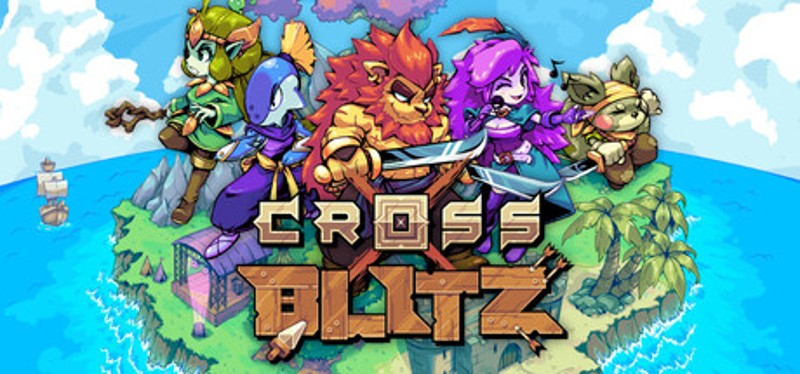
Similar games include SpellRogue, Alina of the Arena, Trials of Fire, Die in the Dungeon, Cross Blitz and others.