Learn Japanese to Survive! Kanji Combat

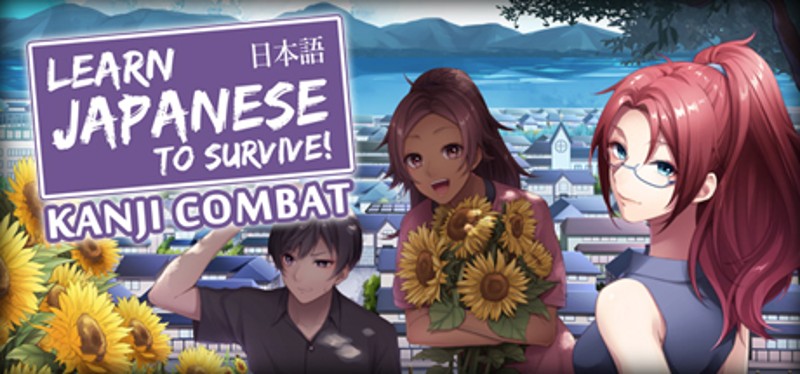
Learn Japanese to Survive! Kanji Combat Game Cover
82%Game Brain Score
story, gameplay
grinding, stability
82% User Score Based on 274 reviews

Platforms

PCMac OSWindows
Learn Japanese to Survive! Kanji Combat Game Cover

About

Learn Japanese to Survive! Kanji Combat is a single player role playing game with fantasy and anime themes. It was developed by RIVER CROW STUDIO and was released on August 1, 2018. It received positive reviews from players.

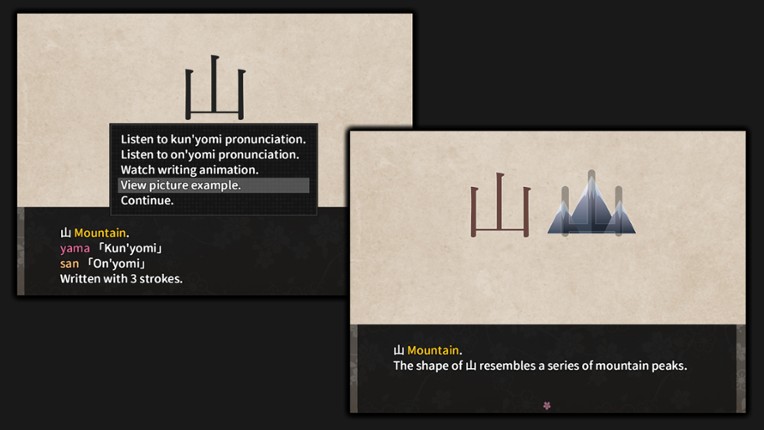
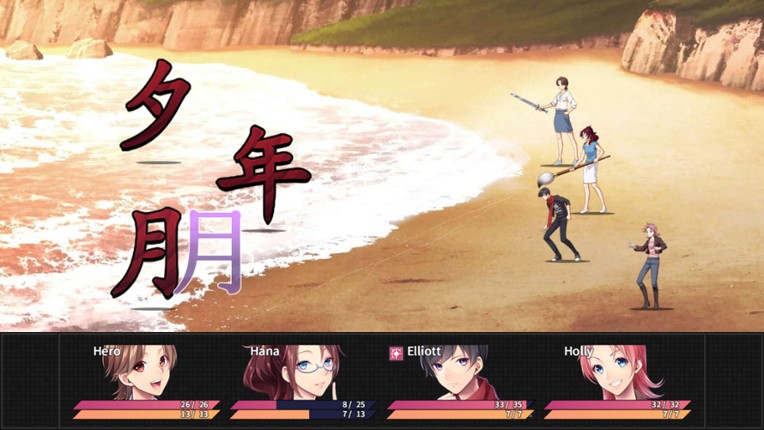
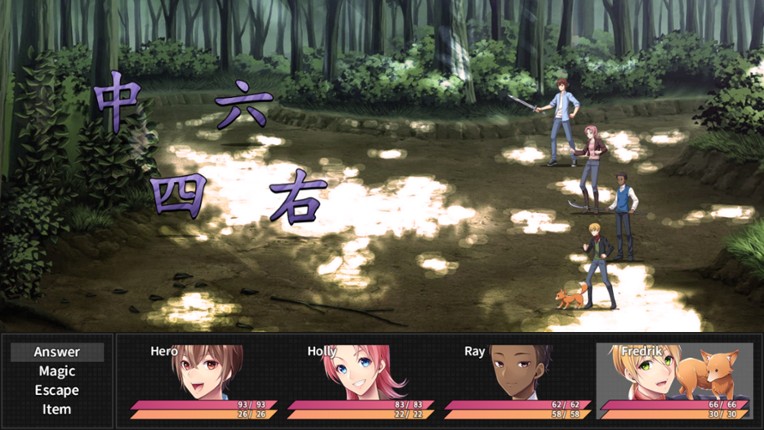
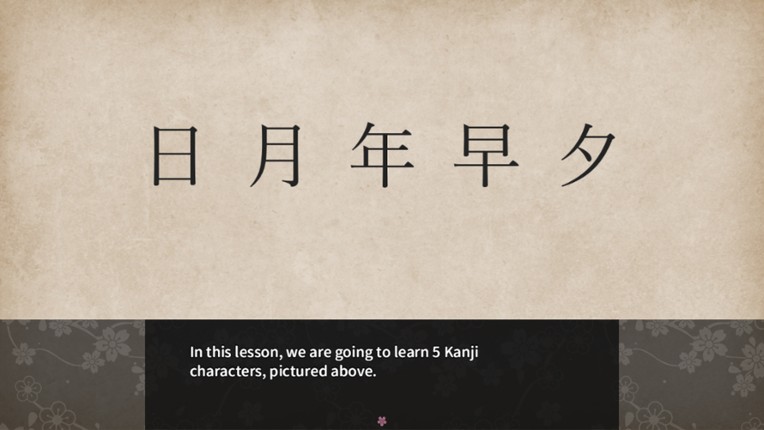
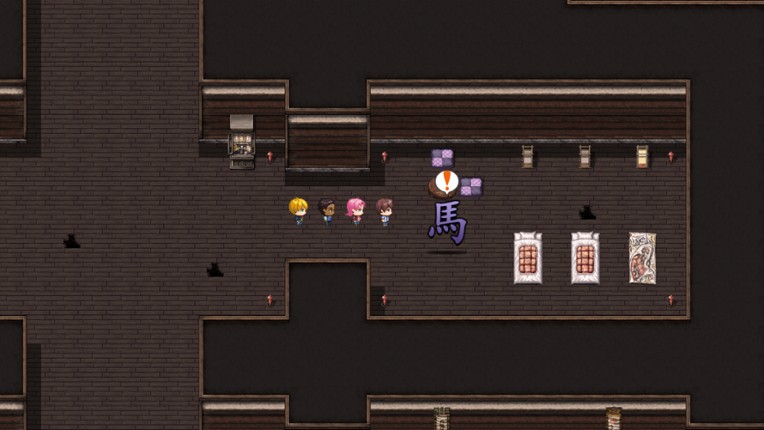
"Learn Japanese To Survive! Kanji Combat" is a video game designed to help players learn Japanese kanji through an immersive combat system. In the game, players battle monsters by correctly identifying and writing kanji characters, improving their language skills in a fun and interactive way. With multiple levels of difficulty and comprehensive reviews, it offers a unique approach to language learning.

Skip User Reviews

82%
Audience ScoreBased on 274 reviews
story17 positive mentions
grinding21 negative mentions

  • The game effectively teaches Kanji through engaging gameplay, making the learning process fun and interactive.
  • It features a well-structured approach to memory retention, using repetition and visual aids to help players memorize Kanji meanings and pronunciations.
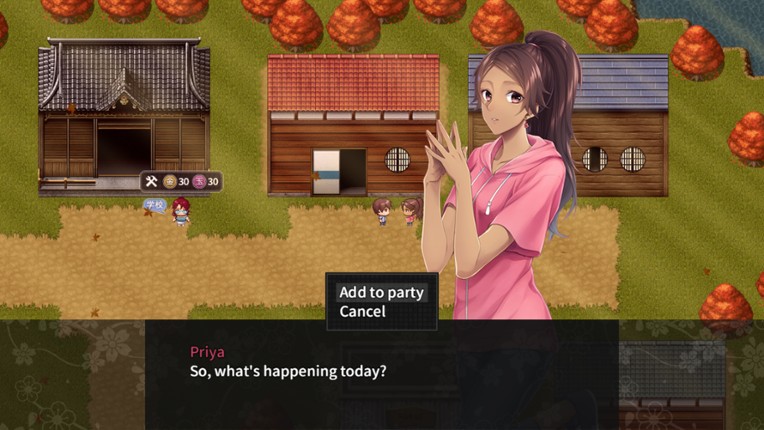
  • The addition of town-building mechanics and character interactions adds depth to the gameplay, enhancing the overall experience.
  • The game suffers from repetitive gameplay, with a predictable cycle of lessons followed by battles that can become tedious over time.
  • Technical issues such as crashes and bugs can disrupt the learning experience, making it frustrating for players.
  • The story and character development are often seen as lacking depth, which can detract from the overall enjoyment of the game.
  • story
    83 mentions Positive Neutral Negative

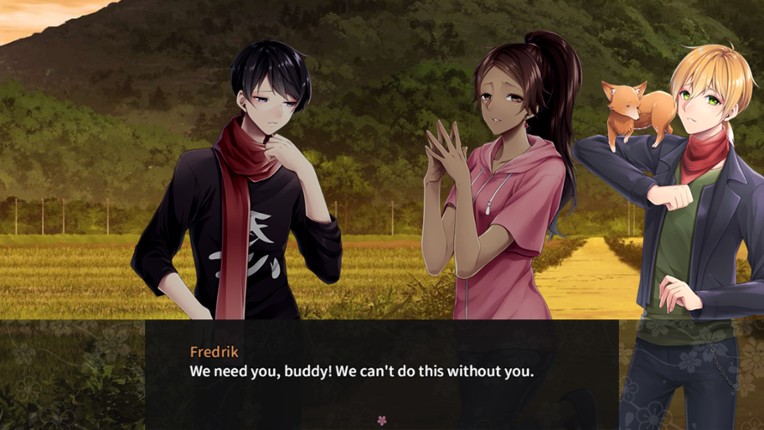
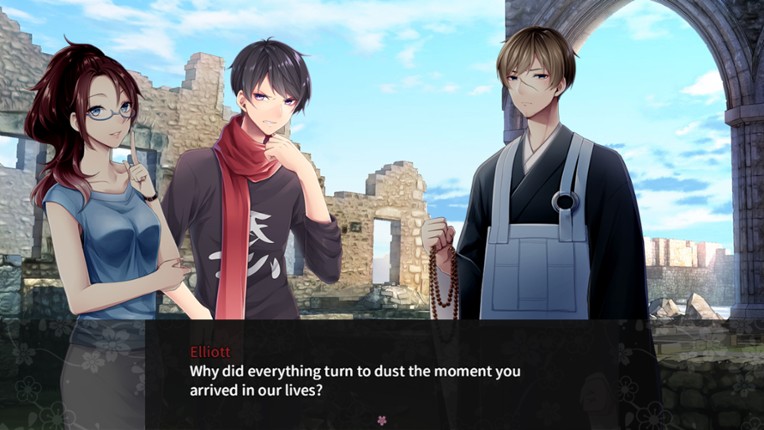
    The game's story has received mixed reviews, with many players finding it basic, poorly written, and overly intrusive to the educational aspects of the gameplay. While some appreciate the unique narrative and character development, others criticize the dialogue as reminiscent of early fanfiction and feel that the story detracts from the primary goal of learning kanji. Overall, the story is seen as a significant focus of the game, but it often fails to engage players fully, leading to a desire for more streamlined or improved storytelling.

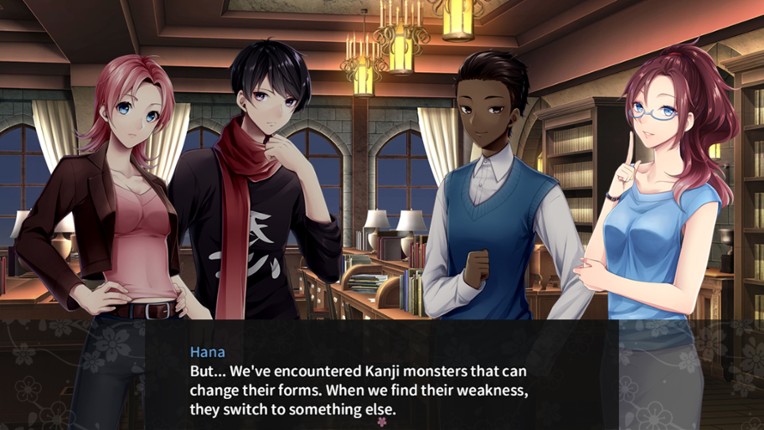
    • “The game's story was not just a backdrop for learning; it was an epic tale where I, Kiba Snowpaw, traveled to Japan to defend against shape-shifting monsters.”
    • “The story is engaging, and unlike the first game, the combat does not get in the way of the lessons - on the contrary, when combined with good note-taking, I found that the lessons stuck with me when playing kanji combat, and there's more to do besides learning the kanji as well!”
    • “Not only does it help memorize kanji, it also has an interesting story and characters.”
    • “The story seems to be the focus of these games; it's just a disappointing shame that they never gave the story to someone else to proofread their work or get a second opinion. To put it frankly, the story is bad, an improvement over the giant plot hole in Katakana Wars, but that was a low bar to surpass. Sadly, the story still feels like someone's first attempt at writing a story.”
    • “My only complaint would be that the story-based dialogue gets really tiring; there should be an option to skip to the kanji encounters instantly.”
    • “But the story dominates over any kind of actual learning to be had.”
  • gameplay
    50 mentions Positive Neutral Negative

    The gameplay has received mixed reviews, with many players noting its repetitive nature and rudimentary mechanics that detract from the overall experience. While some appreciate the strategic educational elements and the addition of town-building mechanics, others criticize the fast-paced battle animations and lack of engaging storylines. Overall, the game serves its purpose in teaching kanji but often feels tedious and lacks the depth expected from a JRPG.

    • “The town building mechanic was a nice addition to give the player something besides just item upgrades to work towards.”
    • “Despite this, the general gameplay loop is fun and satisfying enough to help you learn kanji without it being a stressful, agonizing experience, like it is to learn from textbooks.”
    • “The game also introduced a little city building mechanic which was decently fun and it gave the player the option to micromanage which buildings to build first.”
    • “Also, it is not possible to save progress often, so in addition to repetitive gameplay, you have to replay the same steps many times.”
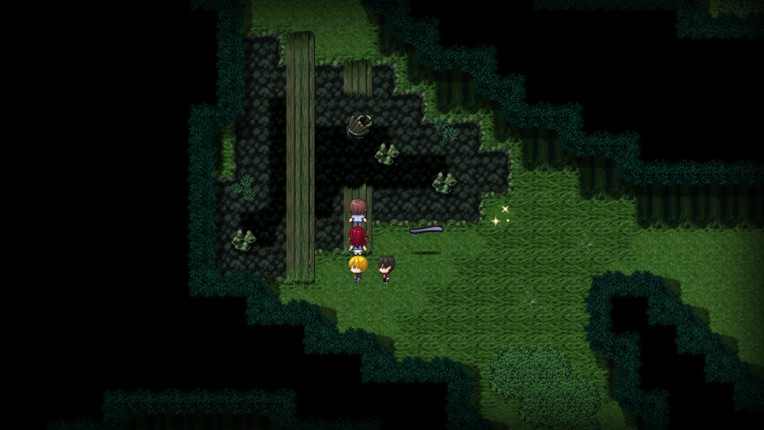
    • “The story and dialogs are very basic and not particularly motivating; the gameplay itself is rudimentary while the graphics and user interface could be done better by any hobby junior developer using RPG Maker.”
    • “Side quests are repetitive, achievements got removed, and the game is much bigger, which makes the gameplay stale fast, so it feels like a chore to complete.”
  • grinding
    21 mentions Positive Neutral Negative

    Reviews indicate that the grinding in the game is a mixed experience; while it can be tedious and repetitive, many players find it engaging and rewarding, especially in the context of learning kanji. The grinding is often seen as necessary for character development and skill improvement, but some players feel it extends gameplay artificially and detracts from the overall experience. Overall, the grinding aspect is both a source of frustration and a means of enhancing educational value, depending on individual preferences.

    • “It's forcing a lot of grinding rather than letting the player self-practice characters they might be weak with.”
    • “Just as the grinding needed to build the town, it feels like a cheap way to extend play time.”
    • “I'm a little dismayed that the gameplay involves a lot of grinding in a practice dungeon so one can survive the real encounters.”
  • music
    18 mentions Positive Neutral Negative

    The music in the game has received mixed reviews, with many players appreciating its originality and ability to enhance the overall experience, particularly during battles. While some find the soundtrack varied and enjoyable, others feel it lacks depth compared to other titles. Overall, the music is generally considered a strong aspect, contributing positively to the game's atmosphere and emotional engagement.

    • “An original soundtrack that captures the essence of adventure and learning.”
    • “I'm actually most impressed by the music.”
    • “The soundtrack is melodious and fits the tones of the situations encountered.”
    • “- Soundtrack 4/10 - The soundtrack in this game is worse than the Katakana Combat one. I don't feel much during battles.”
    • “+ The music is varied enough to not get annoying right away, but some of it is actually not bad. There's even a unique final boss song with vocals and a credit song!”
  • graphics
    11 mentions Positive Neutral Negative

    The graphics of the game receive mixed reviews; while some users praise the detailed character models and beautiful anime-style artwork, others criticize the overall quality as reminiscent of amateur RPG Maker projects. The user interface and certain graphical elements, such as poorly executed hand-drawn kanji, detract from the experience, suggesting a need for improvement. Overall, the visuals are seen as a highlight for some players, particularly those interested in the RPG genre, but they fall short for others seeking a more polished presentation.

    • “The character models in particular are detailed, with strong animations, and the artwork is beautiful to look at with authentic anime-styled drawings.”
    • “Music, graphics, and gameplay are all good, and the main focus is always on learning.”
    • “Graphic 8/10... seem okay for me as an RPG fan and Japanese learner user... it's like playing a Pokémon game :)”
    • “The graphics and user interface could be done better by any hobby junior developer using RPG Maker.”
    • “Few 'hand-drawn' kanji graphics were also bad; a single one even had a mistake.”
    • “The current concept is good, but if somehow the developers are capable of improving the graphics (not like the current RPG Maker style), it would be gold.”
  • stability
    5 mentions Positive Neutral Negative

    The game's stability is severely criticized, with frequent freezes, black screens, and crashes occurring every 5-10 minutes, rendering it nearly unplayable. Users report issues with saving progress and various bugs affecting gameplay mechanics, leading to a frustrating experience overall.

    • “Game freezes or shows a black screen every 5-10 minutes... totally unplayable.”
    • “I've tried twice now to get through the long intro dialog sequence, but the game always freezes before I even get a chance to save.”
    • “If the content wasn't like the way it is already, this game is buggy, laggy, slow, flows like spoiled honey, crashes so many times, and it feels like it is going to crash your computer.”
  • humor
    5 mentions Positive Neutral Negative

    The humor in the game is characterized by self-aware and cringey dialogues that may not appeal to everyone, but some players find them amusing. Additionally, the humorous explanations for kanji and entertaining character scenes contribute to an overall enjoyable comedic experience. Overall, while opinions vary, many players appreciate the game's funny elements.

    • “I didn't know what to expect from this game, but it turned out to be actually funny to play.”
    • “It's a bit funny, a good concept, and the characters have little scenes too, which is cool.”
    • “I admit that the little classes about the kanjis are somewhat not-trash; funny explanations to help you remember.”
  • character development
    3 mentions Positive Neutral Negative

    Character development in the game is seen as limited and somewhat intrusive, detracting from its educational focus. While there are attempts at character exposition, many feel that the depth is insufficient given the game's potential, suggesting that improvements in graphics and additional content could enhance the overall experience.

    • “The current concept is good and definitely proves that the developers really learn from their mistakes from the previous series. If they are capable of improving the graphics and playtime by adding more events, stories, and character development, it would be gold, just like Koe.”
    • “There's exposition and character development and a generic RPG thrown in, but it really gets in the way of what should be a more straightforward educational game.”
    • “I understand that you can't expect full-fledged character development given the nature of the game, but in this case, Hana's heart event just seemed wrong.”
    • “The current concept is good and definitely proves that SD really learned from their mistakes from the previous series, but if somehow SD is capable of improving the graphics (not like the current RPG Maker style) and playtime - adding more events, stories, character developments, etc., it would be gold, just like Koe.”
  • replayability
    2 mentions Positive Neutral Negative

    Players feel that the game's replayability could be significantly enhanced by allowing them to type in their answers, while others note that the scarcity of resources required for building upgrades adds a layer of challenge that encourages multiple playthroughs. Overall, the current mechanics provide some replay value, but improvements could make it much more engaging.

    • “The replayability is greatly enhanced by the vast array of resources required for building, which are scarce when hunting the obakes.”
    • “Game would be 10,000 times more enjoyable if we could simply type in our answers.”
    • “The replayability is only increased due to the large amount of resources needed for the buildings, which are scarce when hunting the obakes.”
    • “Game would be 10,000 times more playable if we could just type in our answers.”
  • optimization
    1 mentions Positive Neutral Negative

    The optimization of the game is criticized for its lengthy dialogues and the limited introduction of kanji, which hampers effective learning. Additionally, the presence of multiple readings for each kanji complicates the experience for players at all proficiency levels, from beginners to advanced learners.

    • “The dialogues are long and tiring, and we are presented with about three or four kanji at each level, which does not offer an effective performance. Coupled with the fact that there is more than one reading for the studied kanji, this makes it difficult for learners at the beginner level, as well as for those at medium to advanced levels.”
Skip Game Offers

Buy Learn Japanese to Survive! Kanji Combat

Skip Videos

Videos

Skip Games Like Learn Japanese to Survive! Kanji Combat

Games Like Learn Japanese to Survive! Kanji Combat

Learn Japanese to Survive! Hiragana Battle Image
Learn Japanese To Survive! Katakana War Image
Learn Japanese RPG: Hiragana Forbidden Speech Image
Wagotabi: A Japanese Journey Image
Agarest: Generations of War Image
Skip FAQs

Frequently Asked Questions

Learn Japanese to Survive! Kanji Combat is a role playing game with fantasy and anime themes.

Learn Japanese to Survive! Kanji Combat is available on PC, Mac OS and Windows.

Learn Japanese to Survive! Kanji Combat was released on August 1, 2018.

Learn Japanese to Survive! Kanji Combat was developed by RIVER CROW STUDIO.

Learn Japanese to Survive! Kanji Combat has received positive reviews from players. Most players liked this game for its story but disliked it for its grinding.

Learn Japanese to Survive! Kanji Combat is a single player game.

Similar games include Learn Japanese to Survive! Hiragana Battle, Learn Japanese To Survive! Katakana War, Learn Japanese RPG: Hiragana Forbidden Speech, Wagotabi: A Japanese Journey, Agarest: Generations of War and others.