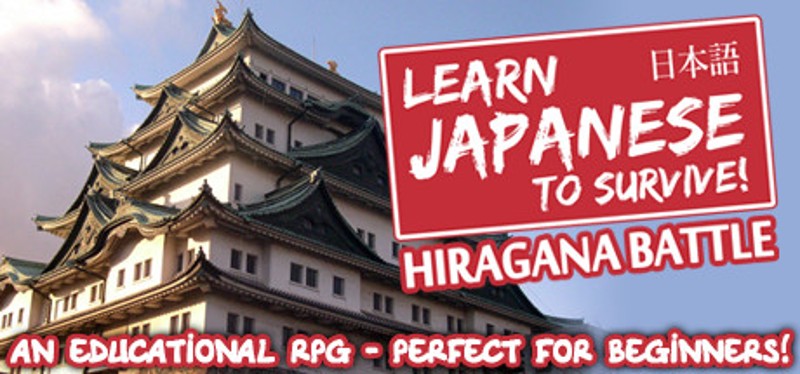
Learn Japanese To Survive! Hiragana Battle Game Cover
About

Learn Japanese To Survive! Hiragana Battle is a single player tactical role playing game with fantasy and anime themes. It was developed by RIVER CROW STUDIO and was released on February 16, 2016. It received very positive reviews from players.

The ideal introductory course to the Japanese language! Learn how to read and write Japanese characters (Hiragana) at a steady pace. A full-blown RPG specifically designed to keep you engaged. By playing along, you’re going to be introduced to the Japanese language like never before!

Skip User Reviews

90%
Audience ScoreBased on 1,589 reviews
story119 positive mentions
grinding138 negative mentions

  • Effective educational tool for learning Hiragana through gamified repetition and interactivity.
  • Includes lessons on pronunciation, stroke order, vocabulary, and some grammar basics aiding beginners.
  • Engaging JRPG style gameplay with a nostalgic retro art style and music that reinforces learning.
  • High encounter rate and repetitive battles can become tedious and frustrating for some players.
  • Combat system is clunky with slow animations and cumbersome menu navigation affecting game flow.
  • Limited story and character development with minimal gameplay depth outside educational aspects.
  • story
    378 mentions Positive Neutral Negative

    The story in this educational game is simple, lighthearted, and somewhat cliché, serving mainly as a motivational framework for learning hiragana rather than a deep or engaging narrative. While not groundbreaking or richly developed, it is often described as charming, occasionally humorous, and effective in keeping players invested enough to progress through the lessons. Overall, the storyline successfully supports the learning experience without overshadowing the primary educational goal.

    • “The game's premise, where players embark on a quest to save a fictional world by mastering hiragana characters, adds a playful twist to language learning.”
    • “The game presents itself with the plot of a traditional turn based jrpg, as a, per say, a 2d final fantasy, with a main character living in a forgotten town where some day a villain arrives trying to conquer them, and our character is the unsuspected hero that's up for beating badies, until they find out that the enemies are.... japanese symbols immune to all damage unless you know their meaning!... the usual, right?... and so the game establishes a mechanic that forces you to learn if you want to advance, and has all quests revolving around this, adding a new set of symbols slowly so you don't get overwhelmed, and some grammar details and suggestions that help you understanding.”
    • “The story is also very nicely implemented and connected to the lessons.”
    • “The story is probably the worst part of the game but I suppose this game's whole concept is silly and a story could be hard to write for this.”
    • “The storyline, the (attempt at) sidequests, the characters, sound and music... they're bland at best and shallow at worst.”
    • “The story, while absolutely sufficient for this kind of game, is the only weak point.”
  • gameplay
    245 mentions Positive Neutral Negative

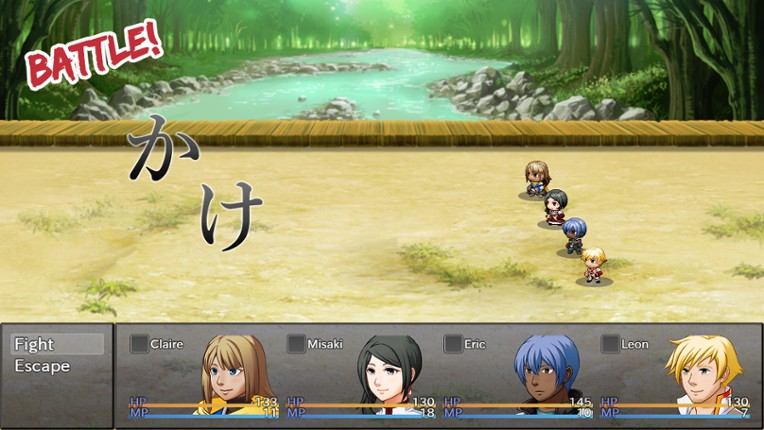
    The gameplay integrates simple JRPG mechanics to frame learning hiragana as repetitive battles, aiming to turn study into an engaging progression system. While some find the repetitive combat tedious, clunky, and slow-paced, others appreciate the straightforward design that reinforces memorization through consistent drilling. Overall, the gameplay is basic and sometimes frustrating, but it supports learning by incorporating language practice into RPG-style encounters, though it often sacrifices depth and polish.

    • “Instead of relying on traditional flashcards or rote memorization, it frames learning as an adventure, using familiar JRPG conventions to turn study into progression and repetition into gameplay.”
    • “The repetitive nature of random encounter battles really suits the sort of study-like mechanics of memorization you'd expect when doing language.”
    • “The mechanics of the game combined with lessons make for solid reinforcement of what you learn.”
    • “The gameplay quickly devolves into you spamming through UI menus to click the correct attack patterns over and over, rather than focusing on actually learning.”
    • “The gameplay is too repetitive, the dungeons are empty, and the encounter rate is too high.”
    • “The gameplay is actually so monotonous that it manages to distract me from the lessons themselves.”
  • grinding
    140 mentions Positive Neutral Negative

    The grinding aspect of the game is frequently described as tedious, repetitive, and slow, often involving long battles, backtracking, and menu navigation that some players find frustrating. However, many acknowledge that this grind effectively reinforces hiragana memorization, making it a useful learning tool despite the gameplay's monotony. For players who enjoy JRPG-style grinding, this mechanic can be rewarding, but others may find it cumbersome and fatiguing.

    • “+ No grinding required, but if you wish to, grinding is fun because you're learning the whole time”
    • “I wasn't actually able to finish the game; I got to a point where there was a gauntlet of encounters without healing between, and I couldn't pass it without committing to a lot of grinding.”
    • “Random encounters are normally pretty tedious, but this game makes them even slower than a normal RPG because only the correct answer 'attack' will do any damage, so you have to scroll through an ever expanding list of characters as you progress.”
    • “Moving around is a pain, everything looks bad visually, battles are incredibly tedious and frustrating, the game demands you grind for levels, and worst of all: featureless maze based dungeons.”
  • music
    110 mentions Positive Neutral Negative

    The game's music is generally praised for being catchy, relaxing, and fitting the lighthearted, educational atmosphere, with several noting a strong retro or RPG-inspired feel. However, it can become repetitive, especially in battle themes, and the volume balance between pronunciation clips and background music sometimes requires adjustment. Overall, the soundtrack is considered one of the game's highlights, enhancing the learning experience despite occasional monotony.

    • “The soundtrack complements the game's lighthearted atmosphere.”
    • “During the periods when you're learning new vocabulary and characters, it's very relaxing and easy to focus thanks to the visual and musical arrangement.”
    • “The music in this game was top notch, and I liked the retro gameplay and graphics.”
    • “The voice for the Japanese words also tends to be lower than the in-game music—I had to increase the volume to listen to it most of the time.”
    • “Music - you'll find the same music almost everywhere in the game. The same learning theme music for all 20ish lessons, the same battle theme for all fights in the game except the last dungeon, and the same theme when walking around the world map.”
    • “The music can be repetitive, and the storyline is not very interesting.”
  • graphics
    65 mentions Positive Neutral Negative

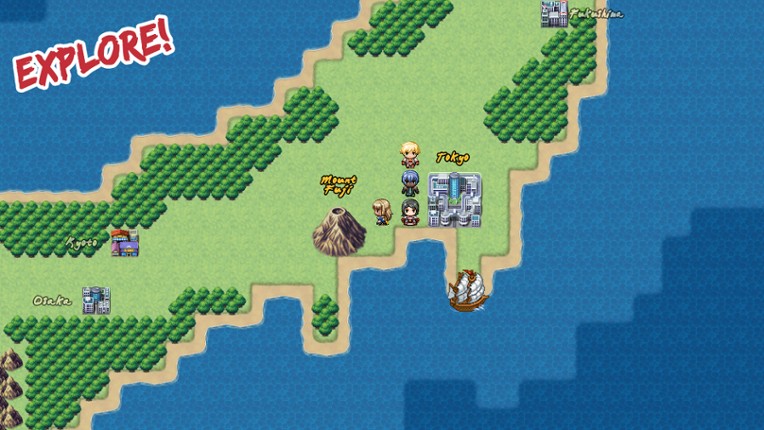
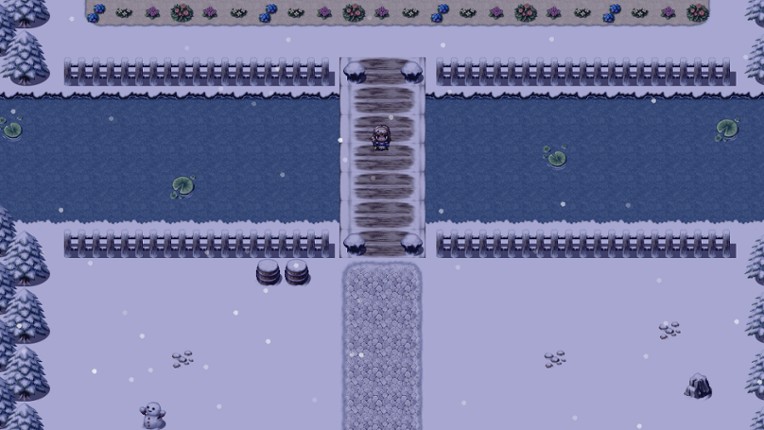
    The game's graphics feature charming, retro pixel-art visuals reminiscent of classic RPGs like early Final Fantasy and Pokémon, with simple sprite-based designs and colorful character art. While the graphics are often described as basic or typical of RPG Maker assets, many find them appealing and effective for the learning experience, balancing nostalgic style with clear, functional visuals suited for educational purposes. Overall, the visuals support the game's focus on teaching Japanese without overwhelming players, delivering a nostalgic and accessible aesthetic.

    • “Visually and aurally, the game adopts a charming retro pixel-art style that reinforces its nostalgic RPG identity.”
    • “The graphics look awesome, it has great music and most important it makes learning hiragana easy and fun.”
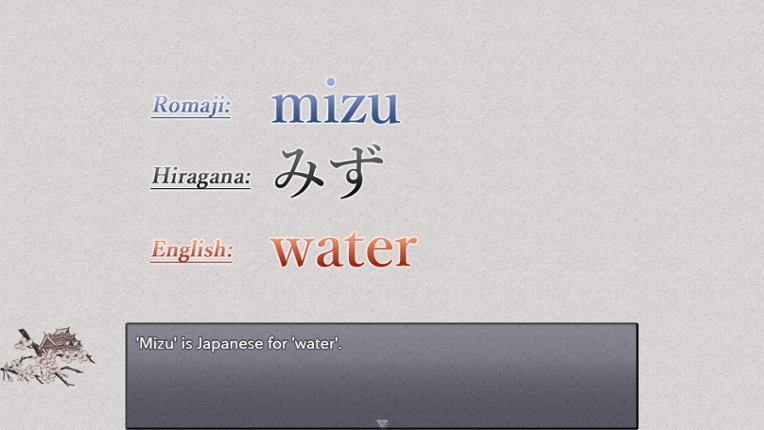
    • “Each character comes with clear explanations, stroke-order visuals, and pronunciation cues, ensuring that learners understand not just what the symbol looks like, but how it sounds and how it is written.”
    • “The graphics are simple, sprite-based, and reuse a lot of assets.”
    • “The graphics are basic RPG Maker MV assets that come with the engine.”
    • “The music can get a bit repetitive and the graphics are boring, but I guess that doesn't really matter for its main purpose.”
  • humor
    44 mentions Positive Neutral Negative

    The game's humor is lighthearted, cheesy, and often funny, blending silly dialogue and amusing characters with educational content. It effectively uses humor to make learning Japanese enjoyable and engaging, though some find the jokes and plot cheesy but charming. Overall, the humor adds charm and motivation without being overly serious or forced.

    • “While the developers could have shipped off a product that's only as deep as its educational merits, Sleepy Duck ultimately created a world and cast with substantial charm and humor (especially for an educational source).”
    • “There are also plenty of side-quests that teach you vocabulary – for instance, one side quest teaches you the names of food in a cafe and how to order them – and a lot of the writing for the side quests is legitimately hilarious.”
    • “This game makes the classic gimmick of 'play and learn' that most kids hated when it was forced on them for school, and it's definitely focused on just making you learn Japanese symbols, and it's only sprinkled with JRPG details presented in such a format that attracts a different demographic... yet it managed to capture this certain charisma and grace on its ridiculous plot to a point that it's enjoyable, funny, and even interesting (if you learn to take it less seriously at least).”
    • “That is slow and not funny.”
  • stability
    6 mentions Positive Neutral Negative

    The game's stability is mixed, with several users reporting frequent bugs, crashes, and frustrating glitches, particularly related to the RPG Maker MV engine causing freezes. However, some players note that it runs smoothly without crashes and appreciate aspects like the portrait art and soundtrack. Overall, stability issues may impact the experience for some, though not universally.

    • “It's buggy, doesn't run properly, crashes a lot.”
    • “The game itself is a little buggy, not so much that you can't play, but enough to be frustrating.”
    • “Not a fan of RPG Maker MV engine; it causes frequent nano-loading freezes when exploring or accessing the status menu.”
  • emotional
    6 mentions Positive Neutral Negative

    Users found the game emotionally uplifting, as it significantly boosted their confidence and enjoyment in learning Japanese, especially compared to traditional methods. However, some felt that a lackluster story made progress feel like a chore, highlighting that consistent practice remains essential. Overall, the game fostered a positive and motivating learning experience.

    • “This game not only made me feel confident in learning Japanese, it made me genuinely enjoy it, even the boring textbook stuff.”
    • “I was too lazy every other time I tried memorizing hiragana, but having a game to help with not only hiragana but also a bit of grammar made it a lot more enjoyable.”
    • “This really streamlined the learning and made me feel like I wasted so much time trying to learn these characters on my own from books.”
  • optimization
    4 mentions Positive Neutral Negative

    Users report that the game experiences noticeable performance issues, indicating a need for significant optimization, especially on lower-end hardware like convertibles.

    • “Maybe I should add that I played the game on a convertible, which surely does not offer the best performance.”
    • “However, this needs some serious optimizations.”
    • “Only problem I had was some performance issues.”
  • character development
    2 mentions Positive Neutral Negative

    Users appreciate the game's colorful and visually appealing character designs but note a complete lack of character development throughout the experience.

    • “Zero character development.”
  • replayability
    2 mentions Positive Neutral Negative

    The game offers straightforward and accessible components, making it easy to learn and enjoy multiple times. Additionally, the inclusion of replayable lessons enhances its long-term replayability.

  • atmosphere
    1 mentions Positive Neutral Negative

    The atmosphere is enhanced by a lighthearted tone, well supported by a fitting and complementary soundtrack.

  • monetization
    1 mentions Positive Neutral Negative

    The game features no DLC or microtransactions, offering a complete experience without additional purchases.

Skip Game Offers

Buy Learn Japanese To Survive! Hiragana Battle

9h Median play time
8h Average play time
4-10h Spent by most gamers
*Based on 18 analyzed playthroughs
Skip Videos

Videos

Skip Games Like Learn Japanese To Survive! Hiragana Battle
Skip FAQs

Frequently Asked Questions

Learn Japanese To Survive! Hiragana Battle is a tactical role playing game with fantasy and anime themes.

Learn Japanese To Survive! Hiragana Battle is available on PC, Mac OS and Windows.

On average players spend around 8 hours playing Learn Japanese To Survive! Hiragana Battle.

Learn Japanese To Survive! Hiragana Battle was released on February 16, 2016.

Learn Japanese To Survive! Hiragana Battle was developed by RIVER CROW STUDIO.

Learn Japanese To Survive! Hiragana Battle has received very positive reviews from players. Most players liked Learn Japanese To Survive! Hiragana Battle for its story but disliked it for its grinding.

Learn Japanese To Survive! Hiragana Battle is a single player game.

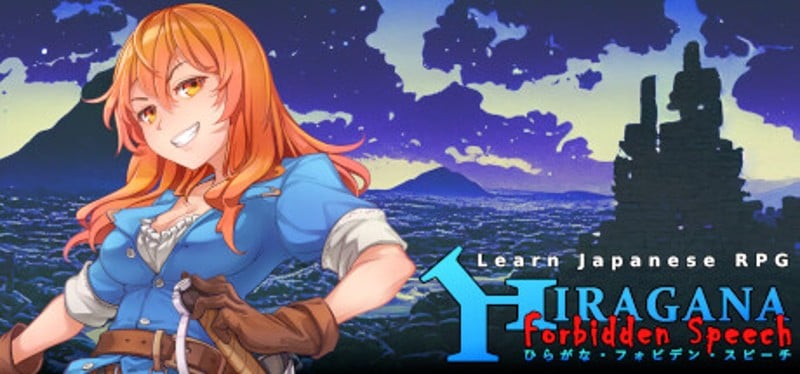
Similar games include Learn Japanese To Survive! Katakana War, Learn Japanese To Survive! Kanji Combat, Japanese Dungeon: Learn J-Word, Learn Japanese RPG: Hiragana Forbidden Speech, Wagotabi: A Japanese Journey and others.