Final Fantasy III

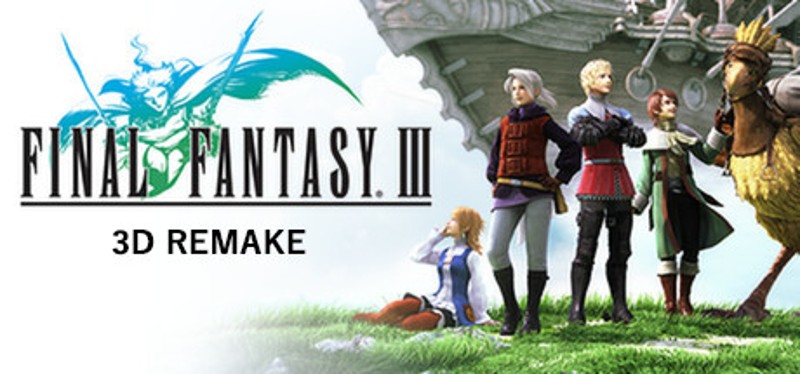
Final Fantasy III Game Cover
94%Game Brain Score
story, music
grinding, character development
94% User Score Based on 1,675 reviews

Platforms

Xbox Cloud GamingXboxSteam DeckiPhoneWindowsPCTabletXbox Game PassCloudPhoneiPadNVIDIA GeForce NOWMobile Platform
Final Fantasy III Game Cover

About

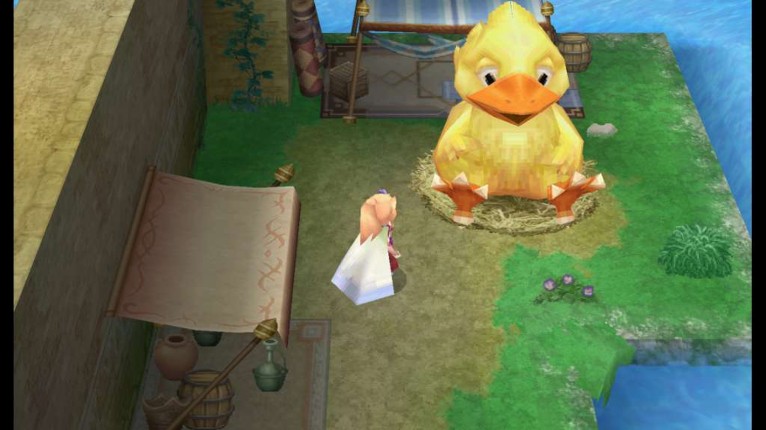
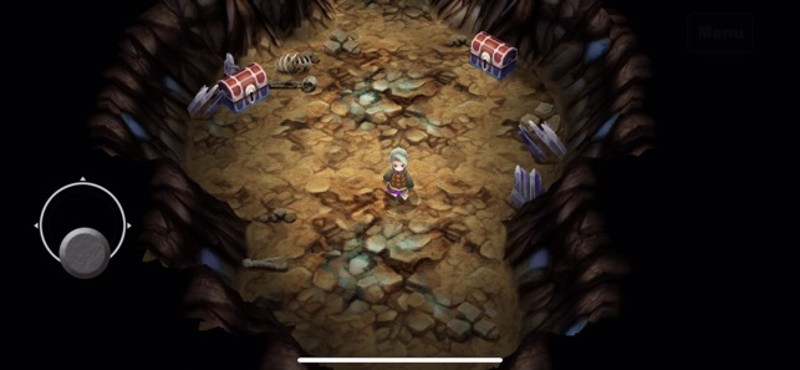
Final Fantasy III is a single player open world role playing game with a fantasy theme. It was developed by Square Enix and was released on May 27, 2014. It received very positive reviews from players.

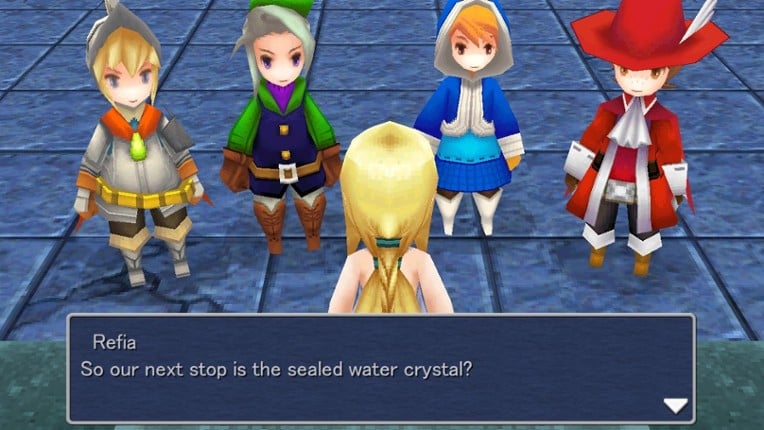
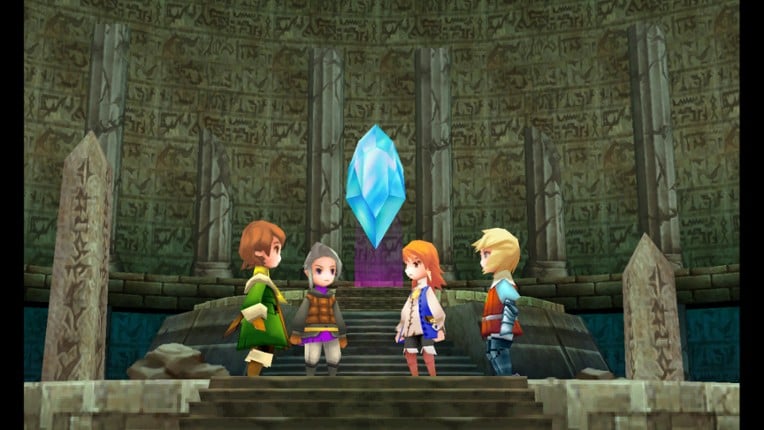
When darkness falls and the land is robbed of light, four youths are chosen by the crystals to set forth on a journey to save the world.
Skip User Reviews

94%
Audience ScoreBased on 1,675 reviews
story159 positive mentions
grinding190 negative mentions

  • The game introduces a versatile and engaging job system that allows players to switch character classes freely and experiment with different party compositions, adding strategic depth.
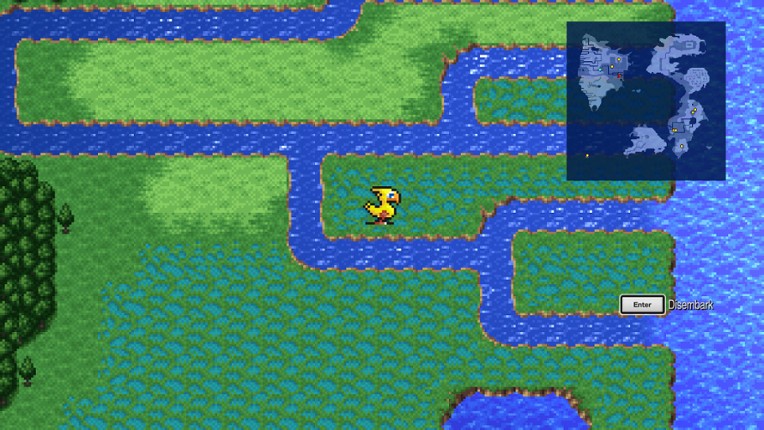
  • Improved world exploration compared to previous entries, featuring expanded maps, hidden passages, underwater dungeons, and meaningful rewards for exploration.
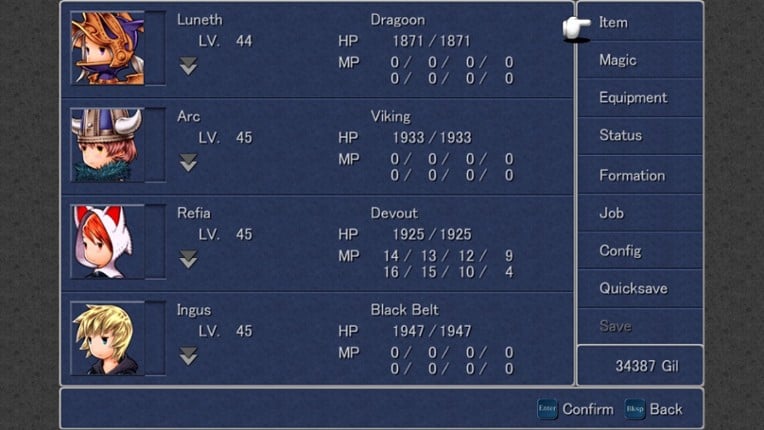
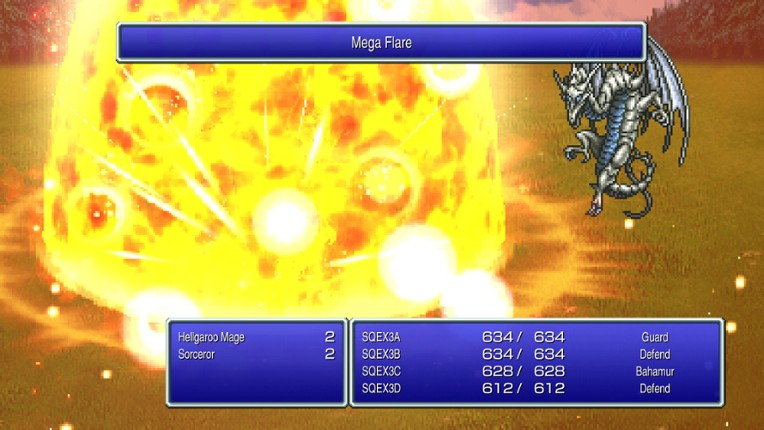
  • The Pixel Remaster version offers significant quality-of-life improvements such as auto-battle, quick saving, an in-game map, and beautifully remastered graphics and soundtrack, which enhance the overall experience.
  • The story is simple, often lacking depth and character development, with occasional tonal inconsistency and limited emotional impact.
  • Certain dungeons and boss fights force players to use specific jobs or status effects, which can feel restrictive and detract from player freedom and experimentation.
  • The difficulty has sharp spikes, particularly in late-game areas and the final dungeon, sometimes requiring extensive grinding and strategic job management, which may be frustrating.
  • story
    739 mentions Positive Neutral Negative

    Final Fantasy III's story is a simple, traditional quest-driven narrative about four warriors restoring balance by recovering elemental crystals, marking an improvement in cohesion and character interactions over its predecessors but remaining less complex and emotionally engaging than later series entries. The plot is often described as bare-bones, with minimal character development and some clichéd or predictable elements, though it features charming moments, lightheartedness, and foundational themes like light versus darkness. While not the series' storytelling high point, the story effectively supports exploration and gameplay, serving as a solid backdrop to the innovative and much-praised job system.

    • “The plot of Final Fantasy 3 is not simple to say the least; it is a grand adventure spanning two continents, where you travel between each to further the story and meet new friends.”
    • “Uch to my surprise, Final Fantasy III’s story is a step up from its predecessors as well, and not just because it heavily inspired the fabulous story in Final Fantasy XIV: Shadowbringers. First, there are a plethora of excellent NPCs who help you along the way, and the town-to-town storytelling is pretty engaging. Once the plot to destroy the world is revealed, it’s nothing new, but there is more heart and humanity here than I was expecting. Although the story might be a little simple, never reaching the anime-as-hell heights of Final Fantasy IV, I still found it engaging enough to keep me moving.”
    • “Essentially taking the story from the original and completely fleshing it out, Final Fantasy III brings a whole new world to explore and a refreshed cast for you to meet on your travels. The main characters, despite initially being silent protagonists, gradually reveal their personalities and motivations as the story unfolds, creating a sense of attachment and investment. While the story may not reach the complexity and depth of later entries in the series, it still manages to captivate players with its well-paced plot twists and character development.”
    • “The story is painfully simplistic and feels like it was written by a child.”
    • “The story is unoriginal and uninspired, using the same generic storyline as the previous two entries (with some twists and turns), absolutely no character development, minimal dialogue, a bad level curve and a lack of any real direction.”
    • “-story is comically bad, like genuinely certain parts just made me stare blankly at the screen.”
  • music
    519 mentions Positive Neutral Negative

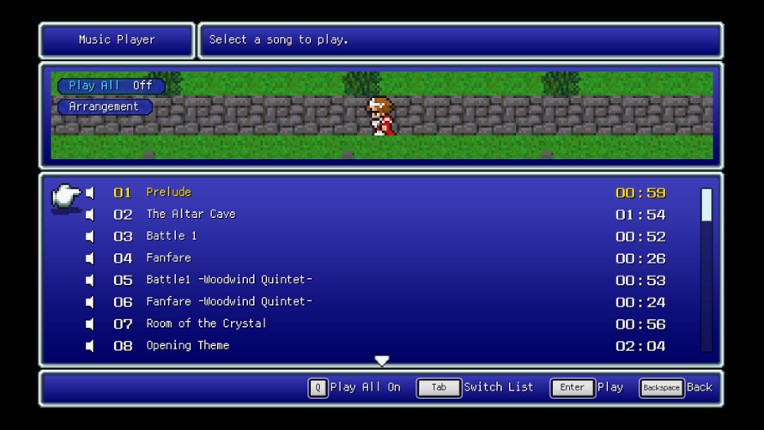
    The music in this game, especially in its Pixel Remaster version, receives widespread acclaim for its beautifully remastered, orchestral arrangements by Nobuo Uematsu that enhance the original 8-bit soundtrack. Reviewers highlight the soundtrack as a standout feature, with standout tracks like "Eternal Wind" and final boss themes, praising how the music enriches the game's emotional and adventurous atmosphere. Overall, the soundtrack is considered one of the best in the early Final Fantasy series and a major reason to experience this version.

    • “The pixel remaster treatment does the game justice with crisp sprites and a fantastic remastered soundtrack, with tracks like Eternal Wind standing out as genuine highlights.”
    • “Nobuo Uematsu's music reaches new heights of genius with Final Fantasy III, and the pixel remaster's arrangements of these tunes are gorgeous.”
    • “The soundtrack is about as long as FF1's and FF2's combined, and is a fantastic update of the classic OST with tons of live instrumentation and great arrangements.”
    • “The soundtrack is goofy Disney-like tunes compared to the second game (which was fantastic) in my opinion except for the final couple of areas which are pretty epic.”
    • “Village of the Ancients sounds like a music box, had me sleepy.”
    • “While I don't like the look of the character sprites, I find the soundtrack inferior to the 3D remake, and I'm disappointed they didn't include any of the bonus content from other remakes in this collection.”
  • gameplay
    317 mentions Positive Neutral Negative

    Final Fantasy III's gameplay is widely regarded as a significant improvement over its predecessors, especially due to the introduction of the job system, which adds strategic depth and variety by allowing players to switch character classes and abilities. While some find certain dungeon mechanics and job restrictions occasionally cumbersome or underdeveloped, the turn-based combat remains engaging and balanced, with quality-of-life improvements in recent remasters enhancing accessibility without compromising the classic JRPG feel. Overall, the gameplay blends traditional elements with innovative mechanics that laid the foundation for future series entries, making it a rewarding experience for fans of classic RPG systems.

    • “This entry excels in gameplay, particularly with the introduction of the job system—a feature that would go on to define many future Final Fantasy titles.”
    • “The core gameplay loop of mastering different jobs and conquering challenging battles remains as engaging as ever, making this installment a great blend of classic turn-based RPG mechanics and innovative features.”
    • “Final Fantasy III marks a massive leap forward in gameplay from its predecessors by implementing a dynamic job-switching mechanic that adds depth, strategy, and variety to the experience.”
    • “They did add some traversal mechanics like needing to be in certain forms to access certain areas, but these are used only a couple of times, and it never feels good to realize what you're supposed to be doing; it only feels like an annoyance when it comes up.”
    • “The bonus mechanics like using mini to do dungeons is more annoying than it is interesting.”
    • “- Classes are unlocked with gameplay and if you unlock a late game class, you don't want to farm with it to get it to a decent level for it to be worth it... it sucks that you can't choose any class to use from the start but nope, they are unlocked with gameplay, so yeah, I don't like that.”
  • graphics
    223 mentions Positive Neutral Negative

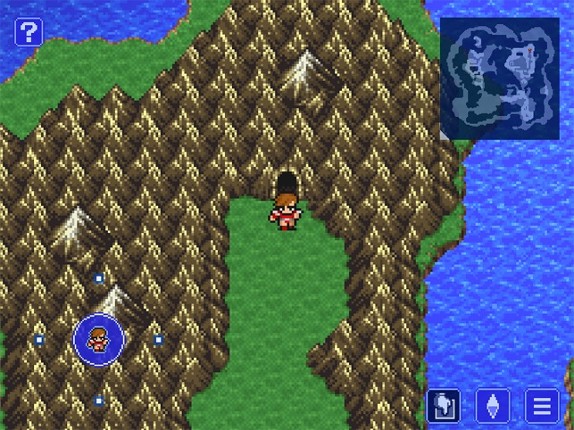
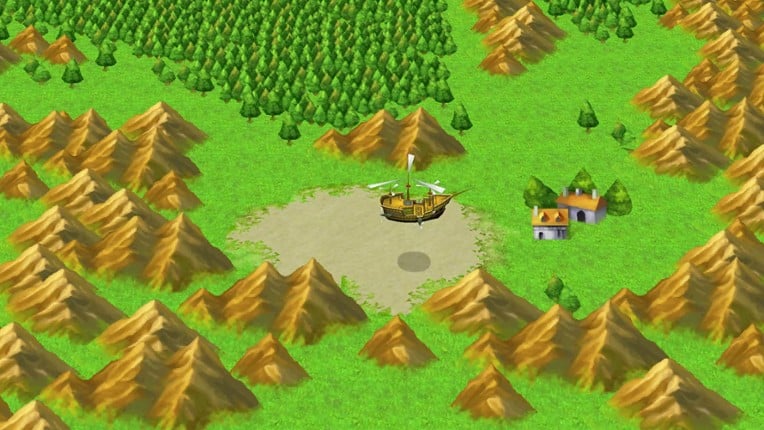
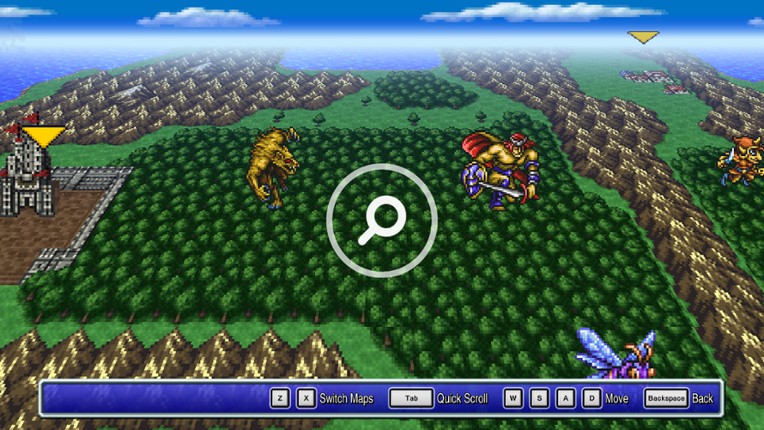
    The graphics in Final Fantasy III Pixel Remaster receive widespread praise for their faithful yet enhanced pixel art style, offering a vibrant, polished 16-bit aesthetic that modernizes the original visuals while retaining their nostalgic charm. Reviewers highlight crisp sprites, detailed environments, and tasteful effects that bring new life to the game without sacrificing its classic feel, though some note minor issues with font choice, occasional graphical glitches, and limited graphics settings. Overall, the remaster's visuals are considered a significant improvement, complemented by a beautifully reorchestrated soundtrack and accessibility enhancements that make the classic RPG visually appealing and accessible on modern devices.

    • “The pixel remaster modernizes the graphics beautifully, offering crisp sprites, richer environments, and a UI tailored to modern screens.”
    • “The remastered version of Final Fantasy III showcases beautifully updated visuals that breathe new life into the game's world and characters.”
    • “The polished visuals, beautiful soundtrack, and streamlined gameplay make this the perfect way to experience this classic.”
    • “Graphics show their age (even with pixel remaster touches).”
    • “Also, the art style of some of the battle backgrounds doesn't really match the art style of the rest of the game (the airship one in particular is also very weirdly angled).”
    • “My few gripes would just have to be: (1) the font, Arial Narrow with sharp shadow, doesn't really jive with the whole aesthetic; and (2) it doesn't have any form of v-sync nor does it try to sync up with g-sync/freesync monitors, showing obvious tears.”
  • grinding
    198 mentions Positive Neutral Negative

    Grinding in this game is notably reduced compared to earlier series entries, thanks to improved balance, quality-of-life features like auto-battle and experience boosters, and adjustable difficulty settings. While some players find grinding tedious—especially near the endgame or for mastering all jobs—many appreciate that it remains optional and manageable, with experimentation across jobs helping to break monotony. Overall, grinding is present but streamlined, making the progression challenging yet less burdensome than previous titles.

    • “Ninjas and sages were nerfed in favor of previously useless classes such as the viking and bard, which are now fantastic for late-game bosses, no grinding required.”
    • “One thing I'd like to mention is that the pixel remaster implements some QoL improvements such as changing jobs wherever and whenever and a nice leveling curve so you're not grinding forever.”
    • “Leveling is fun and not that grindy at all.”
    • “The idea is cool at first, but it got a bit tedious later on.”
    • “It's the worst system you can incorporate in a single-player game, it dials up the tedium to the max. I'm not gonna lie, I like some grinding, it can be satisfying at times but not for the 100 different roles my one out of four characters has including dragoon, knight and a bunch of different ones that all had separate gear you had to acquire for.”
    • “The difficulty curve is also fairly good for most of the game, but as you approach the end it starts to drastically ramp up to the point where the final stretch of the game will quickly outpace you without dedicating a bunch of time to grinding character levels, job levels and equipment.”
  • replayability
    31 mentions Positive Neutral Negative

    The game's extensive job system provides a high level of replayability, allowing players to experiment with diverse class combinations and strategies, keeping each playthrough fresh and engaging. While some find certain tasks tedious on subsequent runs, the depth and flexibility of jobs, along with new challenges and mods, significantly enhance replay value. Overall, the job system is widely praised as the core strength driving the game's enduring replay appeal.

    • “You unlock new classes for every crystal you are blessed by, and the diversity of classes makes not just for fun strategy, but adds some great replay value!”
    • “The concept of "jobs" is introduced for the first time and allows for an insane amount of replayability.”
    • “- beloved job system: experimenting with different job combinations and mastering their unique skills remains a core strength, offering strategic depth and replayability.”
    • “This is more of a problem for replayability purposes, as it can be tedious to work around these when replaying and trying out jobs you hadn't given enough spotlight in a previous playthrough.”
    • “For the devs: you could make one small update that would add so much replayability - new game plus with shops that sell every item, such that you could invent and try different class challenges.”
    • “There is some minor replayability in the end farming onion gear.”
  • emotional
    25 mentions Positive Neutral Negative

    The game delivers a surprisingly emotional experience, with heartfelt moments, a wholesome ending, and music that enhances the story's emotional impact. While some critics note the story may feel simplistic or fast-paced with limited character development, many players found it touching, impactful, and capable of evoking strong feelings such as sadness, pride, and warmth. Overall, the combination of narrative, music, and character arcs creates memorable and heartwarming emotional resonance.

    • “It made me cry at many parts, especially the sad ones and the ending.”
    • “The story and characters feel much more emotional than past games; characters have small story arcs that feel impactful, especially as the game culminates.”
    • “The ending genuinely made me feel happy and swelled me with pride, even gave me a chuckle with the kiss joke—you even get the girl!”
  • humor
    19 mentions Positive Neutral Negative

    The humor in the game is lighthearted and tongue-in-cheek, with genuinely funny jokes and moments sprinkled throughout the story and dialogue, providing a fun and silly contrast to darker themes. While the characters can feel like blank slates and some jokes fall flat, many players appreciate the humorous encounters and the game's self-aware, straightforward fantasy tone. Overall, the humor adds charm and personality, making the adventure enjoyable despite basic plotting and occasional lack of character depth.

    • “It's a very on-the-nose and straightforward fantasy story, but it knows exactly what it is and it's very tongue-in-cheek about it, which makes it a lighthearted and fun adventure with some genuinely funny jokes!”
    • “The four main characters are blank slates and the story is pretty basic, but the journey is marked with some very humorous moments like watching herder wrangling a sheep or the four old men who want to be heroes, that give this bare-bones scenario a lot of personality.”
    • “They gesticulate in dialog, crouch into their battle stances, cheer when they win, and fold into hilarious heaps when they get knocked out.”
  • character development
    17 mentions Positive Neutral Negative

    Character development in this game is minimal, with the main characters largely faceless and serving as generic "warriors of light" without distinct personalities or growth. While the story includes some early rapid character shifts and a few rewarding design elements, it lacks depth and complexity compared to later series entries or remakes, making character development one of its weaker aspects.

    • “While the story may not reach the complexity and depth of later entries in the series, it still manages to captivate players with its well-paced plot twists and character development.”
    • “Pixel remaster specifically, from what I saw myself and read about online, is a mix of ideas from the original NES storytelling and the 3D remake one (that had a more “modern” approach to the narrative) and as a result you get something that isn’t quite on the level of FFIV in terms of character development and memorability, but it’s almost there.”
    • “For starters, the party members in the 3D remake actually had names, unique character designs, and their own personalities.”
    • “For this game, the playable characters have next to no character development.”
    • “Your main character essentially speaks on behalf of everyone and there's not much story to give any character development.”
    • “Once again, the main party are faceless, nameless, warriors of light who have no personalities, no character development, and tend to speak as if they're a single entity.”
  • optimization
    15 mentions Positive Neutral Negative

    The game is generally well-optimized for modern PCs, running smoothly without crashes or major performance issues. However, some users report occasional minor stuttering and loading delays, along with criticism of lazy UI animations and text rendering. Overall, performance is solid but could benefit from slight improvements in stability and polish.

    • “For the tech, I had zero issues—no stutters, no crashes; the game is perfectly optimized for modern PCs.”
    • “Performance: no issues with performance.”
    • “Very clean sprites, runs smoothly, and great additional spell effects.”
    • “There are some performance problems, including rare random stuttering and minor loading time waits.”
    • “Cons: same questionable performance on PC that affected the FF1PR.”
    • “Lazy presentation: text boxes don't even animate, very poor and lazy text rendering, micro stuttering as you move your character around.”
  • stability
    9 mentions Positive Neutral Negative

    The game runs smoothly with no major bugs or game-breaking glitches, especially compared to earlier versions, and features reliable stability across platforms like the Steam Deck. Some users note it as a polished remaster with bug fixes and improved save/healing mechanics. However, a minority report encountering significant bugs, indicating mixed stability experiences.

    • “Also it runs great on the Steam Deck.”
    • “Animations throughout the game look good and it runs great.”
    • “This remaster is incredibly close to the NES version, besides obvious bug fixes and loads of balancing fixes (the best of which being the final dungeon - there are healing points finally! And you can save wherever you want, which is very helpful for the dark world). The game runs great, the graphics and art style are overall very nice, and the music arrangements are stellar.”
    • “The game itself is a big terrarium for bugs and glitches.”
    • “This game is broken and buggy as heck.”
    • “My ROM was buggy and I never got far.”
  • atmosphere
    9 mentions Positive Neutral Negative

    The game's atmosphere is praised for its charm, emotional impact, and immersive qualities, blending tension and excitement with a dreamlike, uplifting tone. Players appreciate how resource management enhances a feeling of desperation, while the musical and thematic elements evoke a memorable Final Fantasy ambiance. Overall, the atmosphere effectively supports both the story and gameplay, creating a compelling and engaging experience.

    • “Despite its limitations, the overall experience is solid — the game has charm, good atmosphere, and systems that keep you engaged through to the end.”
    • “Other than the fact that there 100% should have been a way to save the game at some point while going through this final set of 4 dungeons, it's just a great time all around to me, where just knowing to utilize the stockpile of resources you have at that point will drastically smooth out the process while also evoking this atmosphere of desperation as you see these resources slowly but surely dwindle.”
    • “There's a certain dreamlike atmosphere to the entire setting, which wasn't so much present in the original minimalistic FF1 or the dread-filled FF2.”
    • “Other than the fact that there 100% should have been a way to save the game at some point while going through this final set of 4 dungeons, it's just a great time all around to me, where just knowing to utilise the stockpile of resources you have at that point will drastically smooth out the process while also evoking this atmosphere of desperation as you see these resources slowly but surely dwindle.”
    • “I hear there's a hack you can apply to enable the fast-forward all the time, but I didn't use it; I feel like it would ruin the atmosphere of tense battles.”
    • “The solemn, but simultaneously exciting atmosphere was ruined.”
  • monetization
    1 mentions Positive Neutral Negative

    Users perceive the monetization of the remasters as a potentially lazy cash grab, suggesting that the games may prioritize profit over substantial new content or improvements.

Skip Game Offers

Buy Final Fantasy III

17h Median play time
19h Average play time
5-35h Spent by most gamers
*Based on 5 analyzed playthroughs
Skip Videos

Videos

Skip Games Like Final Fantasy III
Skip FAQs

Frequently Asked Questions

Final Fantasy III is a open world role playing game with fantasy theme.

Final Fantasy III is available on Steam Deck, iPhone, Windows, PC and others.

On average players spend around 19 hours playing Final Fantasy III.

Final Fantasy III was released on May 27, 2014.

Final Fantasy III was developed by Square Enix.

Final Fantasy III has received very positive reviews from players. Most players liked this game for its story but disliked it for its grinding.

Final Fantasy III is a single player game.

Similar games include DRAGON QUEST I & II HD-2D Remake, Octopath Traveler 2, Chained Echoes, Bravely Default 2, Romancing SaGa 2: Revenge of the Seven and others.