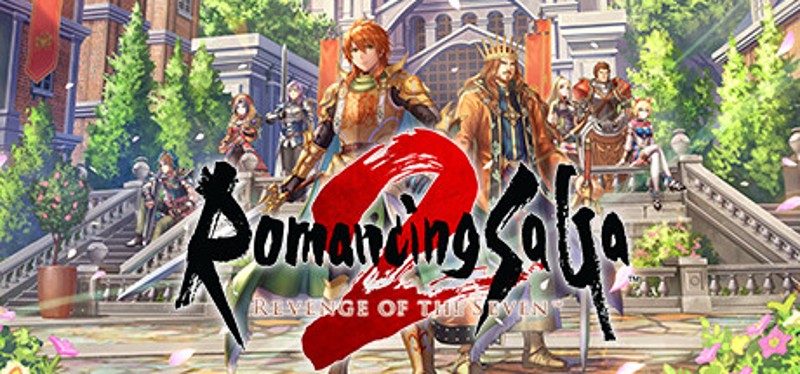
Romancing SaGa 2: Revenge of the Seven

Romancing Saga 2: Revenge of the Seven remakes an overlooked gem into a modern-looking feast for old-school JRPG fans, though some wrinkles still show.
Romancing SaGa 2: Revenge of the Seven Game Cover
85%Game Brain Score
story, gameplay
grinding, monetization
91% User Score Based on 999 reviews
Critic Score 78%Based on 8 reviews

Platforms

Nintendo SwitchXbox Series X|SPCPlaystation 5CloudPlaystation 4Xbox Cloud GamingXboxWindowsPlayStation
Romancing SaGa 2: Revenge of the Seven Game Cover

About

Romancing SaGa 2: Revenge of the Seven is a single player role playing game. It was developed by xeen Inc. and was released on October 24, 2024. It received mostly positive reviews from critics and very positive reviews from players.

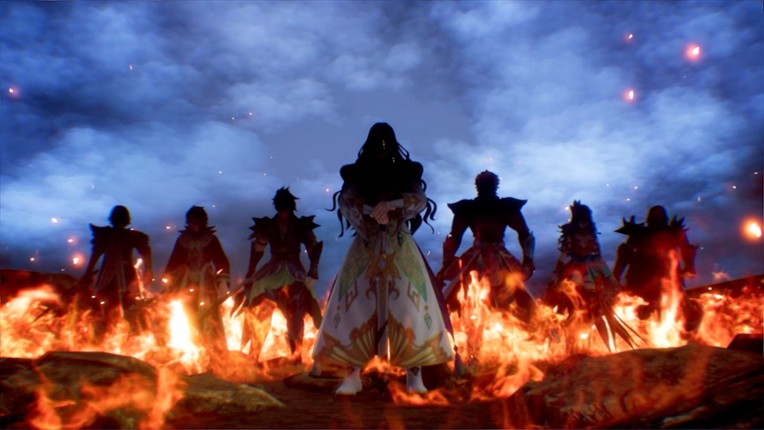
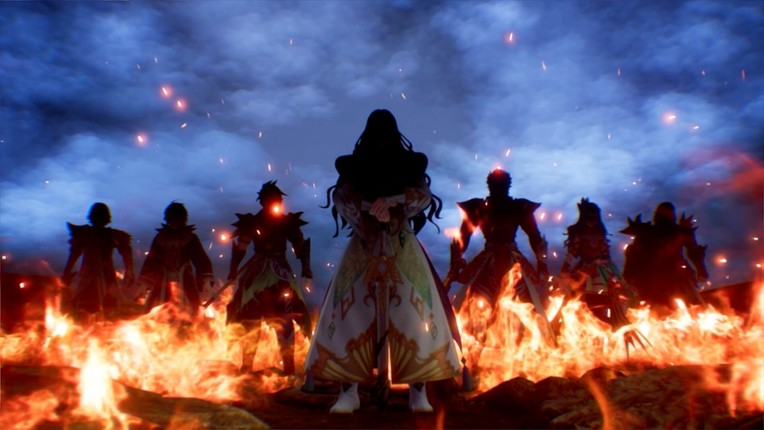
In "Romancing SaGa 2: Revenge of the Seven," players embark on a journey to save their empire from impending doom, as the legendary Seven Heroes return after thousands of years. This full remake of the 1993 RPG features non-linear gameplay, Japanese and English voiceovers, and newly arranged compositions. Carry over your demo save data and immerse yourself in an exciting adventure suitable for newcomers and franchise fans alike.

Genres & Tags
Play Modes
Skip User Reviews

91%
Audience ScoreBased on 999 reviews
story130 positive mentions
grinding55 negative mentions

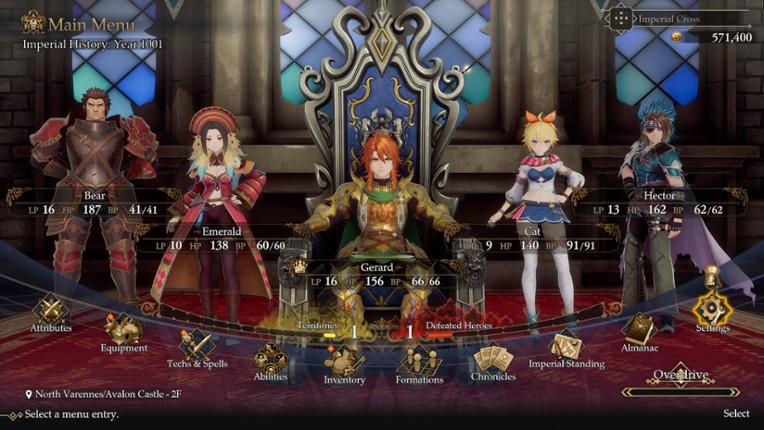
  • The game features a unique generational system that allows players to inherit skills and abilities from previous emperors, adding depth to character progression.
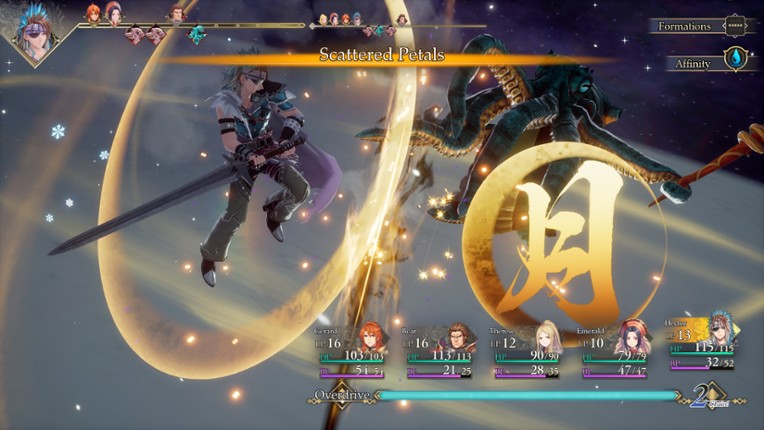
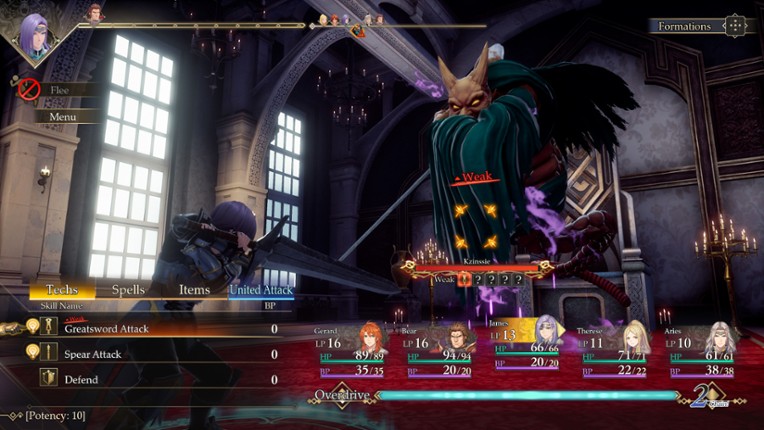
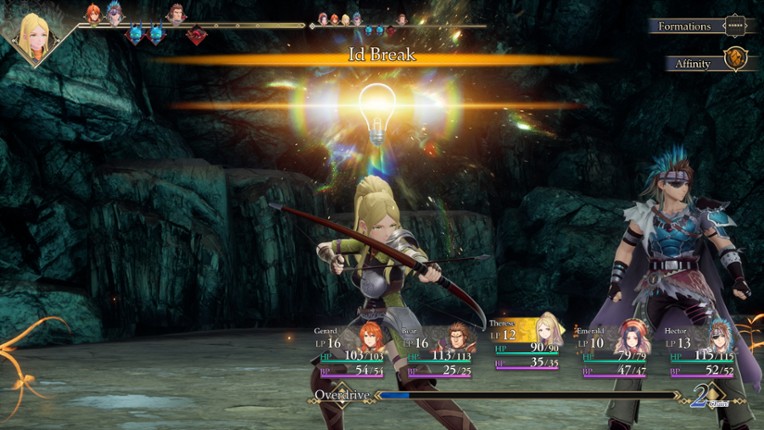
  • Combat is engaging and strategic, with a variety of classes, skills, and formations that encourage experimentation and tactical planning.
  • The visuals and music are well-crafted, enhancing the overall experience and immersing players in the game's world.
  • The story lacks depth and character development, making it difficult for players to form attachments to the characters.
  • The time skip mechanic can be jarring and may lead to missed quests or characters if players are not careful, which can be frustrating.
  • Enemy scaling can make battles feel tedious, as the more you grind, the tougher the enemies become, potentially punishing players for engaging in combat.
  • story
    592 mentions Positive Neutral Negative

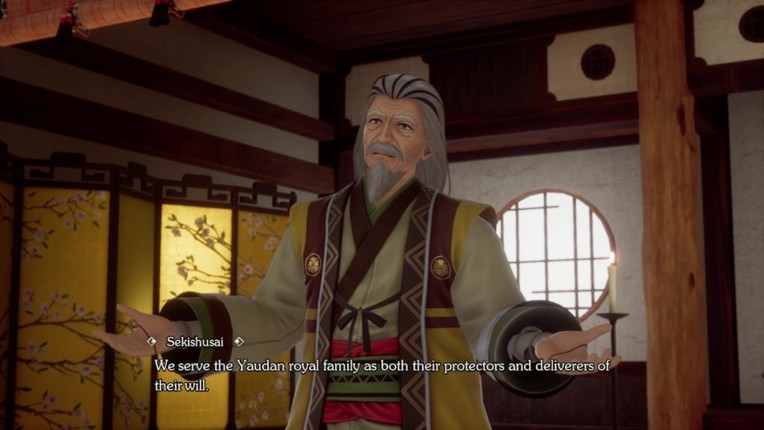
    The story in "Romancing Saga 2: Revenge of the Seven" is generally considered weak and simplistic, often taking a backseat to gameplay mechanics and exploration. While the premise of generational succession and the backstory of the seven heroes offers some intrigue, many players find the narrative disjointed and lacking in character development, with significant plot points revealed through scattered flashbacks. Overall, the game prioritizes gameplay freedom and mechanics over a cohesive and engaging story, making it more appealing to those who enjoy gameplay-driven experiences rather than story-centric ones.

    • “The narrative is rich and multi-layered, weaving political intrigue, personal drama, and mythic quests into a sprawling epic.”
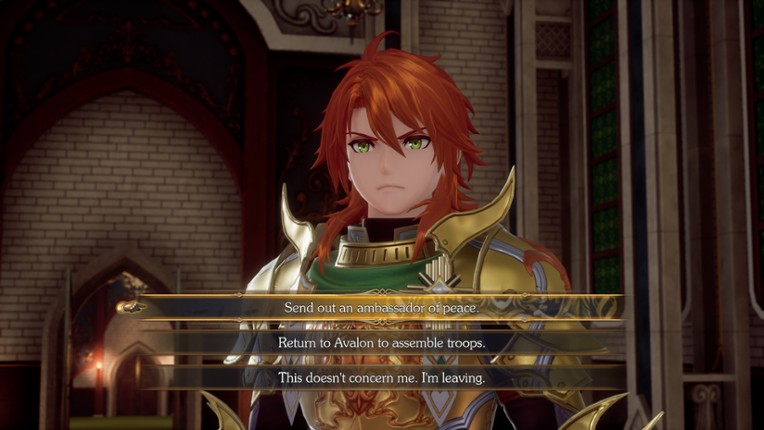
    • “The story unfolds through player choices and exploration rather than heavy-handed exposition, encouraging curiosity and discovery.”
    • “For those willing to embrace its complexity and non-linear storytelling, this game delivers an unforgettable saga filled with intrigue, adventure, and the enduring power of lineage.”
    • “The premise — seven legendary heroes turned villains — has potential, but the story is delivered in sparse, disconnected fragments.”
    • “The story is practically non-existent.”
    • “The story is extremely lacking, and it also pulls a bait and switch on you by giving you two playable characters with their own stories at the start, they shortly after (in under 3 hours) leave your party permanently, the rest of the game is simply played from the eyes of a generic character who the emperor ('you') reincarnate into.”
  • gameplay
    387 mentions Positive Neutral Negative

    The gameplay of "Romancing Saga 2: Revenge of the Seven" is characterized by its deep, strategic mechanics and a unique generational system that allows players to experience a lineage of characters, each inheriting skills and traits from their predecessors. While the combat is engaging and offers a variety of classes and abilities, some players find the timeskip and permadeath mechanics frustrating due to their complexity and potential to lock out content. Overall, the game prioritizes gameplay over narrative, appealing to those who enjoy intricate systems and tactical battles, though it may not resonate with players seeking a strong story.

    • “The core mechanics of the game, surprisingly, aged decently well.”
    • “The gameplay is highly addictive, and the visuals are stunningly beautiful, offering a refreshing and vibrant aesthetic.”
    • “The generations mechanic is a very unique gaming mechanic that I definitely believe is worth experiencing.”
    • “The 'inheritance' generational system is conceptually intriguing, but in practice it’s clunky and poorly explained, forcing players to rely on external guides to understand core mechanics like enemy scaling or missable classes.”
    • “The timeline mechanic is underused and after the initial phase of learning all the systems, the combat loop becomes rather stale.”
    • “Overall good battle experience and other JRPG elements, but the generation mechanic (where controlled party/characters die every chapter) is a fatal mistake for several reasons.”
  • music
    111 mentions Positive Neutral Negative

    The music in the game has received widespread acclaim, with many praising the remastered soundtrack by Kenji Ito for its emotional depth and memorable themes that enhance both combat and exploration. While the quality of the music is consistently highlighted as top-notch, some players express a desire for greater variety, noting that certain tracks are overused in repetitive battle scenarios. Overall, the soundtrack is considered a significant strength of the game, contributing to its immersive experience.

    • “The music, composed by Kenji Ito, delivers memorable themes that capture the game’s epic and sometimes melancholic tone, reinforcing the emotional weight of the story and the grandeur of the world.”
    • “The soundtrack is memorable, with tracks that set the tone for both epic battles and quiet moments of exploration.”
    • “The music is absolutely phenomenal—every track is a burst of energy and emotion that keeps you hooked throughout.”
    • “Sometimes I wished there was more variety for music in battles against normal enemies.”
    • “Many tracks are used a lot in the soundtrack, with many battle themes and exploration/town themes getting used very frequently.”
    • “The music is also problematic; there are too few tracks and they are too repetitively overused as a modern video game.”
  • graphics
    104 mentions Positive Neutral Negative

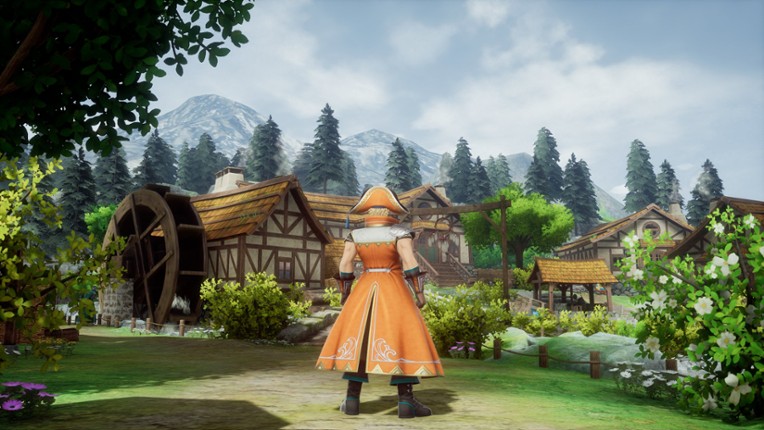
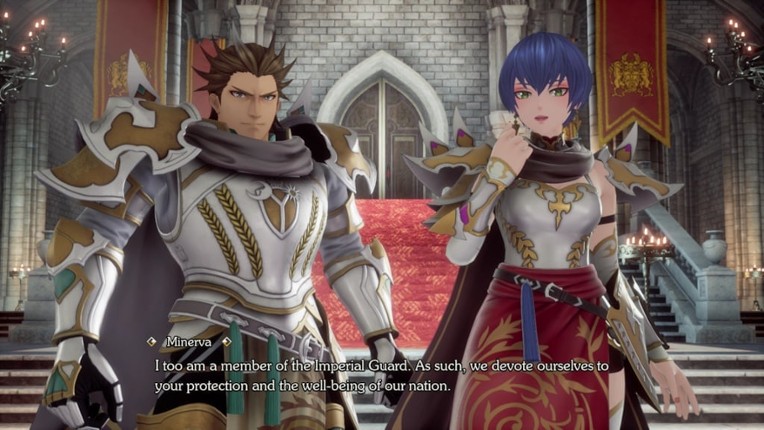
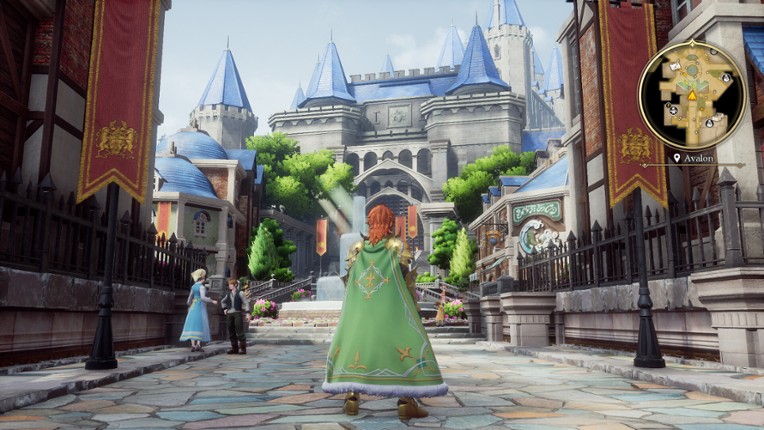
    The graphics of "Romancing Saga 2: Revenge of the Seven" have received praise for their charming art style and significant enhancements over the original, creating a nostalgic yet modern visual experience. While some players noted that the graphics are not groundbreaking, they appreciate the smooth performance and the overall aesthetic, which successfully balances retro elements with contemporary design. However, there are mixed opinions on certain character designs and the reuse of assets, indicating that while the visuals are generally well-received, they may not appeal to everyone.

    • “I absolutely love the visuals, the soundtrack, and the new revamped combat incorporating more modern saga flourishes like the united attack and overdrive mechanics.”
    • “The graphics are amazing, and it is such a fun unique game that challenges you.”
    • “The gameplay is highly addictive, and the visuals are stunningly beautiful, offering a refreshing and vibrant aesthetic.”
    • “The graphics are basic but run smoothly on my Steam Deck, and a quick tweak to engine settings can improve the visuals.”
    • “It's a straight graphics and UI update from the original game and shouldn't receive a 'remake' classification for people that are interested.”
    • “If you're feeling nostalgic for PS2 era JRPGs, this is where this game takes its roots, not just in the designs but down to the graphics and animations which are unfortunately very dated, not an issue for fans of the genre, but will obviously drive away potential newcomers.”
  • grinding
    58 mentions Positive Neutral Negative

    Reviews on the aspect of "grinding" in this game present a mixed bag of opinions. While some players appreciate the challenge and depth that grinding can provide, many express frustration with excessive or punishing grinding mechanics, particularly when enemy levels scale with player progress, making mindless grinding counterproductive. Overall, the game seems to strike a balance by offering opportunities for strategic character development without falling into the typical grind-heavy pitfalls of traditional JRPGs.

    • “Not too grindy; in fact, it technically discourages grinding, which is a common complaint with JRPGs specifically.”
    • “The game is so well designed that even on hard mode, you can beat the whole thing with no grinding by just using the correct equipment, spells, evasions, and skills.”
    • “Excessive grinding and not much to do besides combat.”
    • “The battle system is simple and requires endless grinding.”
    • “I really enjoyed the leveling system but was super bummed out when I realized grinding levels was actually punishing me.”
  • character development
    40 mentions Positive Neutral Negative

    Character development in the game is largely criticized for being minimal or nonexistent, with many players noting that the resurrection mechanic and time skips hinder meaningful growth and emotional investment in characters. While the character designs are often praised for their vibrancy and creativity, the overall narrative is described as shallow and lacking depth, leaving players wanting more substantial character arcs and interactions. Despite some exceptions, the consensus is that the game prioritizes gameplay mechanics and aesthetics over a coherent and engaging story.

    • “It appeals to players who enjoy thoughtful character development, open-ended exploration, and challenging combat, while offering a unique take on legacy and consequence rarely seen in the genre.”
    • “The game masterfully combines deep storytelling, rich content for completionists, and engaging character development.”
    • “If you are looking for interesting character development and team composition, tactical engagement and innovative concepts with generation skip, class development and engaging encounters, this game is for you.”
    • “It's doing some different things that are interesting, but it's completely lacking in character development, interactions, and a coherent story.”
    • “The story is shallow, with no character development.”
    • “This game itself is pretty great, but it lacks one major aspect, and that is the character development... the timeskip system doesn't allow for any good memorable characters, so the story doesn't even matter at all...”
  • replayability
    28 mentions Positive Neutral Negative

    The game offers significant replayability due to its open-world structure, nonlinear storytelling, and multiple ways to complete quests, allowing players to experiment with different choices and character builds. While some players find the length of the game a barrier to replaying, many appreciate the diverse content, including missable elements and new game plus options, which encourage multiple playthroughs. Overall, the replay value is enhanced by the freedom to explore various paths and challenges, making it appealing for those who enjoy replaying RPGs.

    • “The open-world structure grants players the freedom to tackle objectives in various orders, further enhancing replayability.”
    • “Endless replayability is guaranteed through multiple characters and storylines, each playthrough offering a unique challenge.”
    • “The game feels like a true open-world JRPG sandbox where you can just walk away from the marker and do something completely different. This has a lot of replayability potential because the order you do areas and bosses has no restriction.”
    • “I'm one for replayability and all, but this is the type of game that is way too long for that kind of mechanic.”
    • “Now to some, this adds replayability, while to those like me who struggle to replay a game, this can be upsetting.”
    • “Now that I think of it, it definitely lends itself to a higher replay value, but the stakes are mostly gone because of it.”
  • optimization
    18 mentions Positive Neutral Negative

    Overall, the game's optimization is highly praised, with smooth performance across various platforms, including the Steam Deck, and minimal load times that enhance the gaming experience. While the graphics are considered basic, they run well, and the game includes numerous quality-of-life features. Some players noted minor areas for improvement, such as visual cues and item drop rates, but these do not significantly detract from the overall performance quality.

    • “Well optimized with a lot of quality of life features.”
    • “The game is well optimized for low-end hardware.”
    • “As a remake, it's a masterpiece on its own: charming 3D graphics, good UI, great music, intuitive controls, buttery smooth performance, zero bugs (so far), fast-paced combat (thanks!), quick cutscenes/transitions, text skip, etc. There are a few aspects they could have improved as well, like adding visual cues for elemental resistances in armors and block types in shields, describing glimmering prerequisites across generations so that they are more intuitive, decreasing the amount of mobs in certain maps, or improving the base drop of certain items so that you are not forced to farm them using drop boost equipment in NG+, wherein all your gear is already far better by that point.”
    • “[strike] Another negative is that as explicitly stated on the store page, the game uses Denuvo (mostly a potential preservation issue, I'm not worried about the minimal performance impact that Denuvo may or may not have), but Square Enix has a good track record of removing it fairly quickly.”
    • “The performance is optimized to minimize load times, ensuring you spend more time adventuring and less time waiting for your character to breathe.”
  • emotional
    16 mentions Positive Neutral Negative

    The emotional aspect of the game is highlighted by its impactful storytelling, with many players expressing deep emotional responses, particularly to the poignant endings and character relationships. While some reviews note a lack of character development and emotional expression, others praise the heartfelt moments and nostalgic connections that evoke strong feelings. The music further enhances the emotional experience, creating a memorable atmosphere that resonates with players.

    • “This game also has one of the most emotional endings I've seen; I was genuinely teary-eyed by the end of the post-credits.”
    • “The music, composed by Kenji Ito, delivers memorable themes that capture the game’s epic and sometimes melancholic tone, reinforcing the emotional weight of the story and the grandeur of the world.”
    • “That said, while the story is fairly simple, the ending was pretty touching, making it feel like there was a legacy being made and you had finally finished a struggle that lasted for centuries.”
  • humor
    12 mentions Positive Neutral Negative

    The humor in "Romancing Saga 2: Revenge of the Seven" is vibrant and engaging, with character designs and backstories that infuse the game with delightful quirks and comedic banter. Players appreciate the clever voice acting and timing that elicits laughter even during intense moments, alongside a soundtrack that complements the humor. The game also features amusing enemies and humorous dialogue during battles, making it a standout RPG that balances heart and humor effectively.

    • “It’s like chess, but with dragons and way more explosive humor.”
    • “And let’s not forget the voice acting—every character’s lines are delivered with such passion and comedic timing that you might find yourself chuckling during even the most intense moments.”
    • “Each party member has a rich backstory and a personality that shines through with delightful quirks and humorous banter.”
  • stability
    2 mentions Positive Neutral Negative

    The game demonstrates strong stability, particularly on the Steam Deck, where players report consistent performance at 60fps while docked at 1080p. Users appreciate the smooth gameplay experience, with minor adjustments like disabling motion blur enhancing their enjoyment. Overall, the game runs well and maintains a solid frame rate, contributing positively to the overall experience.

    • “And to cap it all off, it runs great on the Steam Deck. I played mostly docked at 1080p and got mostly 60fps the whole time, with the only 'hack' I did being editing config files to disable motion blur, which I loathe.”
    • “The game is not next-gen or anything, but it looks and runs great (you can turn off the motion blur by adding some lines to a file, by the way).”
  • monetization
    1 mentions Positive Neutral Negative

    The monetization strategy of the game appears to prioritize attracting a broader audience over catering to its original fanbase, leading to dissatisfaction among long-time fans who feel neglected. This shift, driven by increased budget and marketing efforts, resembles the approach taken with "Guilty Gear Strive," where the focus on new players may alienate dedicated supporters.

    • “As a fan, I do not know who this game was made for. The unicorn of the 'wider audience' the producer mentioned surely made this game more popular than the previous releases, largely because it's not really a saga game anymore. The executives decided this deserved more budget and advertisement than the others, so what we're left with is a Guilty Gear Strive situation where the original fanbase gets a fat middle finger in favor of pandering to people who never cared and probably will not care outside of this game.”
  • atmosphere
    1 mentions Positive Neutral Negative

    The atmosphere is reminiscent of classic Dragon Quest games, which some players find soothing but may also lead to a sense of drowsiness.

    • “It has a Dragon Quest-like atmosphere to it, and that really puts me to sleep.”
Skip Critic Reviews
Skip Game Offers

Buy Romancing SaGa 2: Revenge of the Seven

50h Median play time
47h Average play time
50-58h Spent by most gamers
*Based on 8 analyzed playthroughs
Skip Videos

Videos

Skip Games Like Romancing SaGa 2: Revenge of the Seven

Games Like Romancing SaGa 2: Revenge of the Seven

Bravely Default 2 Image
Chained Echoes Image
Metaphor: ReFantazio Image
Octopath Traveler Image
Wandering Sword Image
Skip FAQs

Frequently Asked Questions

Romancing SaGa 2: Revenge of the Seven is a role playing game.

Romancing SaGa 2: Revenge of the Seven is available on Nintendo Switch, Xbox Series X|S, PC, PlayStation 5 and others.

On average players spend around 47 hours playing Romancing SaGa 2: Revenge of the Seven.

Romancing SaGa 2: Revenge of the Seven was released on October 24, 2024.

Romancing SaGa 2: Revenge of the Seven was developed by xeen Inc..

Romancing SaGa 2: Revenge of the Seven has received mostly positive reviews from players and mostly positive reviews from critics. Most players liked this game for its story but disliked it for its grinding.

Romancing SaGa 2: Revenge of the Seven is a single player game.

Similar games include Bravely Default 2, Chained Echoes, Metaphor: ReFantazio, Octopath Traveler, Wandering Sword and others.