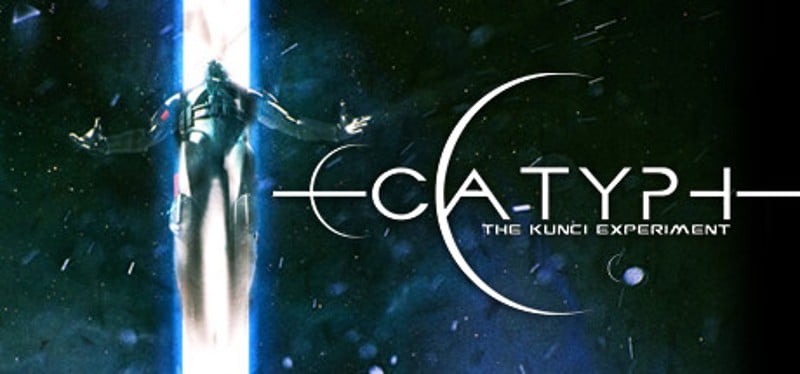
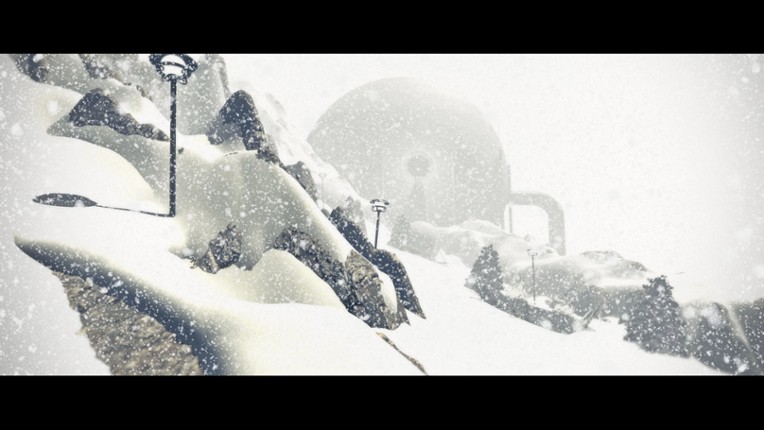
Catyph: The Kunci Experiment Game Cover

About

Catyph: The Kunci Experiment is a single player action adventure game with mystery and science fiction themes. It was developed by Simon Says: Play! and was released on May 11, 2016. It received mostly positive reviews from players.

CATYPH is a First Person Adventure game (Myst-like), part of a sci-fi series named The Black Cube (ASA: A Space Adventure...). Visit Tytaah, a moon of Catyph divided into 7 regions, and try to save your home planet Terra by solving the challenging puzzles of the mysterious Germinal.
Skip User Reviews

69%
Audience ScoreBased on 16 reviews
story11 positive mentions
gameplay3 negative mentions

  • Catyph: The Kunci Experiment offers complex, varied, and intellectually challenging puzzles that reward careful observation, reasoning, and note-taking, appealing strongly to fans of classic adventure puzzle games.
  • The game features richly detailed and atmospheric sci-fi environments representing diverse alien landscapes, supported by well-composed visuals, smooth node-based navigation with cinematic transitions, and a fitting soundtrack that enhances immersion.
  • The deep and intriguing story is told through environmental storytelling, an in-game lore database, logs, and minimalistic dialogue, creating a mysterious and engaging background for exploration and discovery.
  • Some puzzles suffer from being under-clued, overly opaque, or frustratingly disconnected from the game world logic, occasionally requiring external walkthroughs and diminishing the overall experience.
  • The user interface, navigation scheme, and control system feel dated and sometimes awkward, making movement between locations slow and confusing, which can hinder immersion and exploration.
  • The story presentation and voice acting received mixed feedback, with some players finding it convoluted, difficult to follow, and at times unpolished or distracting, reducing narrative impact.
  • story
    30 mentions Positive Neutral Negative

    The story of Catyph unfolds in a richly detailed, mysterious alien setting that rewards patient exploration and environmental storytelling over direct exposition. While praised for its complex lore and immersive world-building within the broader Black Cube universe, some players find the narrative convoluted or difficult to follow due to sparse dialogue, translation issues, and fragmented delivery. Overall, fans of deep, intellectually challenging adventure games appreciate the intricate plot and its integration with the puzzles, though the story's complexity and pacing may not appeal to everyone.

    • “Set within the broader Black Cube universe, the story unfolds on the alien moon Tytaah, a place that feels ancient, hostile, and deliberately inscrutable, encouraging curiosity and patience rather than quick reactions or constant guidance.”
    • “Rather than delivering its story through frequent exposition, Catyph relies on environmental clues, sparse dialogue, and fragments of information uncovered through exploration.”
    • “This restrained storytelling approach enhances the feeling of being a lone investigator piecing together the remnants of an advanced but long-vanished civilization, while also creating a quiet tension that persists throughout the experience.”
    • “The story didn't make much sense (too convoluted, too many things going on), and the characters presented were caricatures—it was hard to care about what was happening on 'Terra' and the 'bad guy' was so bad he could have been the master in a 60's episode of Doctor Who (see: mustache-twirling, maniacal laugh).”
    • “It's as if one game designer created a world and backstory, and then another came in afterward and just distributed puzzles through it without knowing anything else about it.”
    • “After spending hours grinding my teeth on the puzzles, I realized that the storyline videos were kind of messed up since I had moved back and forth between worlds when I was stuck, causing me to lose track of the storyline and forget about reading the database.”
  • graphics
    10 mentions Positive Neutral Negative

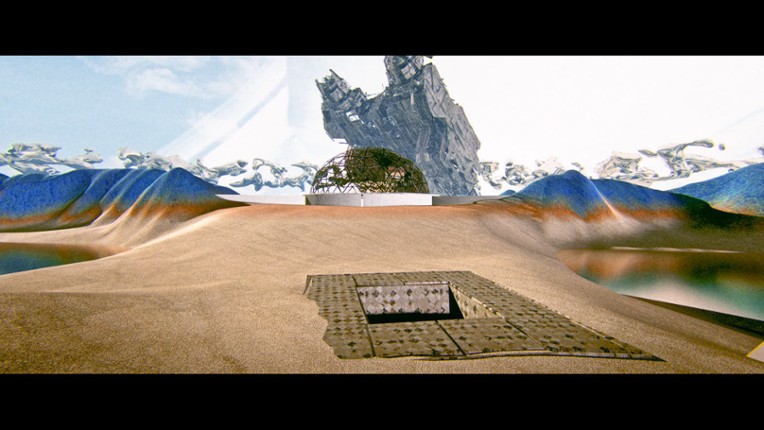
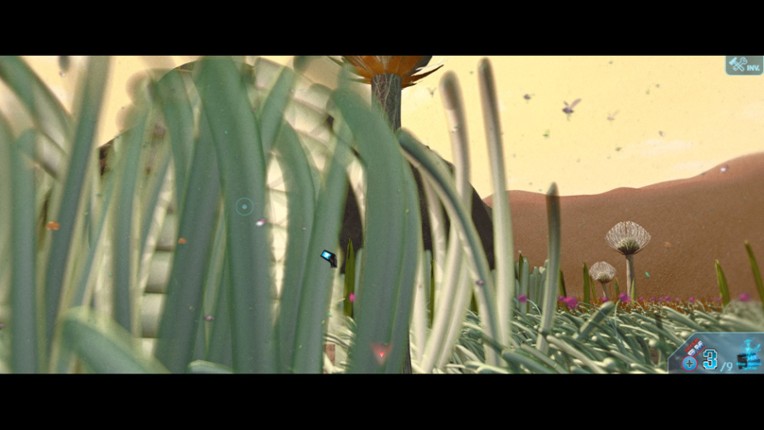
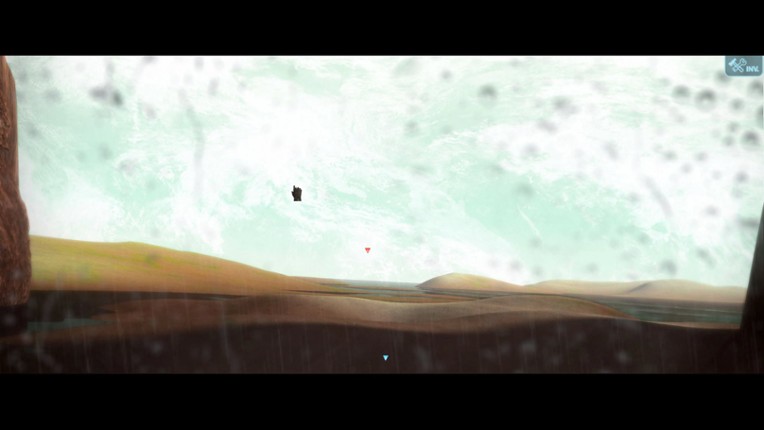
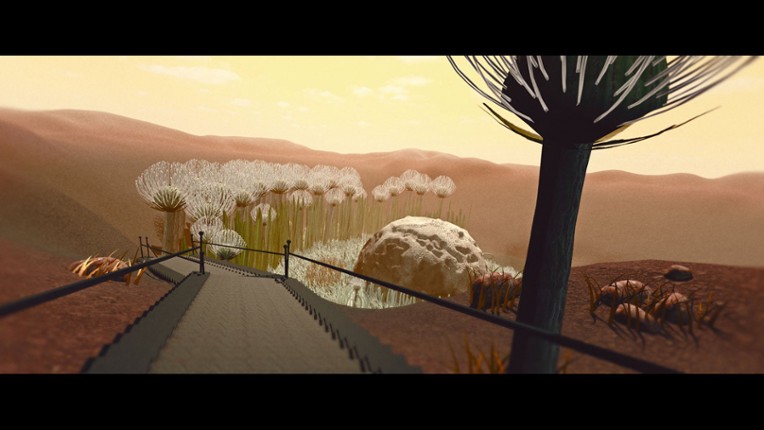
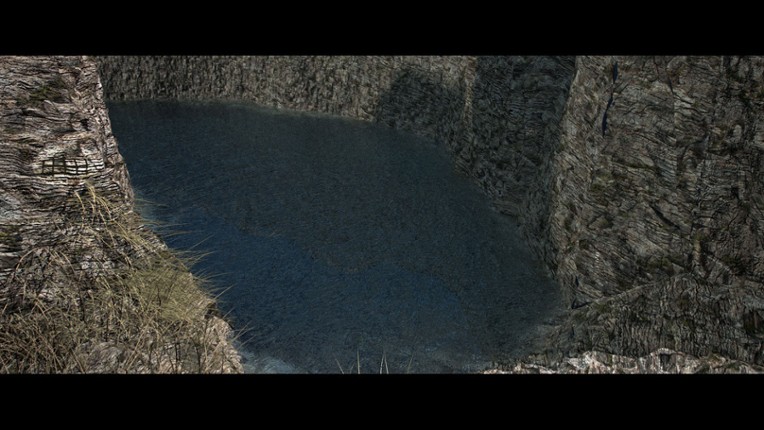
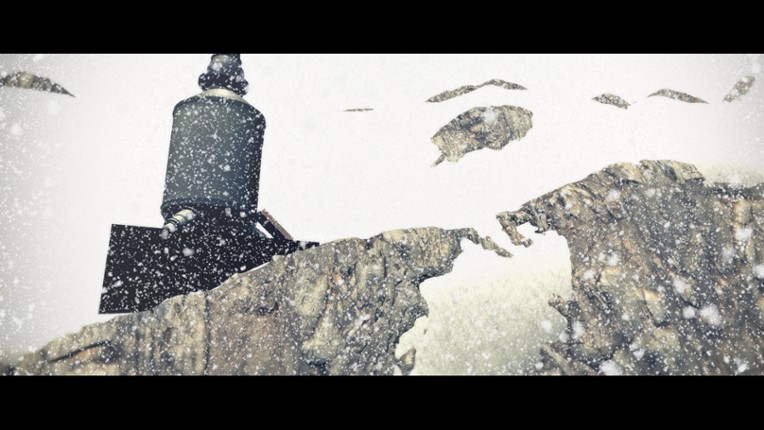
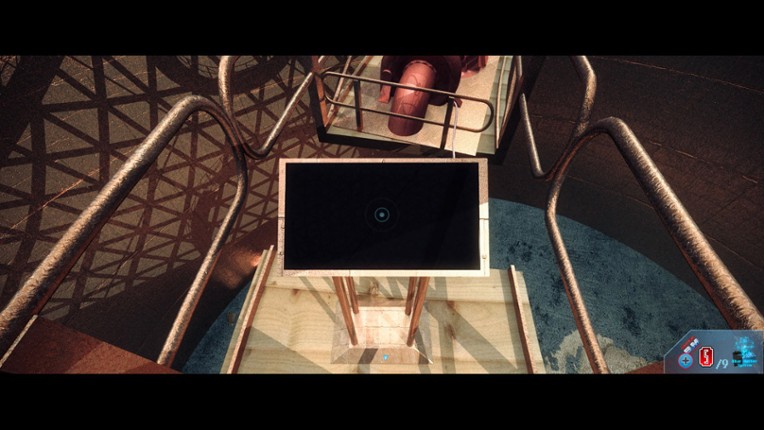
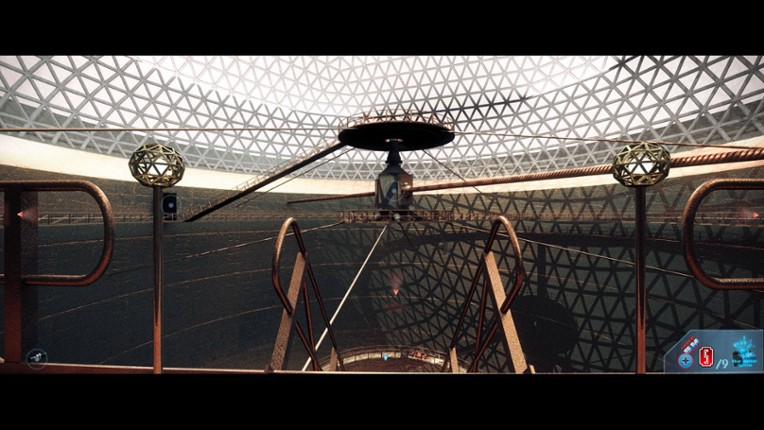
    The graphics are generally considered dated and low-resolution, with some users appreciating the distinct regional designs and artwork, including appealing mini movies. While not as polished or advanced as other titles, the visuals suit fans of old-school, Myst-like adventure games. Overall, competent but not cutting-edge, with certain effects like foreground and helmet visuals noted as cool.

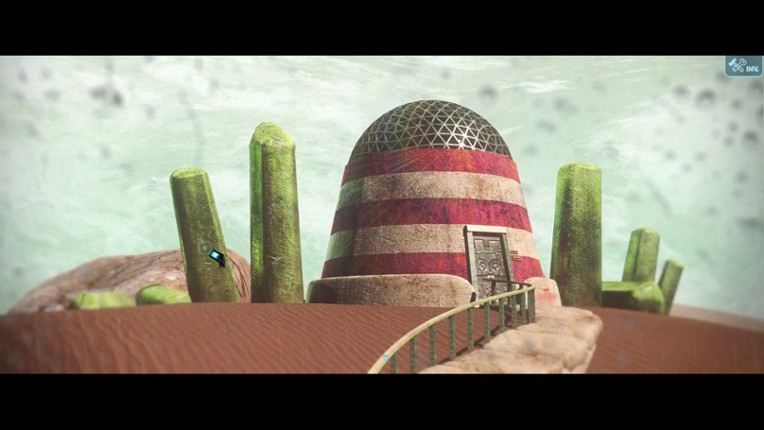
    • “Graphics were also good; I especially liked how each main region of the game had a different feel and look.”
    • “The artwork is great and there are some very lovely mini movies, especially at the start and end of the game.”
    • “The graphics are correct; the foreground/helmet effects look cool.”
    • “The visuals and transitions of the first game were way better... if you like Myst-like adventures and were a fan of the first game, you may give this one a shot though.”
    • “The 2nd one requires the player to use pattern recognition from low-res graphics you can't zoom in on.”
    • “The graphics are dated, but I could forgive that.”
  • gameplay
    9 mentions Positive Neutral Negative

    The gameplay is a traditional point-and-click adventure focused on careful observation and logical deduction, featuring a variety of challenging puzzles including pattern matching, math, time manipulation, and cryptography. Its demanding and opaque puzzle design offers deep intellectual satisfaction, especially for fans of classic, Myst-like adventures, though it may be too difficult or slow-paced for some players. Overall, it provides a richly rewarding experience for those who enjoy deep lore and complex problem-solving.

    • “Gameplay is rooted in traditional point-and-click adventure mechanics, favoring deliberate observation over action.”
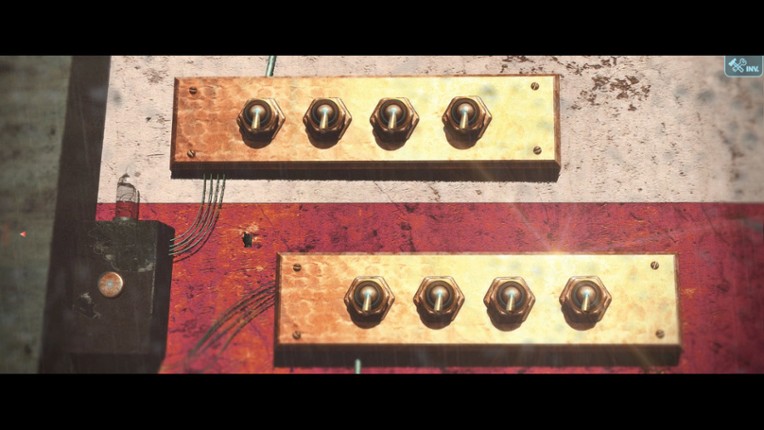
    • “There are classical pattern matching and mechanical manipulation puzzles which are the staples of this genre, but there are also math puzzles, time manipulation puzzles, environment observation puzzles, and even some cryptography puzzles.”
    • “Many puzzles are intentionally opaque, demanding careful reading of in-game information and logical deduction that spans long stretches of gameplay.”
    • “Instead, there were times when I needed more insight into the intent or mechanics of a specific puzzle.”
    • “As a sequel to ASA: A Space Adventure, it is a classic Myst-like or Rhem-like in terms of gameplay, but it is much more difficult.”
  • music
    3 mentions Positive Neutral Negative

    The music is praised for its subdued yet effective soundtrack that enhances the game's contemplative mood and themes, complemented by well-executed sound design. It features a pleasing and diverse musical score that fits beautifully with the scenery and overall experience.

    • “Combined with a subdued but effective soundtrack, the presentation creates a contemplative mood that supports the game’s themes of isolation, discovery, and alien logic.”
    • “Music and sound design are well done.”
    • “Beautiful and diverse scenery, pleasing musical score, complex story, and very challenging puzzles.”
  • grinding
    3 mentions Positive Neutral Negative

    The grinding in this game is described as tedious and overly time-consuming, turning puzzles into a frustrating experience that detracts from the overall enjoyment. Players often lose track of the storyline due to the repetitive and painstaking nature of the tasks.

    • “That's the definition of a painstaking, tedious puzzle that is not fun to do.”
    • “In fact, I became so engrossed in trying to solve them that I completely lost track of the storyline and forgot about reading the database. After spending hours grinding my teeth on the puzzles, I realized that the storyline videos were kind of messed up since I had moved back and forth between worlds when I was stuck.”
    • “I love a good 90's style point-and-click, but this one was tedious.”
  • emotional
    2 mentions Positive Neutral Negative

    Users express that the emotional experience varies by game, with Asa evoking feelings of innocence and vulnerability, while Catyph inspires curiosity and a sense of discovery through its scientific insights.

    • “In Catyph, it made me feel like a scientist, telling me all kinds of scientific information about the environment.”
    • “In Asa, the AI made me feel like a small kid.”
  • atmosphere
    1 mentions Positive Neutral Negative

    The game’s atmosphere is characterized by a visually clear and stylistic approach that emphasizes mood and ambiance rather than realistic graphics. This design choice creates an immersive and distinctive environment for players.

Skip Game Offers

Buy Catyph: The Kunci Experiment

15h Median play time
15h Average play time
15-15h Spent by most gamers
*Based on 1 analyzed playthroughs
Skip Videos

Videos

Skip Games Like Catyph: The Kunci Experiment
Skip FAQs

Frequently Asked Questions

Catyph: The Kunci Experiment is a action adventure game with mystery and science fiction themes.

Catyph: The Kunci Experiment is available on PC and Windows.

On average players spend around 15 hours playing Catyph: The Kunci Experiment.

Catyph: The Kunci Experiment was released on May 11, 2016.

Catyph: The Kunci Experiment was developed by Simon Says: Play!.

Catyph: The Kunci Experiment has received mostly positive reviews from players. Most players liked Catyph: The Kunci Experiment for its story but disliked it for its graphics.

Catyph: The Kunci Experiment is a single player game.

Similar games include The Eyes of Ara, Obduction, Myst III: Exile, The House of Da Vinci 3, Neyyah and others.