Amnesia: A Machine for Pigs

A cerebral and spooky sequel that expands on the franchises story and themes, while slightly dialing down the terror.
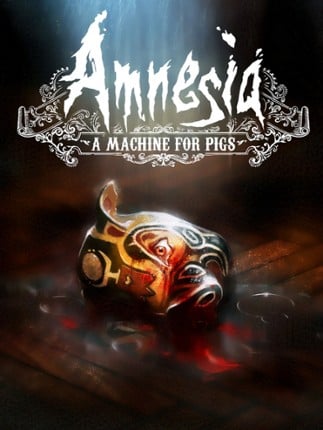
Amnesia: A Machine for Pigs Game Cover
68%Game Brain Score
story, gameplay
optimization, replayability
66% User Score Based on 6,488 reviews
Critic Score 72%Based on 5 reviews

Platforms

Nintendo SwitchLinuxPCMac OSPlaystation 4Xbox OneXboxWindowsPlayStation
Amnesia: A Machine for Pigs Game Cover

About

Amnesia: A Machine for Pigs is a single player survival shooter game with a horror theme. It was developed by The Chinese Room and was released on September 10, 2013. It received mostly positive reviews from both critics and players.

From the creators of Amnesia: The Dark Descent and Dear Esther comes a new first-person horrorgame that will drag you to the depths of greed power and madness. It will bury its snout into your ribs and it will eat your heart.
Skip User Reviews

66%
Audience ScoreBased on 6,488 reviews
story1.8k positive mentions
optimization46 negative mentions

  • Strong and compelling narrative with dark, philosophical themes that differ from the original game.
  • Excellent atmosphere and sound design, including a haunting soundtrack and high-quality voice acting.
  • Short, streamlined gameplay that appeals to players more interested in story and ambiance rather than survival mechanics.
  • Stripped-down gameplay lacking inventory, sanity meter, resource management, and complex puzzles, making it more of a walking simulator.
  • Monster encounters are infrequent, scripted, and easy to avoid, diminishing tension and scare factor compared to the original.
  • Technical issues including frequent crashes, performance problems, and a tedious linear experience that lacks replayability.
  • story
    4,944 mentions Positive Neutral Negative

    Amnesia: A Machine for Pigs features a deeply atmospheric, dark, and thought-provoking story that many find more compelling and philosophically rich than its predecessor, focusing on themes of industrialization, guilt, and madness. The narrative is delivered through environmental storytelling, audio logs, and scattered notes, creating an immersive but sometimes confusing and fragmented experience that requires close attention to fully grasp. While the story is widely praised for its voice acting, soundtrack, and emotional depth, it splits opinion due to its abstract presentation and reduced gameplay focus compared to Amnesia: The Dark Descent.

    • “The Chinese Room clearly had a vision: a story-driven descent into industrial nightmare, and on that front, Oswald Mandus's tale of guilt and mechanical horror is unsettling in a way that lingers, carried by excellent voice acting and a phenomenal soundtrack.”
    • “The story of Oswald Mandus and his industrial slaughterhouse is a masterpiece of "cosmic horror," tackling themes of guilt, the 20th century, and what it means to be human in an age of machines.”
    • “The writing is sharp and layered, with a story that rewards you the more you pay attention, tying together industrialization, greed, and humanity’s darker instincts.”
    • “The story is all over the place, it jumps from plot point to a completely unrelated plot point, it teases many things, yet doesn't iterate on any of them.”
    • “The plot is atrocious, boring, and not scary.”
    • “Awash in this miasma of eiffel 65 hell, running through an equally ridiculously predictable story only to find yourself finally getting a sense of progress only if you're lucky enough to get killed by these dalek manhatten rejects--though to be fair, they do look better--only to get slapped by another contrived plot device courtesy of some shameless eternal darkness parody which thinks it can avoid a vicious elbowing by referencing certain events before they actually happen?”
  • gameplay
    2,016 mentions Positive Neutral Negative

    Amnesia: A Machine for Pigs significantly simplifies and strips down the gameplay compared to its predecessor, removing key mechanics like sanity, oil/lamp fuel management, inventory, and complex puzzles. This results in a largely linear, walking simulator-style experience with infrequent, non-threatening enemy encounters, which many fans found less engaging and less scary. However, this pared-down gameplay supports a stronger emphasis on narrative, atmosphere, and psychological horror, making the title more story-driven but mechanically shallow.

    • “The gameplay mechanics are very basic but in my opinion hold up very well and do not feel clunky at all.”
    • “I actually enjoyed this one more than the previous game, mainly because there’s no need to constantly search for fuel for the lamp, which made the gameplay much smoother and more enjoyable for me.”
    • “While some mechanics were cut, the story is great and game overall is underestimated by public.”
    • “But excluding those two mini bonuses, the gameplay is abysmal.”
    • “First of all, the game is very short, usually only taking 3-5 hours to complete for its price, and the main function and purpose of the series, which is the sanity mechanic is removed from this game, which defeats the entire purpose of the series and if it were added, it could definitely be much more scarier, but overall, you're basically playing a horror visual novel.”
    • “The gameplay lacks a lot of interactivity elements compared to the first game, the puzzles are not clever or interesting, nor meaningful but since you have just a few interactable elements in the game you usually pass through the puzzles etc. without even noticing just click on every interactable object and that's it.”
  • atmosphere
    1,499 mentions Positive Neutral Negative

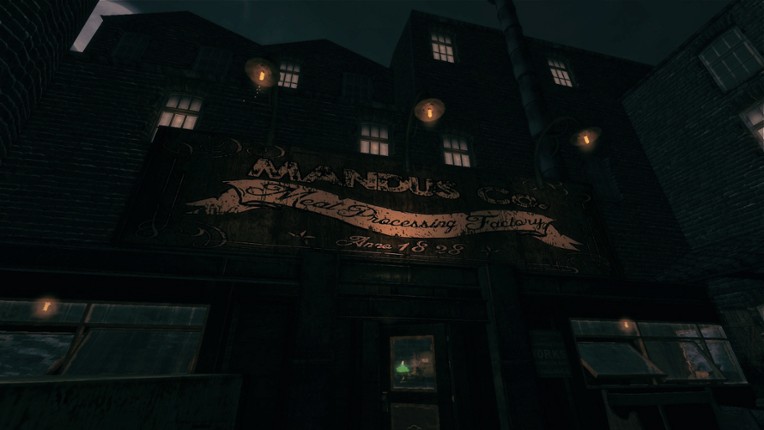
    Amnesia: A Machine for Pigs is widely praised for its richly crafted, oppressive atmosphere that immerses players in a dark, industrial Victorian London setting, supported by exceptional sound design, music, and voice acting. While it offers a haunting, narrative-driven experience with a strong mood of psychological horror and dread, many note that its atmosphere is less intense and suspenseful compared to its predecessor, focusing more on storytelling than on gameplay or traditional survival mechanics. Overall, the atmosphere is described as deeply unsettling and memorable, though the reduced horror tension and simplified mechanics may disappoint those seeking a scare-heavy experience.

    • “Visually I enjoy the aesthetic, the story is very well thought out and kept me engaged, the soundtrack is beyond beautiful, the overall sound design is amazing, and the attention to detail on the lighting & atmosphere is always nice to see.”
    • “The atmosphere: the setting—a steampunk Victorian London on New Year's Eve 1899—is incredible.”
    • “The atmosphere and sound design are strong, but many core mechanics from the dark descent are stripped away, so no sanity system, minimal puzzles, and simplified interactions.”
    • “The atmosphere at the beginning is very dense, it speeds up in the middle of the game and completely ceases to be terrifying.”
    • “The enemies are not scary, the atmosphere is not tense, and the environments are incredibly bland (mostly industrial).”
    • “The atmosphere isn't much different from the first although in actuality the creatures chasing you are far more horrifying, the locales are even more twisted, and the ambient sounds really mess with your mind; however, the monster itself isn't that scary, killing some of the early atmosphere.”
  • music
    787 mentions Positive Neutral Negative

    The music in "Amnesia: A Machine for Pigs" is widely praised as hauntingly beautiful, atmospheric, and a standout feature that significantly enhances the game's mood and narrative. Composed by Jessica Curry, the soundtrack blends operatic tones with industrial and melancholic elements to create a dark, immersive experience that many consider better or at least on par with its predecessor. While some note occasional mismatches or repetitive segments, overall, the music is regarded as masterful, emotionally stirring, and integral to the game's unique horror atmosphere.

    • “The Chinese Room clearly had a vision: a story-driven descent into industrial nightmare, and on that front, Oswald Mandus's tale of guilt and mechanical horror is unsettling in a way that lingers, carried by excellent voice acting and a phenomenal soundtrack.”
    • “The soundtrack: the score by Jessica Curry is hauntingly beautiful.”
    • “Jessica Curry's soundtrack written for the game is some of the best horror music I've ever heard out of any form of horror, whether it be movies or other games.”
    • “The music felt way too grand and at times repetitive to the point of annoyance, not very fond of the repetitive children singing.”
    • “No shift to tense music, no dramatic sound effects, you can basically walk right by them... there is no sanity meter in this game so there really isn't any pressure.”
    • “The music is also a total step down and the intense music when being chased is not scary and really the only thing that might scare you is a loud noise something that occurs frequently throughout the game.”
  • graphics
    592 mentions Positive Neutral Negative

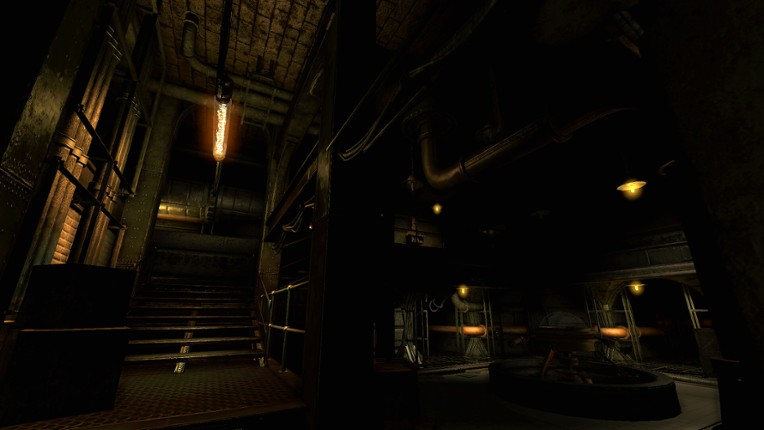
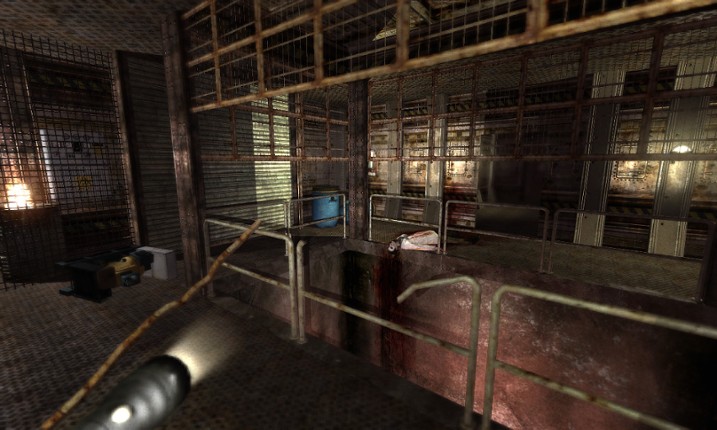
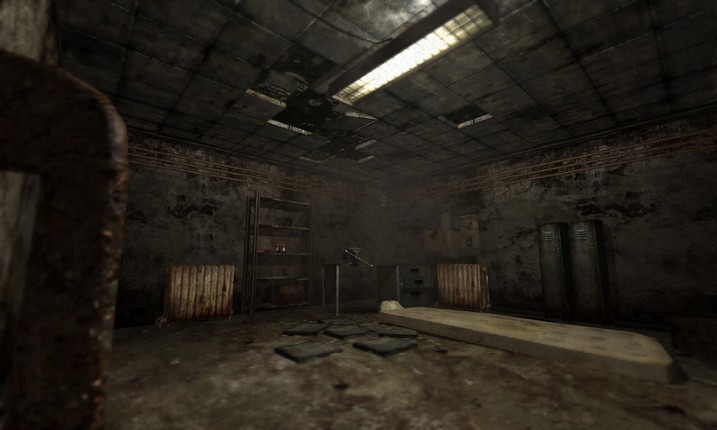
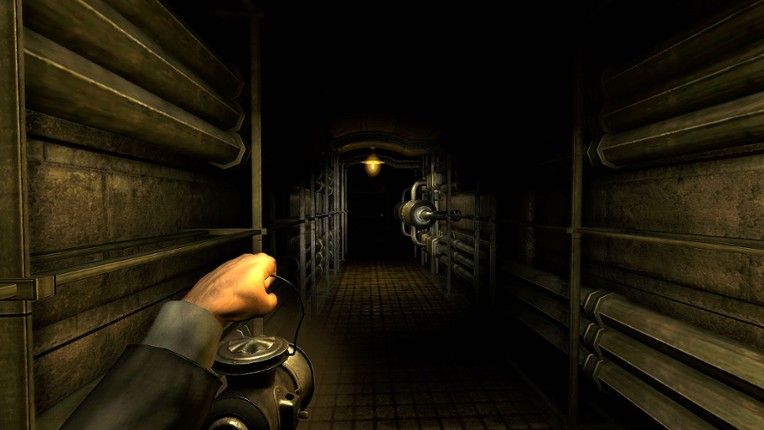
    The graphics in "Amnesia: A Machine for Pigs" are generally seen as a step up from its predecessor with a distinctive dark, grimy steampunk aesthetic that effectively builds atmosphere through detailed environments and lighting. However, many users note the visuals can be overly dark, muddy, or foggy, sometimes impairing visibility and immersion, and the game suffers from performance and optimization issues even on modern hardware. While the art direction and atmospheric design are praised for their creepiness and thematic cohesion, the graphical fidelity and technical polish lag behind expectations, making the graphics more a strength for mood than for technical excellence.

    • “The graphics are dark, detailed, and dripping with gothic aesthetics, from the foggy streets to the macabre interiors.”
    • “Visually, the game is stunning, with its haunting environments and victorian-era design creating an incredibly appealing and grim aesthetic.”
    • “The art style of the graphics and the soundtrack fitted brilliantly with the combination of horror/suspense and some steampunk, giving a lot of the level design a sense of beauty.”
    • “The graphics are also dark and muddied so much so that it's difficult to see anything half the time.”
    • “I had really bad screen tearing that was not correctable no matter the adjustments I made to vsync, graphics, resolution, etc. I had to turn off so many things right out of the gate as the visual effects were determined to give me a headache (radial blur, mouse smoothing, light bloom, image trail, sepia, etc.).”
    • “The graphics are terrible and muddy.”
  • optimization
    122 mentions Positive Neutral Negative

    The game suffers from widespread optimization issues, including frequent crashes, severe frame rate drops, stuttering, and poor performance even on high-end PCs. Many users note it requires constant tweaking or workarounds to maintain stable gameplay, significantly detracting from the experience. Overall, the optimization is considerably worse compared to its predecessor, negatively impacting immersion despite strong story and voice performances.

    • “There are optimization issues, I think it's graphical setting(s) related, but 95% of the time I had 60fps at FHD, full max settings.”
    • “Optimization related, the most problematic scene was the church with its biggest fps drops, so that's a big negative whilst I have a pretty strong PC compared to the system requirements.”
    • “You can fix the barely acceptable performance by tweaking some game files, but I feel like I am not supposed to fix a game that I paid for.”
    • “This game's performance is in the bin; it shouldn't be available for sale, especially for the price on offer.”
    • “Many optimization issues: I've got a powerful PC (7900XT and 5800X) and still had many laggy and terrible framerate areas that I had to toggle adaptive sync just to get steady frames; also the game crashed a lot (I didn't have either problem in Amnesia: The Dark Descent).”
    • “The game was very, very badly optimized, running all game from 23 to 60 fps no matter the settings. Don't know how from the first game, which was perfect, you can mess up this much most of the game.”
  • emotional
    100 mentions Positive Neutral Negative

    The game delivers a deeply emotional and thought-provoking narrative with a haunting soundtrack that resonates strongly with players, often evoking feelings of sadness, unease, and reflection. While some find the story touching and immersive, others note a lack of horror tension and character depth, but the emotional impact remains its standout strength. Overall, the game prioritizes emotional storytelling over gameplay intensity, making it a memorable experience for those drawn to atmospheric, narrative-driven games.

    • “It underscores the tragedy of the narrative with mournful piano pieces and ambient soundscapes that enhance the emotional weight of the story.”
    • “The story hits all of the right emotional beats, and the environments do a lot of the moody, scary weightlifting in direct contrast to the enemies.”
    • “At its worst, A Machine for Pigs feels like a simultaneous step backwards in the gameplay department and evolutionary stride forward in storytelling within the medium, but at its best it transcends encompassing the sum of its parts and delivers a heightened emotional experience.”
    • “Boring story until the end.”
    • “Boring story, absolutely nothing like Amnesia: The Dark Descent.”
    • “Boring gameplay, not even scary, too short, too easy game and puzzles, a boring story which you can guess halfway through.”
  • replayability
    76 mentions Positive Neutral Negative

    The game generally suffers from very low to nonexistent replayability, with a short, linear narrative and minimal variation beyond collectibles or achievements. While some fans of the original appreciate custom stories and mods that added replay value, this installment lacks such features and offers little incentive for multiple playthroughs. Consequently, it is often recommended only at discounted prices due to its limited content and replay potential.

    • “Honestly, this game would have easily earned a "not recommended" from me, but after careful rethinking, it still gets the recommended, since very high replayability value due to the aspects described above and since it is a classic game.”
    • “But for most fans of the first game - it's the custom stories you can download for Amnesia which gave it in theory infinite replay value.”
    • “I have played hours upon hours of the original Amnesia game (playtime totaling at the very least 100 hours, most of these hours not played within Steam) and still revisit it on a semi-regular basis, even without the custom stories included, the game has so much replay value to it.”
    • “I'd say don't pay more than £5: this is a 12-year-old game that is very short and has near-zero replay value unless they come up with direct sequels or prequels.”
    • “All this combined with a play time of under 3 hours, with zero replay value (you can get every achievement in a single run if you find all of the notes), make Machine for Pigs unworthy of anyone's money.”
    • “In my opinion, that is way too much for a game that has no replayability and is simply a downgrade from the older Amnesia.”
  • grinding
    65 mentions Positive Neutral Negative

    Grinding in the game is frequently described as tedious and monotonous, involving repetitive walking, dull puzzles, and unengaging exploration that slows down pacing and diminishes immersion. While some appreciate the atmosphere and story elements, the overall gameplay often feels like a grind with little challenge or excitement, leading to player boredom and frustration.

    • “You'll need a second life for grinding.”
    • “You'll need a second life for grinding.”
    • “You'll need a second life for grinding.”
    • “Maybe the worst offense is that the game is very repetitive and outright tedious. For the last hour or so I was just hoping for the game to end while trudging through the forced slow walking and gameplay consisting of opening the same kind of special door and pulling the same levers and valves over and over.”
    • “The game makes it painfully obvious through in-game text and resources exactly what you're supposed to do, turning puzzles into gratuitous chores that only add to the tediousness.”
    • “Objectives are generally more confusing at first glance compared to the first game, but at the same time, they're very easy and tedious due to the fact that they mostly involve walking to specific points and interacting with specific things.”
  • humor
    61 mentions Positive Neutral Negative

    The game's humor largely stems from its unintentionally amusing and poorly designed pig-like monsters, which many players found more funny than scary due to their awkward animations and weak AI. While some appreciated the comedic aspects, such as oddly funny jump scares and quirky moments, the humor often undercuts the horror, leaving the game feeling more laughable than frightening. Overall, the humor is mostly unintentional and derives from the game's flaws rather than deliberate comedic writing.

    • “The monsters are a joke, I couldn't get scared by them as they are funny, not scary!”
    • “The enemies made me laugh more than anything, and the puzzles weren't as good as they were in the first game.”
    • “The monster made me laugh when it charged at me for the first time, with a derpy look and derpy walk animation combined with horrible AI.”
    • “Truly unepic and unfunny.”
    • “Without grounding, you can never be sure what's supposed to be funny or scary, because you don't know what's normal.”
    • “You can see around 5 monsters for 5 minutes together, and there's one 'boss fight'... if I can call it that. The game is boring, not funny, and worst of all - it's not scary!”
  • stability
    32 mentions Positive Neutral Negative

    The game is widely reported to be buggy and unstable, with frequent crashes that can corrupt save files and glitches affecting gameplay mechanics, AI behavior, and level design. While some players found these issues detracted significantly from the experience, others noted the game remained enjoyable despite occasional bugs and performance drops. Overall, stability is a notable weak point, often impacting immersion and playthrough continuity.

    • “Go into the steamapps folder and launch the nosteam version of this game to play bug free!”
    • “Really fun game, not buggy like the first.”
    • “Buggy mess, can't interact with the world or pick up things, game crashes constantly causing your save to become corrupt.”
    • “The game also introduces problems of its own: far less to interact with than the original which affects potential puzzle ideas, tons of copy-pasted assets from the original (which makes the previous point of interactivity even more irritating); the whole game is buggy and unstable (fps dipped from 60 to 40 whenever literally anything noteworthy happened, like a scripted startle or voice acting kicking in, game crashing constantly [which even corrupted a save file, thank god this game autosaves constantly], carrying certain objects was clearly overlooked in the testing phase of development [you'd be amazed at what you can do with the rugby ball in the first chapter of the game]); and inconsistent design concepts (holding an item and throwing it via right-click falls pathetically short so as to not soft lock the player in certain sections, but flinging the camera around and releasing left click yeets massive items into oblivion such as pig carcasses [i even got myself nearly softlocked at one point messing around with that. don't throw the pig carcass on the roof of the truck you have to refuel]).”
    • “Plus not to mention the fact that glitches are basically a death sentence if they cause your game to crash as it will corrupt your save data and you have to restart the entire game.”
  • monetization
    11 mentions Positive Neutral Negative

    The monetization of the game is widely criticized as a cynical cash grab, primarily relying on the Amnesia brand to attract buyers despite offering limited content and a short playtime. However, the absence of microtransactions is noted as a positive aspect. Overall, the game is seen as offering poor value for money and potentially misleading marketing.

    • “What a flipping cash grab!”
    • “As I said before, it is a cash grab, don't buy this game, Steam customer support is useless and they never fix it.”
    • “Attaching itself to the Amnesia brand feels like a manipulative cash grab, a cynical attempt at tricking gamers into buying a game that would otherwise probably sell far less.”
  • character development
    7 mentions Positive Neutral Negative

    Character development in the game is mixed, with some reviewers praising deeper, darker storytelling and strong emotional engagement, while others criticize a lack of meaningful growth, unclear motivations, and tedious narrative elements. Collectibles and notes intended to enhance character depth often fall flat or feel unnecessary. Overall, character development appears to be significantly improved from the predecessor for some, but remains unconvincing or insufficient for others.

    • “With a story and character development a lot deeper than the predecessor's, featuring dark, dirty, and steamy tones, along with a bunch of existential questions you can ask yourself.”
    • “Despite the game being shorter than the Dark Descent and not having puzzles or enemies as 'smart' as the previous game, it is still, in my opinion, a better game with a story that sucks you in, fantastic level design, as well as character development.”
    • “A Machine for Pigs is lighter on puzzles and scares, and has more emphasis on story and character development.”
    • “There also is no real character development of the children, and no real reveals of the relationship your character has with his children.”
    • “Lack of motivation, lack of character development, nothing really makes sense and by the end of the game I had just given up reading notes because they were all just absolute nonsense written with really fancy words.”
    • “Collectables fail to add world-building or character development and become useless and tedious to read after a while.”
Skip Critic Reviews
Skip Game Offers

Buy Amnesia: A Machine for Pigs

4h Median play time
5h Average play time
4h Main story
6h Completionist
3-6h Spent by most gamers
*Based on 56 analyzed playthroughs
Skip Videos

Videos

Skip Games Like Amnesia: A Machine for Pigs
Skip FAQs

Frequently Asked Questions

Amnesia: A Machine for Pigs is a survival shooter game with horror theme.

Amnesia: A Machine for Pigs is available on Nintendo Switch, PC, Mac OS, PlayStation 4 and others.

The main story can be completed in around 4 hours, while the entire game is estimated to take about 6 hours to finish. On average players spend around 5 hours playing Amnesia: A Machine for Pigs.

Amnesia: A Machine for Pigs was released on September 10, 2013.

Amnesia: A Machine for Pigs was developed by The Chinese Room.

Amnesia: A Machine for Pigs has received mostly positive reviews from both players and critics. Most players liked this game for its story but disliked it for its optimization.

Amnesia: A Machine for Pigs is a single player game.

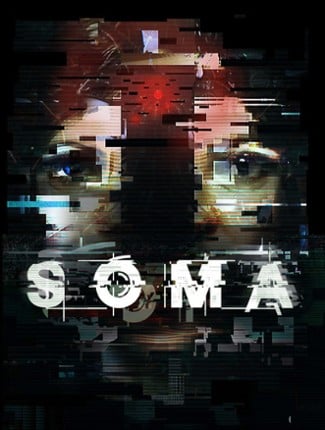
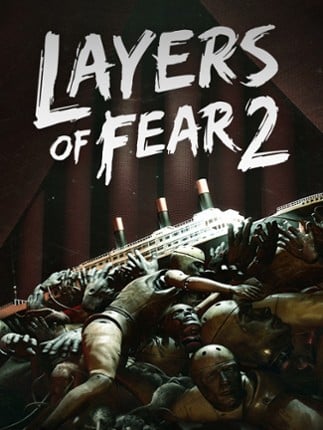
Similar games include Amnesia: Rebirth, Amnesia: The Dark Descent, SOMA, Penumbra: Black Plague, Layers of Fear 2 and others.