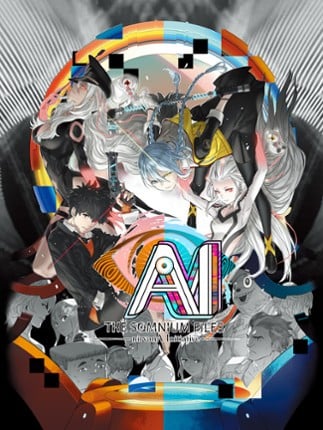
AI: THE SOMNIUM FILES Nirvana Initiative

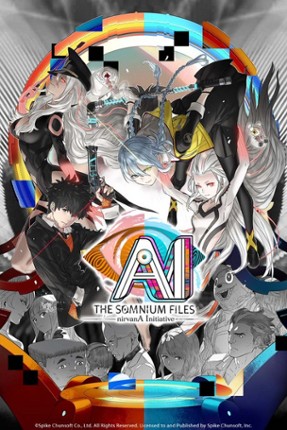
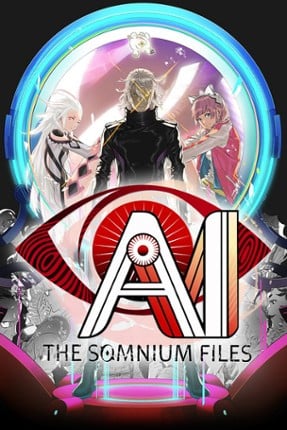
AI: THE SOMNIUM FILES Nirvana Initiative Game Cover
87%Game Brain Score
story, gameplay
optimization, grinding
86% User Score Based on 1,898 reviews
Critic Score 90%Based on 1 reviews

Platforms

Nintendo SwitchXbox Series X|SPCPlaystation 5CloudPlaystation 4Xbox OneXbox Cloud GamingXboxSteam DeckWindowsPlayStation
AI: THE SOMNIUM FILES Nirvana Initiative Game Cover

About

AI: THE SOMNIUM FILES Nirvana Initiative is a single player action adventure game with drama, mystery, anime and science fiction themes. It was developed by Spike Chunsoft Co., Ltd. and was released on June 24, 2022. It received positive reviews from both critics and players.

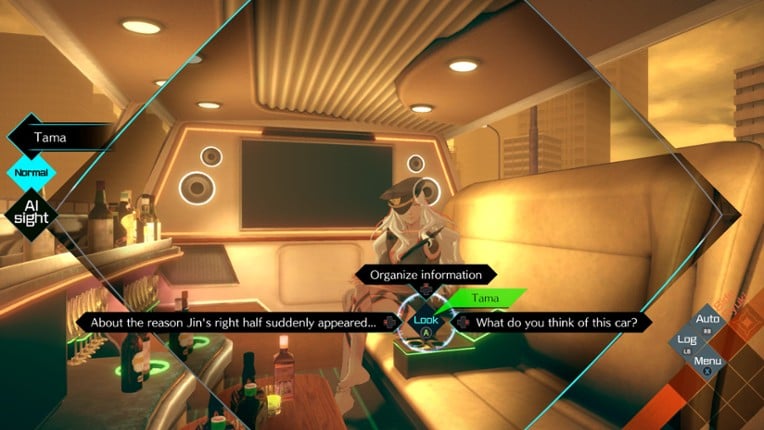
Newly-appointed Special Agent Mizuki and her AI partner Aiba are tasked to solve the bizarre Half Body serial killings in this sequel to the critically acclaimed AI: The Somnium Files.
Skip User Reviews

86%
Audience ScoreBased on 1,898 reviews
story296 positive mentions
grinding11 negative mentions

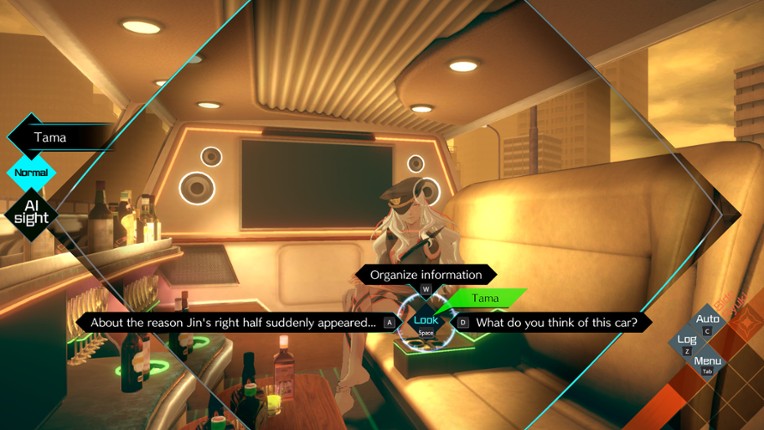
  • Engaging characters and well-written cast, incorporating returning and new faces.
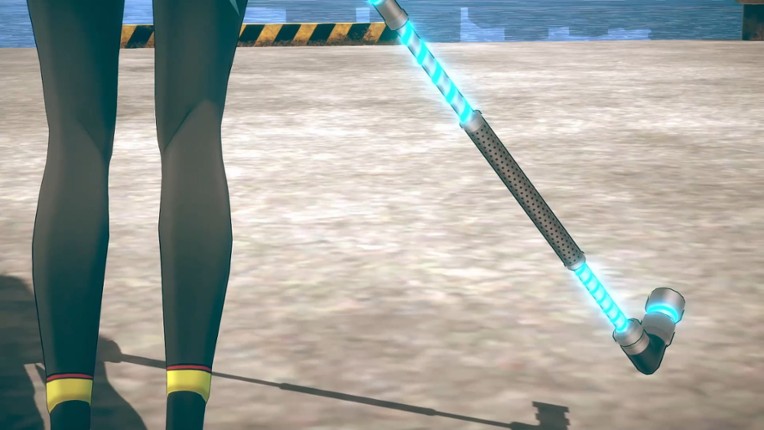
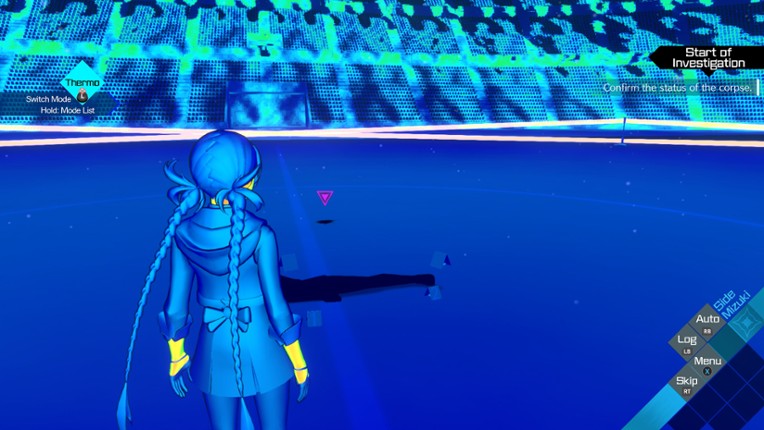
  • Innovative and improved gameplay mechanics such as VR investigations and more logical somnium puzzles.
  • Intriguing and mind-bending story with multiple twists, maintaining the trademark Uchikoshi style.
  • Story pacing issues with slow first half and rushed or confusing ending; some plot elements and character developments feel forced or underutilized.
  • Linear narrative structure limits player choice compared to the first game; reduced impact of branching paths and multiple endings.
  • Presence of many crude and repetitive sex jokes and tonal inconsistencies detract from immersion and tension.
  • story
    1,531 mentions Positive Neutral Negative

    The story of AI: The Somnium Files – Nirvana Initiative is ambitious and complex, featuring multiple intertwined timelines, characters, and meta-narrative elements that reward attentive players. While it offers intriguing mysteries, memorable characters, and a grand scale compared to its predecessor, many reviewers found its plot convoluted, with uneven pacing, confusing twists, and some questionable retcons that detract from the emotional impact. The game’s hallmark plot twist is divisive—clever to some but contrived and undermining to others—resulting in a story that, although engaging and thought-provoking for fans of Uchikoshi’s style, generally does not surpass the original in coherence or satisfaction.

    • “Ai: The Somnium Files - Nirvana Initiative is a captivating and intricately crafted narrative adventure that pushes the boundaries of storytelling within the visual novel and puzzle genres. The game's storytelling is one of its strongest aspects, featuring a cast of well-developed characters, each with their own motivations, secrets, and moral ambiguities. The plot itself is layered and thought-provoking, exploring concepts such as memory, identity, and the nature of reality. The puzzles are ingeniously integrated into the story, often requiring players to analyze clues, manipulate environments, or decipher cryptic messages to progress. The game also features a well-balanced pacing, alternating between tense investigations, story-heavy dialogues, and introspective dream explorations. Overall, the game is a masterful blend of story, atmosphere, and gameplay mechanics that elevates the visual novel genre into something much more immersive and thought-provoking.”
    • “The story is carefully constructed, with twists and turns that keep you on edge, pushing you to piece together clues from both timelines to solve a complex and gripping mystery. The sense of duality—whether it’s in the form of split timelines or the contrasts between dreams and reality—adds layers of depth to the storytelling, making it a narrative puzzle that rewards those who pay attention to every detail. Character development remains a strong point, with returning faces from the first game bringing a sense of continuity and new characters injecting fresh dynamics into the story. Like the first game, the main story did a good job tying all the different parts together and explaining the solution behind the mystery.”
    • “The story is fantastic and thought provoking, genuinely going to be hard to get this game out of my head for a long time. Everything is so well written, nothing ever feels dull or drowned out, all of the characters (even the side characters) are amazing. Like Kotaro Uchikoshi and his team, they got me feeling emotionally invested in a guy with a cube for a head for God’s sake; the story is great and you’ll never see the plot twists coming.”
    • “The general plot is stupid enough but there's so many plot holes, plot conveniences, and an incredibly horrible twist near the end that just throws away everything you've been told and experienced through game till then.”
    • “This game's story feels like the writer was grasping at straws to forcefully come up with another variation of one of his famous non-standard story order / meta storytelling twists, except this time it's given next to no actual in-universe plot justification to be included, nor does it affect any of the actual characters and major parts of the main story.”
    • “The story is at least on par with the first as well and all the characters are still fantastic. But the story is more linear than in the first game, and I did not like the characters as much here as in the original. The plot is the main selling point of the game, and I was heavily engaged with it throughout the first few hours of playtime. Unfortunately, that all stopped when we start getting into plot twists.”
  • gameplay
    344 mentions Positive Neutral Negative

    The gameplay of AI: The Somnium Files – Nirvana Initiative is widely regarded as a significant improvement over its predecessor, featuring more diverse, creative, and intuitive puzzle mechanics within the somnium sequences and new elements like VR investigations. While it retains the core visual novel and investigative gameplay loop, enhancements in puzzle logic, interface polish, and additional mechanics make it more engaging and accessible. However, some players noted occasional frustrating mechanics, such as sporadic quick-time events, stealth sections, and uneven puzzle difficulty, though overall the gameplay is praised for its depth, variety, and seamless integration with the story.

    • “From a gameplay and presentation standpoint, this is easily the strongest entry in the series, with improvements across the board in nearly every technical and mechanical aspect.”
    • “The gameplay has built upon the original, refined it and made it so much better.”
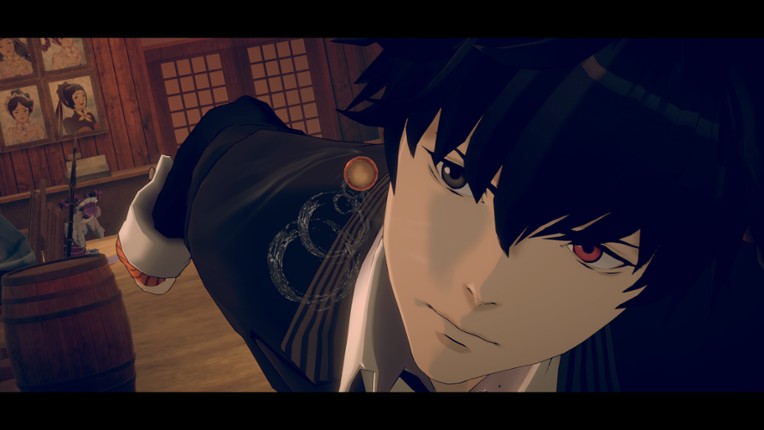
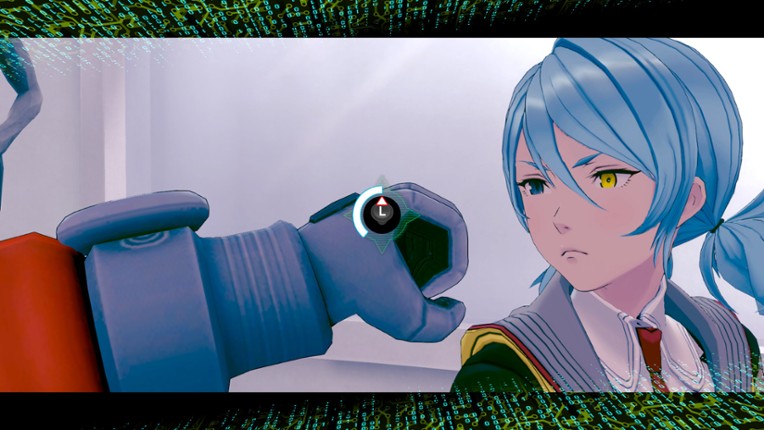
    • “The psyncs this time around were also a lot more interesting from a gameplay perspective, and they were really varied; I loved when they'd introduce unique mechanics to match a character's somnium.”
    • “The first game has tedious and monotonous gameplay but at least redeems itself with a silly, but endearing protagonist and a gripping plot with some good humour that kept me (mostly) invested to push through to the very end. This game however, has the same tedious and monotonous gameplay, but without the enjoyable protagonist, a plot that didn't keep me engaged, and the same humour that ran its course after the first game.”
    • “The puzzles are overly convoluted for literally no reason other than so that the devs can jerk it to how smart they are, let alone the janky mechanics in finding stuff with zero explanation given while other times they literally make it too obvious what you're supposed to do or find.”
    • “Actual gameplay sections were probably the worst part of the first game, and Nirvana Initiative hasn't really developed them that much further to make them enjoyable.”
  • humor
    203 mentions Positive Neutral Negative

    The game's humor is a strong and consistent highlight, blending witty dialogue, quirky character interactions, and frequent comedic moments that balance the darker murder mystery tone. While many appreciate the clever writing, playful banter, and meta jokes, some find the increased reliance on raunchy, pervy, and sometimes cringey humor less effective or divisive compared to the first installment. Overall, fans of the original’s mix of lightheartedness and intrigue will likely enjoy the humor here, though it can be uneven and occasionally detract from the narrative for some players.

    • “If you want a game that has a fine mix of humor and care-free moments alongside the tension and twists that come with solving a serial murder case, this game will more than likely fit that criteria just fine.”
    • “Incredible writing that keeps you constantly guessing at what the answers to the various mysteries are, characters that have so much personality and I made genuine emotional attachments to, caring about what happened to them through the whole game, and an honestly great sense of humor that never feels forced, never misses its mark, and manages to brighten the mood of an otherwise very tense story without feeling like it is undermining the seriousness of it.”
    • “The interactions between Tama and Ryuki as well as Aiba and Mizuki are genuinely funny and enjoyable, especially within somniums.”
    • “The dialogue generally relies too heavily on cringey "perv" humor to break up the action, which detracts from the overall experience.”
    • “I was skipping most of the dialogue because it was unfunny and cringy.”
    • “The game is so painfully unfunny that it's shocking it was released in this state.”
  • music
    150 mentions Positive Neutral Negative

    The game's soundtrack is widely praised for its atmospheric and emotional depth, skillfully enhancing tension and mystery throughout the experience. Many tracks are new while some memorable themes and motifs are reused from the first game, with standout songs often highlighted. However, some players find the recurring musical numbers and certain songs repetitive or cringeworthy, though overall the music remains a strong and integral part of the game's appeal.

    • “The soundtrack further elevates the experience, providing atmospheric music that underscores tension, mystery, and emotional beats.”
    • “Musically, the game excels with a soundtrack that complements the mood perfectly, whether you're unraveling a tense mystery or navigating the emotional highs and lows of the story.”
    • “The nirvana initiative improves on its predecessor in every way, bringing in twice as many interesting, layered characters that all get their time in the sun, crazy mysteries with twists I never saw coming, intelligent writing, vastly improved puzzles, impeccable voice acting and the best soundtrack of the year.”
    • “The core plot is weaker than the first game, the moment-to-moment dialogue manages to sink to lower lows than the first, new characters are about a 50/50 split of good and garbage, established characters are given attributes that diminish what happens in AISF1 (Mizuki being rewritten to be a genetically modified superhuman designer baby totally diminishes her parents dying and the training she went through and is the worst example), action sequences are not only choreographed worse but longer, the kills are all the same, the soundtrack is 75% recycled and when it isn't you wish it was, and the first 10 hours of the game you will be playing as a foil of Date/Aiba that does not preserve the nuanced personal relationship they had.”
    • “The music: yet another thing they double down on is the obligatory original idol song with the wacky lyrics that plays unprompted, except now there's two of them.”
    • “Whenever the characters have nothing interesting to say or do, the game throws at the player one of two things: a 2 minutes long song that features cute girls dancing, or a combat scene with obnoxious QTEs.”
  • emotional
    84 mentions Positive Neutral Negative

    The game delivers a richly emotional experience with well-developed characters, heartfelt writing, and a soundtrack that enhances key moments, evoking a wide range of feelings from humor to heartbreak. While some players found the emotional impact less intense compared to the original, the sequel still offers genuinely touching, nuanced scenes and strong narrative depth that engage players’ empathy and investment. However, a few moments suffer from uneven tone or weaker character connections, making the emotional resonance occasionally hit-or-miss.

    • “There's a greater variety of puzzles in this one, the expanded cast are all people you get attached to, and it's a much more emotionally nuanced game as well.”
    • “The voice acting, script, and character animations work harmoniously to create a sense of emotional depth and realism, drawing players into the characters’ struggles and dilemmas.”
    • “Even though there were a lot of physically and mentally disturbing themes in the story, this game did not fail in delivering some of the most emotional scenes I've seen in video games, both the tragic and heartwarming ones.”
    • “Boring story, characters, plot twists... I must say the prequel game is much better.”
  • graphics
    69 mentions Positive Neutral Negative

    The graphics are generally praised for their distinct anime-inspired art style, polished visuals, and well-designed character models, contributing to the game's unique atmosphere and storytelling. However, many note limited graphic customization options, occasional graphical glitches, aliasing issues, and some low-resolution cutscenes, indicating that while aesthetically pleasing, the visuals are not technically advanced or highly flexible. Overall, the graphics effectively support the narrative and gameplay without aiming for AAA-level fidelity.

    • “The upgraded graphics and controls were so nice.”
    • “The artwork and character design are excellent; I've played the game in Japanese and watched someone playing it in English, and I found both versions are perfect.”
    • “A beautiful game, with amazing visuals, an amazing story, amazing character development, amazing UI, amazing bonuses, amazing gameplay, superb soundtrack, and I could go on and on and on... it's truly a labor of love.”
    • “The game lacks basic graphics options beyond resolution and vsync, which is disappointing.”
    • “In certain scenes, the visuals look terrible, with character models suffering from heavy aliasing—even on max settings.”
    • “The game isn't very graphically demanding, but there are jaggies (jagged edges) on every 3D model and some of the video cutscenes have really low resolution, probably 720p, so they can't be upscaled.”
  • character development
    33 mentions Positive Neutral Negative

    Character development in this game is widely viewed as lacking or inconsistent, with many players feeling it sacrifices growth established in the first installment due to an effort to remain spoiler-free. While some new characters like Ryuki and relationships such as Ryuki and Tama's receive praise, returning characters often feel flanderized or stagnant, hindering immersion. Despite mixed opinions on the character designs—which range from vibrant and memorable to bizarre—the overall consensus is that the sequel does not match the depth of development seen previously, making prior knowledge of the first game important for full appreciation.

    • “Character development remains a strong point, with returning faces from the first game bringing a sense of continuity and new characters injecting fresh dynamics into the story.”
    • “While there are a few things I did not understand, this game is a masterpiece in the story, character development, and had interesting features I have never seen in a game.”
    • “I especially found Ryuki and Tama's relationship to be very satisfying from a character development perspective.”
    • “It's full of clichéd plots and the character development is poor, making it impossible for the player to fully immerse themselves in the game.”
    • “Some of the returning characters were honestly butchered in this, their personalities just feel way off to how they should be and a lot of character development from the first game just gets completely erased.”
    • “Completely disregards the previous game's character development for Date, Mizuki, and Iris.”
  • atmosphere
    22 mentions Positive Neutral Negative

    The atmosphere is widely praised for its unsettling, mysterious, and immersive qualities, often enhanced by eerie music and supernatural themes drawn from occultism and conspiracy theories. While some find the humor and tonal shifts detract from the dark, suspenseful mood, most agree the game successfully creates a compelling and unique atmosphere that deepens the mystery and emotional impact. However, opinions vary, with some preferring the first game’s atmosphere and others valuing the expanded lore and refined mechanics in the sequel.

    • “Opinions are going to vary greatly on this one, but even playing both 1 and 2 back-to-back, I personally found 2 to be my favorite and a real flex in mystery writing. It has that sweet Uchikoshi vibe of creating a supernatural atmosphere by drawing in real world conspiracy theories, occultism, and mysticism coupled with a grand and morbid mystery.”
    • “The soundtrack further elevates the experience, providing atmospheric music that underscores tension, mystery, and emotional beats.”
    • “A bit disturbing and creepy at times (even includes one jumpscare), a bit inconsistent with the first part (or at least has some far-fetched explanations), a bit confusing with the plot twist (yet I'm glad they've covered all that seemed like large plot holes in the process) but overall a very interesting and atmospheric experience!”
    • “I didn’t really dig the atmosphere of the first game.”
    • “Also, I don't think leaning more into the humorous side was a good decision; I'm just not a fan of this humor and it takes away from the atmosphere of a murder mystery.”
    • “The atmosphere, the somniums, and the relationship with the characters seem less refined; apart from that, it was a great experience.”
  • optimization
    17 mentions Positive Neutral Negative

    Optimization is generally solid, with stable performance and good overall quality, though some users report occasional stuttering during somnium segments and a few unoptimized cutscenes. The game runs smoothly without major bugs, but some gameplay elements feel less polished, impacting player engagement. Enhanced lighting and animations improve upon the previous installment, complementing strong voice performances.

    • “Didn't encounter any performance or stability issues during my entire playthrough.”
    • “It seems to be about as performance-intensive as the first game, but with better lighting and animations.”
    • “Performance: no bugs or issues were found.”
    • “Loved this game a lot, but please Spike Chunsoft, fix the stutterings in the Somniums, they're really annoying.”
    • “There are a few cut scenes that don't look optimized for higher quality, probably would look good on a Switch screen tbh.”
    • “It seems to be about as performance-intense as the first game, but with better lighting and animations.”
  • grinding
    13 mentions Positive Neutral Negative

    Grinding in the game is generally seen as tedious and monotonous, with some players finding achievements and certain mini-games unnecessarily grind-heavy. While improvements were made from the previous installment, many still feel that gameplay elements like action scenes and slow pacing contribute to a tiresome experience overall.

    • “Unfortunately, achievements seem significantly more grindy to complete, so I'm refraining from doing that here like I did in the first Somnium Files.”
    • “And the gameplay, while better in some aspects, has some really unnecessary additions - who really wanted a Tamagotchi-style mini-game that's only used for farming in-game currency to unlock in-game costumes and two achievements?”
    • “☐ You'll need a second life for grinding.”
  • replayability
    7 mentions Positive Neutral Negative

    The game offers improved replayability through multiple endings influenced by different choices and paths, encouraging several playthroughs. Enhanced features like more engaging mechanics, dual language options, and unlockable content further increase its appeal compared to its predecessor.

    • “The game’s structure encourages multiple playthroughs, as different choices and discovery paths can lead to varying endings, enhancing replayability and reinforcing the game’s themes of perception and truth.”
    • “Similar to the first game, this game also offers a decent amount of replayability despite being a murder mystery in my opinion.”
    • “The first AI had the issue of low replayability, due to its crazy unforgettable ending and single perspective.”
    • “From a technical standpoint, it improves in a lot of ways - somnia, which I thought were generally pretty tedious in the last game, are now much more playable, with their underlying themes and logic being simultaneously more straightforward and more interesting (if maybe a bit overcorrected to linearity).”
    • “There's replayability in experiencing both dubs (I think English is pretty decent), unlocking costumes, and concept art.”
  • stability
    6 mentions Positive Neutral Negative

    The game's stability is marred by occasional bugs, graphic glitches, and inconsistent difficulty, particularly in certain somnium sections, causing some frustration. While these issues are less severe than in previous titles and generally minor, they can momentarily disrupt gameplay and immersion. Overall, stability is acceptable but occasionally undermines the experience.

    • “Combat was buggy.”
    • “I found myself on multiple occasions on the verge of just closing the game because of how frustratingly inconsistent the difficulty of the somniums can be. Ryuki's difficulty was mild and not obscenely difficult, but somniums on Mizuki's side, like Gen's, were very easy. However, the masked woman's somnium was incredibly buggy and unclear about what you should and shouldn't do.”
    • “There are occasionally graphic glitches (far less than the first game) and a few small details that seem to contradict events from the first game, but they are mostly minor and do not impact the game or the current story.”
  • monetization
    3 mentions Positive Neutral Negative

    The game avoids microtransactions by using an in-game currency, but its monetization feels more like a cash grab capitalizing on past successes rather than delivering a meaningful story. Additionally, the advertising approach is notably dark.

    • “Just feels like a cash grab of 'oh these things were cool, let's do it again' instead of being a story that needed to be told.”
Skip Critic Reviews

90%Critics’ scoreBased on 1 critic reviews
Skip Game Offers

Buy AI: THE SOMNIUM FILES Nirvana Initiative

35h Median play time
37h Average play time
25-50h Spent by most gamers
*Based on 3 analyzed playthroughs
Skip Videos

Videos

Skip Games Like AI: THE SOMNIUM FILES Nirvana Initiative
Skip FAQs

Frequently Asked Questions

AI: THE SOMNIUM FILES Nirvana Initiative is a action adventure game with drama, mystery, anime and science fiction themes.

AI: THE SOMNIUM FILES Nirvana Initiative is available on Nintendo Switch, Xbox Series X|S, PC, PlayStation 5 and others.

On average players spend around 37 hours playing AI: THE SOMNIUM FILES Nirvana Initiative.

AI: THE SOMNIUM FILES Nirvana Initiative was released on June 24, 2022.

AI: THE SOMNIUM FILES Nirvana Initiative was developed by Spike Chunsoft Co., Ltd..

AI: THE SOMNIUM FILES Nirvana Initiative has received positive reviews from both players and critics. Most players liked this game for its story but disliked it for its optimization.

AI: THE SOMNIUM FILES Nirvana Initiative is a single player game.

Similar games include AI: THE SOMNIUM FILES, No Sleep For Kaname Date - From AI: THE SOMNIUM FILES, Zero Escape: Zero Time Dilemma, Zero Escape: The Nonary Games, The Hundred Line -Last Defense Academy- and others.