
Games like RuneScape
If RuneScape has been your go-to world for questing, skilling, and losing entire afternoons to a game that somehow makes fishing feel rewarding, you're not alone — and your search for games like RuneScape lands you in exactly the right place. RuneScape's blend of adventure, open-ended progression, and a world that always has something new to do is a genuinely rare formula. The good news: there are worthy alternatives worth your time.
What sets RuneScape apart is its commitment to player-driven progression across a sprawling adventure world — you decide what skills to build, which quests to chase, and how to spend your time. The core loop rewards curiosity and patience rather than raw reflexes, wrapping everything in a tone that balances lighthearted humor with genuine depth. Players who love it aren't just chasing combat; they want a world that feels alive and responds to the choices they make over dozens of hours.
What Makes a Good Alternative to RuneScape?
- Open-world exploration — RuneScape's map is a playground, not a corridor. The best alternatives offer sprawling environments that reward wandering and discovery rather than funneling you down a fixed path.
- Character progression with real depth — Whether through skill trees, class customization, or use-based leveling, good alternatives let you shape your character meaningfully over time, much like RuneScape's iconic skill system.
- Adventure-driven questing — RuneScape's quests tell actual stories with twists and humor. Alternatives worth recommending offer quest lines that go beyond "kill ten wolves" and give you a reason to care about the world.
- Accessible but rewarding — RuneScape never demands perfection to progress. The best similar games are approachable without being shallow, welcoming new players while offering real mastery ceilings.
- Rich lore and atmosphere — Whether gothic, fantastical, or somewhere in between, the games that scratch the RuneScape itch have a sense of place — a world with history you can feel as you play through it.
Top Picks If You Enjoyed RuneScape
For a strong starting point, Gothic II delivers a story-rich open world with atmosphere in spades. Dungeon Siege offers deep party-based RPG progression with a seamless world and satisfying loot. The Dragon Odyssey brings free-to-play action RPG combat with broad character customization. Popup Dungeon surprises with extensive customization and genuine tabletop charm. Dungeons of Chaos earns its place as a retro-style RPG with deep systems and a vast world to uncover.
Every recommendation below is ranked by similarity using real player data, so the closest matches to RuneScape's feel appear first. Scroll down to browse the full list and find your next adventure.
- 16%Game Brain Score25% User Score 16 reviews
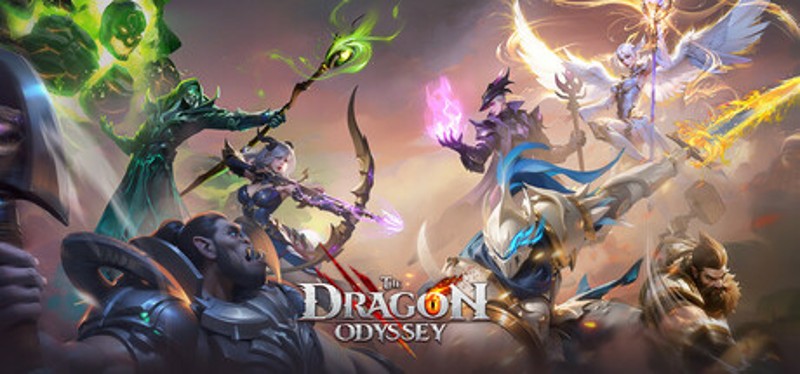
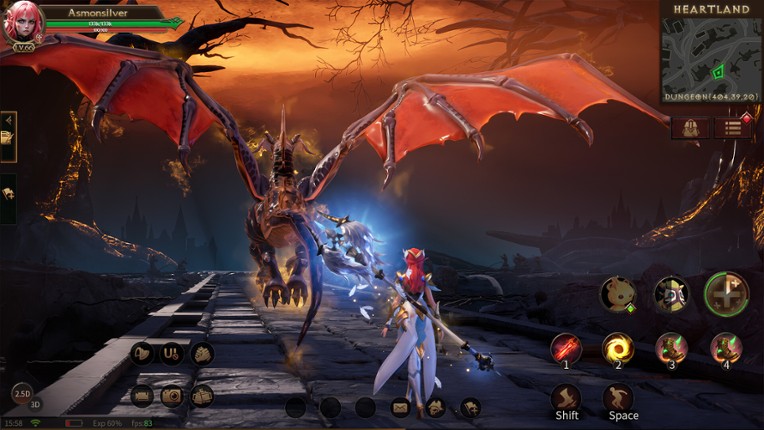
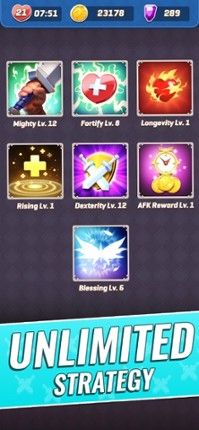
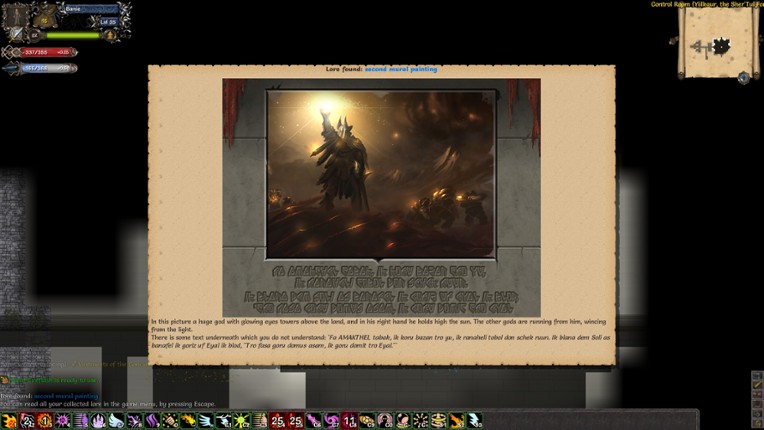
Both RuneScape and The Dragon Odyssey pull you into extended quests where progression hinges on character development and strategic resource management—you're not rushing to a finish line, but grinding toward mastery across multiple playstyles.
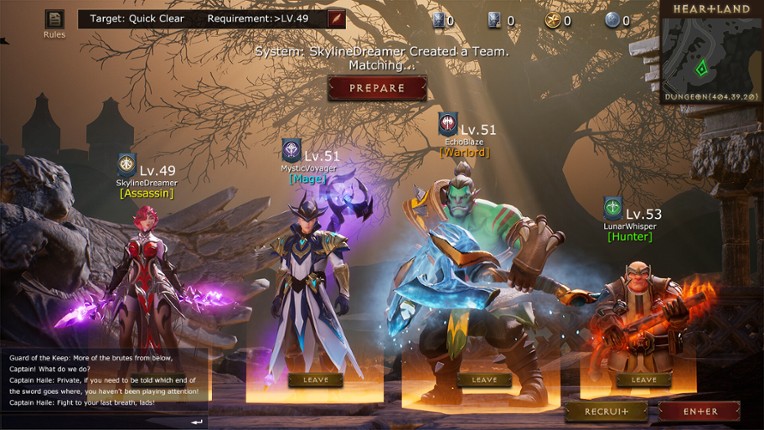
The shared magic system and class diversity creates that same replayability hook: switching between character archetypes fundamentally changes how you approach encounters, mirroring RuneScape's skill-swapping depth. Additionally, dragon encounters and arena-based combat anchor both games around memorable, challenging battles that reward preparation over reflexes.
Where The Dragon Odyssey pivots is its auto-battler hybrid layer—you're orchestrating tactical setups rather than executing every action manually, which reduces the mechanical burden while preserving strategic decision-making.
The Dragon Odyssey also ships as free-to-play without mandatory spending, addressing the access friction some RuneScape players encounter with membership paywalls. Fair warning: the PC port carries technical rough edges and a thinner community, so expect a smaller ecosystem.
Best for players who value character customization and long-term progression loops over polished presentation.
If you enjoyed this game, see our list of games similar to The Dragon Odyssey.View Game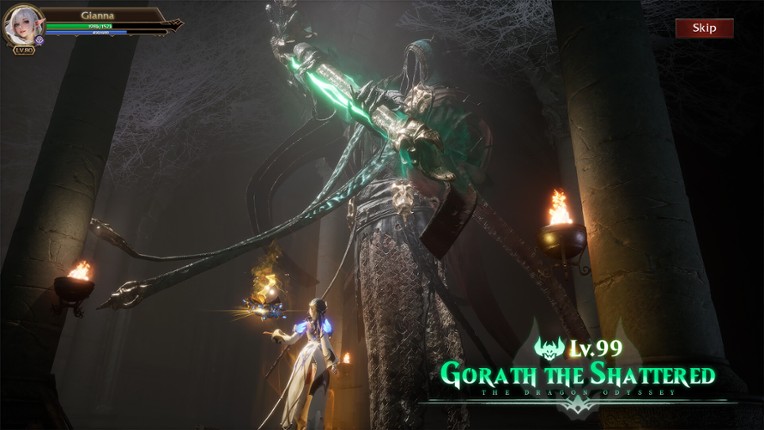
- View Game86%Game Brain Score86% User Score 805,827 reviews
RuneScape fans who enjoy setting long-term goals and slowly turning a rough start into something impressive will recognize that same loop here. Minecraft: Dream it, Build it! keeps the focus on solo play, exploration, and gathering materials, so progress still feels earned rather than handed over.
The overlap in crafting and building matters because it turns every found resource into a personal project, just like stockpiling gear and supplies in RuneScape. Both games also reward patience: you move from surviving dangerous moments to preparing better tools, which creates that same sense of steady self-directed advancement.
The big fresh angle is freedom of expression. Instead of following RuneScape’s quest-and-skilling structure, this leans harder into making your own goals and shaping the world around them, which is a great tradeoff for players who want less direction and more creative control.
Best for players who like methodical progression, solo adventure, and building toward a self-made payoff.
If you enjoyed this game, see our list of games similar to Minecraft: Dream it, Build it!. - 86%Game Brain Scorestory, graphicsstability, grinding87% User Score 4,148 reviewsCritic Score 80%1 reviews
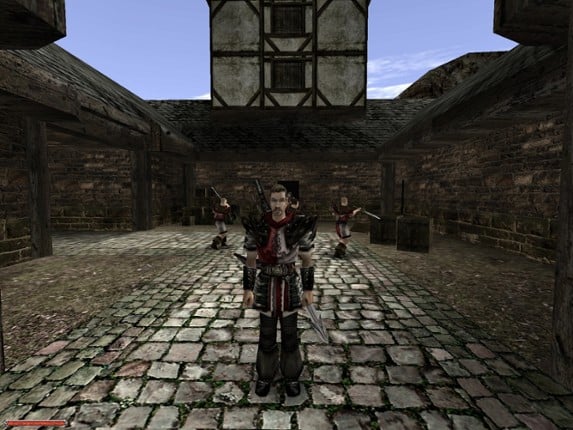
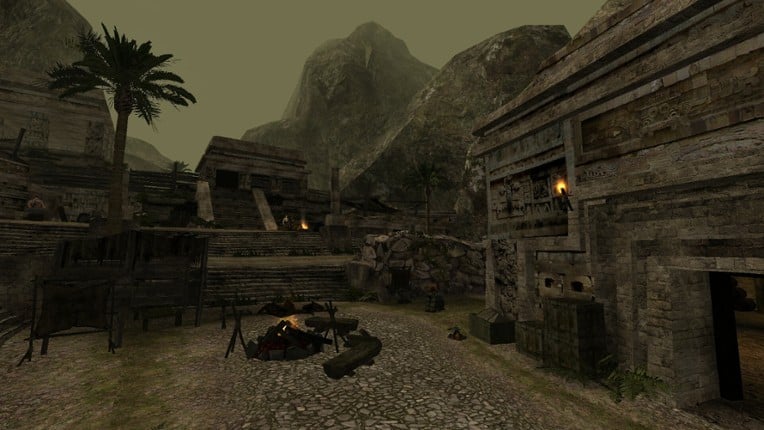
Success in Gothic II hinges on the environmental risk assessment required to navigate the dangerous corners of Gielinor. You start as a vulnerable nobody, where survival depends on learning the "rules" of the world rather than brute force. This creates a specific tension where every piece of equipment or new spell feels like a hard-won victory.
The progression system relies on manual skill-training and crafting through world-found NPCs, mirroring the satisfaction of hitting a long-sought level milestone. By requiring you to seek out specialized masters to improve stats, character growth becomes an active questing experience. This ensures your power is always tied to your mastery of the world's geography.
A notable departure exists in the finite, authored narrative, which trades the social sandbox for a reactive world with permanent consequences. While the experience involves a heavy grind, this grit provides a fresh angle on the progression fans already value. Best for players who prioritize mechanical mastery over visual spectacle.
If you enjoyed this game, see our list of games similar to Gothic II.View Game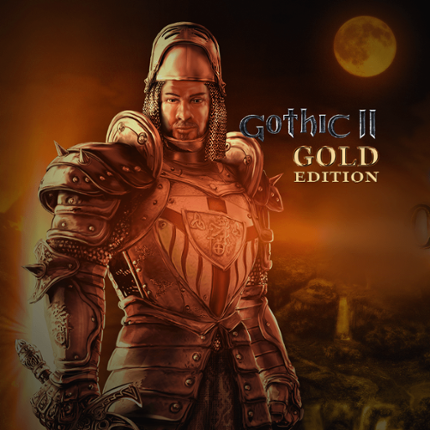
- 75%Game Brain Scoregameplay, storygrinding, monetization79% User Score 996 reviewsCritic Score 63%3 reviews
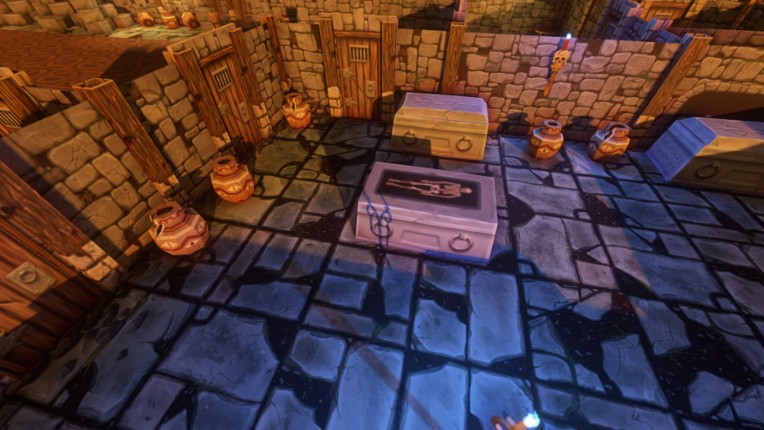
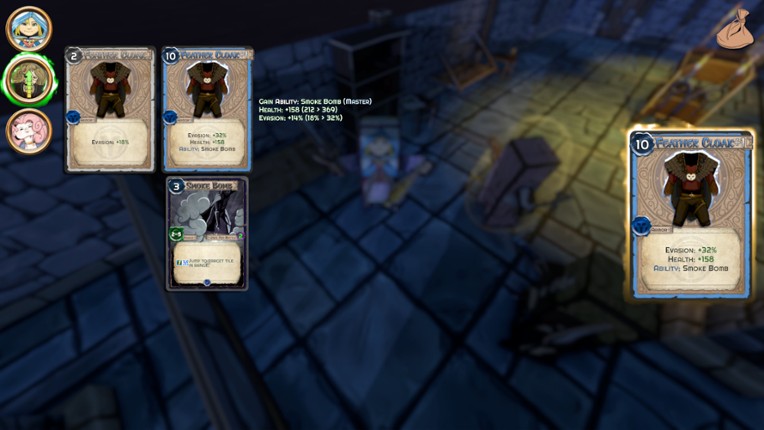
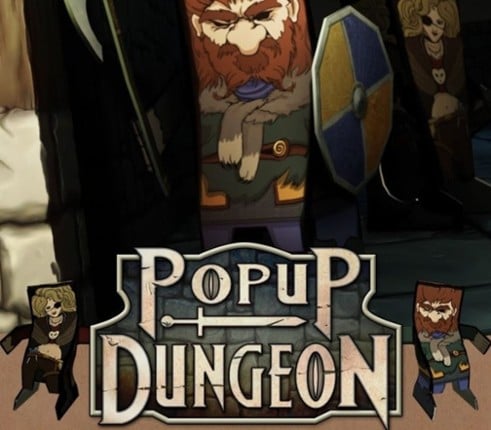
Both games reward players who enjoy mastering complex systems over time. RuneScape's skill progression and Popup Dungeon's character building share a core appeal: incremental growth that transforms how you approach challenges. In RuneScape, grinding Woodcutting changes which forests you visit; in Popup Dungeon, unlocking new abilities reshapes your entire tactical approach. The difference lies in pacing—Popup Dungeon compresses that mastery loop into focused, replayable sessions rather than years of grinding.
The dungeon-crawling loop binds these titles together more than genre labels suggest. RuneScape's Slayer tasks and Popup Dungeon's procedural encounters both create a rhythm of preparation, execution, and reward. Popup Dungeon adds a tabletop layer: you can design your own dungeons, weapons, and campaigns, giving it a workshop depth RuneScape lacks. If you've ever wished Gielinor had a built-in dungeon editor, this scratches that itch.
The tradeoff is atmosphere. Popup Dungeon's humor and voice acting create a lighter tone than RuneScape's persistent world, and its UI confusion frustrates new players more than RuneScape's interface ever could. Best for players who want tactical depth and creative tools in shorter bursts, rather than a living world that demands daily attention.
If you enjoyed this game, see our list of games similar to Popup Dungeon.View Game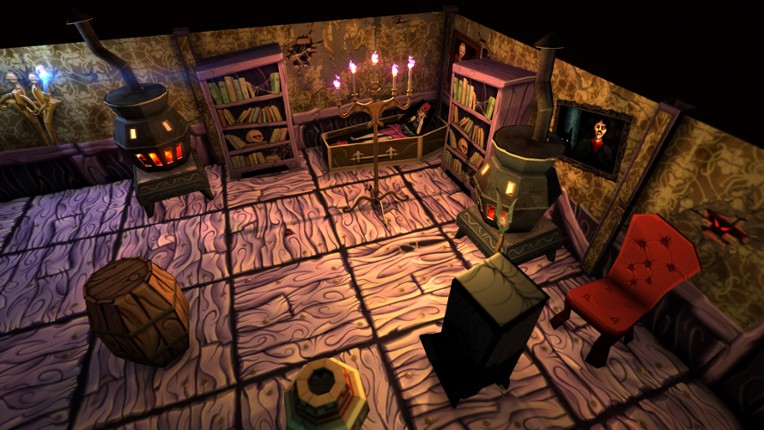
- 78%Game Brain Scorestory, graphicsstability, grinding79% User Score 3,904 reviewsCritic Score 72%2 reviews
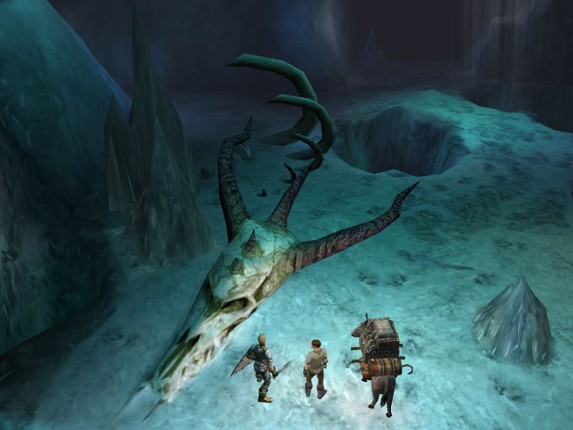
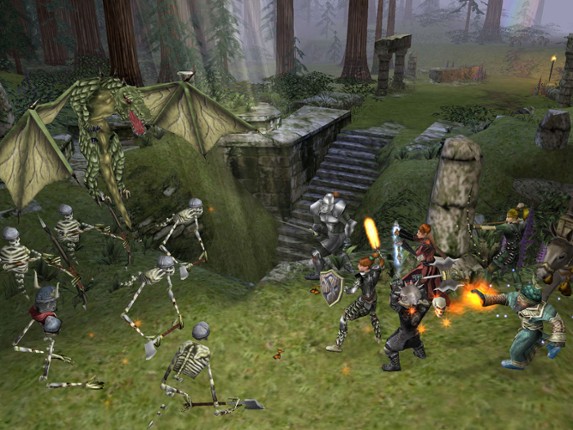
The loop of pushing deeper into a dangerous world while watching your character grow more capable through repeated action is something both games share at a fundamental level. In Dungeon Siege, skills improve simply by using them — swing a sword enough and you become a better swordsman — which mirrors the way RuneScape rewards persistent, hands-on play over menu-driven leveling. That system quietly encourages experimentation rather than demanding you follow a preset build.
Both games also lean into single-player adventure across expansive, magical worlds, with loot and character customization giving you reasons to keep moving forward. Dungeon Siege adds a notable twist: you manage a party of up to 8 characters, shifting the experience from solo progression to a small-squad tactical layer.
Worth flagging: the Steam version has multiplayer disabled and lacks the Legends of Aranna expansion, so the experience is narrower than it once was.
Best for RuneScape players who favor the methodical grind of skill-building and don't mind a more linear, story-driven world in exchange for a classic RPG atmosphere.
If you enjoyed this game, see our list of games similar to Dungeon Siege.View Game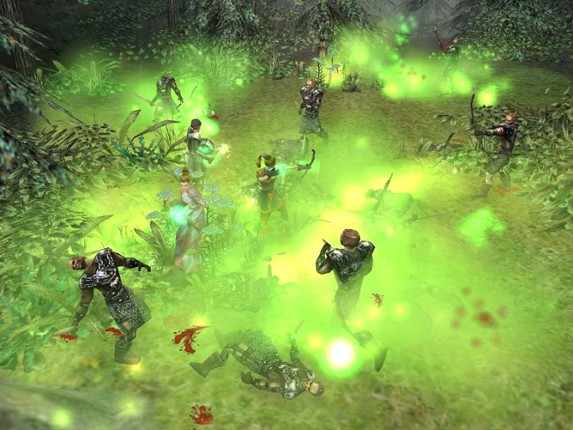
- View Game91%Game Brain Score91% User Score 1,819 reviews
Both games center on the grind-heavy loop of gathering and crafting to gain an edge in combat. This progression system matters because it transforms mundane resource collection into a tangible path toward character mastery.
While RuneScape keeps your journey confined to a screen, Magic Streets forces you into the real world via GPS tracking. You are trading desktop convenience for physical exploration to spawn your monsters and arenas.
Pick this up if you want the incremental satisfaction of leveling skills but can live without the sedentary nature of traditional MMO play.
If you enjoyed this game, see our list of games similar to GPS Game: Magic Streets. Crafting ties both games' progression, making resource gathering and item creation the core driver of power.
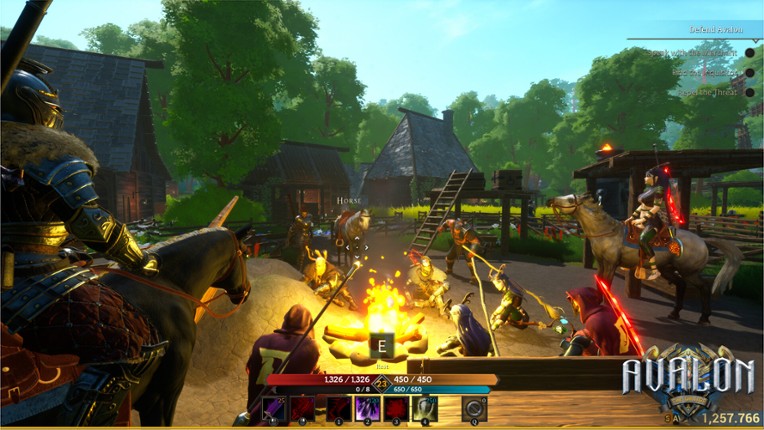
Exploration and combat are equally central, offering adventure through dungeon delves and dragon encounters. The medieval fantasy setting mirrors RuneScape’s aesthetic, giving a familiar world for fans of the genre.
RuneScape is strictly single‑player, while Danu layers multiplayer co‑op, PvP, and online play that can shift focus away from solo progression.
Pick this up if you want a crafting‑driven medieval adventure and can tolerate a niche multiplayer focus, but don’t expect the pure solo experience RuneScape provides.
If you enjoyed this game, see our list of games similar to Danu: Rise of the Templars.View Game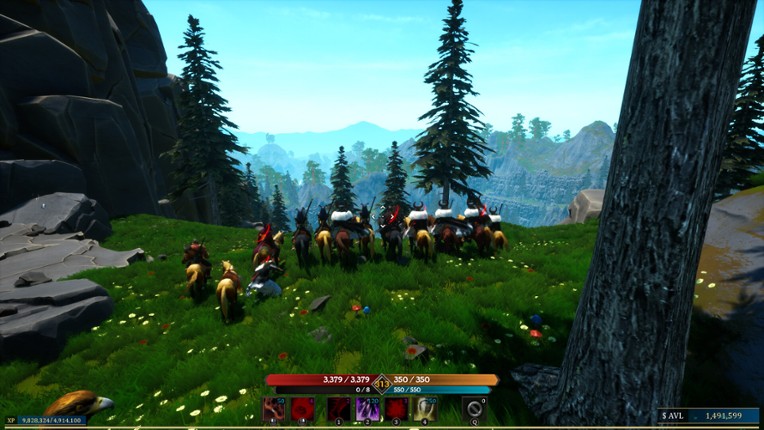
- 87%Game Brain Score87% User Score 1,122 reviews
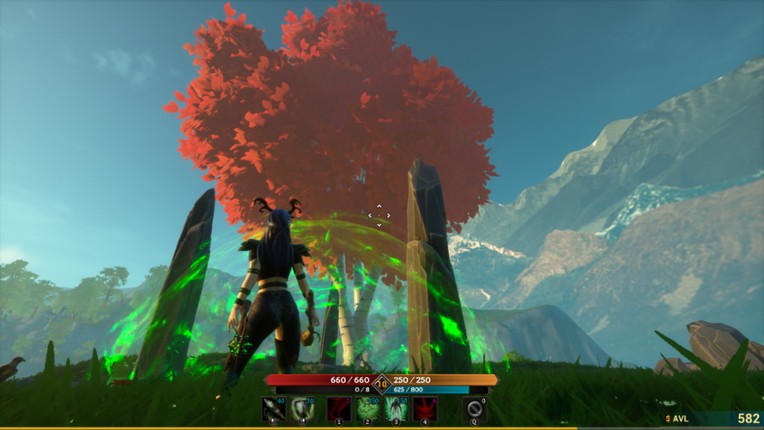
Both games build progression around magic-based combat paired with boss encounters that demand tactical timing rather than reflexes alone.
Arcade Hunter shares RuneScape's reward structure of grinding toward skill milestones, which keeps long play sessions purposeful.
The tradeoff: Arcade Hunter strips away the MMO social layer and world-building depth for a leaner, arcade-focused gauntlet format.
Pick this if you want magic combat and boss challenges without the time commitment of an open world, but expect less character customization and narrative.
If you enjoyed this game, see our list of games similar to Arcade Hunter: Sword and Gun.View Game

- 96%Game Brain Scorestory, gameplaygrinding96% User Score 675 reviews
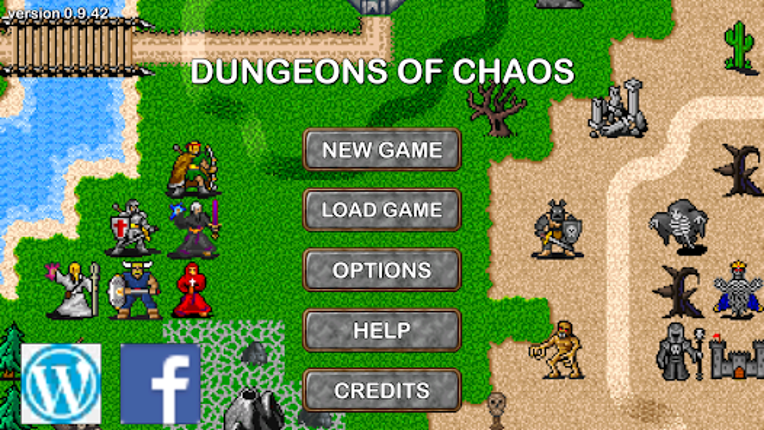
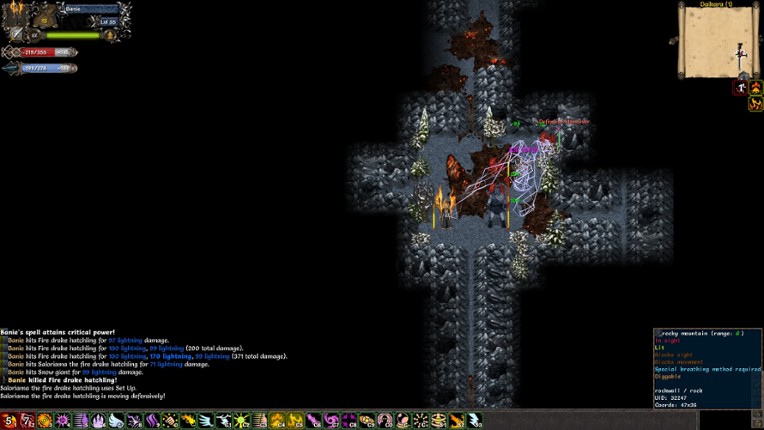
Dungeons of Chaos shares RuneScape’s focus on deep single-player progression, emphasizing skill development through exploration and combat. Both games challenge players with complex systems that reward time investment and mastery. This makes it ideal for those who enjoy layered RPG mechanics.
Both titles feature magic and expansive worlds, creating rich environments that encourage strategic play and discovery. This shared scope supports long-term engagement and varied gameplay styles. However, Dungeons of Chaos demands a steeper learning curve and can frustrate with buggy performance and a clunky interface.
Pick Dungeons of Chaos if you want a retro-inspired RPG that values deep character customization and complexity but can tolerate technical rough edges that diverge from RuneScape’s smoother experience.
If you enjoyed this game, see our list of games similar to Dungeons of Chaos.View Game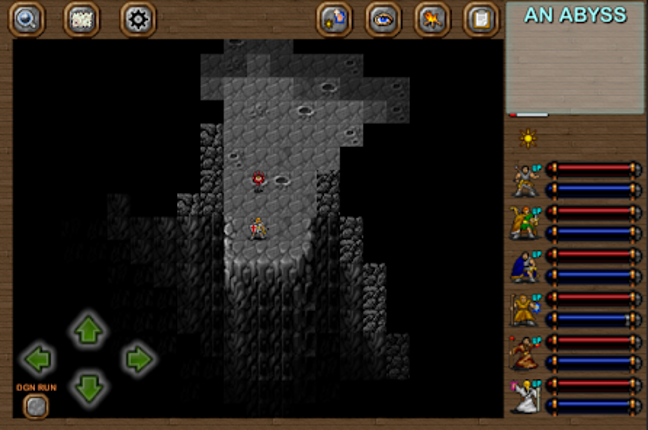

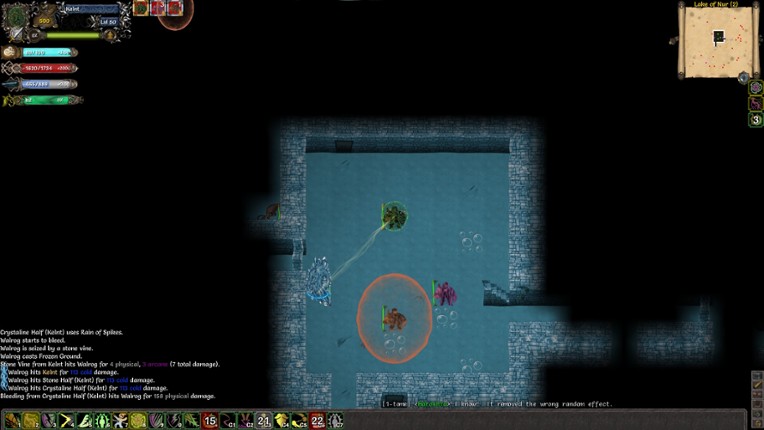
- 95%Game Brain Scoregameplay, graphicsgrinding, stability95% User Score 4,800 reviewsRoguelike dungeon crawler that strips RuneScape's progression systems for permadeath challenge and tactical turn-based combat instead. If you enjoyed this game, see our list of games similar to Tales of Maj'Eyal.View Game









Frequently Asked Questions
Top recommendations include Gothic II, a classic open-world action RPG with rich storytelling and atmospheric exploration, and Dungeon Siege, which features real-time combat with party-based gameplay and seamless worlds. The Dragon Odyssey offers modern action RPG mechanics with character customization, while Dungeons of Chaos delivers retro-style dungeon crawling reminiscent of older RPG classics.
The Dragon Odyssey is completely free-to-play with no mandatory purchases, offering auto-battler and action RPG elements alongside extensive character customization. This makes it an accessible alternative if you're looking for adventure RPG gameplay without spending money upfront while still enjoying deep progression systems.
Dungeon Siege stands out with its innovative party system allowing control of up to eight characters simultaneously in real-time combat. Popup Dungeon offers turn-based tactical party gameplay with extensive character customization and co-op support, while Danu: Rise of the Templars provides multi-player party options with action-focused combat.
Dungeon Siege supports two-player co-op with its party-based system, and Popup Dungeon offers co-op dungeons with tabletop RPG mechanics and extensive customization. Danu: Rise of the Templars features online co-op gameplay, while The Dragon Odyssey supports both co-op and multi-player modes for shared adventures.
Gothic II delivers a dark, atmospheric open world with gothic themes and dragons, praised for immersive world-building and story. The Dragon Odyssey also features dark fantasy aesthetics alongside action RPG gameplay. Both games offer the moody tone some RuneScape players seek when exploring dangerous dungeons and mysterious landscapes.
Dungeons of Chaos offers deep character customization with a skill-based progression system where abilities improve through use. The Dragon Odyssey and Popup Dungeon both provide extensive customization options, while Dungeon Siege features a unique skill progression system that rewards experimenting with different playstyles and weapon combinations.