


If Minecraft has swallowed hundreds of your hours — whether you spent them constructing elaborate bases, surviving your first night, or just wandering procedurally generated worlds with friends — it makes sense to want more of that feeling. Games like Minecraft blend creative building, open-world survival, and sandbox freedom in a way that's genuinely hard to replicate, but the good news is that several titles come remarkably close. Games like Minecraft are out there, and some of them might surprise you.
What makes Minecraft so hard to walk away from is its rare combination of mechanics: block-based building that rewards patience and imagination, survival systems that create real stakes, and a multiplayer layer that turns solo projects into shared adventures. It sits at the crossroads of sandbox, survival, simulation, and casual play — welcoming enough for newcomers, deep enough to keep veterans busy for years. Players keep coming back for the creative freedom and the rhythm of gather, build, explore, repeat.
Crafting and Building is the most direct block-for-block alternative worth trying. ARK: Survival Evolved cranks up the survival intensity with dinosaurs to tame and bases to defend. Don't Starve: Pocket Edition delivers a challenging, atmospheric survival loop with a striking hand-drawn style. Mini World: CREATA brings multiplayer sandbox building with co-op and PvP modes. LokiCraft is a solid lightweight option for classic-style block building on the go.
Every recommendation below is ranked by similarity to Minecraft using real player data, so the closest matches appear first. Browse the full list to find the one that fits exactly what you're looking for.
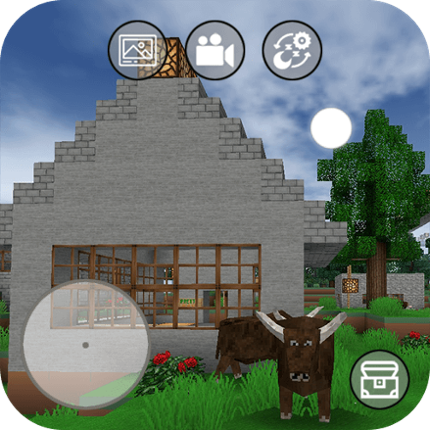
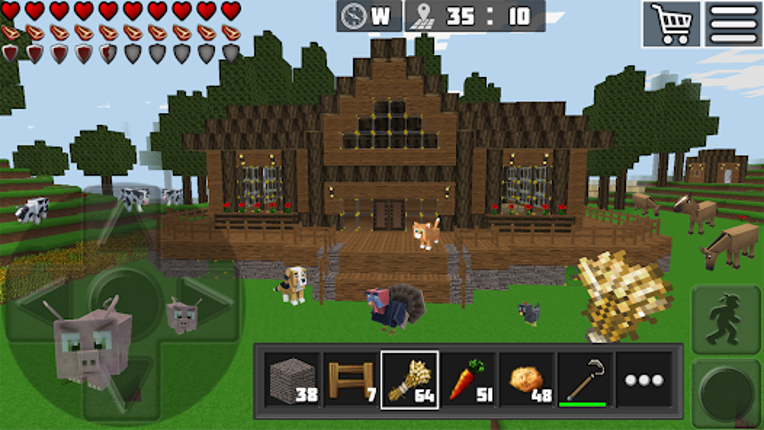
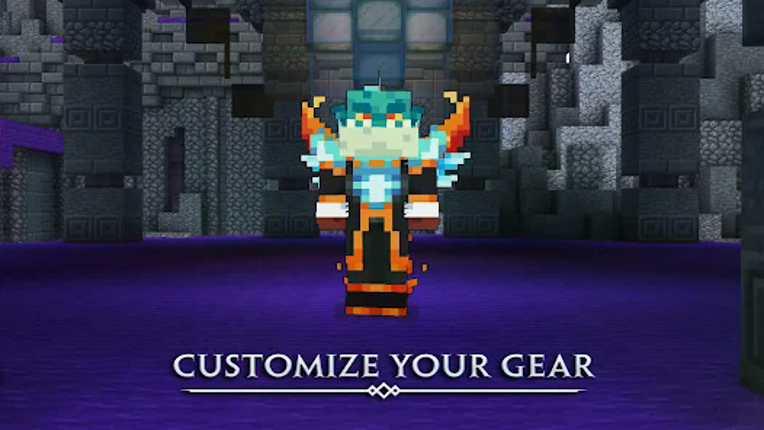
Mine, Block Craft a Mini World 3D with Friends! Survival Crafting and Building! If you enjoyed this game, see our list of games similar to World Craft: Block Craftsman.
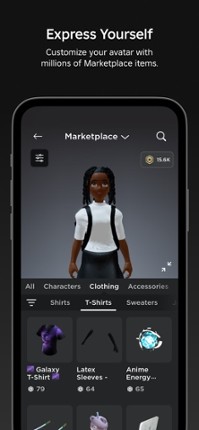
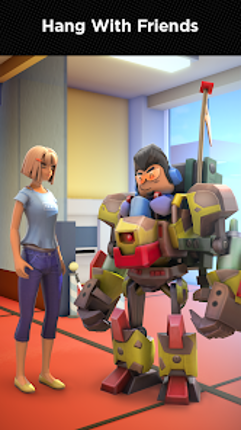
For players who find their joy in building custom worlds to inhabit with friends, Rec Room: Play with Friends provides a vibrant social canvas. Much like the infinite creative freedom of Minecraft, this experience centers on the Maker Pen, allowing you to construct rooms and games from scratch. This shared mechanic transforms players into architects, fostering the same sense of collaborative ownership found in a shared survival server.
While Minecraft's recent updates have struggled with cumbersome new control schemes and inventory glitches, Rec Room offers a more fluid, mobile-optimized interface. This streamlined approach allows you to jump into adventures without fighting the UI, addressing the frustration many veterans feel with current block-building mechanics. You trade the lonely survival grind for a focus on social depth and scripted quests that lean into humor and shared objectives.
This transition provides a fresh angle on simulation by prioritizing character interaction over resource management. Best for players who value social creativity and community-driven mini-games over the solitary grind of resource gathering.
If you enjoyed this game, see our list of games similar to Rec Room: Play with Friends.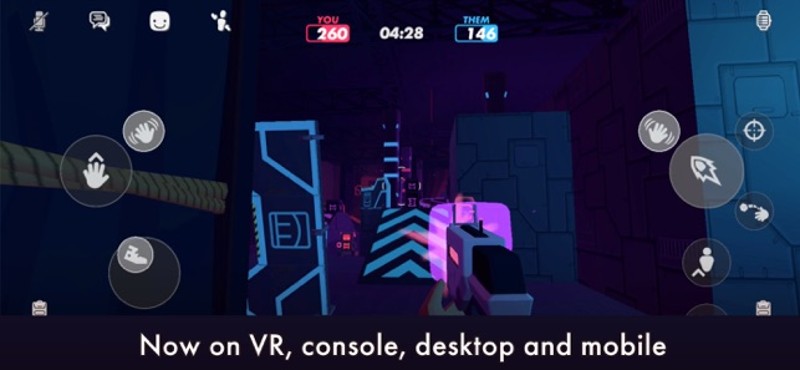

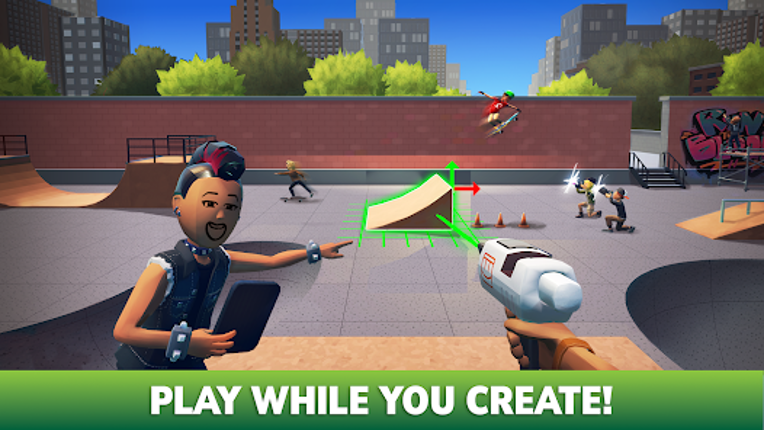
Both games center on the quiet satisfaction of hands-on creation—the core loop of gathering, crafting, and watching your vision materialize block by block. This meditative pacing attracts players who value process over pressure, which is why Minecraft's creative freedom resonates so deeply.
Crafting and Building preserves two critical elements: sandbox building mechanics that let you construct without rigid objectives, and single-player focus that eliminates server lag and connectivity frustrations. That last point matters—Minecraft players have voiced real complaints about multiplayer bugs and lost worlds, issues Crafting and Building sidesteps entirely through its streamlined, offline-first design.
The tradeoff: Crafting and Building strips away multiplayer collaboration, trading shared creation for polished solo gameplay. For players who built worlds alone anyway, this feels like refinement rather than loss.
Stability concerns linger (bugs persist here too), but the smaller scope makes for a tighter, less crash-prone experience than recent Minecraft versions. Best for solo builders who prioritize a stable, bug-free creative canvas over the scale of a living, constantly-updated world.
If you enjoyed this game, see our list of games similar to Crafting and Building.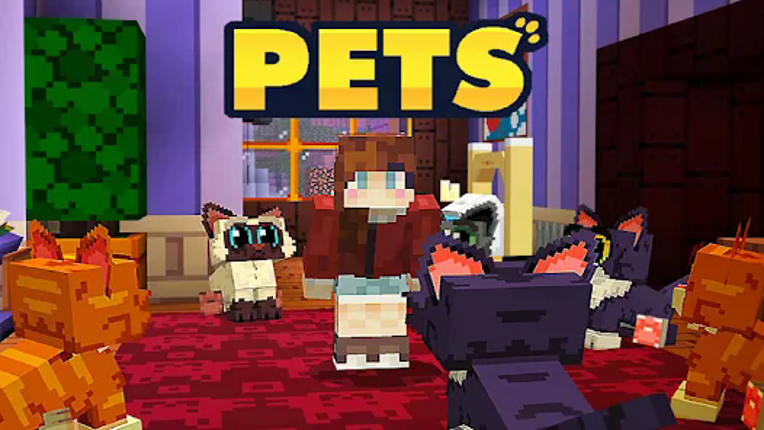
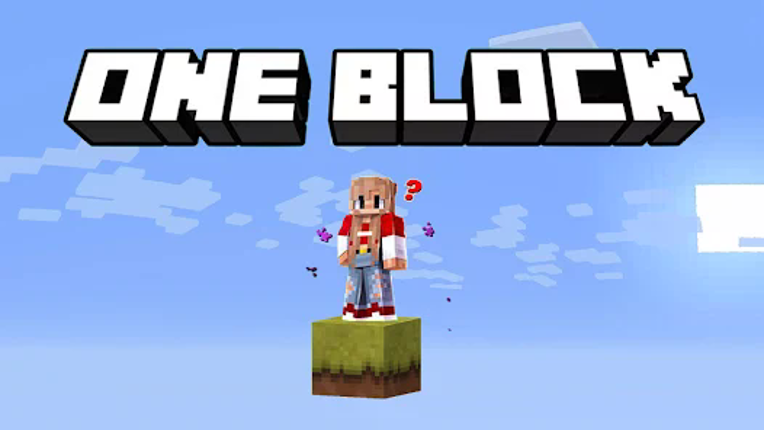
Both games hand you a tool and ask you to reshape the world. Gathering wood, stone, and other resources fuels survival and creativity. That improvisational spirit drives every session, whether you're building a dirt hut or a wooden shelter.
Crafting in Don't Starve mirrors Minecraft's workbench loop: collect, combine, and create tools and structures. The survival trio of health, hunger, and sanity creates constant pressure, pushing you to explore and adapt. Both titles reward careful planning and punish reckless moves with sudden death.
Don't Starve: Pocket Edition is strictly single‑player, offering a focused solo challenge instead of Minecraft's multiplayer. Its hand‑drawn art and procedural biomes provide a fresh visual style, while stable mobile performance sidesteps Minecraft's recent bugs.
Best for players who love crafting, survival tension, and mastering a challenging world alone. It’s a rewarding detour for Minecraft fans seeking deeper solo survival.
If you enjoyed this game, see our list of games similar to Don't Starve: Pocket Edition.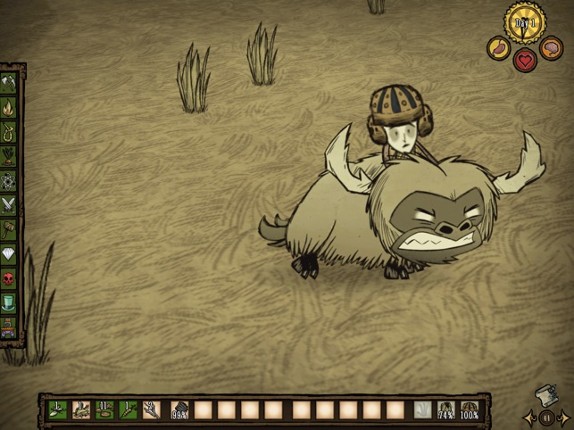
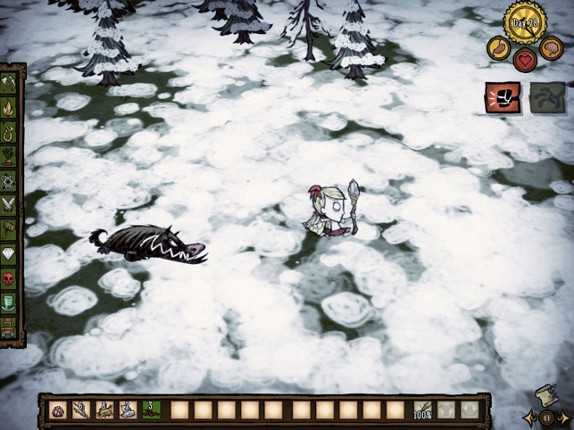
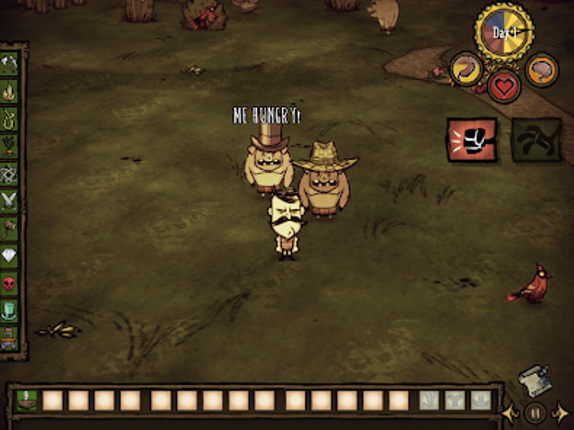
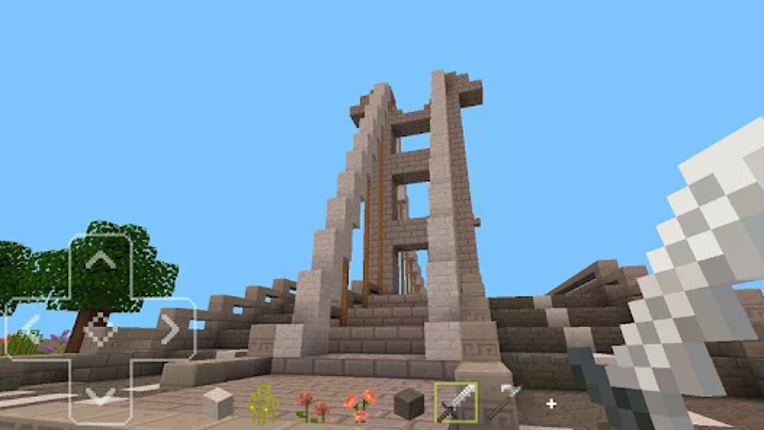
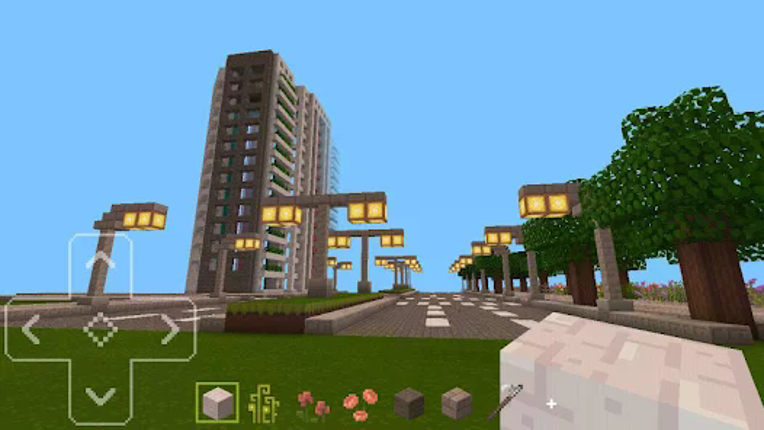
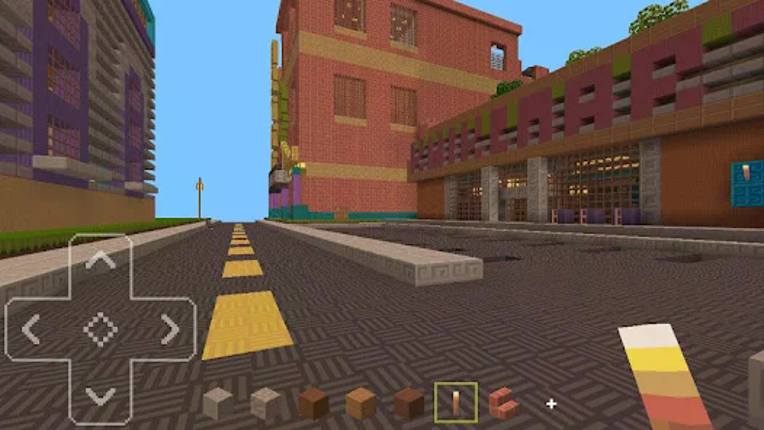
Enjoy unique craft with endless fun in endless 3D environment. If you enjoyed this game, see our list of games similar to Craftsman 4.


That impulse to carve out a space, gather resources, and watch something take shape from nothing — Craft World taps directly into that same loop that keeps Minecraft players building past midnight. Both games center a freeform sandbox where your agenda drives the session, meaning no objective is forcing your hand at any given moment. That player-defined pace is what makes both feel less like games and more like a creative outlet.
The casual, low-stakes tone carries over as well, and Craft World leans into it with noticeably stylized, expressive graphics that give the world a distinct personality Minecraft's blocky aesthetic doesn't chase. Where Minecraft has drawn criticism for bugs and inventory headaches in recent updates, Craft World's scope is leaner — which can mean a tighter, less frustrating moment-to-moment experience on mobile.
The tradeoff worth knowing: Craft World is single-player only, so the collaborative building that defines many Minecraft sessions isn't on the table here. It also carries some aggressive monetization that patient players will need to navigate. Best suited for solo sandbox fans who want a shorter-session, visually charming alternative without the multiplayer overhead.
If you enjoyed this game, see our list of games similar to Craft World.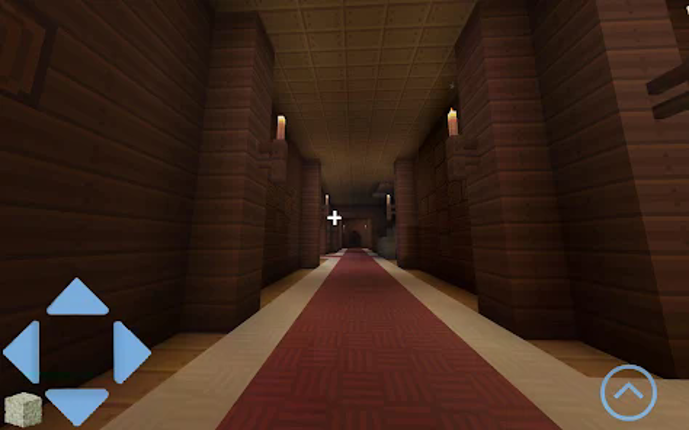
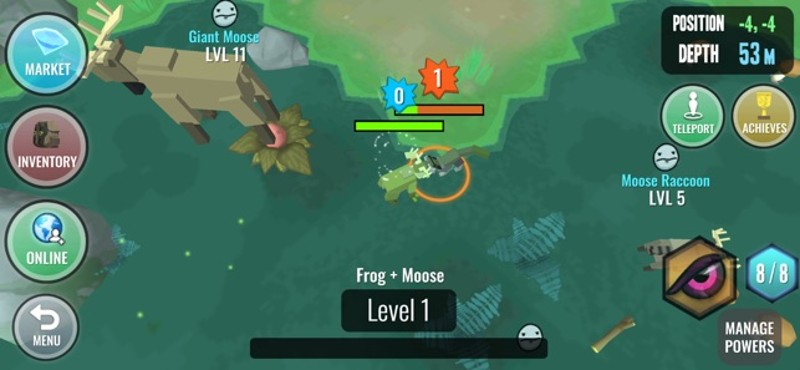
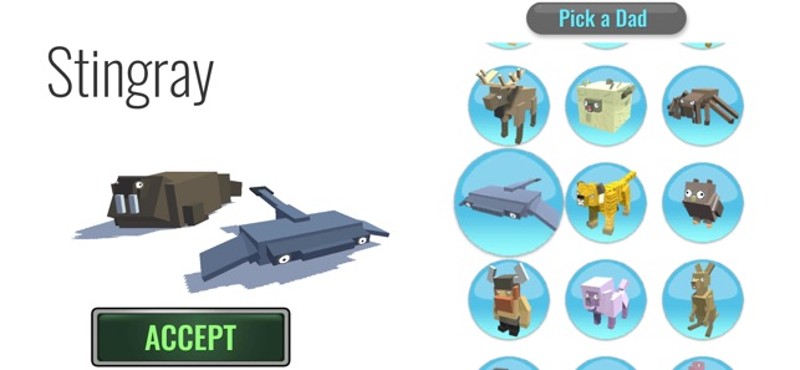
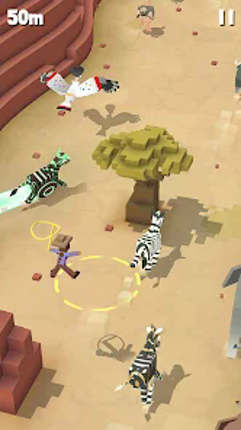
The core draw of Hybrid Animals is the same sandbox freedom that defined Minecraft’s rise. You are dropped into an open world to experiment with survival and creative growth, which matters because it keeps the loop focused on player-driven progression rather than scripted paths.
The primary tradeoff is depth versus quirkiness; you gain a bizarre, humorous genetic-splicing system, but you lose the intricate voxel-based architectural mastery found in Minecraft. It trades technical building precision for chaotic, fast-paced creature design.
Pick this up if you want the unpredictable exploration of a survival sim but can live without polished stability and multiplayer infrastructure. It is a solid, albeit grind-heavy, alternative for mobile tinkerers.
If you enjoyed this game, see our list of games similar to Hybrid Animals.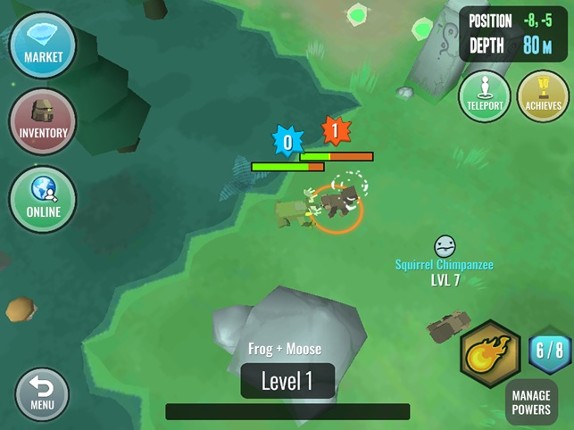
LokiCraft shares Minecraft’s core sandbox building mechanic, letting players freely create and explore single-player worlds. This focused experience preserves the creative flexibility that defines Minecraft play at a personal level.
The game’s distinct humor and emotional moments add unexpected personality, offering more than just simulation — this matters because it gives players a narrative edge missing in Minecraft’s open-ended design.
The tradeoff is clear: LokiCraft lacks multiplayer and struggles with bugs plus aggressive monetization, which undermine its polish and social potential.
Choose LokiCraft if you want a solo Minecraft-like with quirky charm and don’t mind the rough edges or missing multiplayer features.
If you enjoyed this game, see our list of games similar to LokiCraft.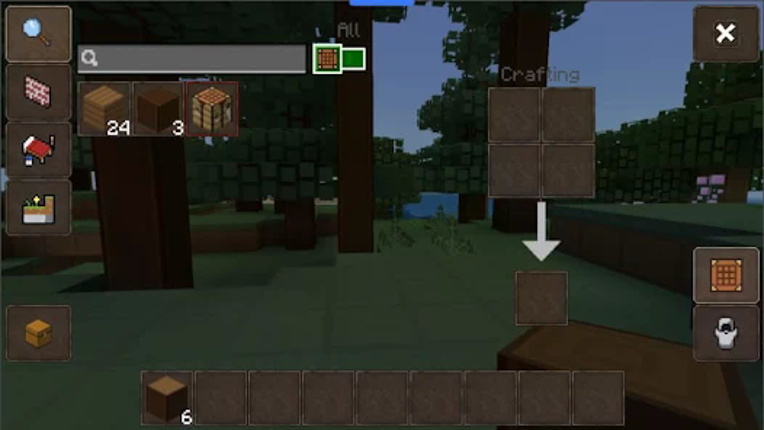
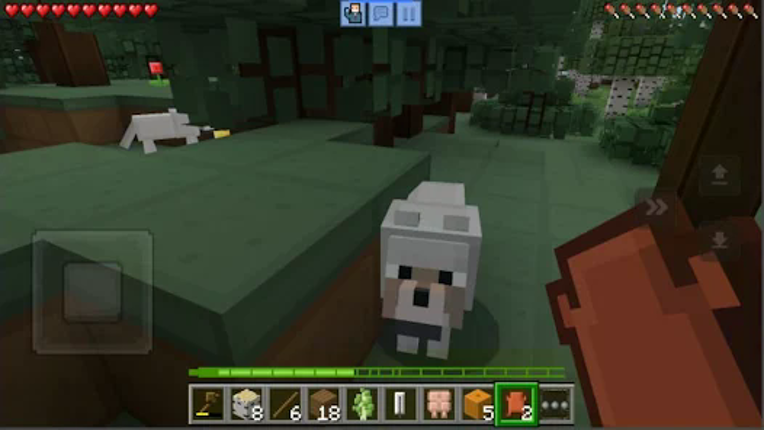
Both games anchor gameplay around sandbox building in procedurally generated worlds where crafting and construction drive the core loop.
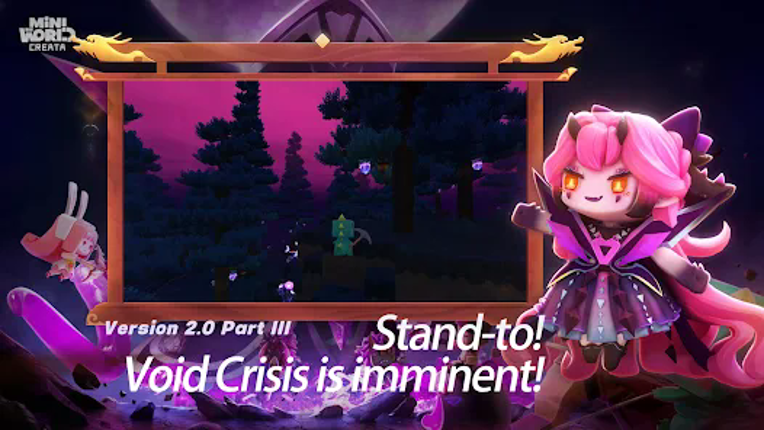
Mini World mirrors Minecraft's multiplayer focus with co-op and PvP modes baked into the experience, making it a smoother choice if you want to play with friends without wrestling with Minecraft's connectivity issues.
The tradeoff is scope: Mini World runs better on budget hardware but lacks the depth of content updates Minecraft has accumulated, and its aggressive monetization feels more intrusive.
Pick this up if you want a free, mobile-friendly Minecraft alternative that prioritizes social play over endless content depth.
If you enjoyed this game, see our list of games similar to Mini World: CREATA.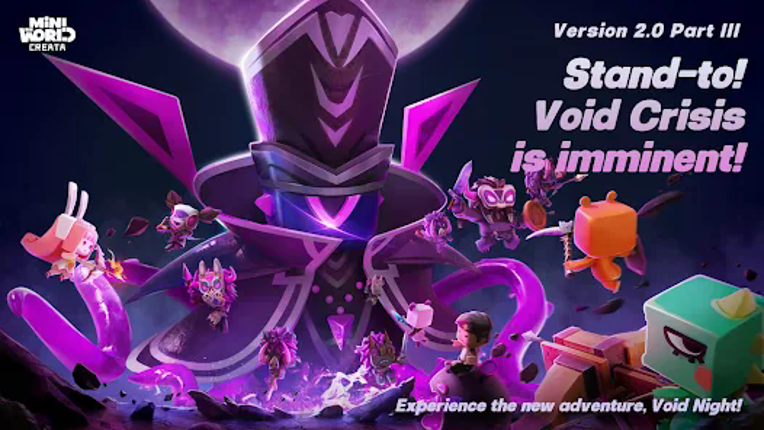

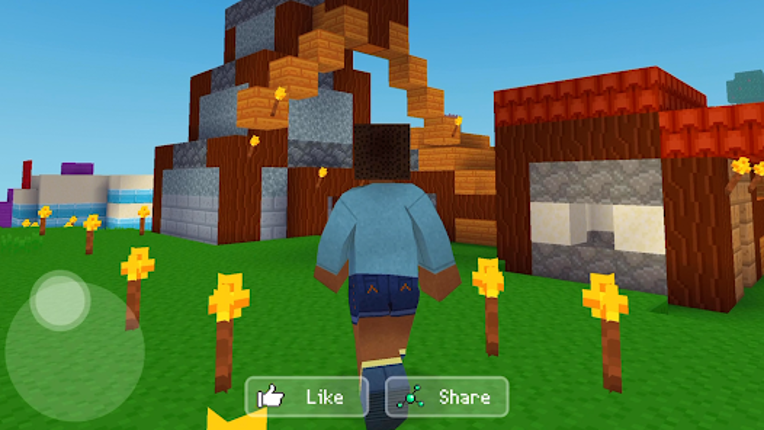
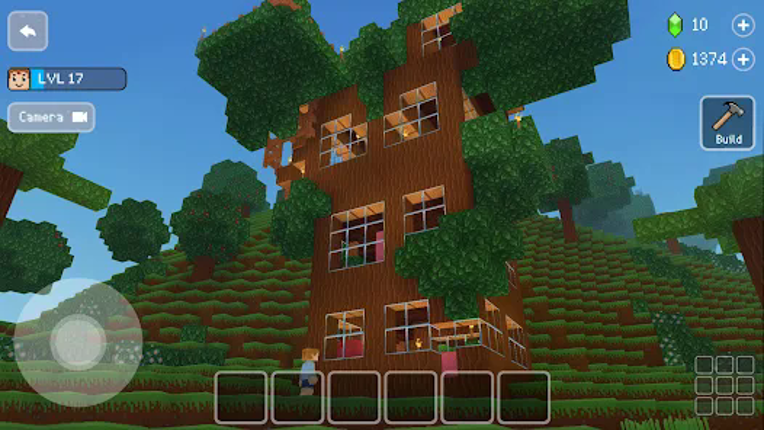
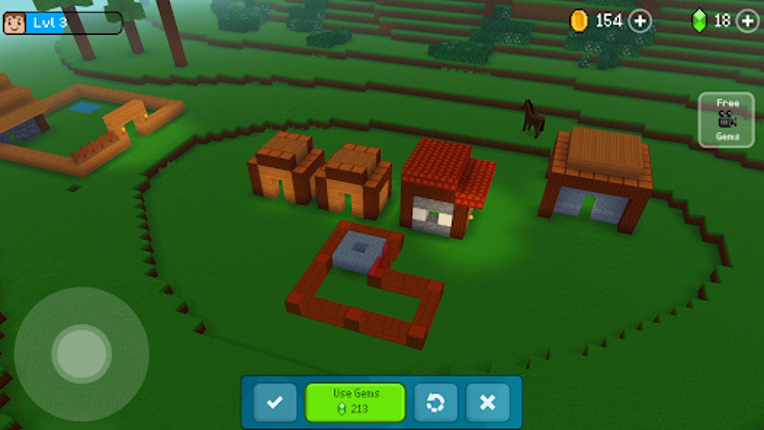
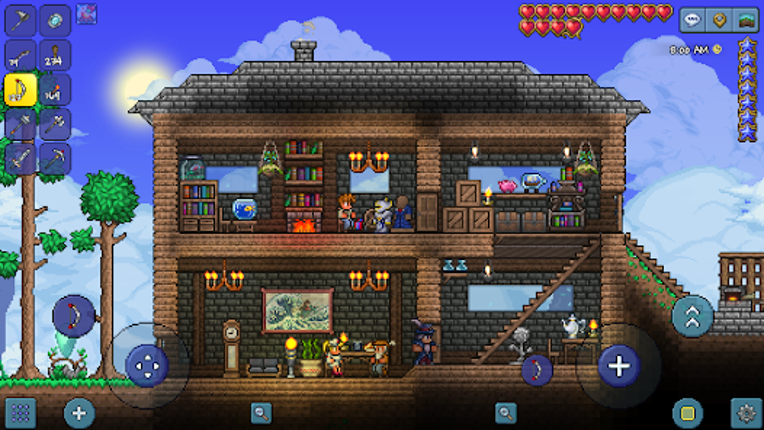
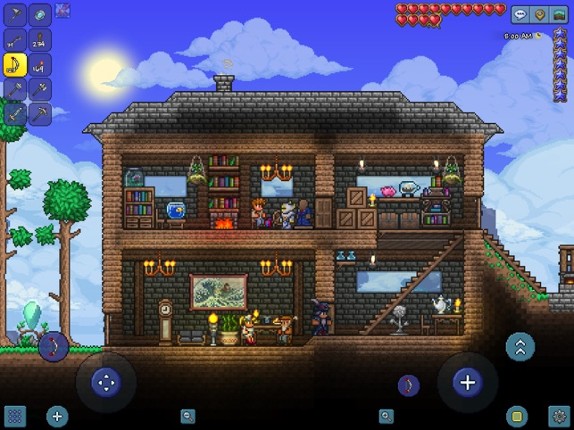
DIG! FIGHT! EXPLORE! BUILD! Join the community of millions of Terrarians! If you enjoyed this game, see our list of games similar to Terraria.
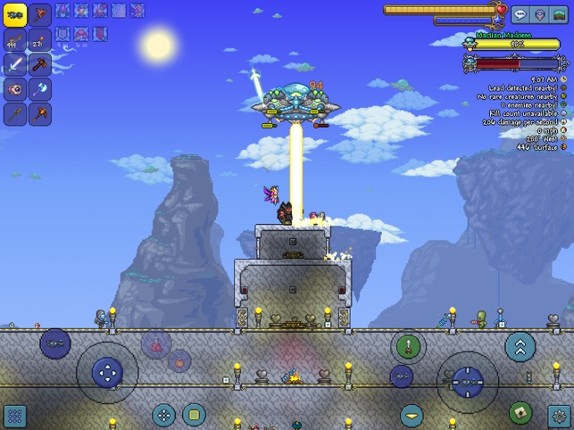
TL Pro - resource loader with textures, maps and cheats If you enjoyed this game, see our list of games similar to TL Pro.
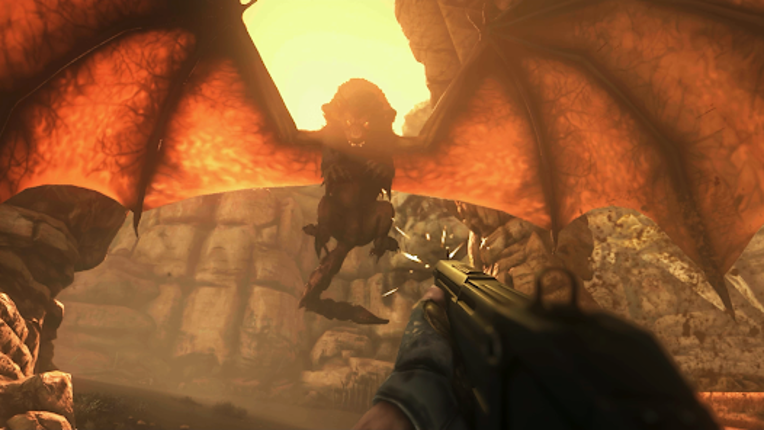
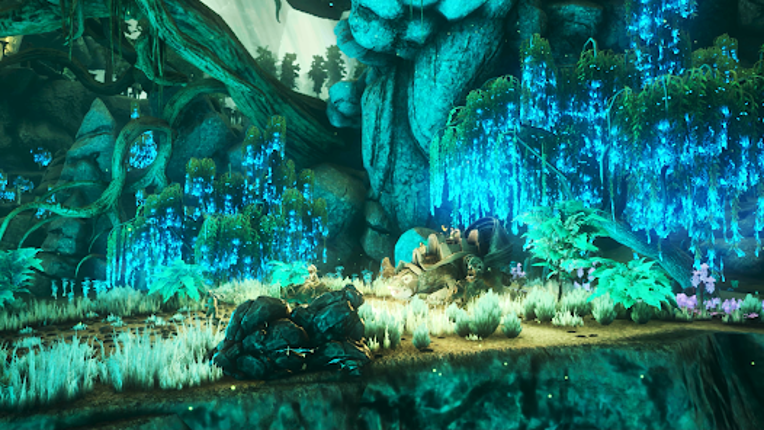
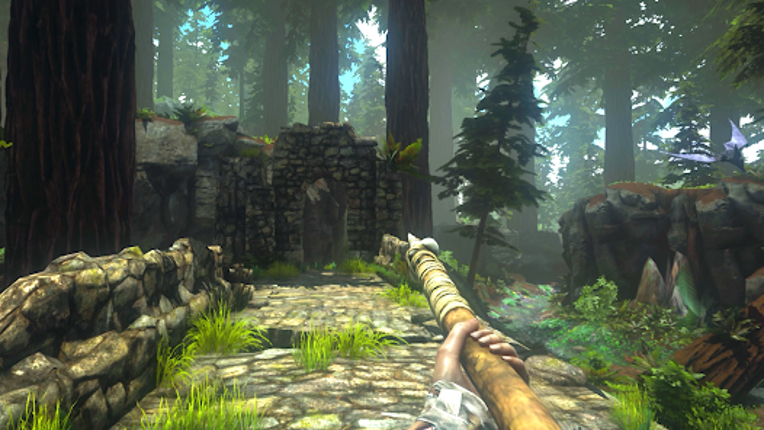
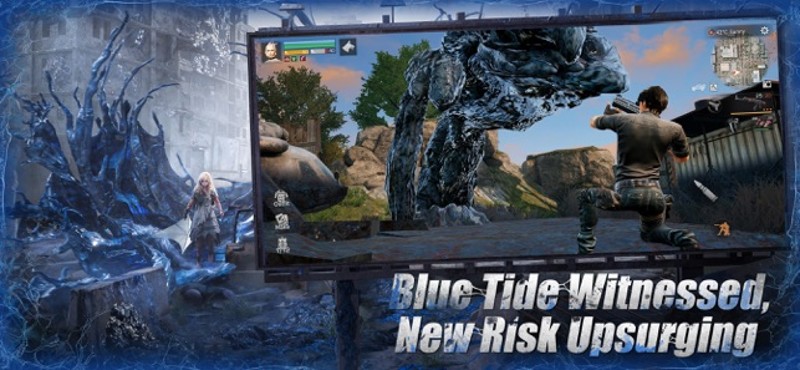
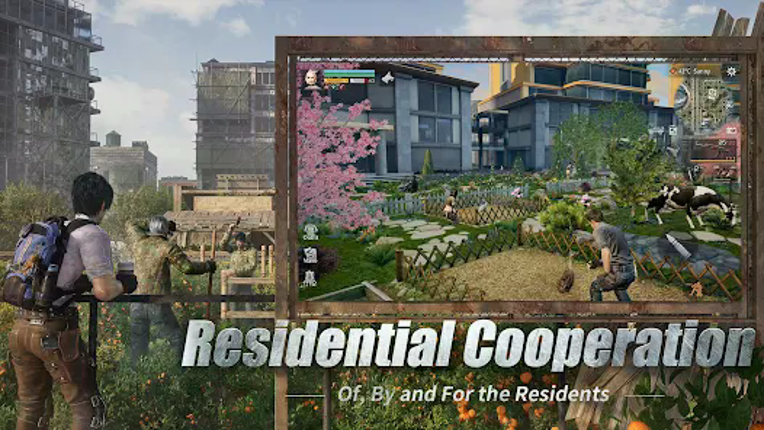
Build. Tame. Survive! If you enjoyed this game, see our list of games similar to ARK: Ultimate Mobile Edition.
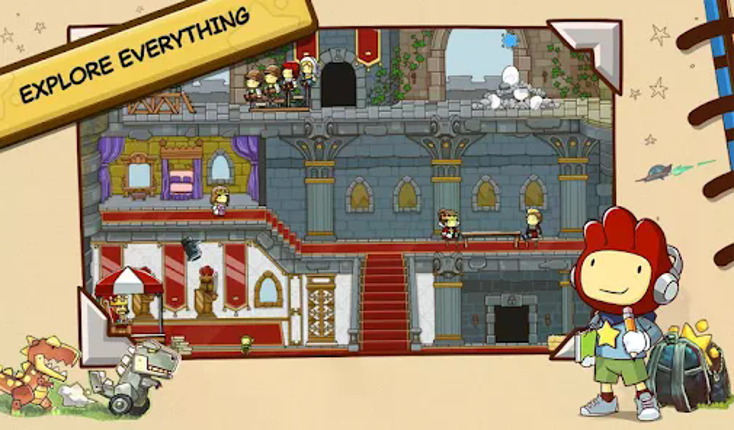
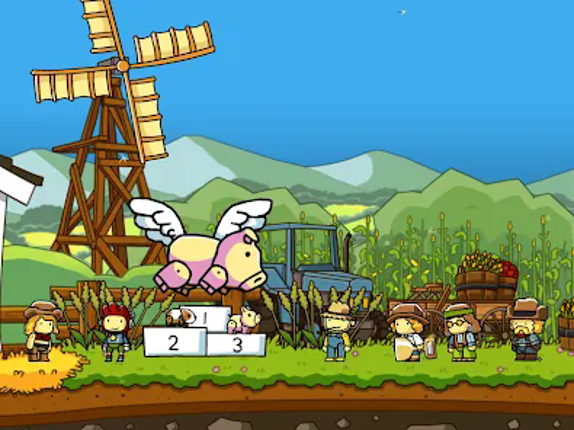
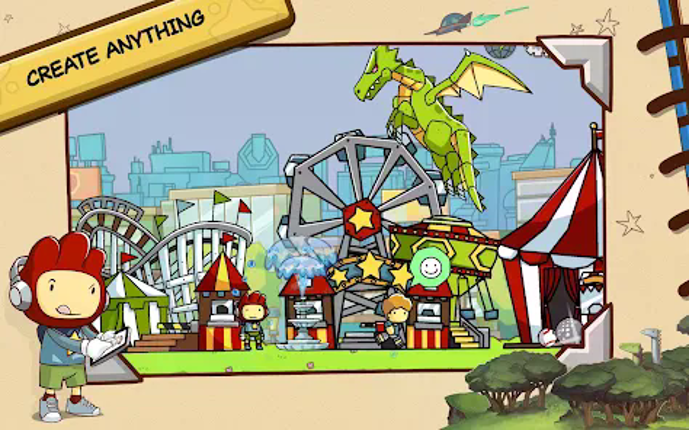
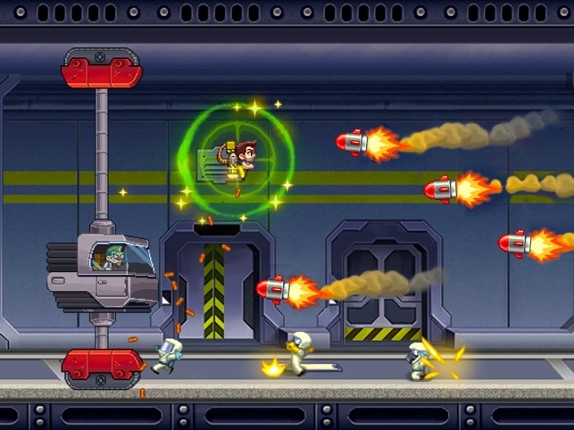
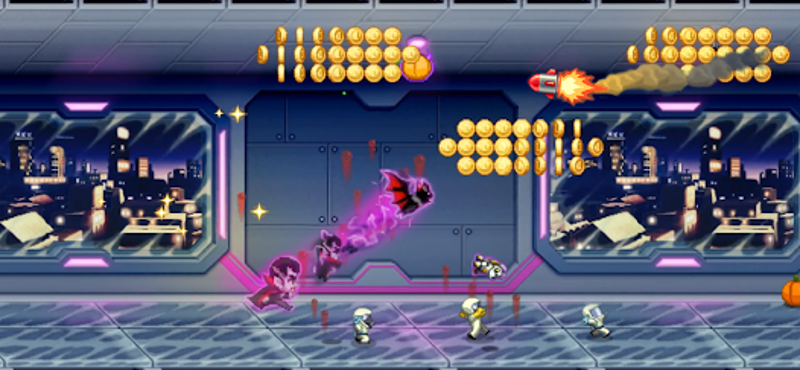
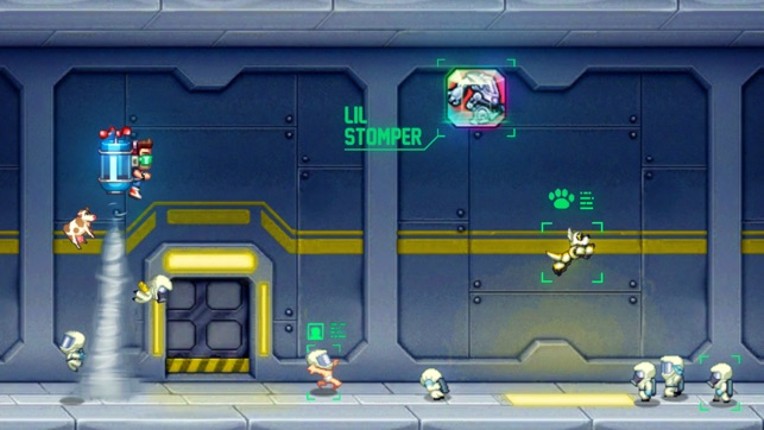

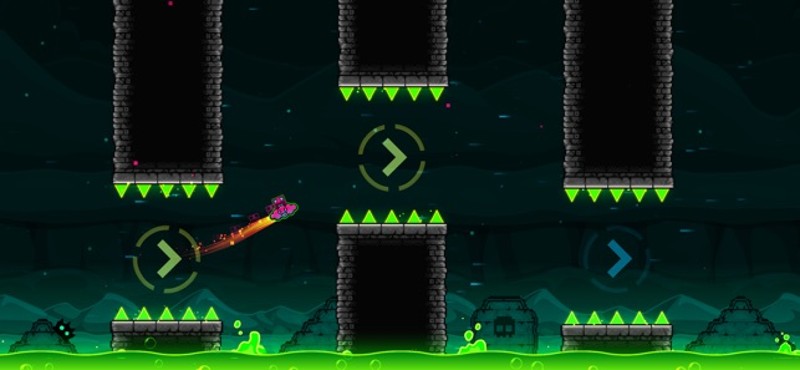
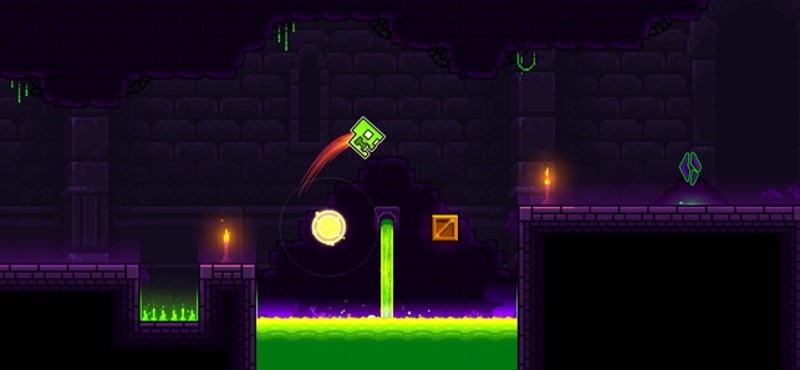
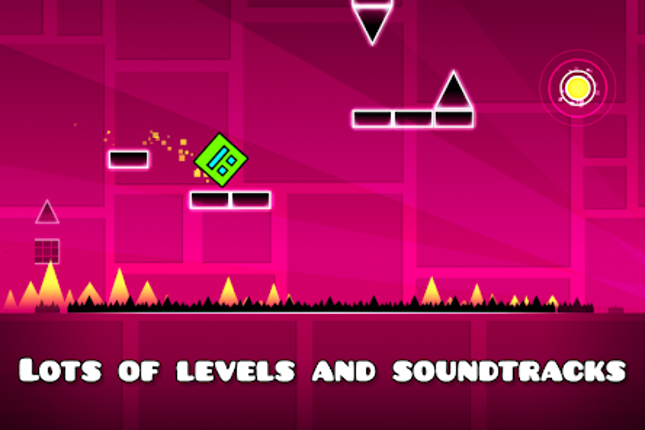
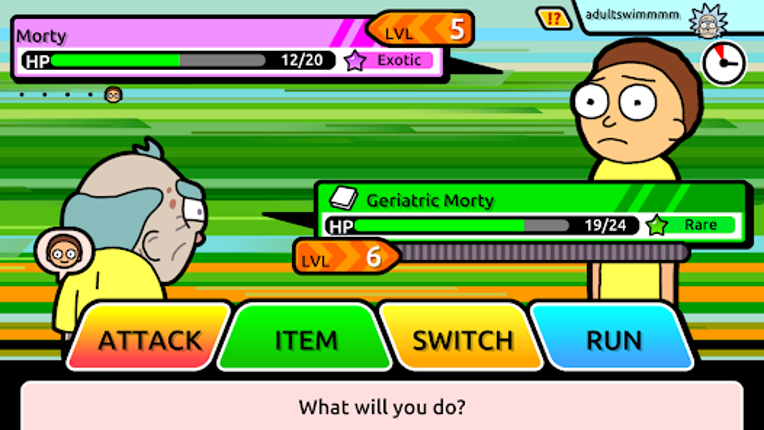


Jump, roll, and slide your way through exciting obstacles and enemies forever. If you enjoyed this game, see our list of games similar to Color Switch: Endless Play Fun.


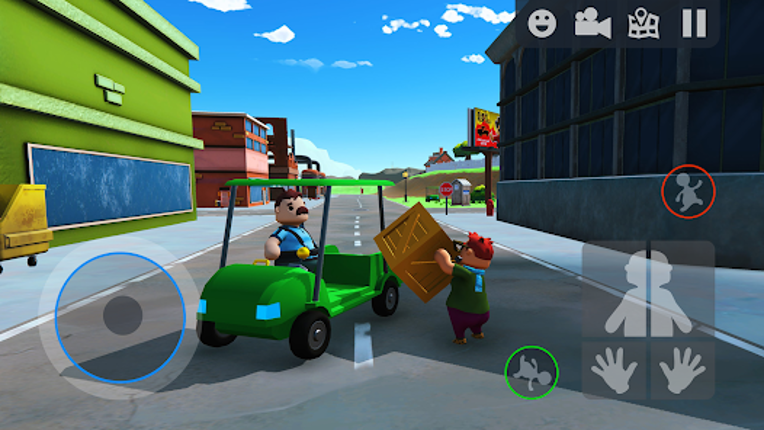
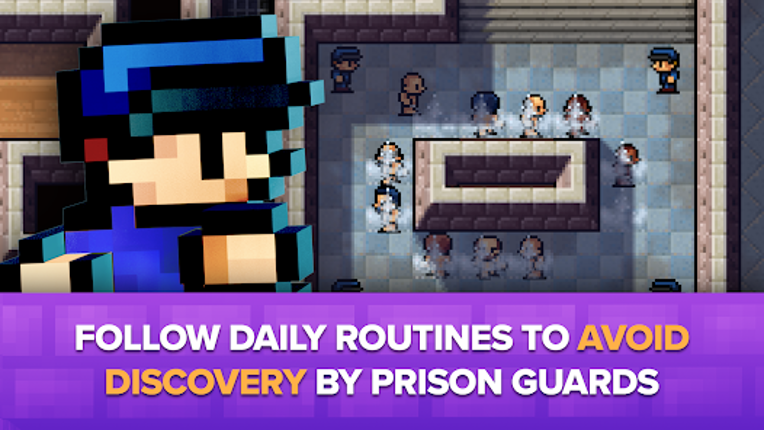
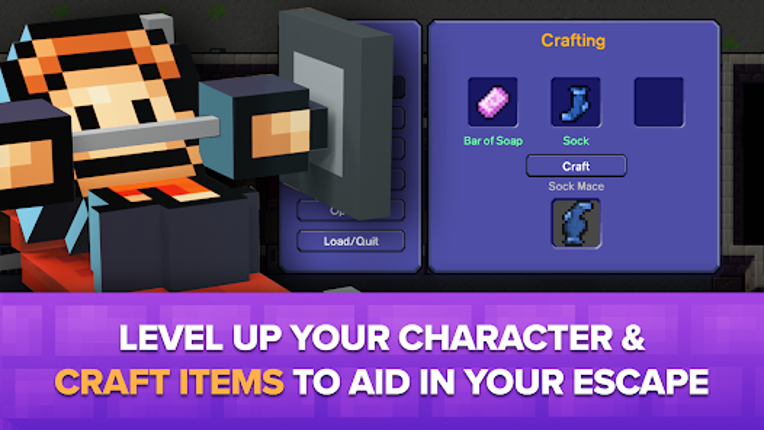
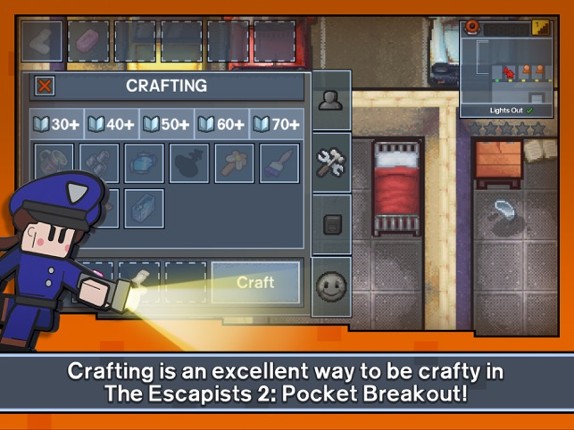
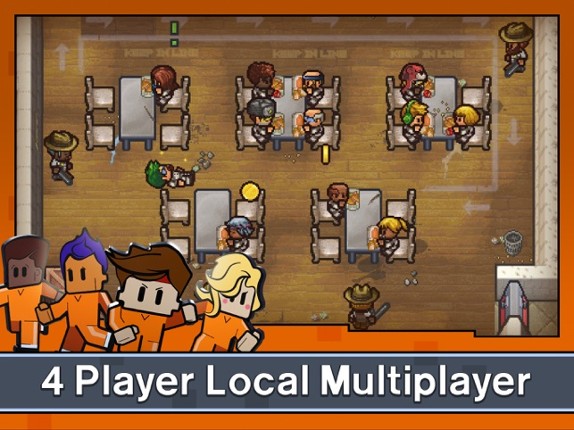
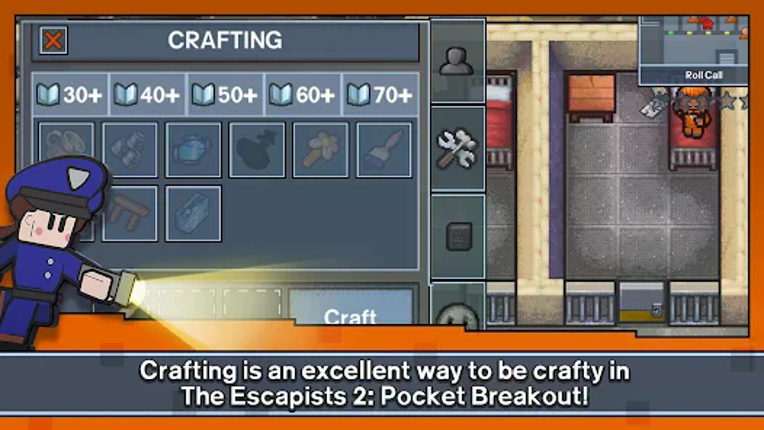
Prison Escape Simulator If you enjoyed this game, see our list of games similar to Escapists 2: Pocket Breakout.
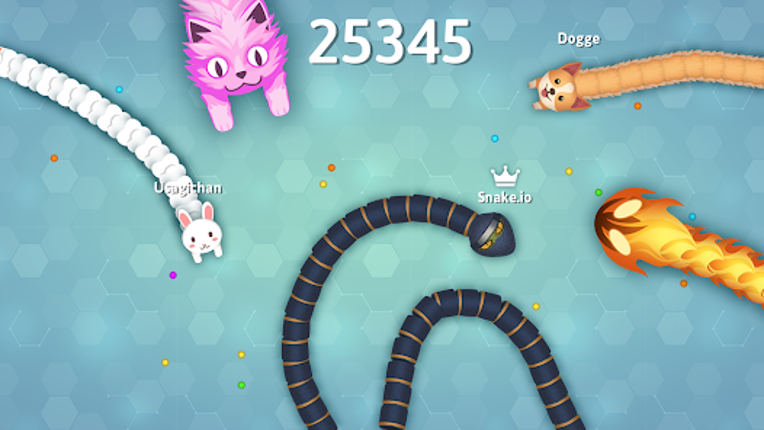

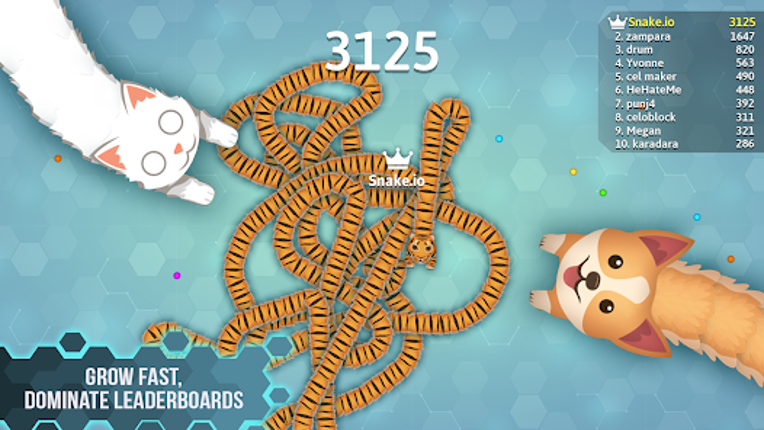
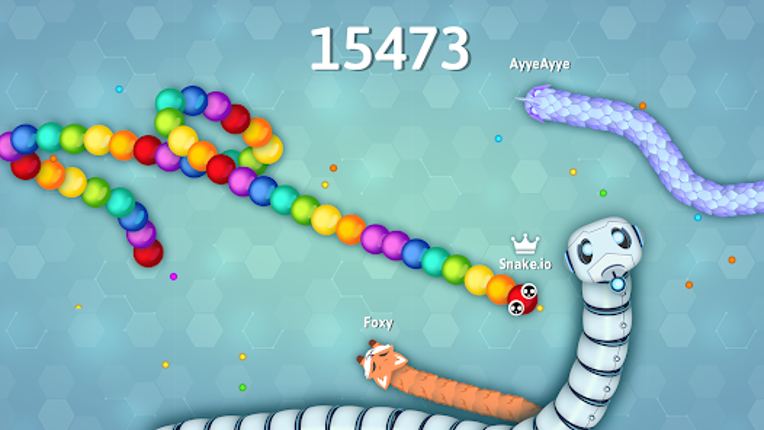
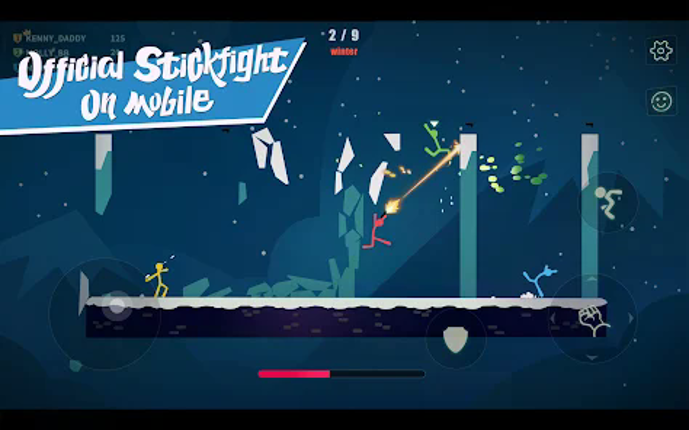

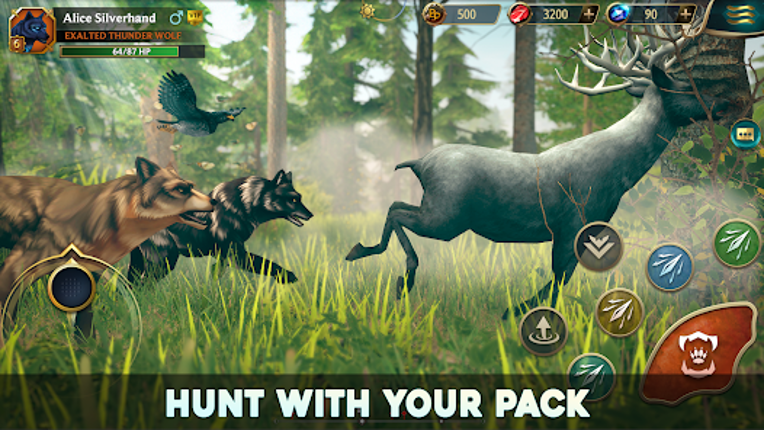
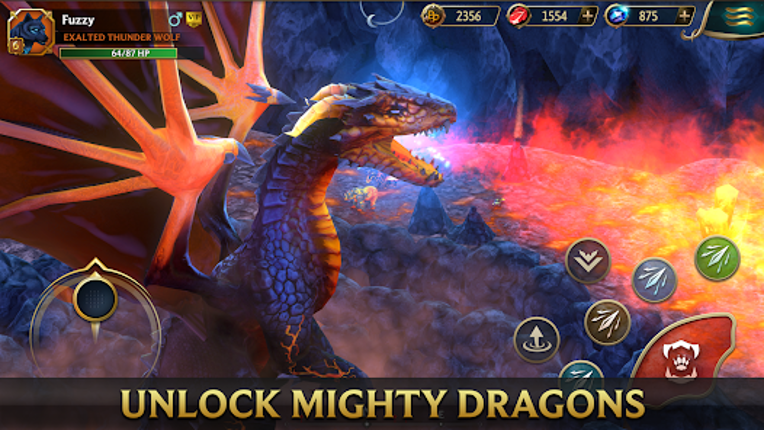
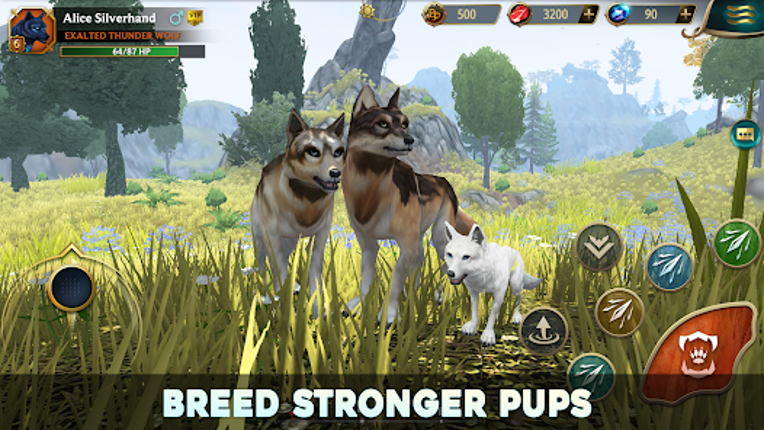
The Online Wild Wolf RPG Simulator! Start Your Adventure! If you enjoyed this game, see our list of games similar to Wolf Tales - Wild Animal Sim.
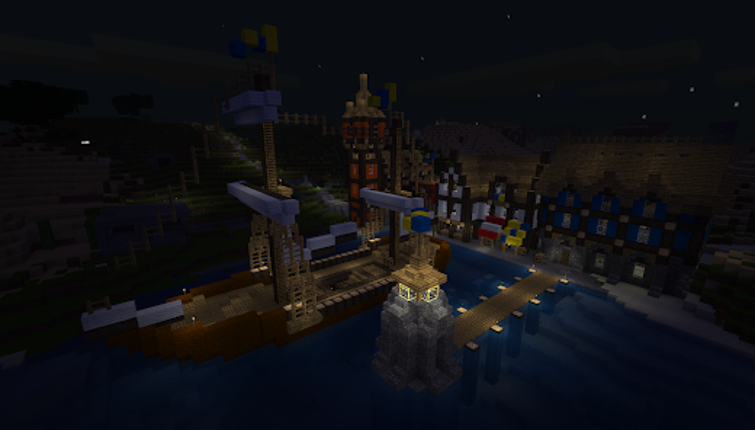
The spooky season is almost here again! If you enjoyed this game, see our list of games similar to Plants vs Zombies™ 2.
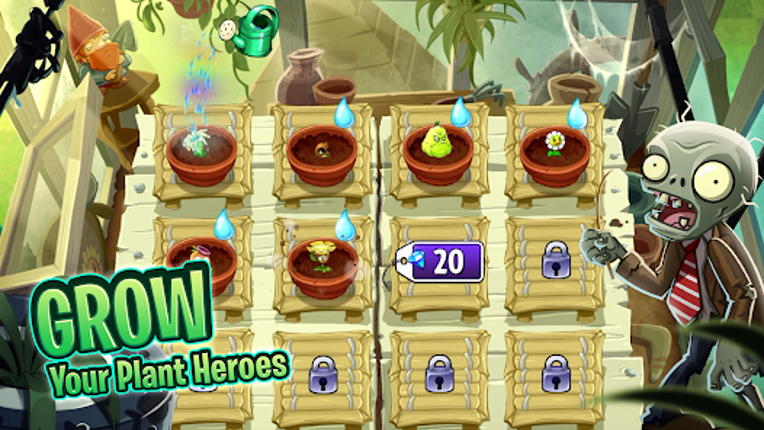
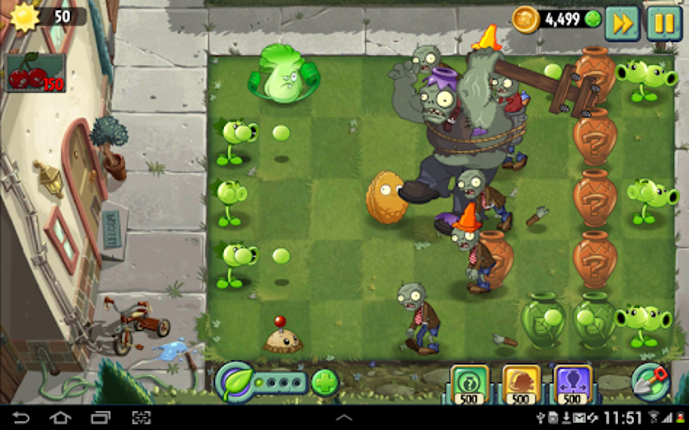
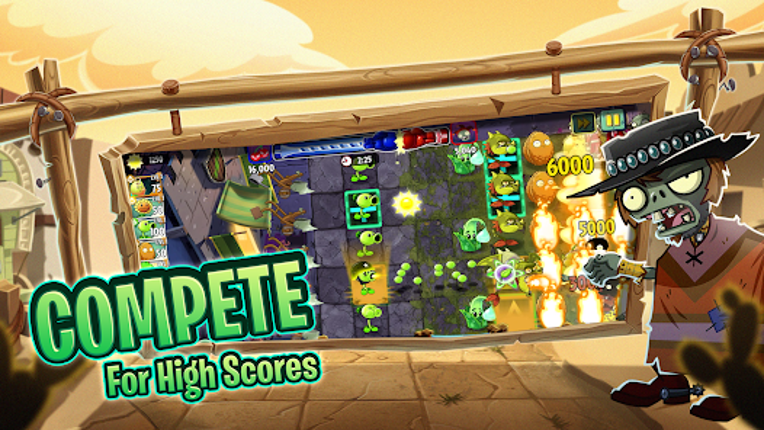
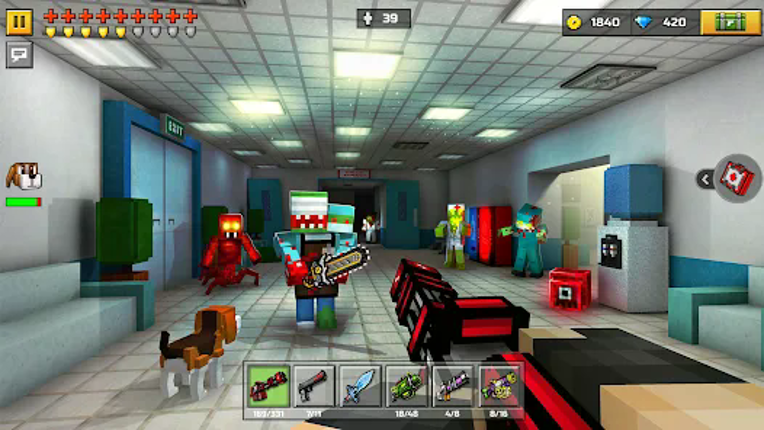
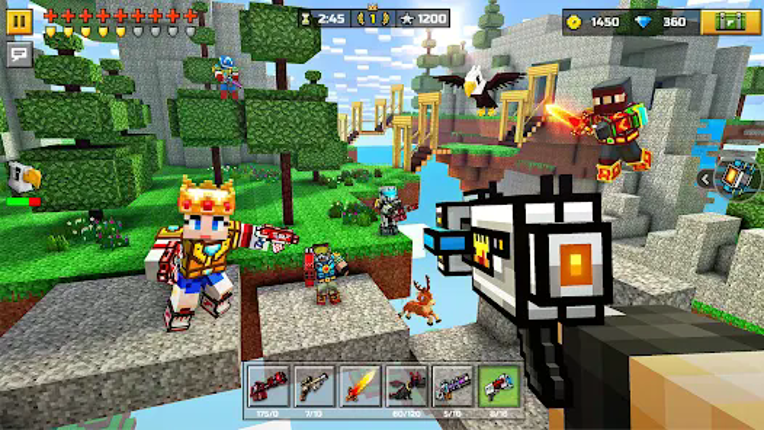
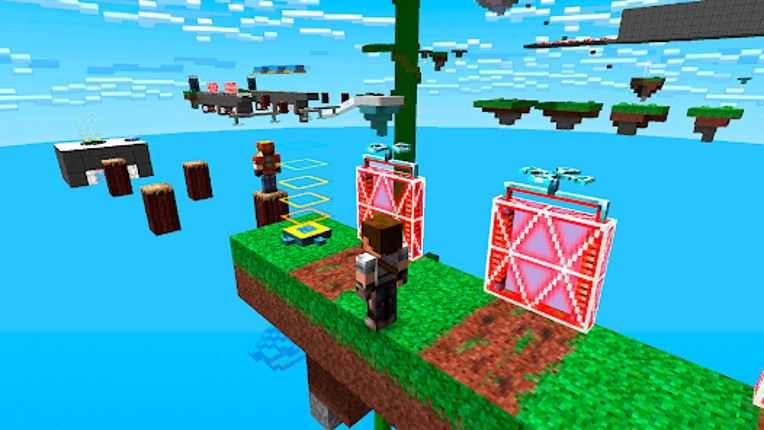
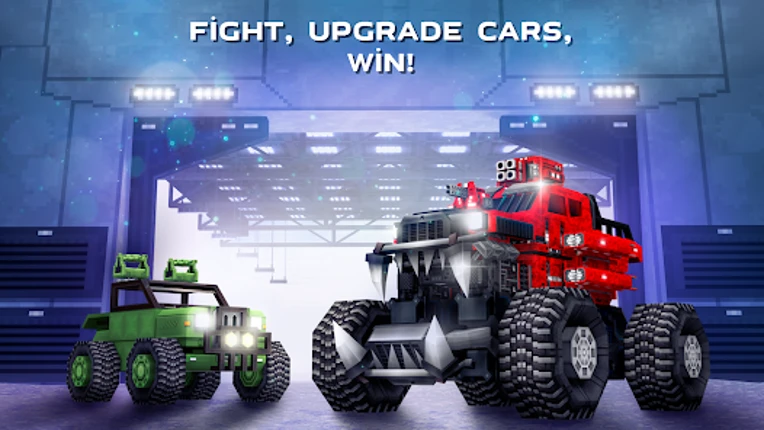
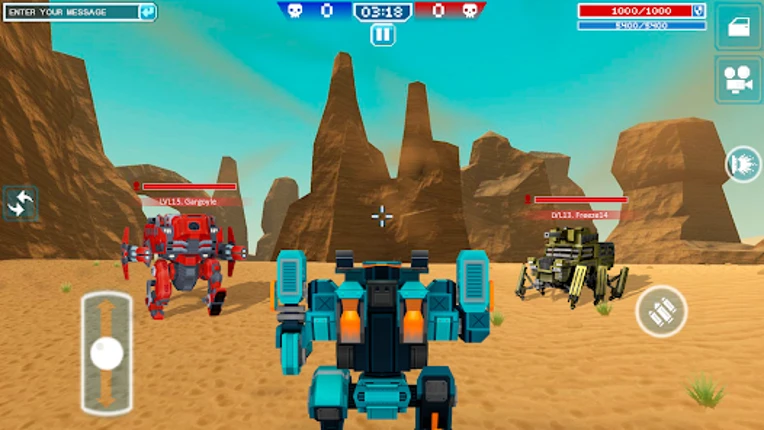
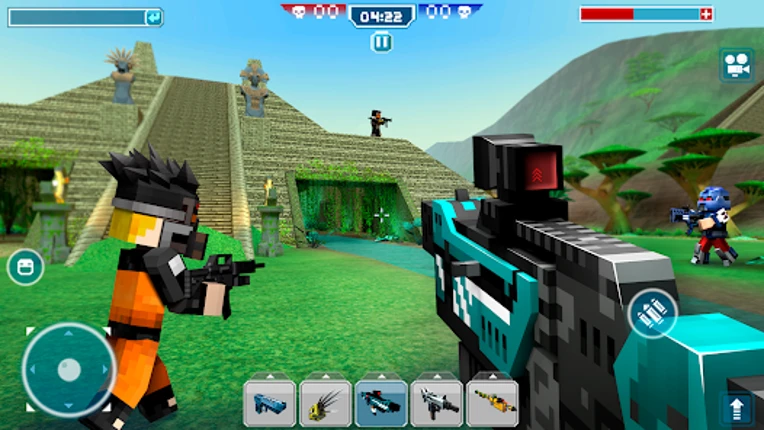
Shooter games & gun games in pixel style! Tank games with fps! If you enjoyed this game, see our list of games similar to Blocky Cars online games.
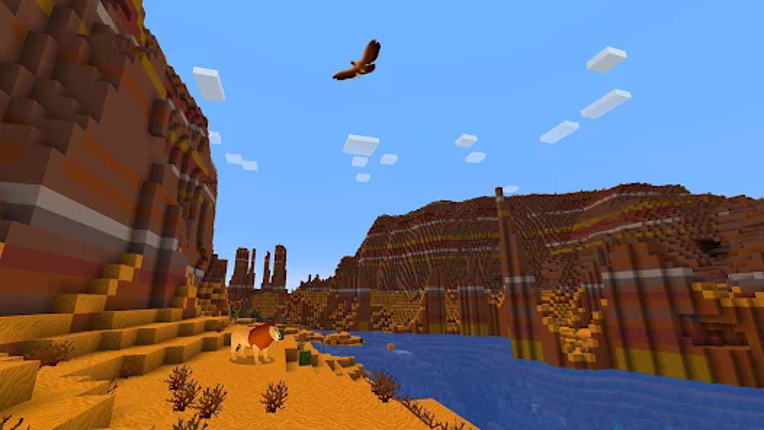
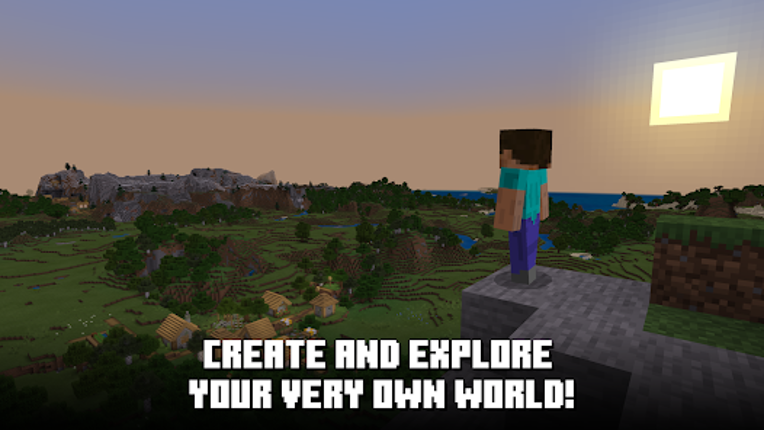
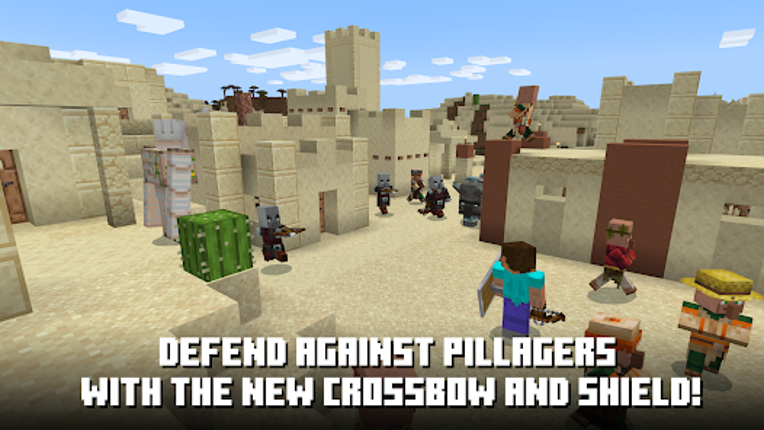
The Minecraft Trial delivers the exact same voxel-based sandbox architecture as the full release, providing a seamless transition into block-by-block construction. You experience the same physics and core interaction loop, which ensures that your foundational survival skills translate perfectly when you eventually upgrade.
The primary tradeoff is the severe restriction on your creative longevity and social connectivity. While the full game offers infinite servers and expansive building, the trial forces you into a limited, single-player session that terminates progress prematurely.
Pick this up if you want to stress-test your hardware and verify the classic gameplay loop, but be prepared to lose your progress once the trial clock expires.
If you enjoyed this game, see our list of games similar to Minecraft Trial.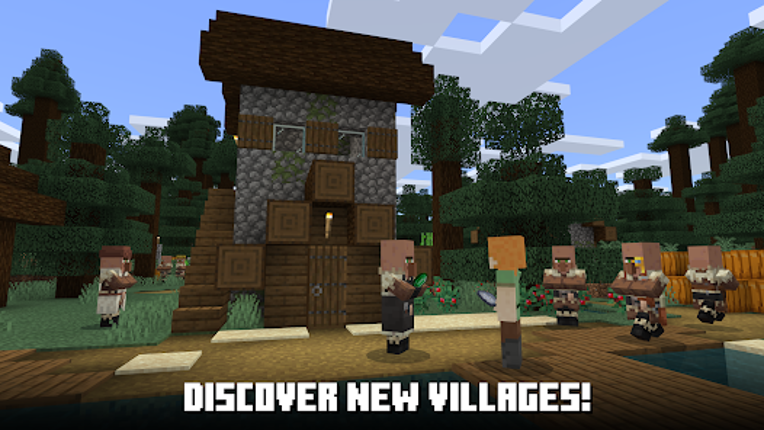
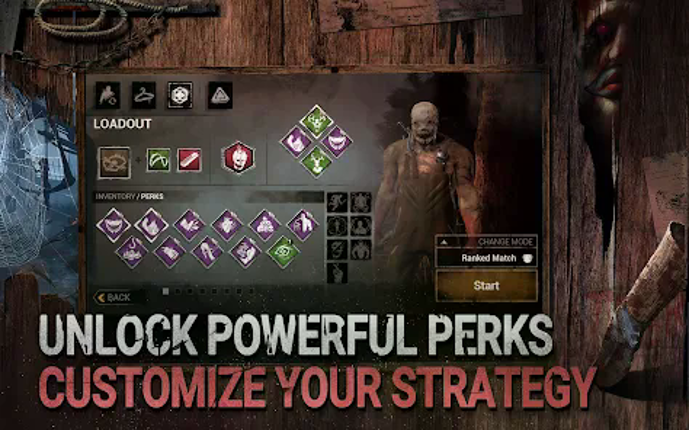
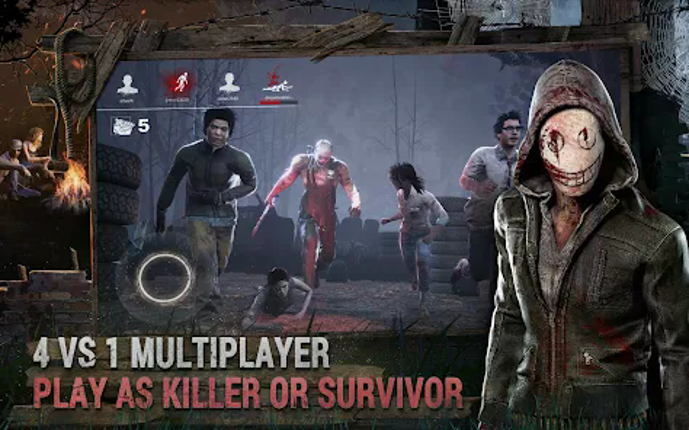
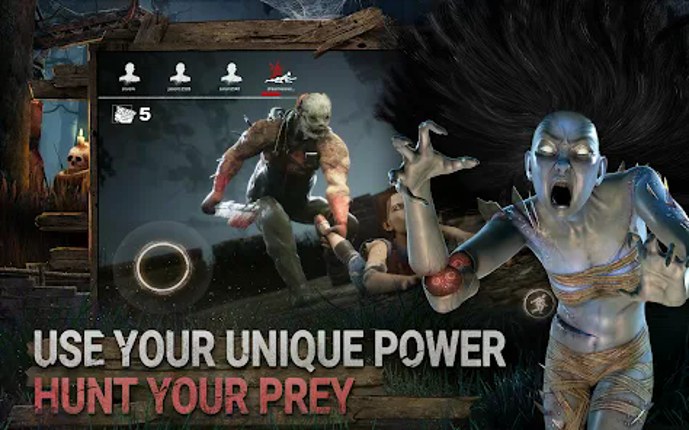

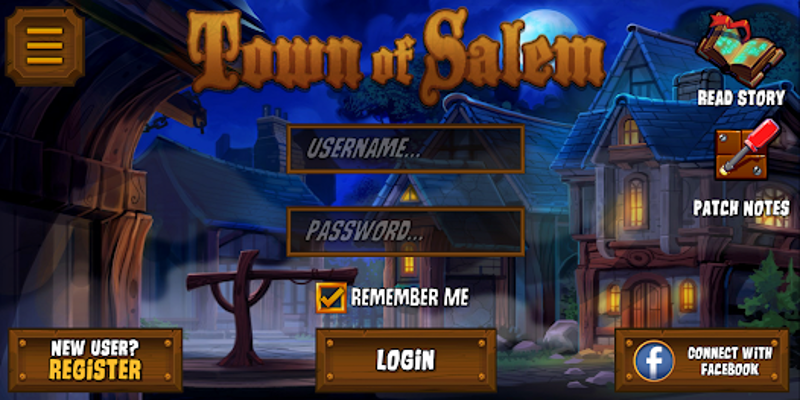
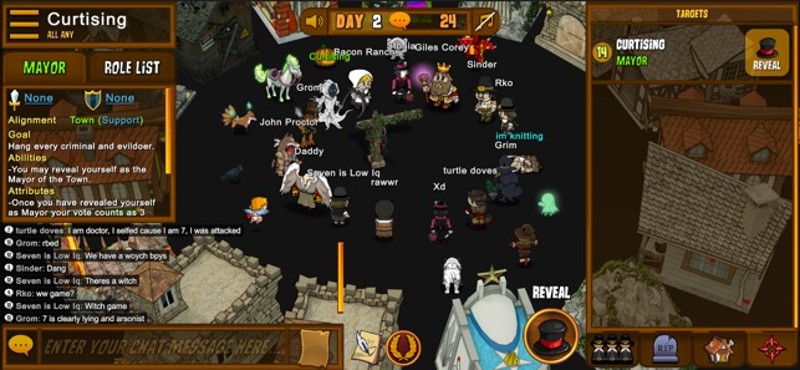
Town of Salem is a game of murder, accusations, deceit, and mob hysteria. If you enjoyed this game, see our list of games similar to Town of Salem - The Coven.
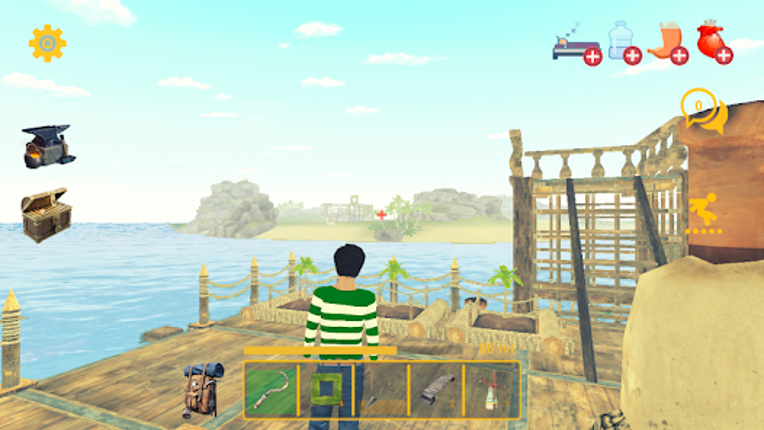
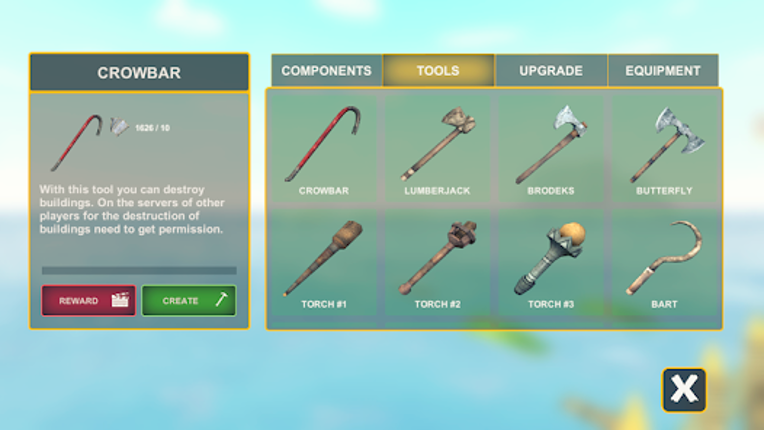
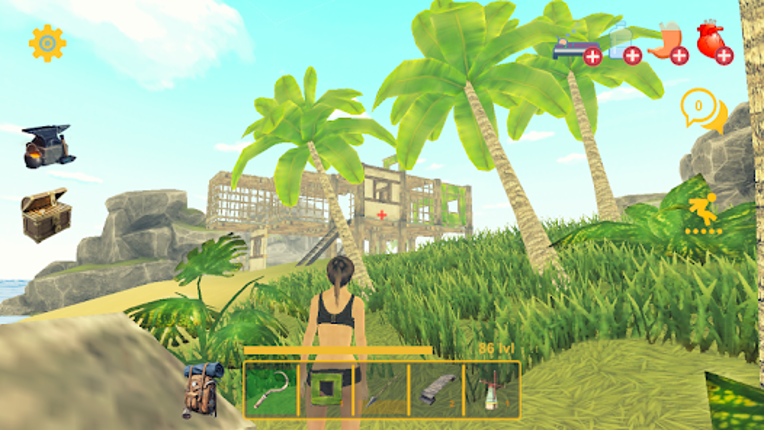

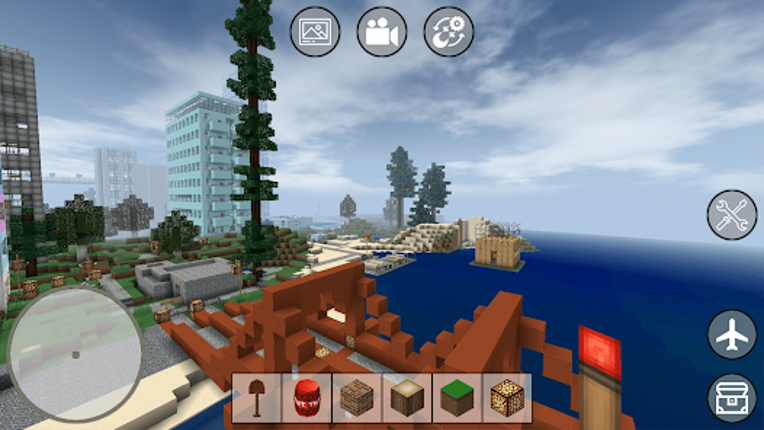
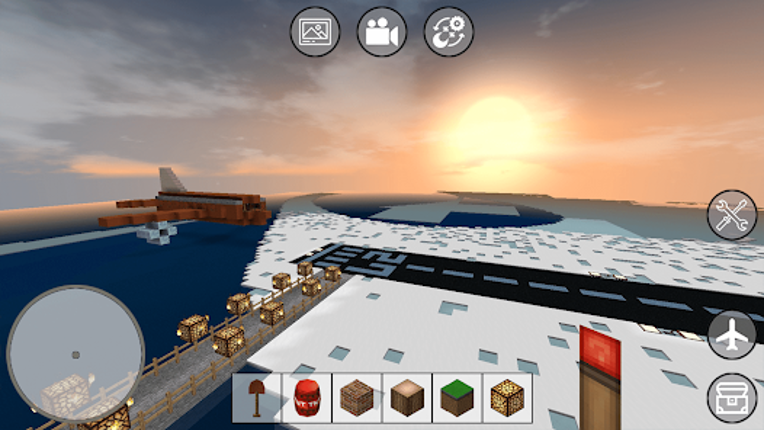
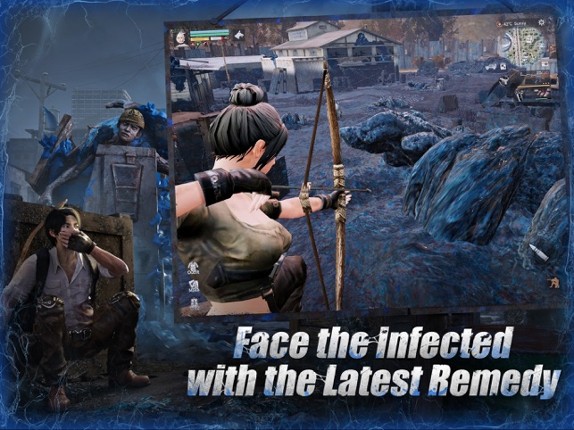


If you love Minecraft's building focus, try Crafting and Building for its excellent graphics and casual gameplay, or Mini World: CREATA which offers multiplayer building with a similar creative sandbox experience. LokiCraft is another solid sandbox alternative with impressive visuals and engaging mechanics that capture that Minecraft spirit.
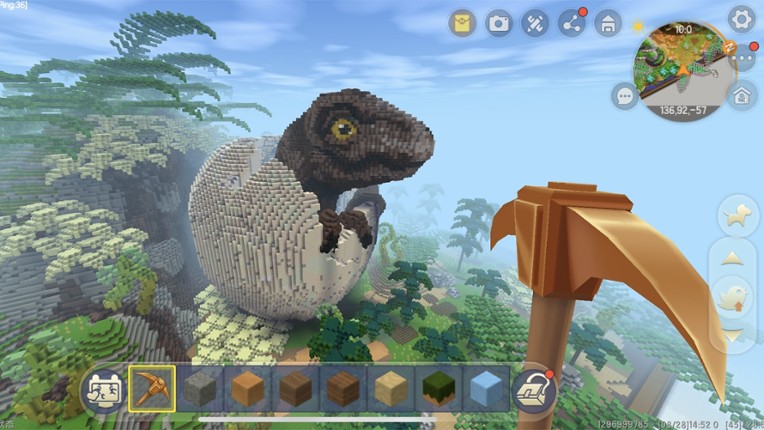
Mini World: CREATA is a free-to-play sandbox game with multiplayer support and creative building mechanics comparable to Minecraft. It features solid graphics, humor, and the same addictive gameplay loop of mining, crafting, and constructing. You can enjoy it solo or team up with friends without spending money.
ARK: Survival Evolved delivers deep survival gameplay with resource gathering and base building, plus the unique ability to tame creatures. Don't Starve: Pocket Edition offers a more challenging survival experience with distinctive art style and atmosphere, encouraging strategic planning and learning from failures.
Yes! Mini World: CREATA is specifically designed for mobile with robust multiplayer, co-op, and PvP options. Rec Room: Play with Friends also works great on mobile and emphasizes social gameplay. Both let you build and explore alongside friends, matching Minecraft's cooperative appeal on phone and tablet.
ARK: Survival Evolved combines exploration with survival, letting you discover new creatures and biomes while building bases. Rec Room: Play with Friends emphasizes adventure and story-driven exploration with impressive graphics and soundtrack. Don't Starve: Pocket Edition also rewards curious exploration with unique atmosphere and engaging content.
Rec Room: Play with Friends excels with superior graphics, compelling story elements, and rich soundtrack that surpass typical Minecraft-style games. Hybrid Animals combines simulation gameplay with narrative depth and polished visuals. Both maintain the creative sandbox fun while delivering more sophisticated presentation and emotional depth than basic building games.


 View Game