

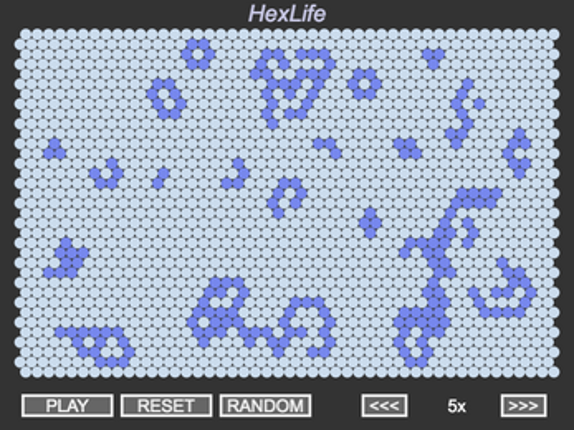
Looking for games like Conway's Game of Life? Here are top simulation recommendations, selected from player-similarity data — start with HexLife, Game of (No) Life or Conway's Game of Life.
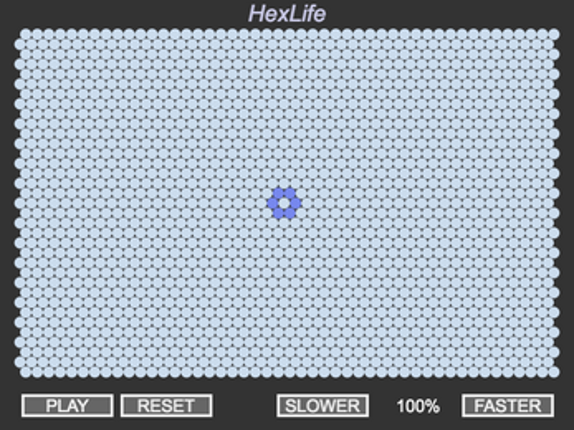
The Game of Life, also known simply as Life, is a cellular automaton devised by the British mathematician John Horton Conway in 1970. The "game" is a zero-player game, meaning that its evolution is determined by its initial state, requiring no further input. One interacts with the Game of Life by creating an initial configuration and observing how it evolves, or, for advanced "players", by creatin… If you enjoyed this game, see our list of games similar to HexLife.
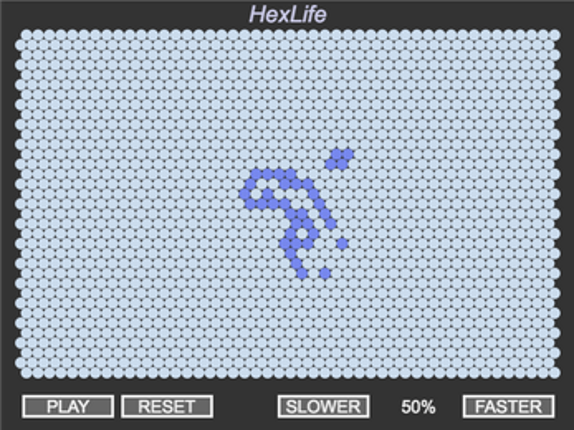
# Introduction Welcome to Game of (No) Life, which is just a fun little environment to play around with Conway's Game of Life. In a nutshell, it is a cellular automaton where cells on a grid live, die, or reproduce based on simple rules, simulating complex patterns and behaviors. These rules are: A live cell remains live in the next timestep if it has either 2 or 3 live neighbors in the current… If you enjoyed this game, see our list of games similar to Game of (No) Life.
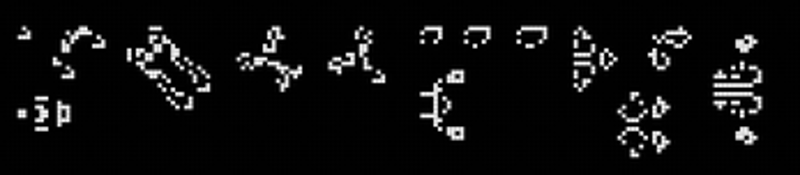
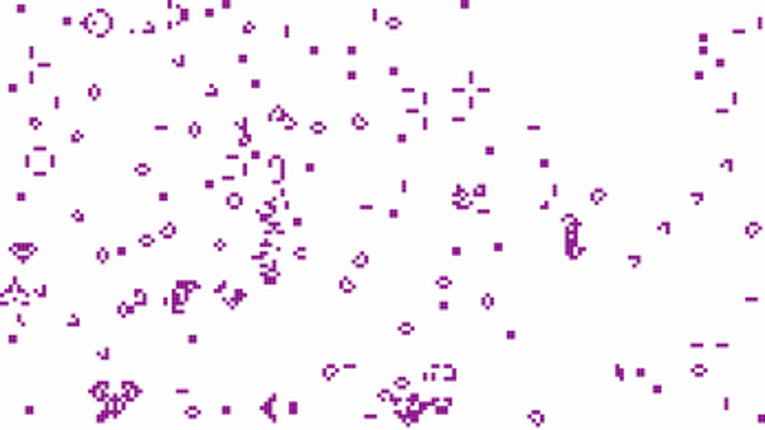
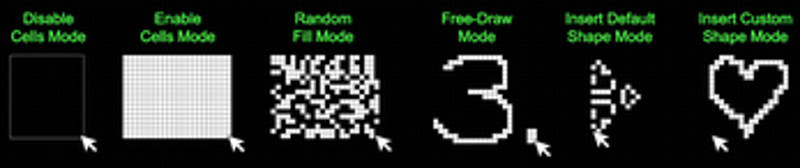
Create patterns of "population" cells and watch them evolve over generations following the rule of Conway's game of life. INSTRUCTIONS: Left Click (and drag) - Select cells Right Click (and drag) - Deselect cells W - Start simulation E - Stop simulation Spacebar - Reset Escape - Return to Main Menu EXPLANATION: The Game of Life is an example of a cellular automaton and a zero-player game d… If you enjoyed this game, see our list of games similar to Conway's Game of Life.
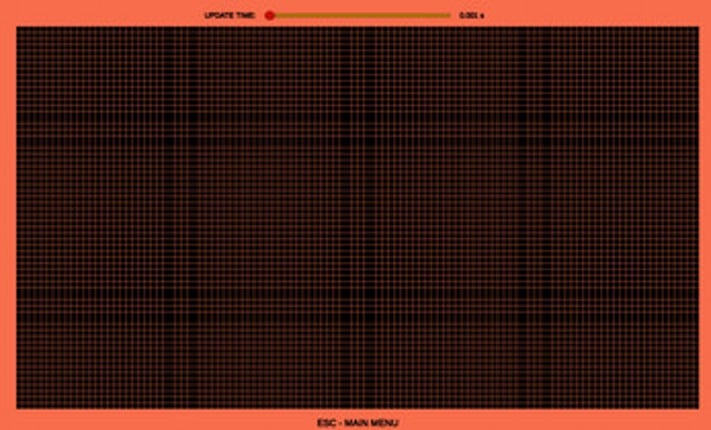
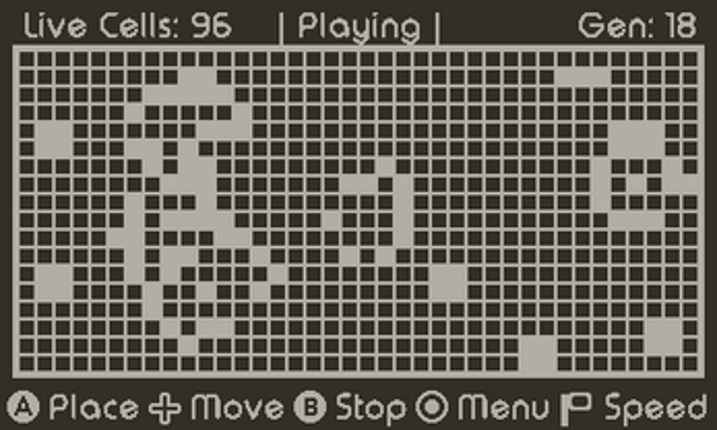
Detailed Description: Welcome to Life in Pixels – a captivating rendition of Conway's Game of Life, exclusively designed for the Playdate console. About the Game: Life in Pixels brings the classic cellular automaton to your fingertips. Harness the unique features of the Playdate to create, observe, and interact with evolving patterns that mimic the behaviour of life itself. Game Rules: … If you enjoyed this game, see our list of games similar to Life in Pixels.
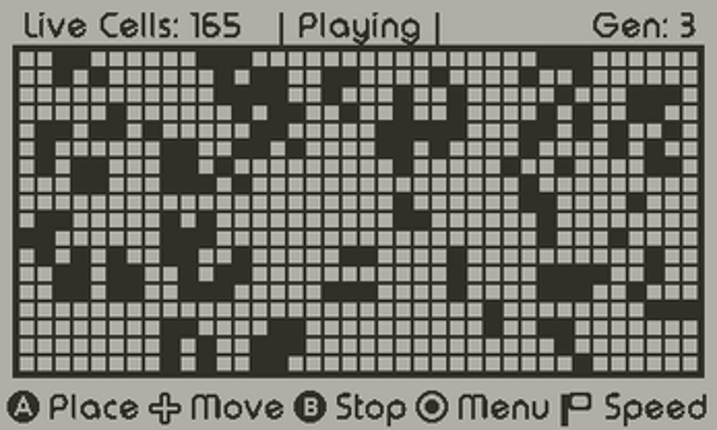
Key Binds: Left Mouse Click - Add living cell Right Mouse Click - Add dead cell Right Arrow - Forward 1 generation Left Arrow - Reset to 1st generation A - Toggle Automatic Updates R- clear grid S - save state L - load state D - Distribute random values This is a customizable version of Conway's Game of Life based on the original version by John Conway. This simula… If you enjoyed this game, see our list of games similar to Conway's Custom Game Of Life.
The Game of Life, also known simply as Life, is a cellular automaton devised by the British mathematician John Horton Conway in 1970. It is a zero-player game, meaning that its evolution is determined by its initial state, requiring no further input. One interacts with the Game of Life by creating an initial configuration and observing how it evolves. If you enjoyed this game, see our list of games similar to Game of Life.

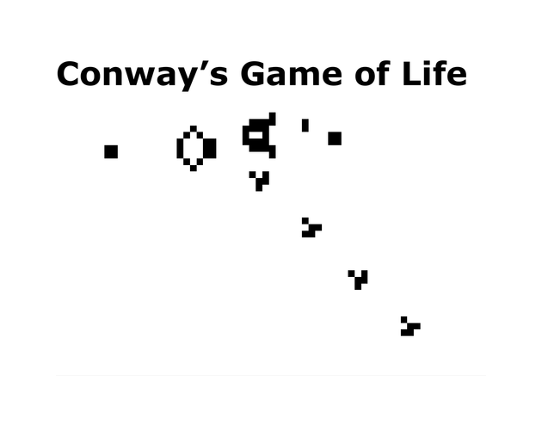
Conway's Game of Life Game devised by British mathematician John Horton Conway Software made by Tribö̸̯̥̖̗̞͊͋̊t Conway's Game of Life, also known as the Game of Life or simply Life, is a cellular automaton devised by the British mathematician John Horton Conway in 1970. It is the best-known example of a cellular automaton. The "game" is actually a zero-player game, meaning that its evol… If you enjoyed this game, see our list of games similar to Conway's Game of Life.
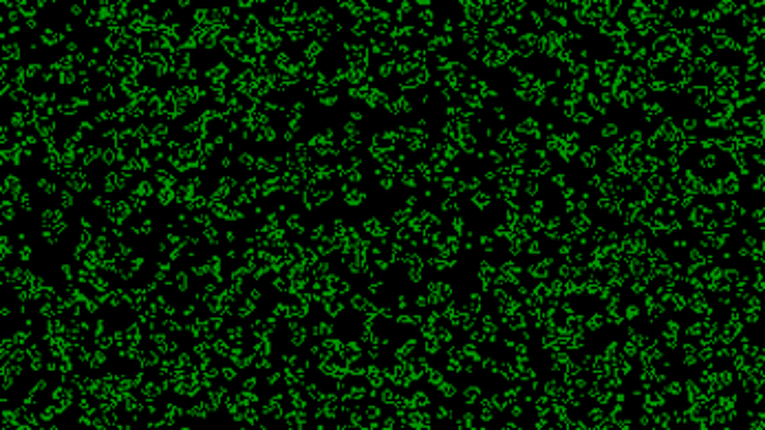
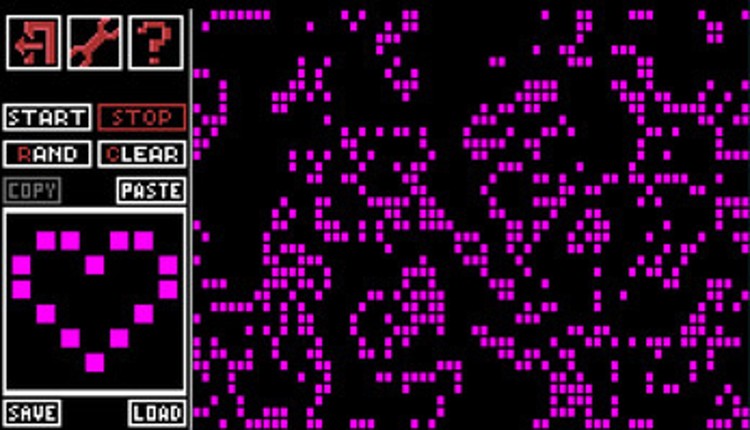
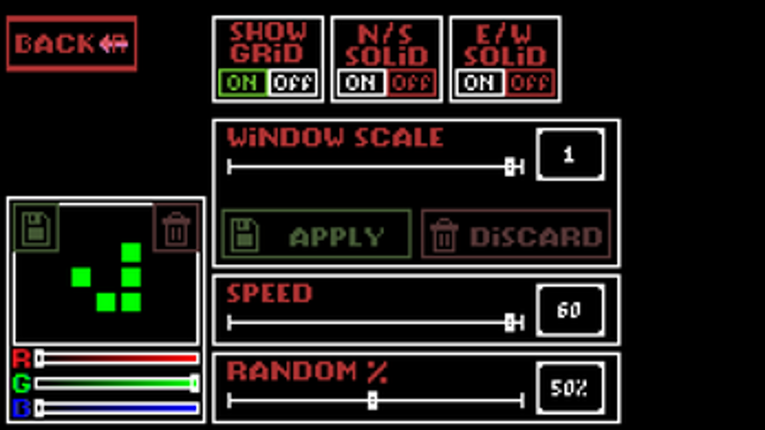
Auto Cell run in a two-dimensional grid world. Each grid can be regarded as a small life. It has two states: survival or death. If you enjoyed this game, see our list of games similar to Auto Cell: Game of Life.
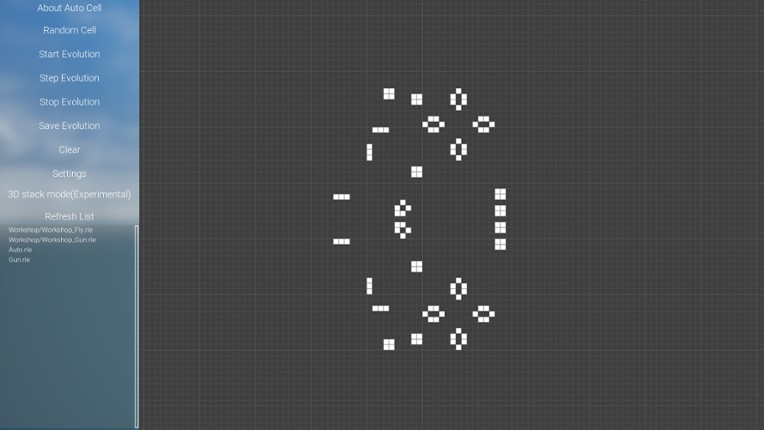
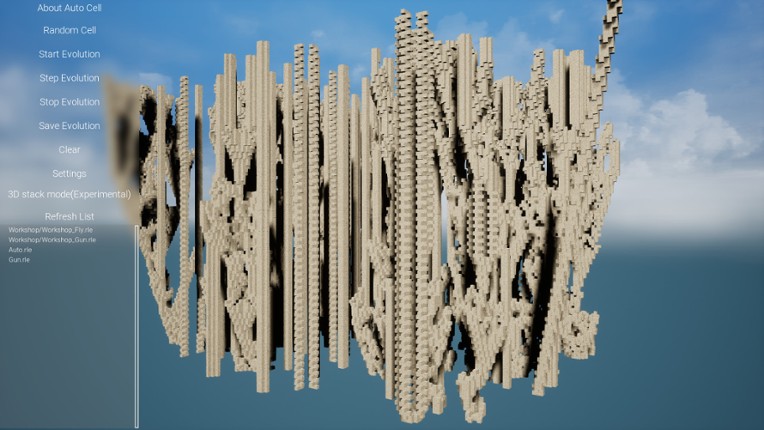
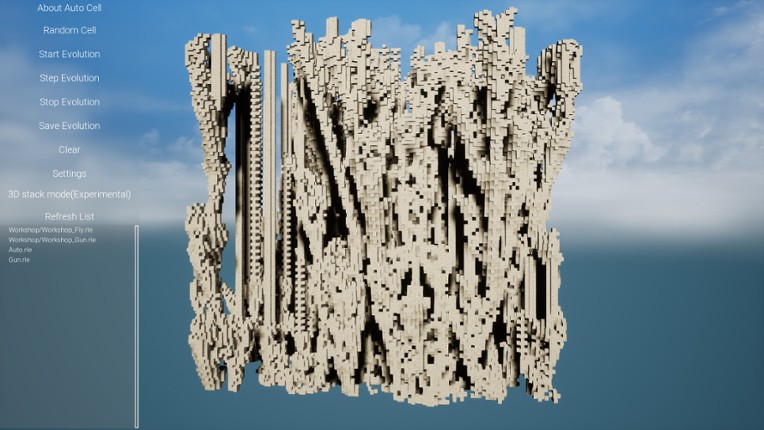
Conway's Game of Life Explore the fascinating world of Conway's Game of Life, a cellular automaton devised by British mathematician John Horton Conway in 1970. Game Rules: Underpopulation: Any live cell with fewer than two live neighbors dies. Survival: Any live cell with two or three live neighbors continues to the next generation. Overpopulation: Any live cell with more than three live … If you enjoyed this game, see our list of games similar to Conway's Game of Life.
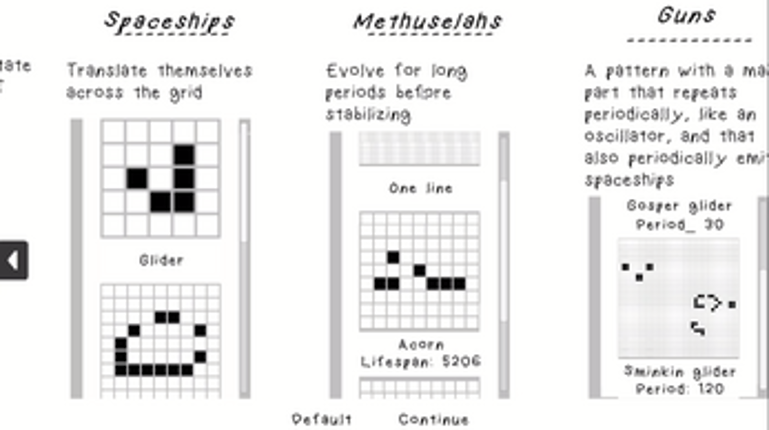
*Sorry, Unity WebGL only supports C/C++ Multithreading Conway's Game of Life is a cellular automaton, a mathematical game that simulates the evolution of cells on a grid. It was devised by mathematician John Conway in 1970 and has gained popularity due to its simplicity and ability to create complex patterns from straightforward rules. Basics of the Game: Grid: The game is played on a grid of … If you enjoyed this game, see our list of games similar to Conway's Game of Life.
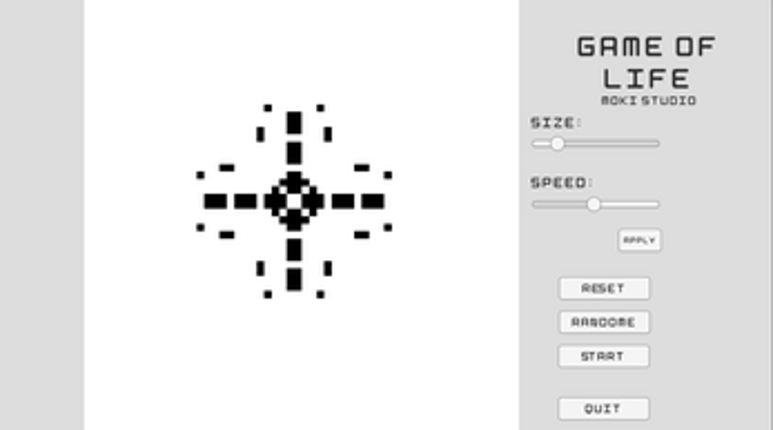
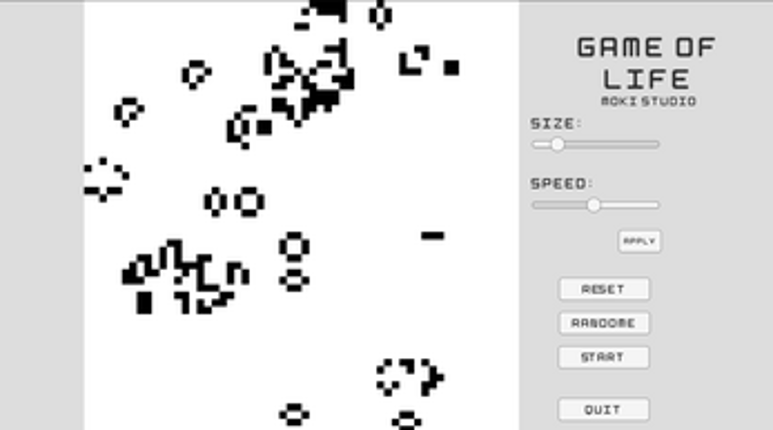
Introduction Welcome to our Conway's Game of Life simulator! This interactive application showcases John Horton Conway's famous cellular automaton, first introduced in 1970. Experience a captivating display of cellular evolution through simple rules that govern the life and death of cells on a grid. Start with a random initial configuration and observe as complex patterns and behaviors emerge fro… If you enjoyed this game, see our list of games similar to Conway's Game of Life simulator.
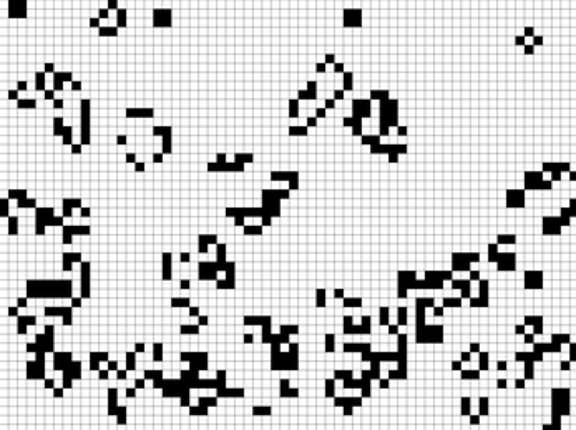
Grow and modify an ecosystem, with simulated evolution by natural selection creating the lifeforms that inhabit it. All the creatures in the trailer evolved on their own in the game. None were hand-edited! If you enjoyed this game, see our list of games similar to Ecosystem.

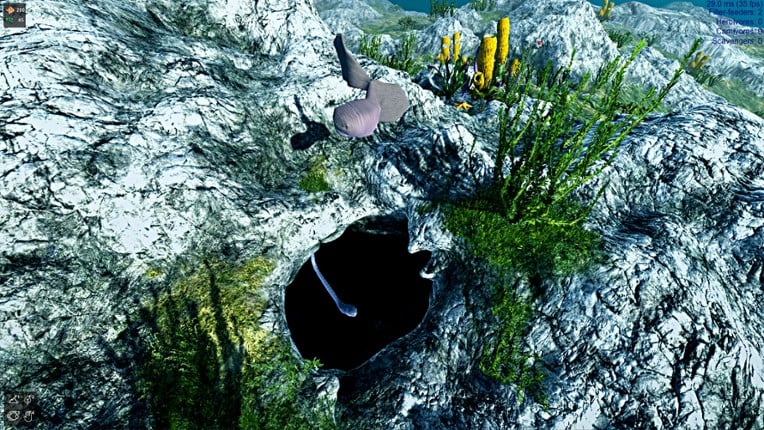
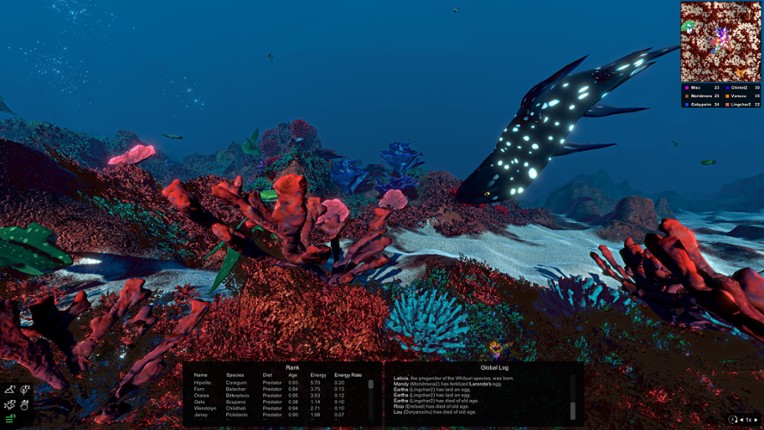
Gridworld is an artificial life / evolution simulator in which abstract virtual creatures compete for food and struggle for survival. Conditions in this two-dimensional ecosystem are right for evolution to occur through natural selection. If you enjoyed this game, see our list of games similar to Gridworld.
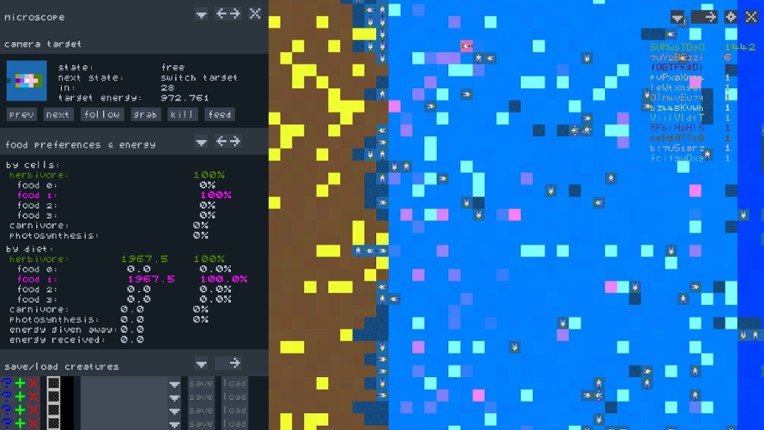
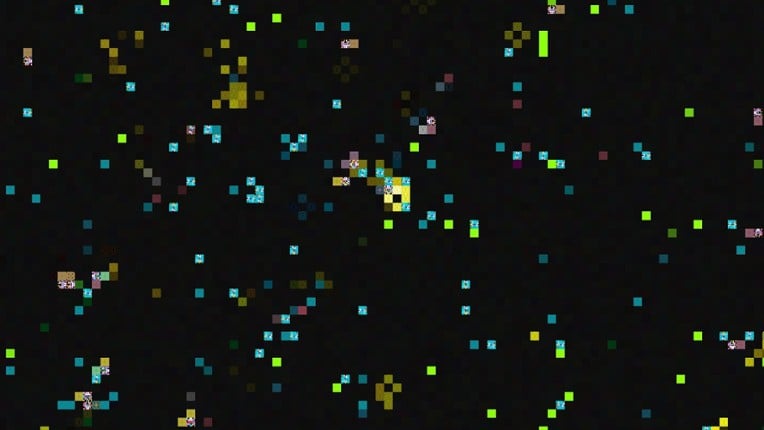
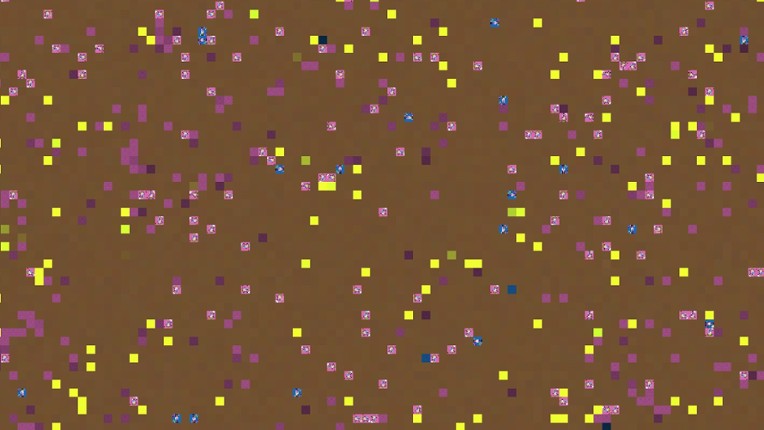
'Bacteria' - A relaxing puzzle game based on the rules of the cellular automaton ‘Life’ devised by John Horton Conway in 1970. If you enjoyed this game, see our list of games similar to Bacteria.
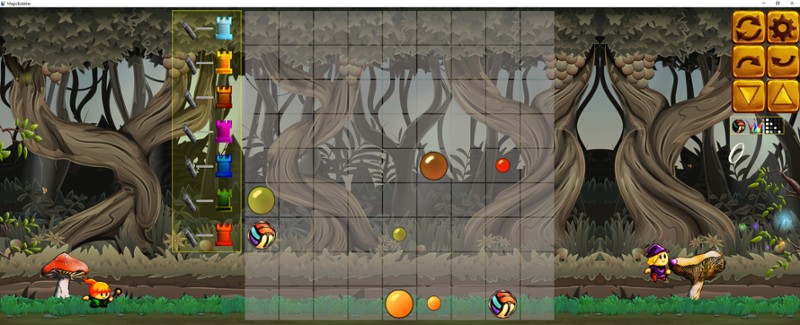
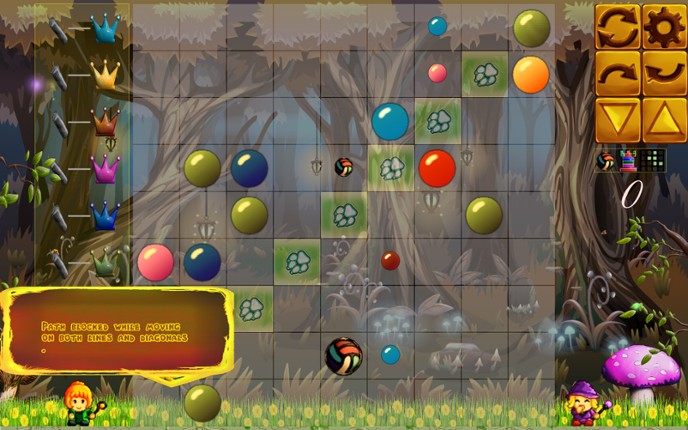
Match 5 or more bubbles of different colors and types by relocating them on an 81 squares board. Game mechanics change as you advance to next levels so the tactics you've learned in the past must be adapted for the future. If you enjoyed this game, see our list of games similar to Magic Bubbles.
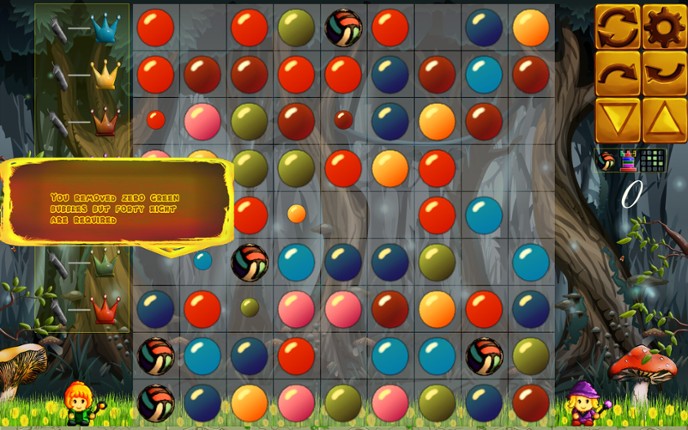
Reinterpretation of the famous John Conway's Game of Life with a ✨twist✨ See the demo : The Game of Life, created by mathematician John Horton Conway in 1970, is a zero-player cellular automaton. Its evolution relies solely on the initial state of its grid, with cells either alive or dead. Rules : A live cell with fewer than two live neighbors dies (underpopulation). A live cell with two or thre… If you enjoyed this game, see our list of games similar to Game Of Life Cascade.
Reinterpretation of the famous John Conway's Game of Life with a ✨twist✨ See the demo : The Game of Life, created by mathematician John Horton Conway in 1970, is a zero-player cellular automaton. Its evolution relies solely on the initial state of its grid, with cells either alive or dead. Rules : A live cell with fewer than two live neighbors dies (underpopulation). A live cell with two or thre… If you enjoyed this game, see our list of games similar to Game Of Life 3D.
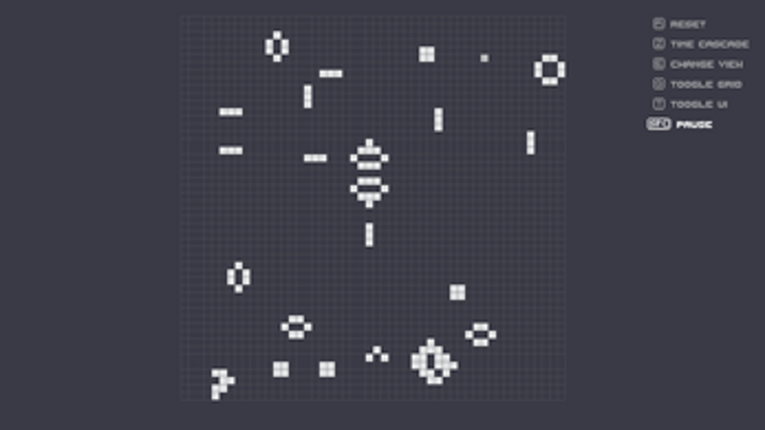
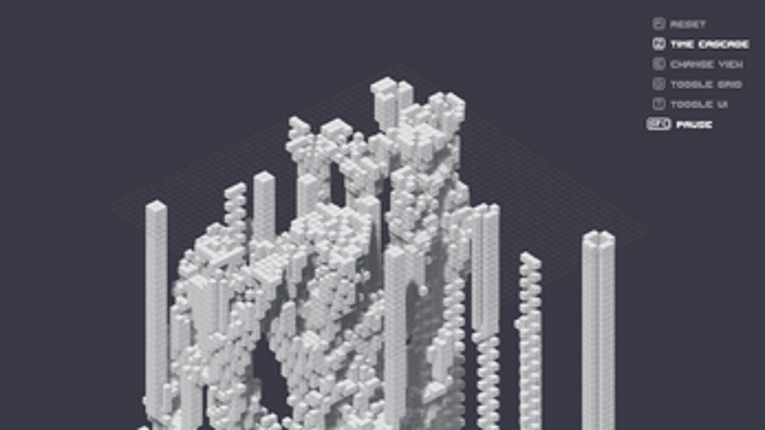
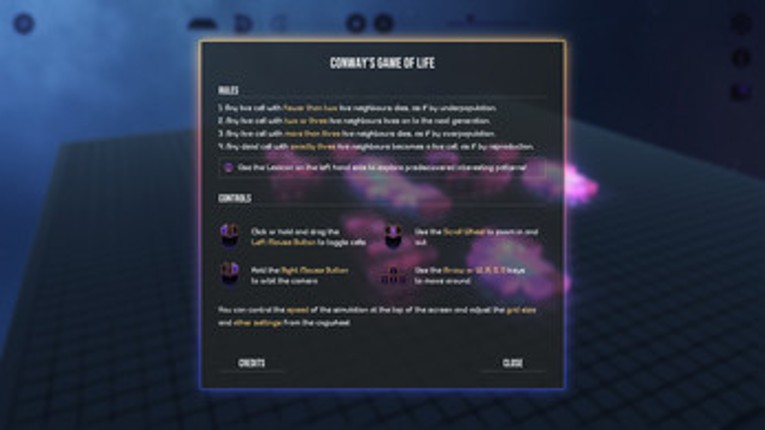
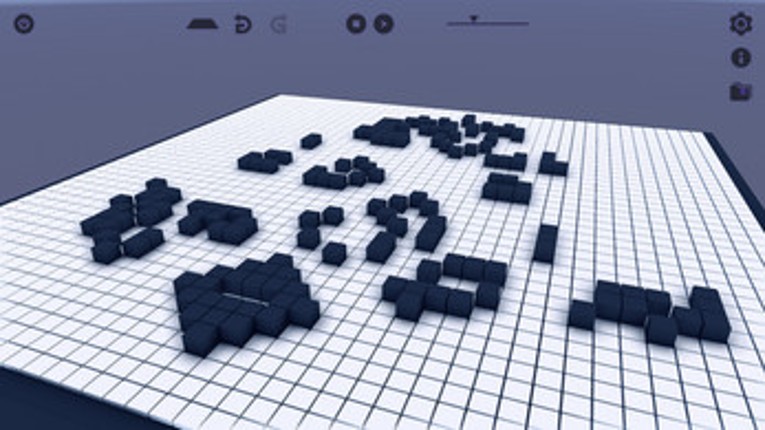
Game of Life is a cellular automation devised the British mathematician John Horton Conway in 1970. On a 2D grid each cell can be "alive" or "dead". You, as a player, set the initial state and then observe as life emerges based on Conway's 4 simple rules. This version of it tries to make it look pretty and includes all 732 patterns from the Life Lexicon. Game of Life Rules Any live cell with fewe… If you enjoyed this game, see our list of games similar to Cellular Automata: Conway's Game of Life.
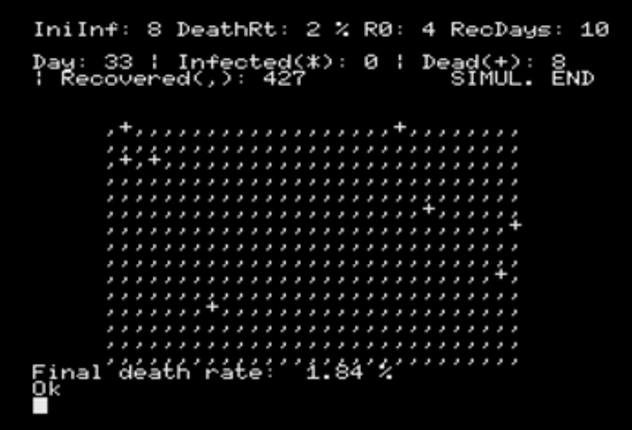
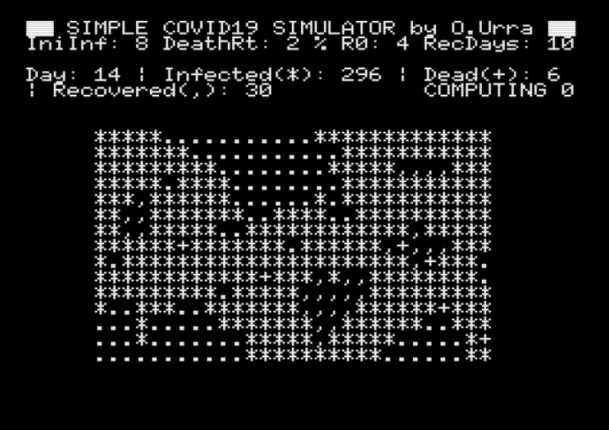
Title: Simple COVID-19 Simulator Platform: MSX Author: Oscar Urra (Twitter: @o_urra) Language: MSX-BASIC Category: SCHAU PROGRAM DESCRIPTION This is a small simulator somehow inspired by the classic Conway's Game of life. In our case, we simulate the propagation of the COVID-19 in a grid, starting with the following parameters: - Initial infections: Number of initial cells that are infected, set t… If you enjoyed this game, see our list of games similar to Simple COVID-19 Simulator.
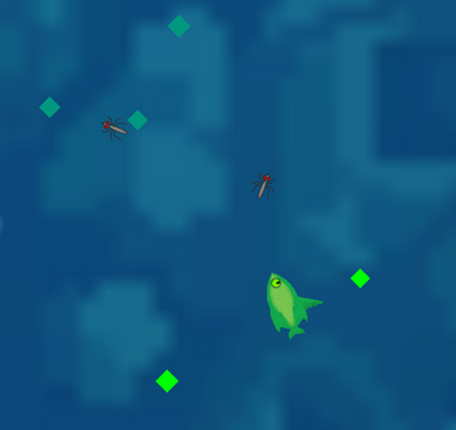
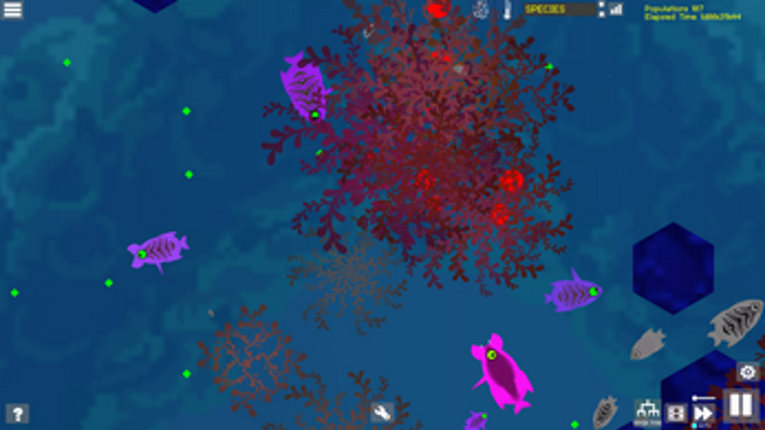
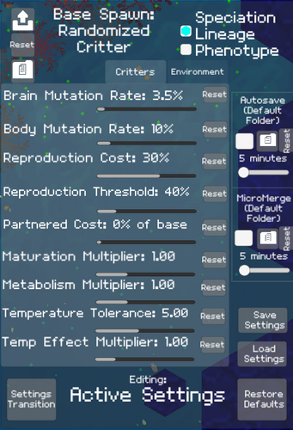
NeuraQuarium simulates a basic aquatic environment populated by AI creatures. Watch them evolve and change through chance, or take a hand in their evolution by molding the environment, mixing in saved critters, or directly altering their neural net brains. Check out this showcase: Evolution in Action The first creatures that spawn will have randomized physiology and neural nets. Those that succ… If you enjoyed this game, see our list of games similar to NeuraQuarium.
Hi Gamers! :) Lancelot is a tiny and good free-of-charge Open-Source Game Launcher written in Ruby via DragonRuby GTK! It's made for The Tool Jam and amazingly works for Desktops with Keyboard Input currently (No plan to support mobiles yet) Features 1. Add/Delete and Launch games on your own! 2. 8 backgrounds to fullfill your pleasure, And you can also use your own ones! :) 3. Fast, Optimized, P… If you enjoyed this game, see our list of games similar to Lancelot.

GAL-Chat is a desktop AI visual novel powered by DeepSeek API. Chat freely with unique AI characters, no preset options. Dynamic sprites, scene switching, and memory system let your words shape the story. Experience a story that never repeats. If you enjoyed this game, see our list of games similar to GAL-Chat.
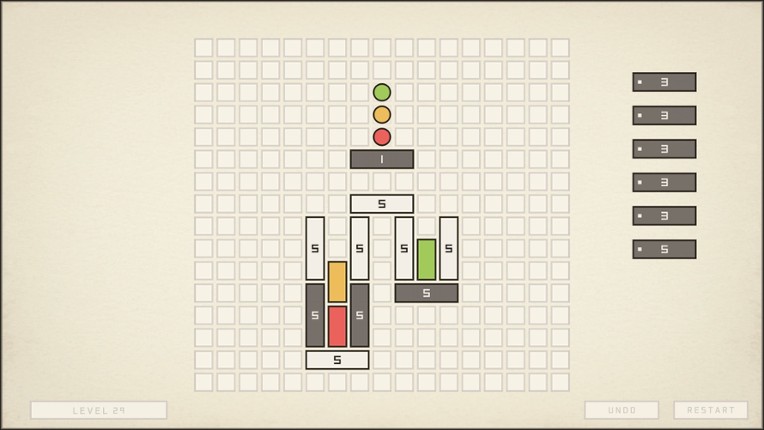
The Magnets is a logic puzzle game whose goal is to make the balls fall onto the same colored platforms by using the magnets to push or pull the blocks. The magnets push the blocks of the same color and pull the different colored blocks, only if the number on the magnets is greater than the number on the block. The numbers on the magnet show their strength against the blocks, and also how man… If you enjoyed this game, see our list of games similar to The Magnets.
The Game of Life is a 2D cellular automaton devised by mathematician John Horton Conway in 1970. The Game consists of cells on a grid. These cells can either be dead or alive and can change their state based on these three rules: Any live cell with two or three live neighbours survives.Any dead cell with three live neighbours becomes a live cell.All other live cells die in the next generation. Sim… If you enjoyed this game, see our list of games similar to Conway's Game of Life.


A game that goes on forever... ABOUT Cell Theory is a game inspired by the popular zero-player cellular automaton "Conway's Game of Life" . In Cell Theory, create a simulation by placing grids on the screen, and press SPACE to see your simulation come to life! There are TONS of combinations, so there are pretty much endless possibilities (how fun). The game, while sort of not original, has so… If you enjoyed this game, see our list of games similar to Cell Theory.
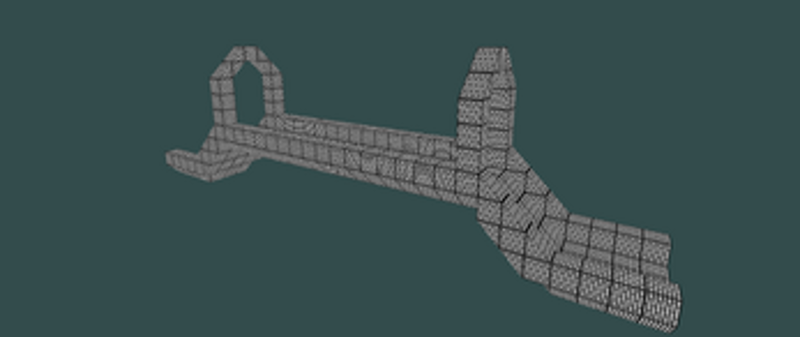
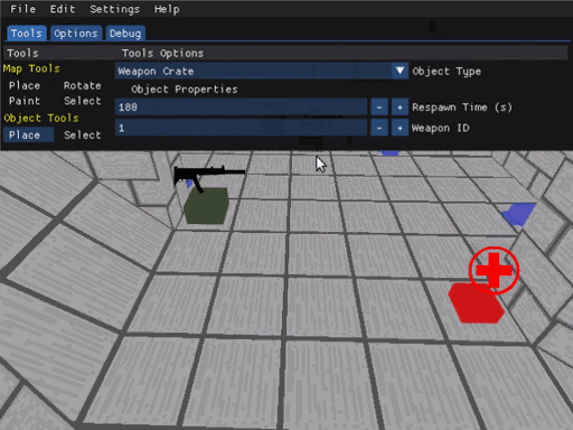
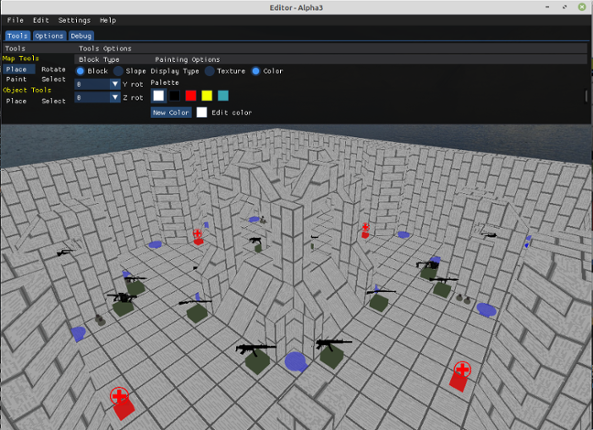
Block Buster Editor Description Block Buster Editor is the Map Editor for the voxel first-person shooter Block Buster. With this tool, blocks and ramps can be placed to create interesting shooter maps. The first design goal of this program is simplicity. However, it also offers powerful utilities to ease and speed up the creation process. Tools Basic T… If you enjoyed this game, see our list of games similar to BlockBuster Editor.
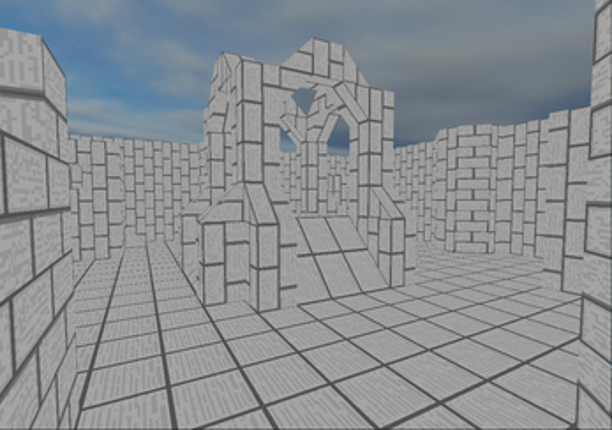
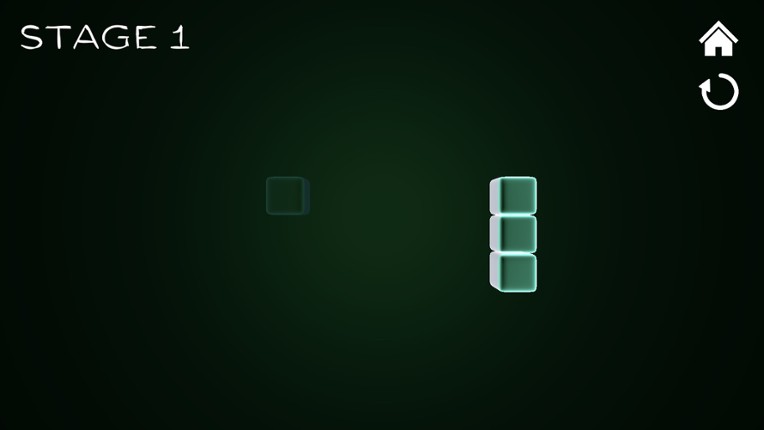
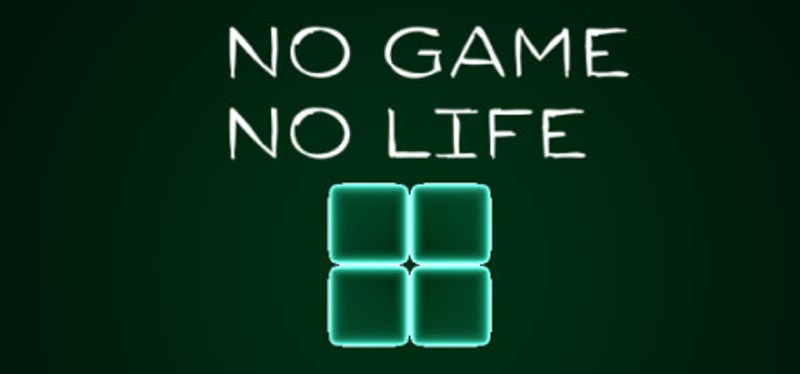
"No Game No LIFE" is a puzzle game that erases cubes that increase and decrease according to the rules of "Conway's Game of Life". Player add cube by clicking screen and erase all the cubes that change in real time. You can play more than 10 stages, and each stage starts with a characteristic object such as "block, pond, beehive" in "Conway's Game of Life". … If you enjoyed this game, see our list of games similar to No Game No LIFE.
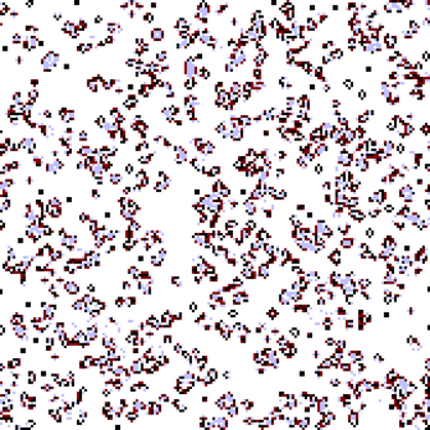
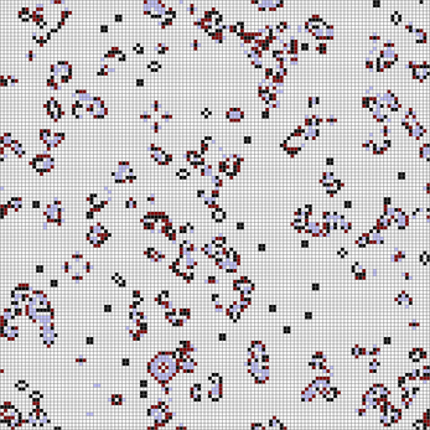
The Game of Life was first created in 1970 by British mathematician John Conway, who was working at the University of Cambridge (before he was later appointed to the John von Neumann Chair of Mathematics at Princeton University). It is a zero-player game, which means that it naturally evolves from an initial state and requires no more input. It is interesting, however, to see how different initia… If you enjoyed this game, see our list of games similar to Conway's Game of Life.


Species: Artificial Life, Real Evolution is an evolution simulation with hands on interaction. It allows for direct changes to each creature as well as indirect and gradual environmental changes which affect the species and their evolution. If you enjoyed this game, see our list of games similar to Species: Artificial Life, Real Evolution.
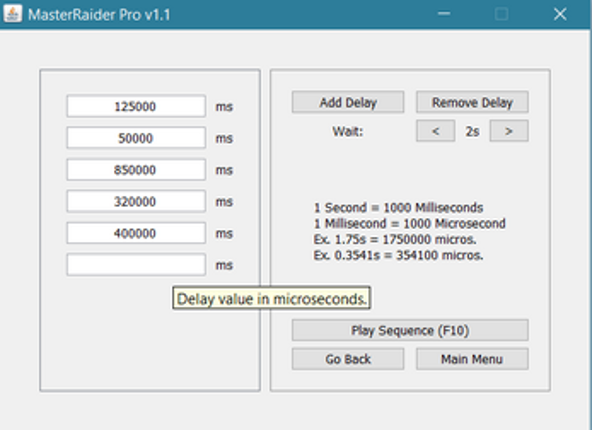
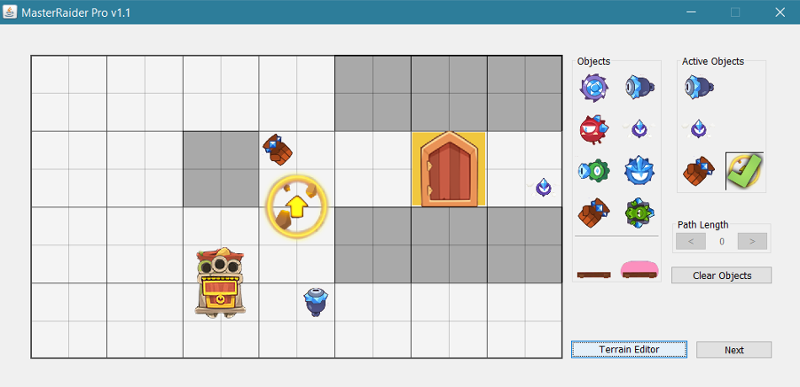
News:Currently the release is in a rather stable state. We have decided to halt the project for the current time being as we make room for other projects. We will, however, quickly come back to MasterRaider Pro in case a necessary update comes around the corner. Consequently, we are not removing the Promo Price we have set. As we said, we will change it ONLY when we feel we have shipped you the be… If you enjoyed this game, see our list of games similar to MasterRaider Pro.

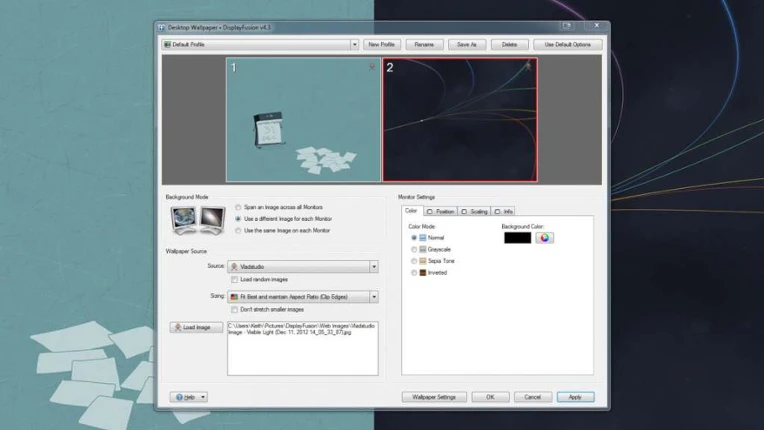
DisplayFusion will make your multi-monitor life much easier. With powerful features like Multi-Monitor Taskbars, TitleBar Buttons and fully customizable Functions, DisplayFusion will make managing your multiple monitors easy. These features even work when AMD Eyefinity or nVidia Surround are enabled on your system! Features Monitor Splitting (works with Surround and Eyefinity!) Split your monitors… If you enjoyed this game, see our list of games similar to DisplayFusion.



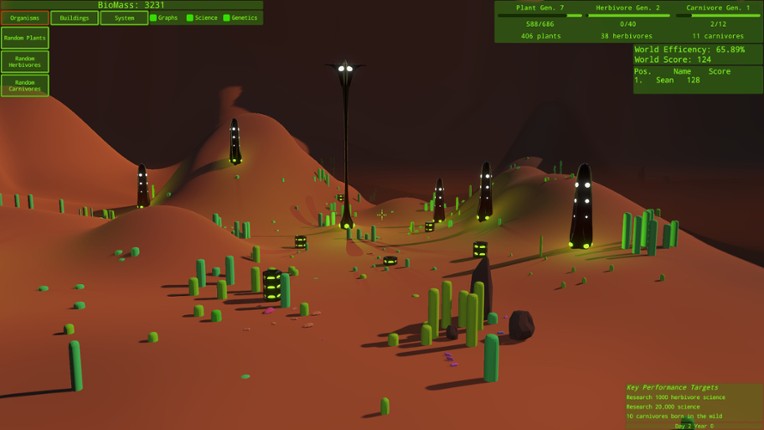
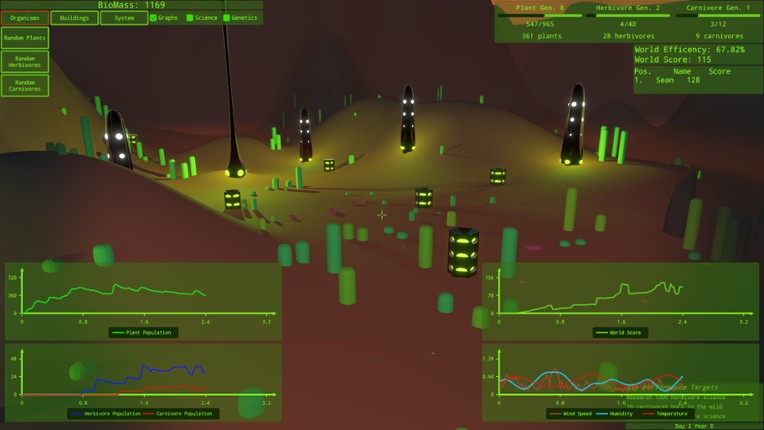
Intelligent Design: An Evolutionary Sandbox is an abstract god game with fully simulated genetics and evolution. In a universe driven by targets, create, design and try to control an evolving ecosystem for a faceless corporation. If you enjoyed this game, see our list of games similar to Intelligent Design: An Evolutionary Sandbox.

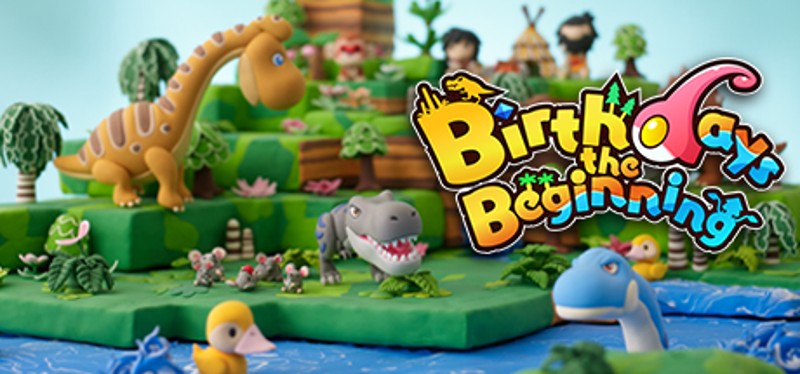
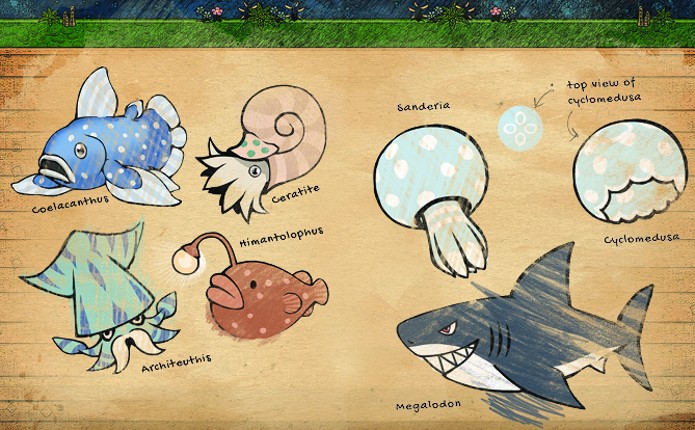
Enter the world of Birthdays the Beginning, where countless possibilities await! With the Digital Art Book as your very own guide, read up and explore the different organisms, environments, and worlds that are possible to create in your very own cube world. With so many adorable critters waiting to be birthed, what kind of world will you create? If you enjoyed this game, see our list of games similar to Birthdays the Beginning.

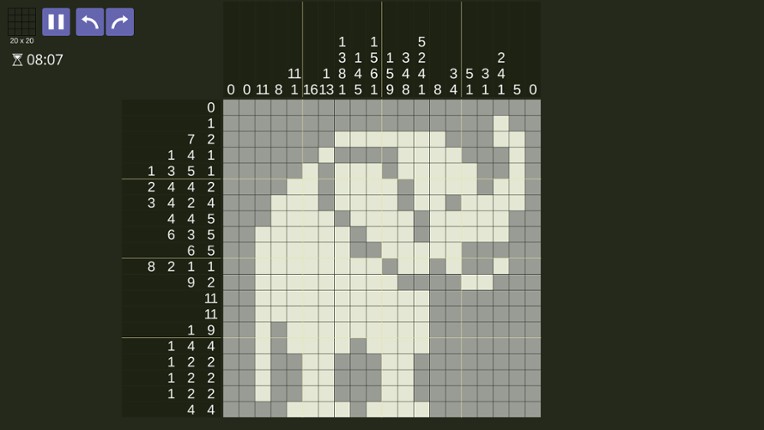
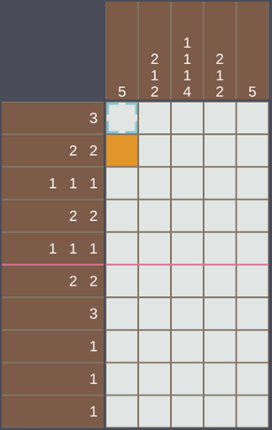
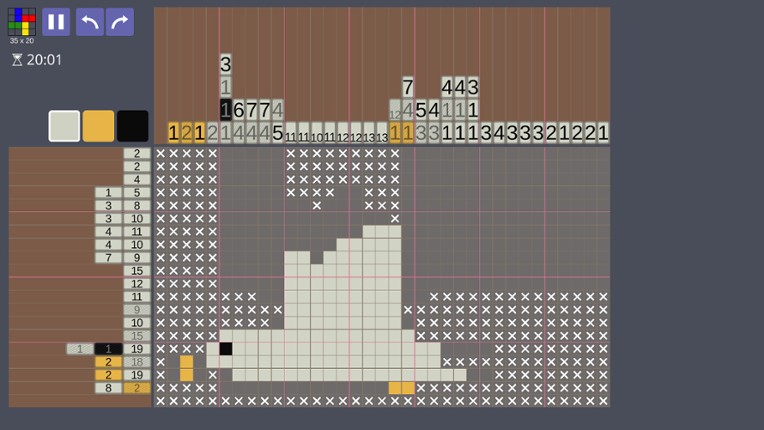
A number logic puzzle game. Solve nonograms to form pixel-art images. Features 200 hand-made puzzles. If you enjoyed this game, see our list of games similar to Nonozle.
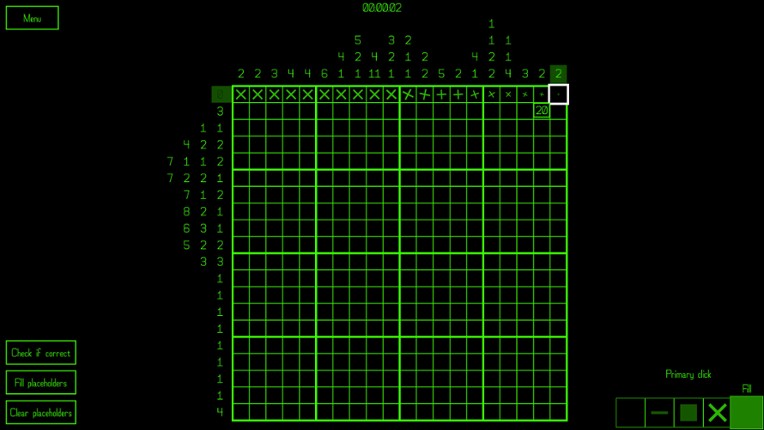
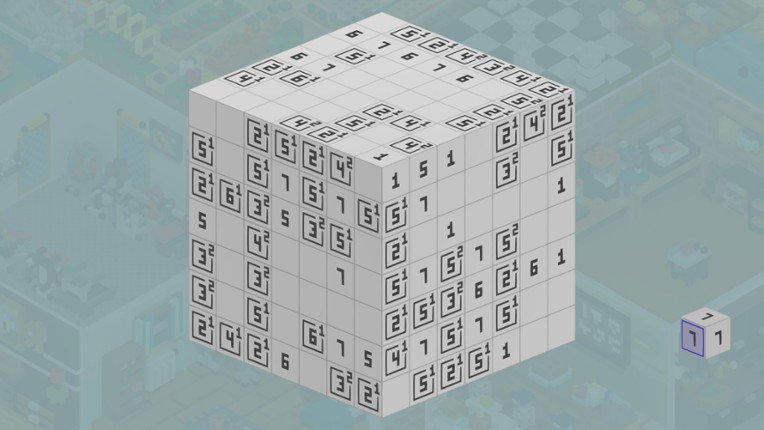
Voxelgram is a 3D puzzle game in which voxels must be removed according to hints on their sides, to reveal hidden model. It's a new adaptation of Nonograms also known as Picross and Griddlers. If you enjoyed this game, see our list of games similar to Voxelgram.
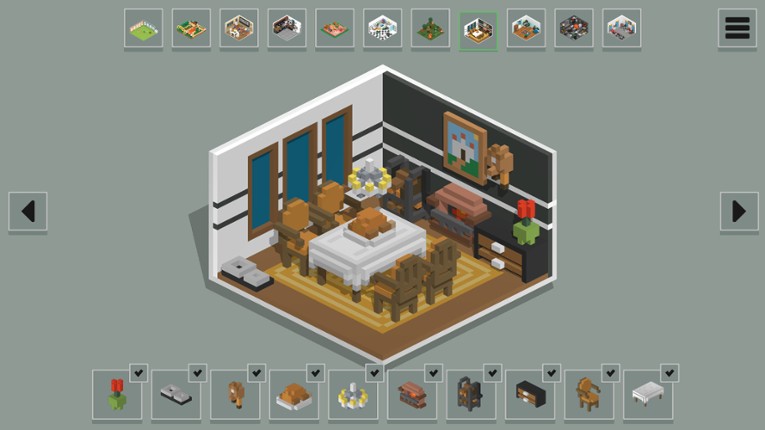
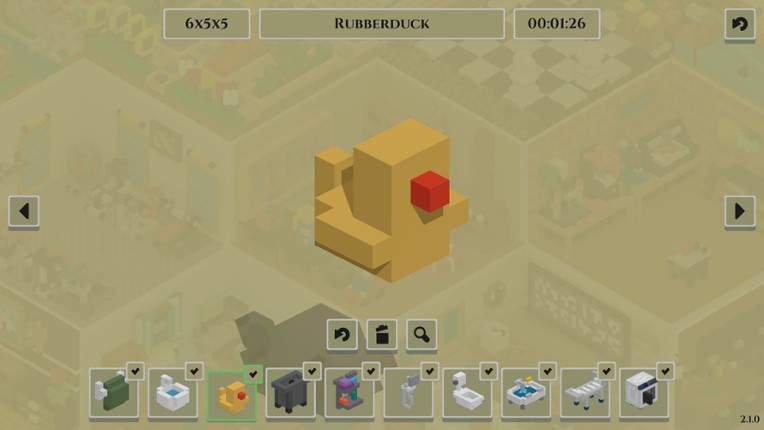
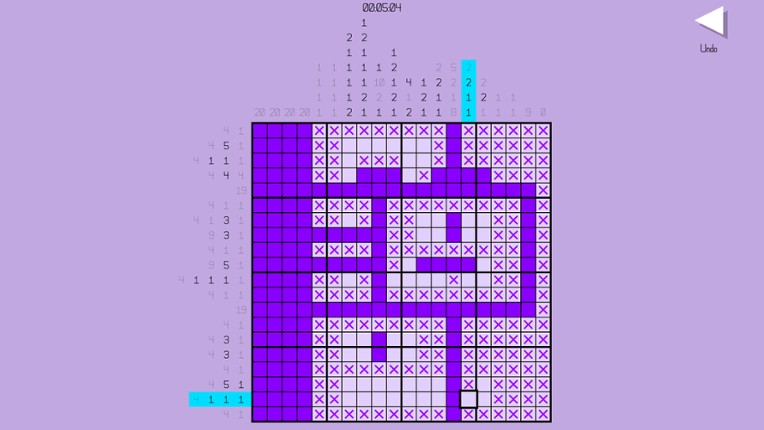
NONOTOWN is a fun and challenging puzzle game that puts your problem-solving skills to the test. In this game, you are presented with a grid of squares that are either filled in or empty. Your goal is to fill in the empty squares according to the given clues in order to reveal the hidden image. To play, you simply use your cursor to fill in the empty squares on the grid. As you fill in the sq… If you enjoyed this game, see our list of games similar to NONOTOWN: Nonogram Logic Puzzle.
[Media 2412531] [Media 2409565] Lucid Explorer is an online community game that allows people to experience creative dream worlds... If you enjoyed this game, see our list of games similar to Lucid Explorer.


Conway's Game of Life (sometimes referred to as Life) is a "cellular automaton," invented by the mathmatician John Conway in 1970. The "game" runs automatically and doesn't require input from the "player" beyond determining the initial state of each "cell" (tile in the grid). In this version, cell states are determined randomly when the simulation start, and then it evolves naturally. Rul… If you enjoyed this game, see our list of games similar to Conway's Game of Life.
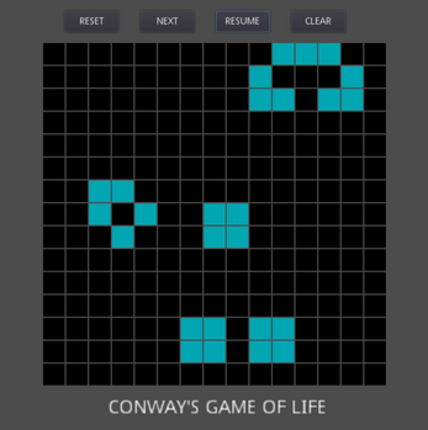
Conway's Game of Life Conway's Game of Life is a zero player game invented in 1970 by Mathematician John Conway to show how complex and emergent behavior can arise out of a set of seemingly simple rules. It is one theory for how life originated on Earth. I recreated the game in Unity as a learning experience, and for fun. Traditional Rules for Conways' Game of Life: Any live cell with fewe… If you enjoyed this game, see our list of games similar to Conway's Game of Life.
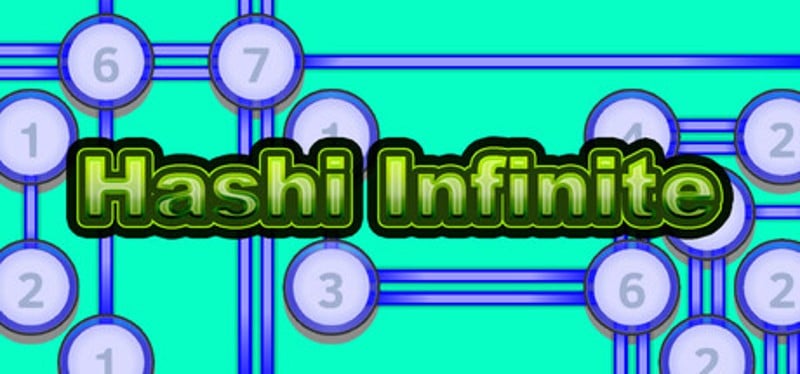
Hashiwokakero (Hashi) is a type of logic puzzle published by Nikoli.This is a Hashi implementation. Hashiwokakero is played on a rectangular grid with no standard size, although the grid itself is not usually drawn. Some cells start out with (usually encircled) numbers from 1 to 8 inclusive; these are the "islands". The rest of the cells are empty. The goal is to connect all of the isl… If you enjoyed this game, see our list of games similar to Hashi Infinite.
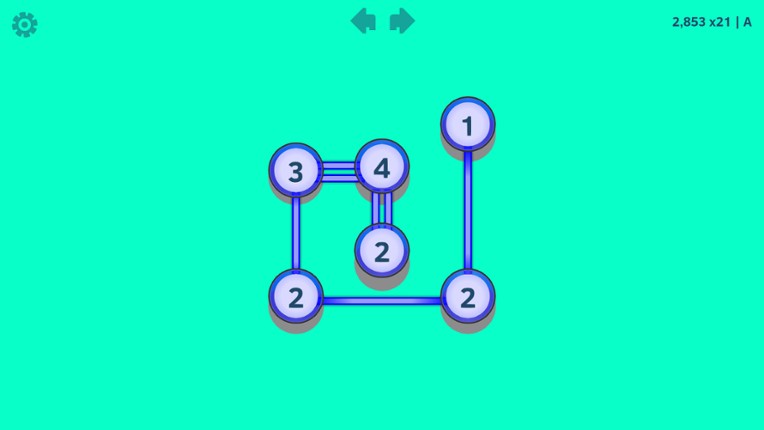
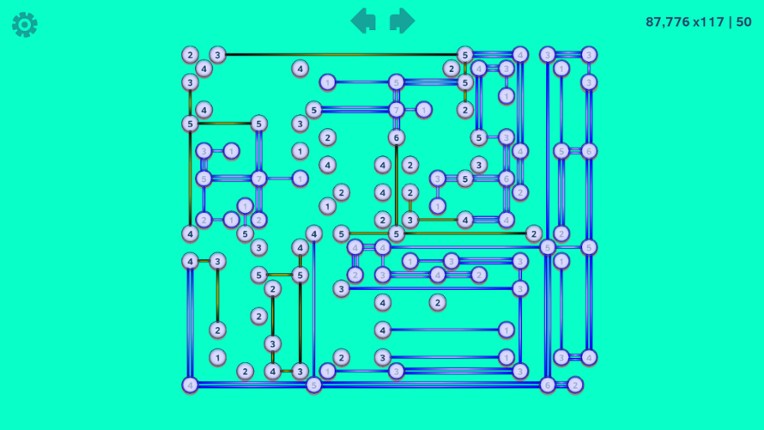
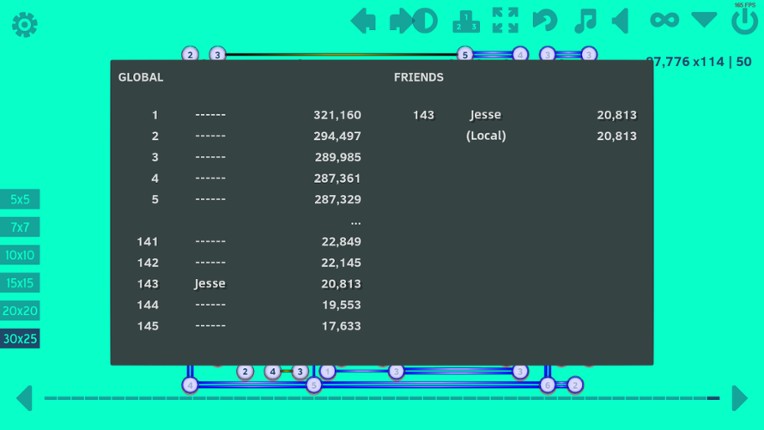
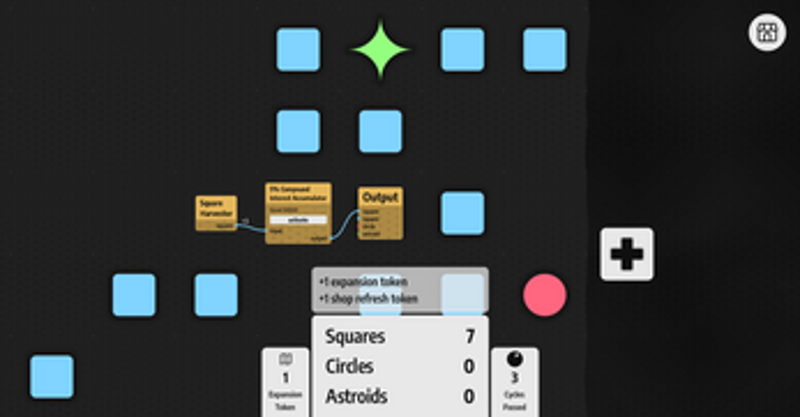
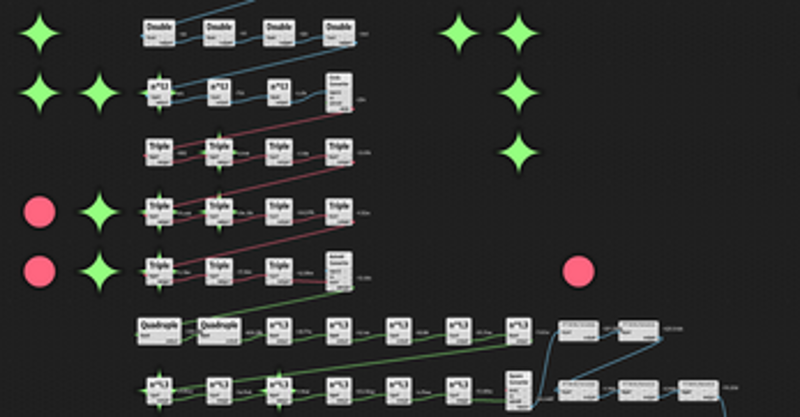
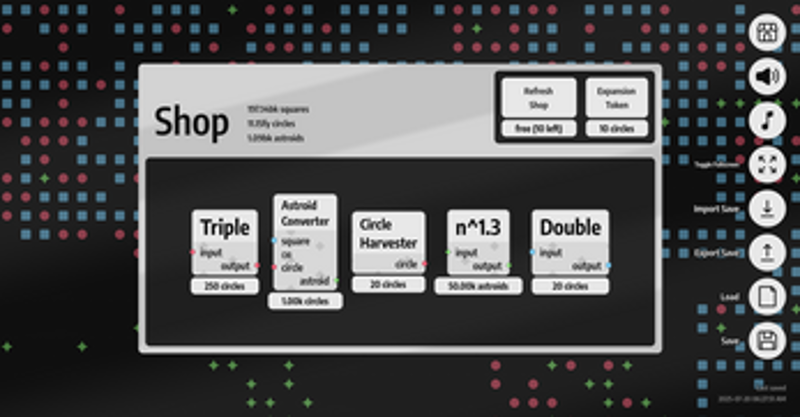
[graph_harvest] Made in 9 days for Godot Wild Jam 83! Consume a world of shapes as you build a portable node-based factory to rack up bigger and bigger numbers! Estimated play time: 30-60+ minutes Saves are fully functional - feel free to pick the game up and put it down whenever, or even transfer between computers or between web and desktop. Auto-saves occur at the end of every cycle. Follow… If you enjoyed this game, see our list of games similar to [graph_harvest].
Boléresque Solve the puzzle by rearranging the score of Maurice Ravel's Boléro. Boléresque was created in one month for Games For Blind Gamers 4. Please rate the game and provide feedback! The game outputs text-to-speech using your device's screen reader, if one is detected. You can adjust or disable text-to-speech in the game's Options screen. Please see the Known Issues below. How to Play Y… If you enjoyed this game, see our list of games similar to Boléresque.
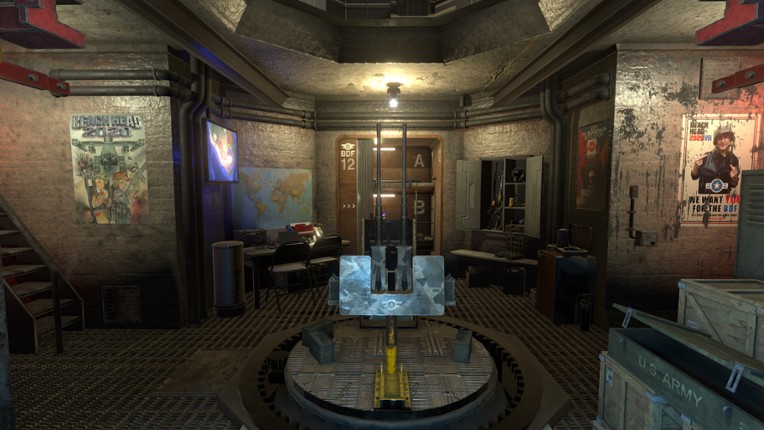
Remember defending that beach? The rush of artillery fire, scrambling to man different positions as enemy forces stormed ashore? That feeling is back. BeachHead Gold Edition brings together three classic titles - BeachHead 2000, BeachHead 2002, and BeachHead 2003 (Desert War) - fully optimized for modern Windows systems. Key Features • Three Full Games: BeachHead 2000, 2002, and 2003 … If you enjoyed this game, see our list of games similar to BeachHead.


Play Sudoku and feel beautiful. If you enjoyed this game, see our list of games similar to Sudoku: The Clean One.
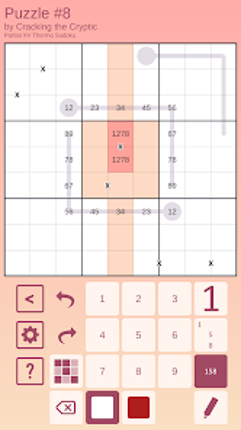
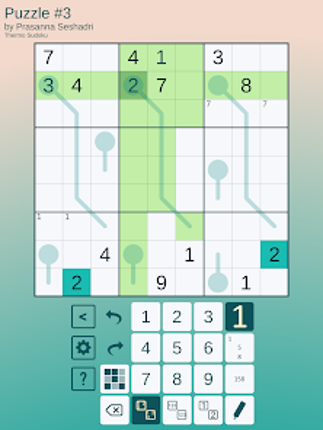
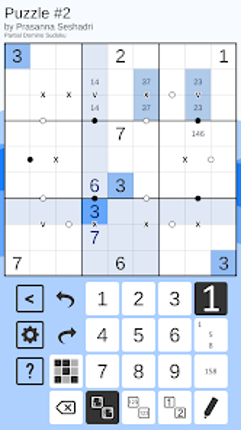
Curated Sudoku puzzles If you enjoyed this game, see our list of games similar to Cracking the Cryptic.
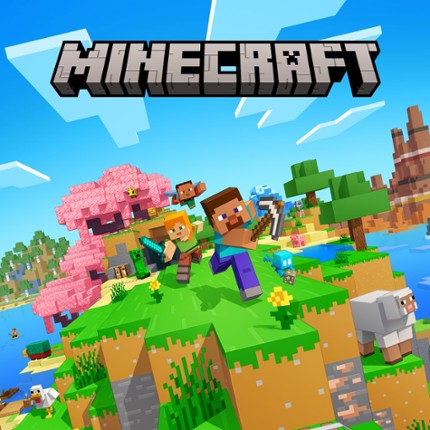
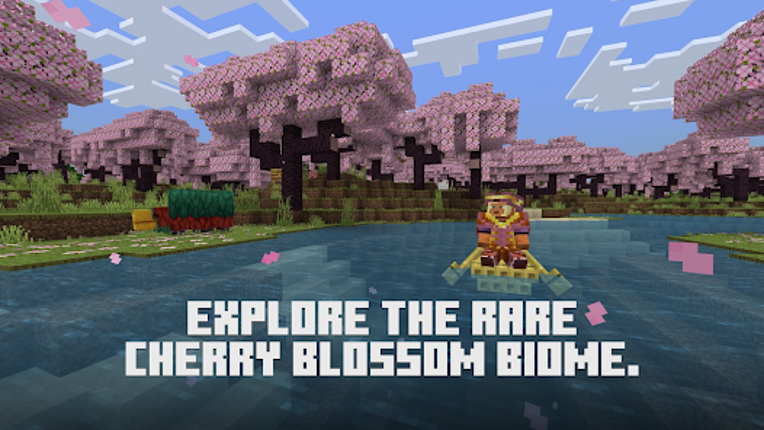
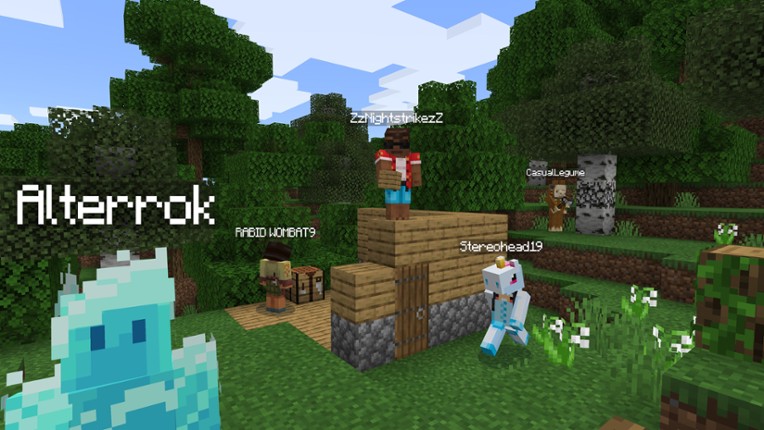
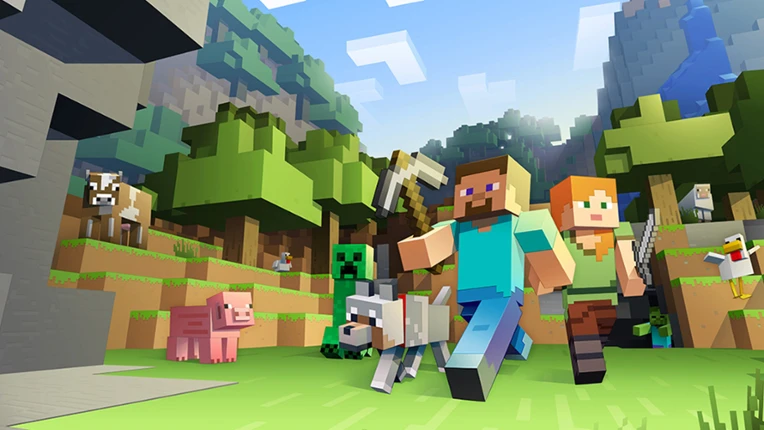
Millions of crafters have smashed billions of blocks! Now you can join the fun! If you enjoyed this game, see our list of games similar to Minecraft.
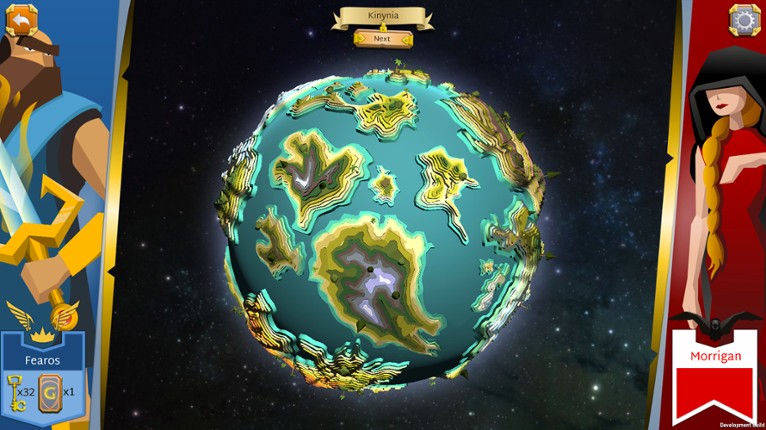
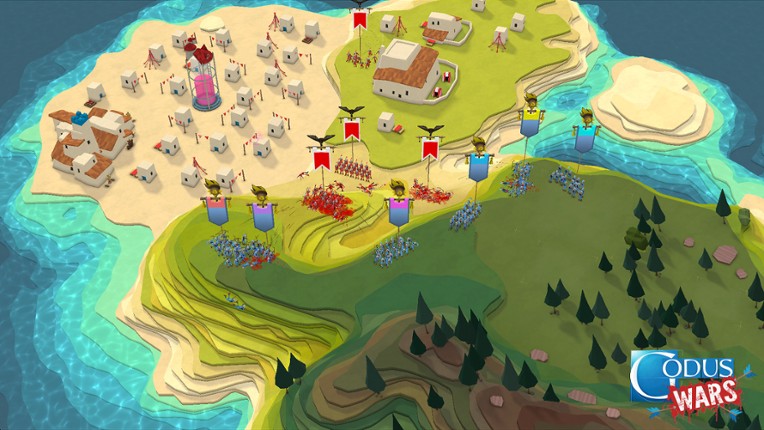
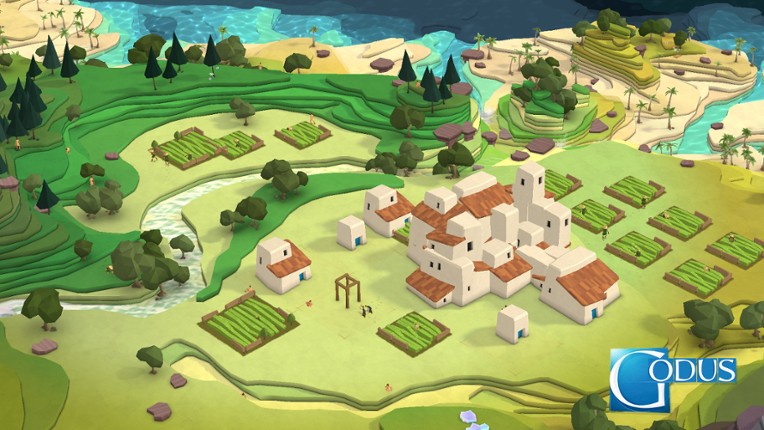
Godus Wars mixes tactical Real Time Strategy gameplay with the mechanics of the God-Game genre. It’s fun, it’s simple and it’s brutal. If you enjoyed this game, see our list of games similar to Godus Wars.
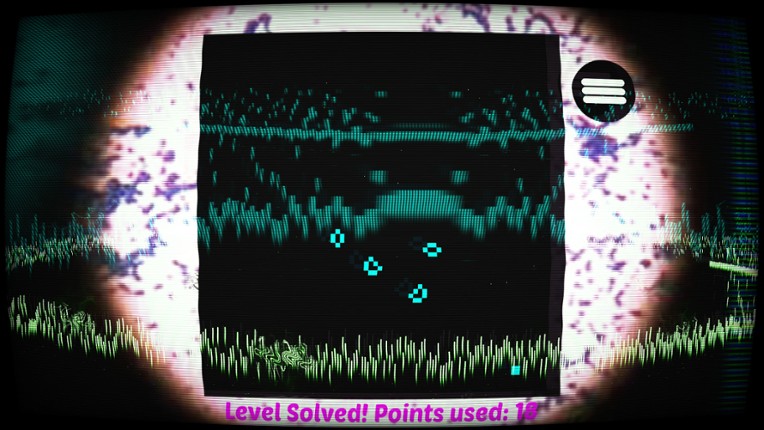
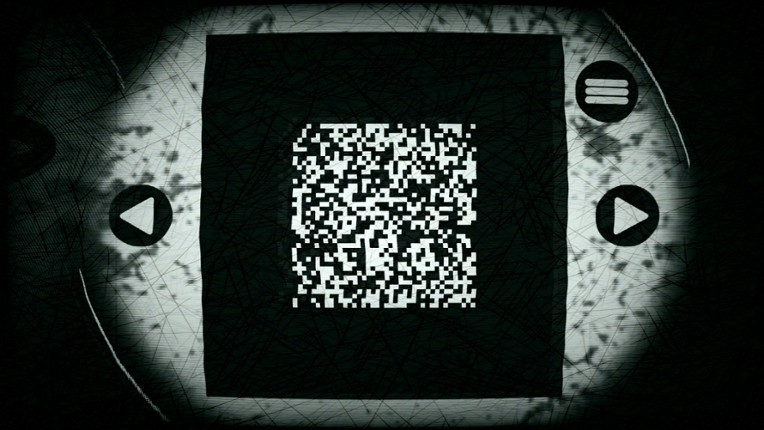
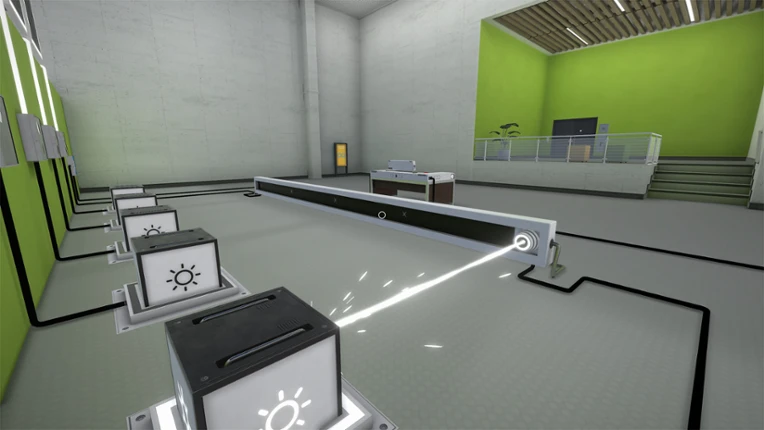
Re:Touring is a first-person puzzle game in which you'll explore the abandoned Luoni Energy Competence Center. Using a retro-style computer, you'll create color patterns to progress through the levels. If you enjoyed this game, see our list of games similar to Re:Touring.
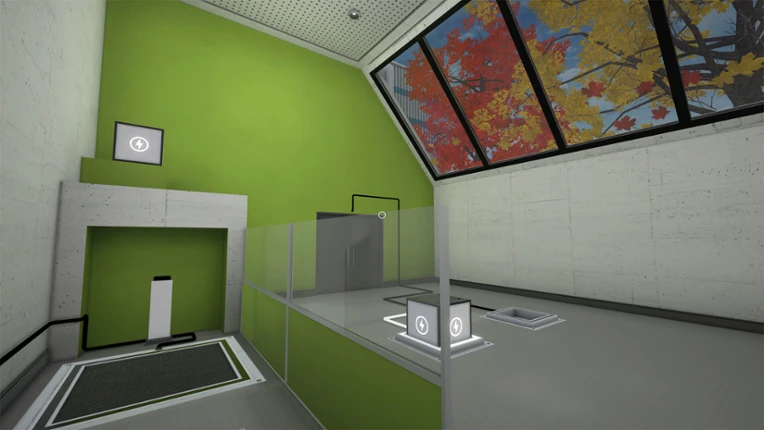

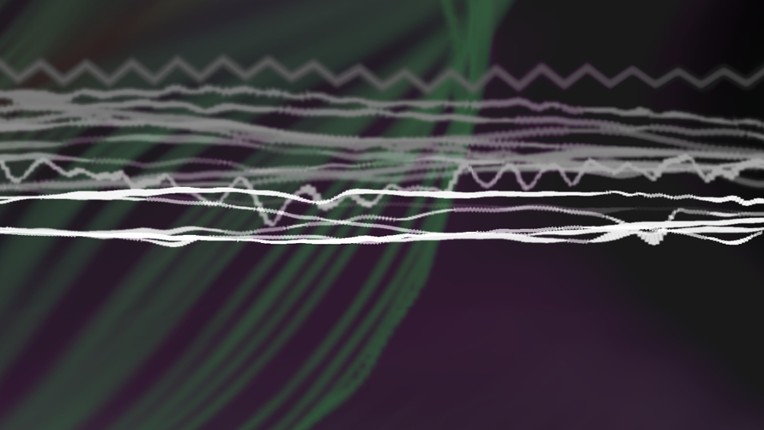
Visualize music with projectM! Experience psychedelic and mesmerizing visuals by transforming music into equations that render into a limitless array of user-contributed visualizations. projectM can detect audio input from any application (like Spotify or Apple Music) or you can use input from a microphone.Get StartedprojectM works out of the box. To get started play music from any source, launch … If you enjoyed this game, see our list of games similar to projectM Music Visualizer.


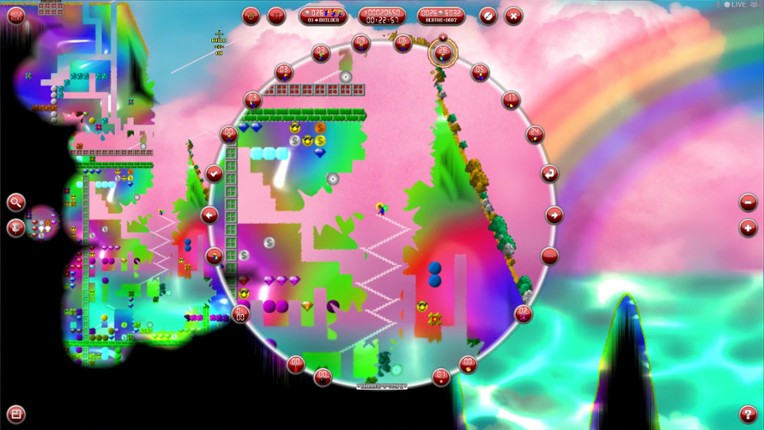
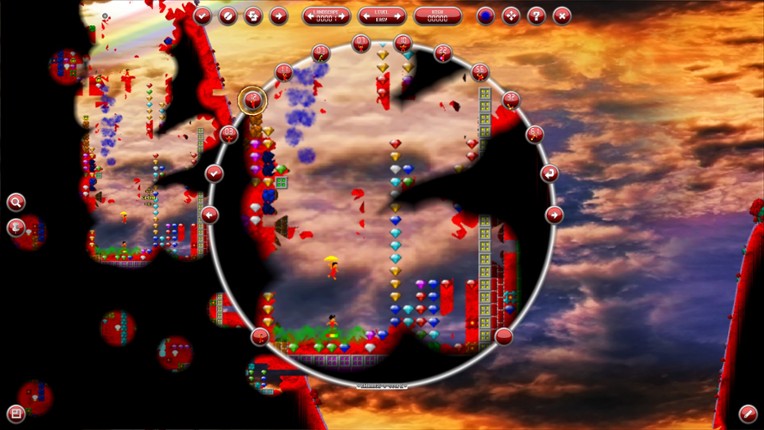
Ever wondered what happened to all those pesky Lemmings? Well, the ones that survived anyway! Inevitably, they all had to go and get jobs! And the "choice" was obvious ... Mining! Deploy your Tiny Miners (TM) to collect, and safely return home, as many jewels as possible. But, be very, very, aware - there's a million ways to die daan there! If you enjoyed this game, see our list of games similar to MANIC MINERS.


 View Game





















![[graph_harvest] Image](https://img.gamebrain.co/games/184/fragskye_2025_1_xl.png)