while True: learn()

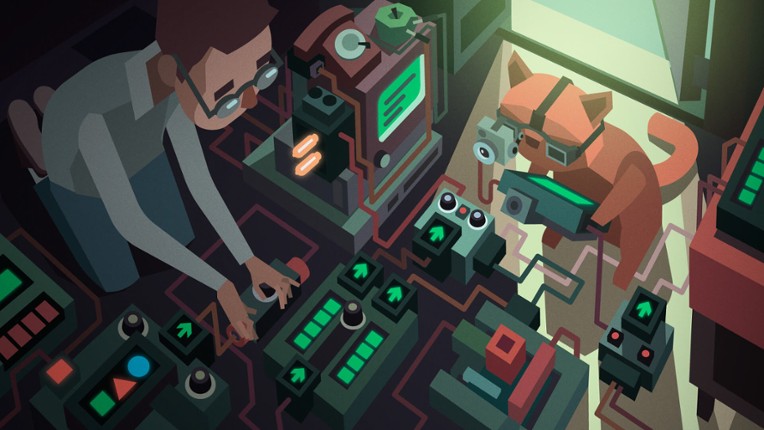
This one’s a very niche game, but if a puzzle game that could turn into a six figure salary sounds intriguing–or if you just like dressing up cats–it beats another run through CodeAcademy.
while True: learn() Game Cover
87%Game Brain Score
gameplay, story
grinding, stability
88% User Score Based on 3,602 reviews
Critic Score 80%Based on 2 reviews

Platforms

Nintendo SwitchAndroidPlaystation 4Xbox Cloud GamingXboxSteam DeckiPhoneWindowsPlayStationLinuxXbox Series X|SPCTabletCloudMac OSPhoneXbox OneiPadMobile Platform
while True: learn() Game Cover

About

while True: learn() is a single player simulation game with a kids theme. It was developed by Luden.io and was released on January 17, 2019. It received mostly positive reviews from critics and positive reviews from players.

Base Game + Soundtrack + Art Pack

Skip User Reviews

88%
Audience ScoreBased on 3,602 reviews
gameplay58 positive mentions
grinding25 negative mentions

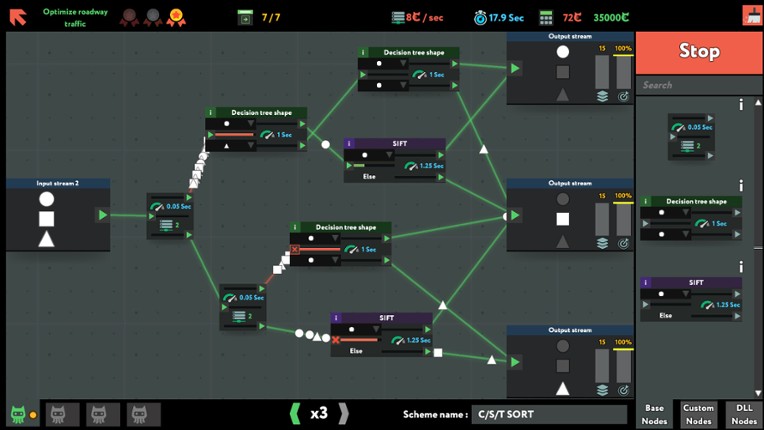
  • Fun and addictive puzzle game that introduces basic machine learning concepts with a cute cat-themed story.
  • Well-designed logic puzzles that encourage optimization, critical thinking, and an understanding of data flow and algorithmic thinking.
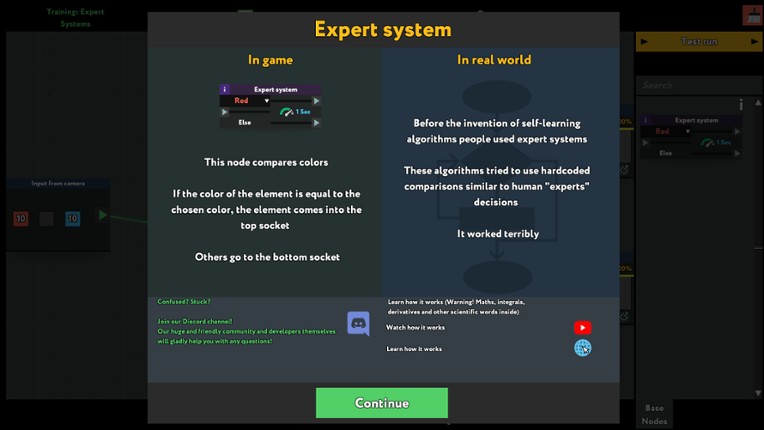
  • Includes educational external resources (articles, videos) that provide real-world context and opportunities for further learning.
  • Clean, intuitive visual interface with charming graphics and pleasant, unobtrusive music.
  • Encourages experimentation and creative problem solving while being accessible to newcomers and programmers alike.
  • Humorous and approachable narrative that helps demystify complex topics and keeps players engaged.
  • Gameplay becomes repetitive over time due to similar puzzles focused mainly on sorting and balancing data flows.
  • Lack of clear feedback during puzzle runs leads to trial-and-error frustration, especially with tight timing and accuracy requirements.
  • Certain puzzle solutions rely on RNG or require specific game upgrades to achieve gold medals, limiting player creativity and making optimization unrewarding.
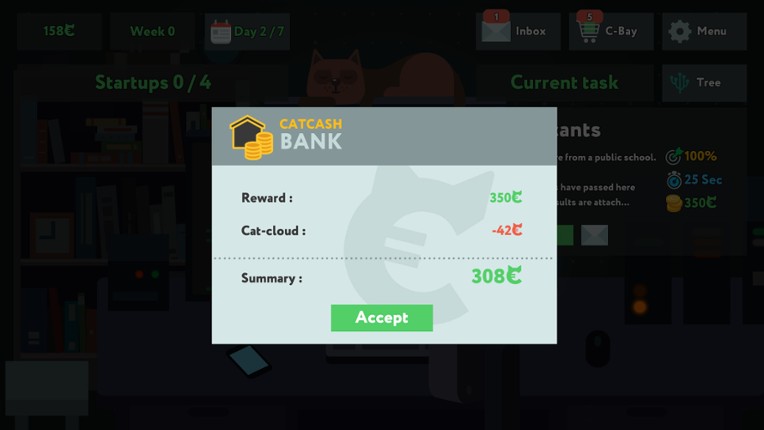
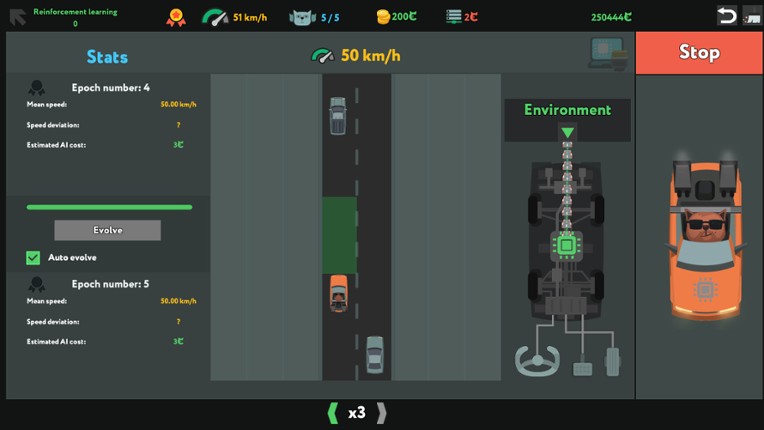
  • Self-driving car and startup simulations are buggy, poorly explained, and detract from the overall experience.
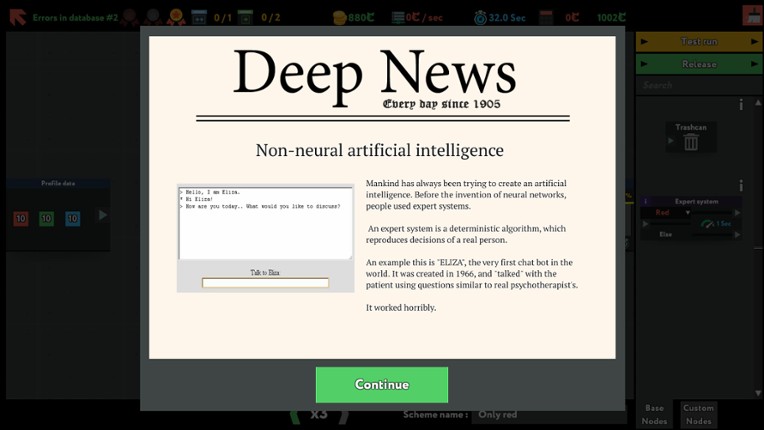
  • The educational aspect can feel superficial, with most machine learning concepts abstracted as black boxes and minimal in-game explanation.
  • The meta-progression system and emphasis on re-running older puzzles for upgrades can be tedious and hinder game pacing.
  • UI and interface can get cumbersome with large-scale solutions, and features like training nodes are often just time delays without interaction.
  • gameplay
    270 mentions Positive Neutral Negative

    The gameplay combines puzzle-solving through connecting visual programming nodes with machine learning concepts, offering a generally accessible and educational experience that is both fun and challenging at times. However, many find the mechanics repetitive, poorly explained, and sometimes disconnected from real machine learning, with particular criticism aimed at the confusing and frustrating "startup" and upgrade systems, as well as the lack of meaningful progression or variety in puzzles. Despite its flaws, the game’s clean design, gradual introduction of mechanics, and supplementary learning resources provide value for those interested in a relaxed puzzle experience with some educational content.

    • “The core gameplay revolves around constructing data-processing systems using visual nodes.”
    • “The game introduces each new mechanic gradually—adding new node types, memory limits, and efficiency goals at a pace that feels natural.”
    • “Gameplay: 9/10 - I can't find any bugs, easy to learn - hard to master and very educational if you're interested in machine learning.”
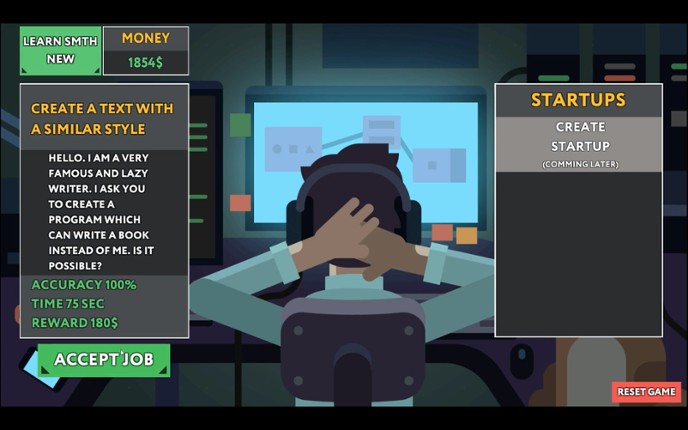
    • “The first time I played I lost because of the startup, and the recovery point does not keep your progress from previous gameplay. You start again from bronze, and even knowing the answers, I really hate to do the same thing more than once. I played this twice, starting over from the beginning, over six years just to finish it.”
    • “Gameplay-wise, this game is a watered-down Zachtronics-like, with nearly every level being some variation of the same 'sort these inputs into those outputs' flowchart puzzle.”
    • “The gameplay loop becomes increasingly annoying and samey, relying heavily on trial and error due to the seemingly random mechanics of where unsorted colors go.”
  • story
    218 mentions Positive Neutral Negative

    The story is generally described as cute, charming, and humorous with a light, playful tone that complements the puzzle gameplay and machine learning theme. However, it is often criticized for being short, sometimes confusing or shallow, and occasionally overshadowed by repetitive or buggy gameplay. While the narrative adds charm and context, many players find it insufficiently engaging or poorly integrated, leaving some feeling the story does not fully realize its potential.

    • “The story is told with a light and charming touch, featuring witty commentary, visual humor, and a consistent tone of self-awareness.”
    • “A really polished, fun and creative story that is definitely teaching me at least something about machine learning!”
    • “The story and general quality of the overall game is not super good or bad but it is in the middle I would say, but I really enjoy the plot and the learning curve.”
    • “The main story line takes about 2 or 3 hours to complete which is way too short for a game that costs 10 euros.”
    • “While it has a nice and short puzzle game and some interesting links to machine learning, the story is completely off-putting and boring, with about as much to do with actual machine learning as SpaceChem has with creating molecules.”
    • “The story is confusing at best and cringeworthy at worst.”
  • graphics
    127 mentions Positive Neutral Negative

    The game features a charming, minimalist art style with cute, clean, and polished graphics that complement its casual, puzzle-solving atmosphere. While visually appealing and relaxing with engaging UI and a cat-themed aesthetic, the graphics are simple and lack advanced customization or optimization options, sometimes feeling more suited to mobile or casual play than high-end PC expectations. Overall, the visuals support the game's enjoyable and educational tone, though they are not the primary focus and may feel simplistic for players seeking deeper graphical sophistication.

    • “I'm enjoying the problem solving, cute graphics, and the storyline.”
    • “This game has beautifully simple graphics, but it is not a graphics-oriented game; you are here to solve puzzles while learning about what machine learning is, what it can be, and how it works on layman's terms (don't expect to become an expert or see things only experts would understand, this is a game for a casual player such as myself).”
    • “The art style is excellent and the UI is generally well polished (would love to be able to zoom out further on the workpad - but that is a minor gripe).”
    • “While there are options to change the resolution for the mobile app, all this does is scale up the simplistic 2D art assets used to make the mobile app, which makes little or no difference to the graphics quality.”
    • “The mobile app features somewhat lazy, simplistic 2D graphics, of the type you normally expect to see in low effort flash/browser games and mobile apps.”
    • “Graphics are in need of serious optimization - framerates crawl and stutter when you have too many objects on screen and moving (running) at once, with a near-zero load on a decent GPU/CPU combo.”
  • humor
    98 mentions Positive Neutral Negative

    The game's humor is widely praised for its clever, quirky, and cat-themed wit that effectively lightens complex topics like programming and machine learning, making the experience both entertaining and educational. The playful tone, visual gags, and witty dialogue contribute to a fun, engaging atmosphere that appeals especially to those interested in tech or cats. However, a few users find some humor elements occasionally fall flat or feel out of place, though overall it adds significant charm and motivation to the gameplay.

    • “That alone sets the tone for the whole experience - quirky, funny, and unexpectedly smart.”
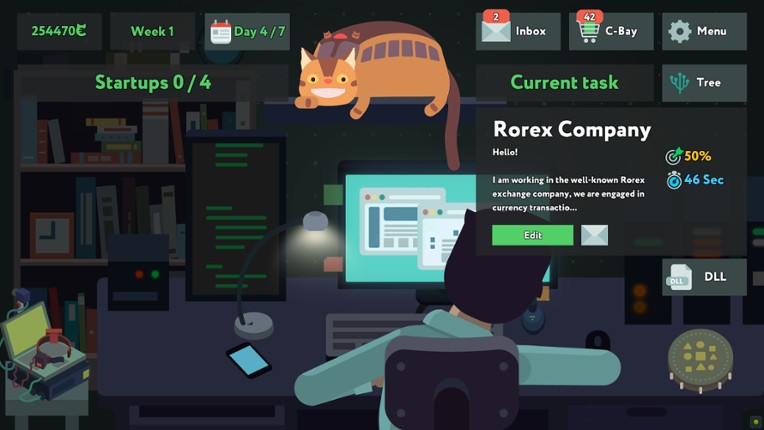
    • “The cat watching you work while secretly being the smartest character in the room is hilarious and oddly motivating.”
    • “It manages to be funny, educational, and mentally challenging all at the same time - which is a rare combination.”
  • music
    96 mentions Positive Neutral Negative

    The game's music is consistently described as relaxing, soothing, and well-suited as a calming background that supports focus without distraction. However, many users note the soundtrack is limited in variety and can become repetitive during extended play, suggesting the addition of more diverse tracks would enhance the experience. Overall, the minimalistic and gentle soundtrack complements the game's atmosphere, puzzles, and aesthetic nicely.

    • “The game has a very good atmosphere, cutting away a lot of the crud and letting you focus on the puzzles with a nice soundtrack to boot.”
    • “The music is soft and unobtrusive, serving as a pleasant background hum that supports focus rather than distraction.”
    • “The music is motivating and doesn't get old after playing it for a while.”
    • “It could have benefited from a broader soundtrack as a puzzle game where you're looking at a relatively static screen for multiple hours.”
    • “The music is repetitive and bland.”
    • “Add to it the atrocious writing (I tell ya my duderinos, they couldn't make me cringe harder if they deliberately tried) and the single goofy song that repeats in a few seconds and you have a 'puzzle game' that's hellbent on insulting your intelligence.”
  • optimization
    76 mentions Positive Neutral Negative

    The game offers engaging optimization puzzles that emphasize efficiency and performance tuning, effectively integrating real-world machine learning concepts in a fun way. However, it suffers from inconsistent and sometimes unintuitive optimization metrics, buggy performance, and significant lag in large simulations, which can undermine the experience. Despite these flaws, it remains a rewarding challenge for players interested in logic, optimization, and problem-solving.

    • “If you enjoy architecture, optimization, and solving performance problems, this one hits.”
    • “As you progress, the puzzles begin to emphasize efficiency and optimization rather than mere functionality.”
    • “Concepts like data classification, pattern recognition, and optimization are woven seamlessly into the puzzles without overwhelming the player.”
    • “A few inconsistencies in how the optimization system measures efficiency can make certain solutions feel unfairly judged, slightly undermining the sense of accomplishment.”
    • “The game is also poorly optimized as it can't handle that many nodes at once before it starts lagging.”
    • “Graphics are in need of serious optimization - framerates crawl and stutter when you have too many objects on screen and moving at once, with a near-zero load on a decent GPU/CPU combo.”
  • grinding
    29 mentions Positive Neutral Negative

    The grinding in this game is widely described as tedious, repetitive, and often unrewarding, with progress relying heavily on trial-and-error and time-consuming optimization rather than meaningful learning. Many players find the machine learning mechanics oversimplified and the gameplay devolving into monotonous tasks, leading to frustration and a sense that time spent grinding lacks satisfying payoff. While some improvements have been noted over time, grinding remains a major point of criticism for its impact on pacing and engagement.

    • “The training process for the ML-driven tools in these puzzles is reduced to a tedious cycle of waiting for an error-rate progress bar before retrying, yet these advanced tools offer no meaningful advantage over the basic algorithms used early on; accuracy is sacrificed for throughput, and the game forces you to use them by constantly moving the goalposts.”
    • “Each different machine learning process is just another tedious act that only increases playtime without actually teaching the player anything.”
    • “Grinding for better gear is acceptable in an RPG, but in a logical puzzle game where you're trying to find the exact optimal solution, it's frustrating to knock your head against a wall only to realize your solution is correct and you simply need to upgrade your processor.”
  • stability
    22 mentions Positive Neutral Negative

    The game suffers from frequent bugs and glitches, including issues with UI, puzzle mechanics, and certain mission functionalities, leading to an overall unpolished and unstable experience. While not entirely broken, these stability problems often hinder gameplay clarity and progression.

    • “The best thing besides the fun, bug-free gameplay and the calming atmosphere: I really, really got interested in ML :)”
    • “The game is still kinda buggy, with the screen very frequently blinking during puzzles, and there is at least one buggy puzzle as well.”
    • “Conclusion: feels very unpolished and buggy.”
    • “I really liked to play this game until it became obvious that the startup performance logic is buggy, making it impossible to scale solutions.”
  • atmosphere
    16 mentions Positive Neutral Negative

    The game's atmosphere is widely praised for being cozy, relaxing, and inviting, enhanced by soothing music and stylish visuals that create a chill and enjoyable environment. It effectively balances a friendly, narrative-driven experience that supports puzzle learning without feeling overwhelming. Overall, the atmosphere contributes significantly to the game's charm and player engagement.

    • “Each contract or project serves as a small narrative milestone, guiding the player through increasingly complex ideas while maintaining a friendly and inviting atmosphere.”
    • “The game has a very good atmosphere, cutting away a lot of the crud and letting you focus on the puzzles with a nice soundtrack to boot.”
    • “The graphic designs and background music give this game a relaxing atmosphere and puzzles are fun and challenging.”
    • “You could change the 'coding' atmosphere with a beach or any arbitrary setting without changing the game fundamentally.”
    • “[i]-atmosphere[2]:[/i] at least they tried.”
  • monetization
    7 mentions Positive Neutral Negative

    The game's monetization is criticized for aggressive in-game ads and misleading marketing that portrays it as an educational machine learning simulator while it is essentially a mobile-style puzzle game. Users feel it is a cash grab with poor execution and excessive advertising, detracting from the overall experience.

    • “"while true: learn()" is a mobile app dumped on Steam as if it were a real PC game (it's not). It's a cash grab from greedy mobile developers. The game misleadingly markets itself as a programming simulator, but it's just a block pathing puzzle game with a 'Node-RED simulator' theme, causing confusion due to its marketing as an educational programming PC game.”
    • “Poor quality, in-game ads for other games, aggressive 'social' features.”
    • “Tries to deliver a promising puzzle game about machine learning, but its execution is mediocre and sometimes filled with intentional advertising.”
  • replayability
    7 mentions Positive Neutral Negative

    Replayability in this game is mixed, with some users noting limited post-game content and a lack of incentive to replay once puzzles are solved, while others appreciate the chance to improve efficiency and explore deeper mechanics. However, unclear explanations and potential frustration for novices may hinder long-term engagement.

    • “11 hours in and I've almost beat the game, but it has great replay value.”
    • “This particular angle could be expanded greatly to give the game much more replayability, but the mechanics would need to be explained a little deeper: just what does make a good startup?”
    • “Will have replay value to go back and try to make your systems more efficient and faster.”
    • “This game lacks the game feel to it, and also has completely no replayability.”
    • “It also has no replayability, since it's a puzzle game; once you figure the puzzles out once, that's it.”
    • “Hardly any post-game content or replay value though.”
  • character development
    2 mentions Positive Neutral Negative

    Character development features cute and fun designs that complement the overall story, though some character designs may be unsettling for animals and young children.

  • emotional
    2 mentions Positive Neutral Negative

    Users found the emotional experience frustrating and discouraging, as the game initially feels accessible but quickly becomes challenging in a way that can make players feel unintelligent and unhelped.

Skip Critic Reviews
Skip Game Offers

Buy while True: learn()

5h Median play time
7h Average play time
3-10h Spent by most gamers
*Based on 9 analyzed playthroughs
Skip Videos

Videos

Skip Games Like while True: learn()
Skip FAQs

Frequently Asked Questions

while True: learn() is a simulation game with kids theme.

while True: learn() is available on Nintendo Switch, PlayStation 4, Steam Deck, iPhone and others.

On average players spend around 7 hours playing while True: learn().

while True: learn() was released on January 17, 2019.

while True: learn() was developed by Luden.io.

while True: learn() has received mostly positive reviews from players and mostly positive reviews from critics. Most players liked while True: learn() for its gameplay but disliked it for its grinding.

while True: learn() is a single player game.

Similar games include Human Resource Machine, 7 Billion Humans, The Farmer Was Replaced, TIS-100, Turing Complete and others.