Tales of the Orient: The Rising Sun

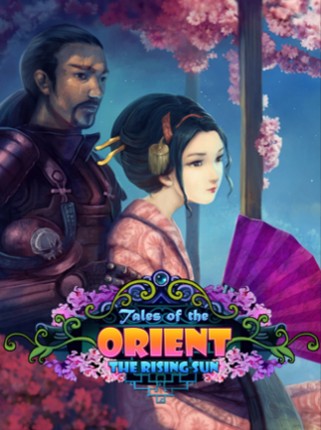
Tales of the Orient: The Rising Sun Game Cover
78%Game Brain Score
gameplay, music
grinding, stability
78% User Score Based on 157 reviews

Platforms

Nintendo SwitchLinuxPCMac OSWindows
Tales of the Orient: The Rising Sun Game Cover

About

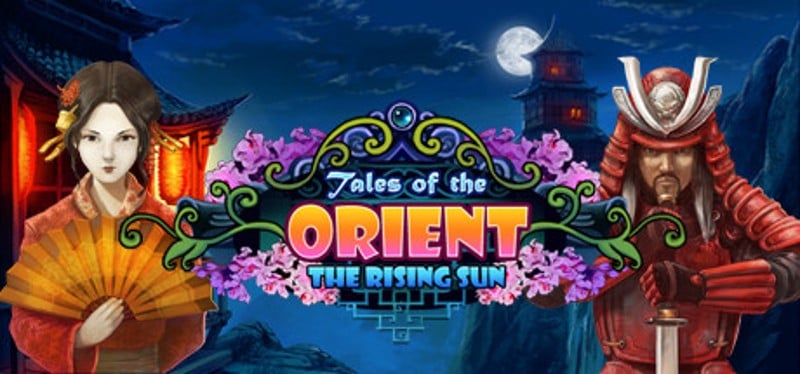
Tales of the Orient: The Rising Sun is a single player casual city builder game with fantasy, anime and historical themes. It was developed by Green Sauce Games and was released on February 27, 2015. It received mostly positive reviews from players.

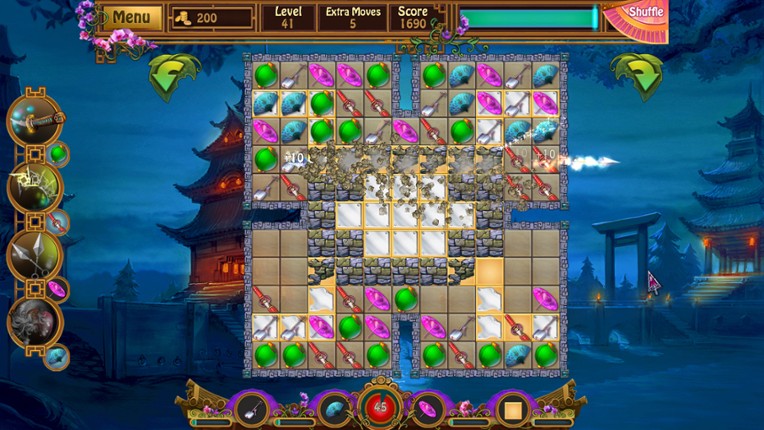
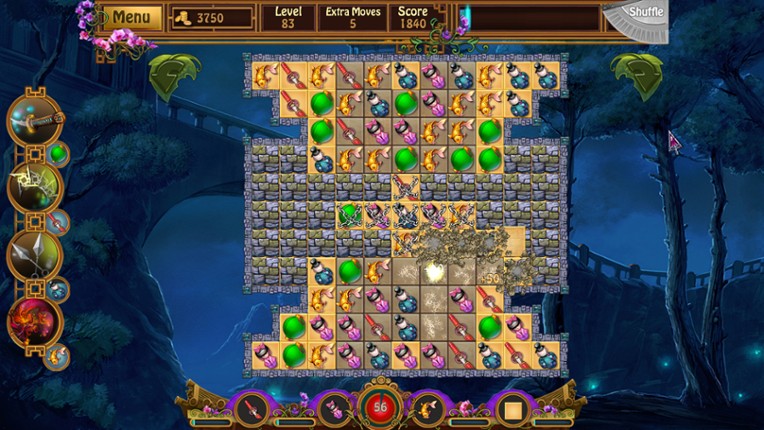
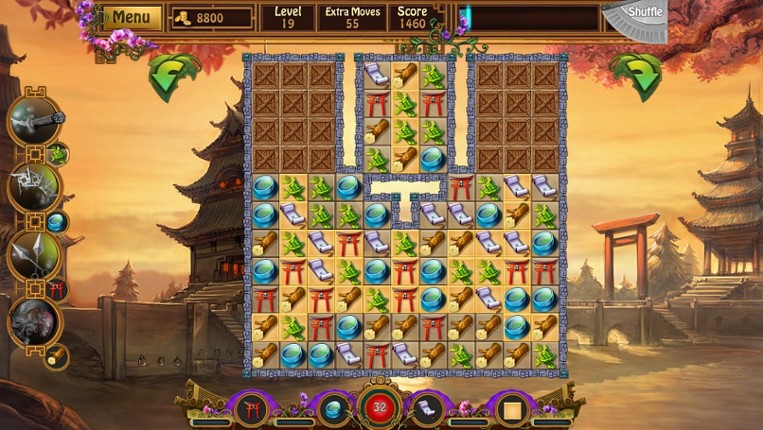
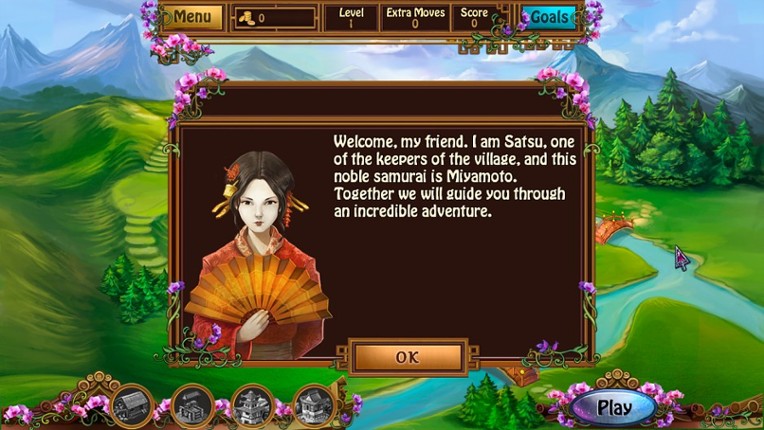
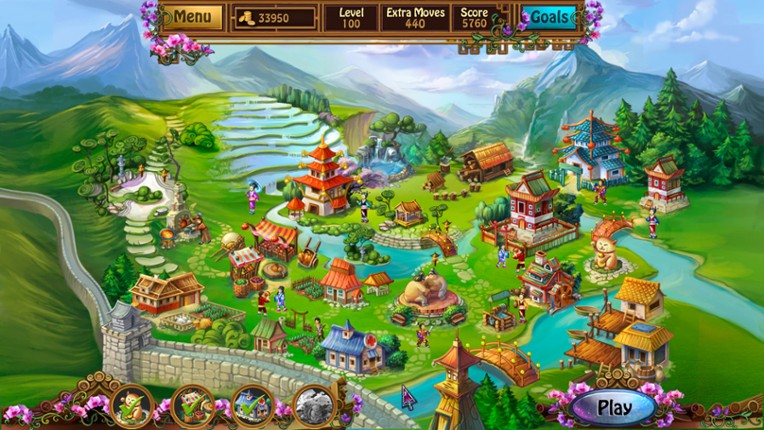
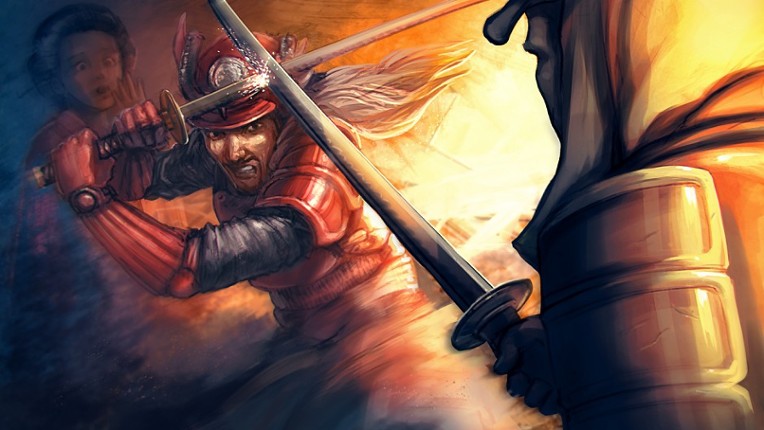
Travel to the Edo period in Japan and help Satsu and Miyamoto in an epic adventure to preserve ancient Japan. Prove your skills in Challenge mode with limited moves. Experience the excitement of building an ancient Japanese village in this engaging Match 3 game.

Skip User Reviews

78%
Audience ScoreBased on 157 reviews
gameplay14 positive mentions
grinding14 negative mentions

  • Offers three distinct match-3 gameplay modes (swap, chain, and pop) that players can choose from each level, increasing variety and replayability.
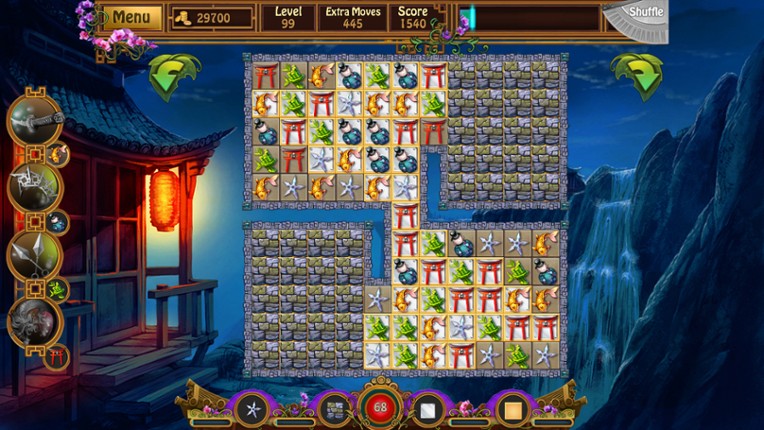
  • Unique board rotation feature allows strategic repositioning and tile refilling, adding depth beyond typical match-3 mechanics.
  • Relaxed mode with unlimited moves makes the game accessible and less frustrating; accompanied by a soothing and well-appreciated soundtrack and attractive art style with traditional Japanese elements.
  • Challenge mode can be overly difficult and slow-paced due to limited moves and reliance on a timed shuffle feature, resulting in tedious gameplay.
  • Story and village-building elements are shallow and largely cosmetic, failing to add meaningful engagement or historical accuracy.
  • Presence of bugs and glitches, including save progress loss, animation issues, achievement problems, and occasional unstable tile behavior, detracts from the experience.
  • gameplay
    49 mentions Positive Neutral Negative

    The gameplay offers a variety of match-3 mechanics including swap, chain, and pop styles across multiple modes, providing casual, relaxing experiences with some unique twists like board rotation and resource-building elements. However, it lacks innovation, can feel mechanically repetitive, and suffers from some glitches and uninspired visuals that reduce the overall enjoyment and sense of reward. Fans of casual match-3 games may appreciate its variety and soundtrack, but those seeking deeper gameplay or polished mechanics might find it underwhelming.

    • “The graphics and puzzle mechanics are very impressive; they can be played through match-3, chain, or block formats - in relaxed or challenge modes.”
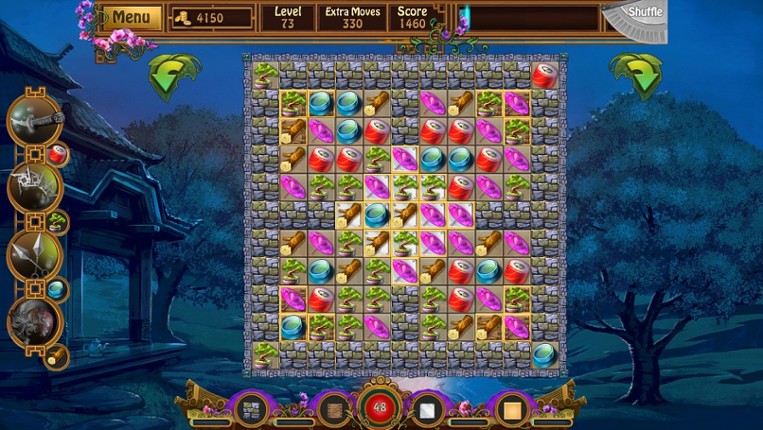
    • “At the start of each of the 100 levels, you are given an additional layer of customizability: choosing your preferred clear mechanic - swap, chain, or pop. Swap is the traditional Bejeweled-style gameplay, where you form rows or columns of 3-5 symbols by trading adjacent tiles.”
    • “Once you adjust to the audiovisuals you will find some flexibility in the rotating board mechanic and the ability to pick the mechanic flavor between popping connected tiles by a simple clicker action.”
    • “The match-3 mechanics are broken. Playing with the swap option (this game lets the player choose between swap, pop and link styles of gameplay for each level), the matches you create sometimes don't disappear fully or are replaced on the spot instead of filling the empty slots from the top as intended.”
    • “The problem with this game is that it borrows mechanics from nearly every other popular match-3 game and it doesn't work out well.”
    • “Gameplay is bad for a match-3.”
  • music
    46 mentions Positive Neutral Negative

    The game's music is widely praised for its relaxing, traditional Japanese-inspired soundtrack that effectively complements the visuals and mood. While some note the limited variety and occasional repetitiveness, the overall sound design is considered excellent and a key highlight that enhances the gameplay experience.

    • “This game, in which the historical context is bananas, is basically a mix of match 3 (with 3 ways to play it, only one that is beatable) with a good level design, glorious, fantastic sound design (though the music did not deserve that low bitrate) and just enough to make you go through its 100 levels or anything goes.”
    • “The music was relaxing and I ended up getting some of the tunes stuck in my head.”
    • “I want to point out that the music for this game is absolutely fantastic.”
    • “The background music gets boring after a while.”
    • “_ game about Japanese, music sounds like Chinese.”
    • “Though they have a small selection/library of music they cycle through, it's still very calming to listen to, and feels very culturally true to Japan.”
  • story
    45 mentions Positive Neutral Negative

    The story in this match-3 game is simple and lightweight, centered around rebuilding a village in post-war Edo-period Japan under the guidance of a geisha and samurai. While it adds some thematic context and progression through village-building, many find the narrative minimal, occasionally buggy, and not deeply impactful on gameplay. Overall, it serves as a basic, culturally themed backdrop rather than a richly developed or complex storyline.

    • “Story is simple, you have to help geisha and samurai with rebuilding a destroyed village and protecting its citizens.”
    • “There's a beautiful storyline to it, to keep it changing, exciting and have you eager to play more and more.”
    • “The story line consists of building up a village, each building you complete gives you extra moves to use when you want to.”
    • “Story-wise rather weak, final cutscene buggy, no audio or text was displayed for me.”
    • “The story and town building is irrelevant in my opinion as you only click on purchase once you have the gold and the building simply appears on the landscape.”
    • “The story is bare bones, but they keep it interesting by having you purchase buildings for your village.”
  • graphics
    34 mentions Positive Neutral Negative

    The graphics are widely praised for their beautiful, traditional Japanese-inspired artwork and pleasant, relaxing visuals that enhance the gameplay experience. While some find the designs cute and charming, others note the simplicity of the graphics and occasional UI issues, but overall, the visuals are engaging and complement the game's soothing atmosphere.

    • “The artwork and graphics are fantastic to say the least; you can just sit there and adore the amazing visuals while playing.”
    • “The artworks for that game are absolutely gorgeous, some of the most beautiful pictures I've had the pleasure to see in a videogame.”
    • “The graphics in this game are beautiful and they depict the traditional Japanese style very well.”
    • “It satisfies itself with copying the mechanics of a few other popular match-3 games, doesn't add anything new, the sprites are terrible (there's a reason most match-3 games use plain, simple and well-differentiated graphics for their jewels/tiles: if they're readable, they don't get in the way of your actual matching prowess), and there just isn't any feeling of 'power' when you match a large amount of tiles at the same time.”
    • “I didn't enjoy the graphics; the UI is shoddy work with too many unskippable delays that do not belong there.”
    • “Let's face it, you're probably not playing this game for the cutting edge graphics, so what do you expect?!”
  • grinding
    14 mentions Positive Neutral Negative

    The game is notably grind-heavy, with many players finding the repeated gameplay and lengthy achievement requirements tedious and monotonous. While a relaxed mode offering unlimited moves helps ease the grind, the overall experience can feel slow, repetitive, and lacking in engaging variety. Grinding, especially toward the later achievements, detracts significantly from the game's enjoyment.

    • “This is one grindy match 3, that I've played only for those easy 16 achievements, but now that I've lost all progress I will not attempt to lose another 15 hours of my life in this game.”
    • “And once you're done the 100 levels, the last achievement feels entirely like grinding for the sake of getting it.”
    • “Whereas this game is about 25 hours and half of it is grinding.”
  • stability
    4 mentions Positive Neutral Negative

    The game suffers from numerous bugs and glitches, including issues with cutscenes and missing audio or text, leading to a generally unstable and unfinished experience. Due to these stability problems, it is difficult to recommend unless purchased on sale.

    • “Don't waste your money on this unfinished, buggy product!”
    • “Story-wise rather weak, final cutscene buggy, no audio or text was displayed for me.”
    • “After all, my problem with the game is that it is so average (and not a trustworthy kind of average game) due to the constant glitches and bugs that I cannot recommend it - though if you want to play it, get it, preferably on a sale.”
  • monetization
    2 mentions Positive Neutral Negative

    Users appreciate that this game avoids the common microtransaction-heavy model typical of match-3 games, offering a more enjoyable experience without paywalls. The absence of intrusive monetization is seen as a positive aspect.

  • replayability
    2 mentions Positive Neutral Negative

    The game offers tremendous replayability through its engaging RPG elements and match-3 gameplay. Its high customizability, well-paced design, and rich content contribute to a lasting and enjoyable experience.

    • “Puzzle Quest, where the RPG elements generate tremendous replayability.”
    • “Overall, this match-3 game is highly customizable, well-paced, has a wealth of replay value, and contains an awesome soundtrack, making it one of the top in the genre.”
  • atmosphere
    1 mentions Positive Neutral Negative

    The atmosphere is praised for its vibrant, colorful visuals and a relaxing musical soundtrack that effectively enhances the overall mood.

    • “Visuals are nicely colorful and the music sets the right relaxing atmosphere.”
  • emotional
    1 mentions Positive Neutral Negative

    The emotional aspect is not directly addressed in the user texts; instead, the focus is on gameplay mode choices, which may influence player engagement and satisfaction.

Skip Game Offers

Buy Tales of the Orient: The Rising Sun

10h Median play time
8h Average play time
5-13h Spent by most gamers
*Based on 7 analyzed playthroughs
Skip Videos

Videos

Skip Games Like Tales of the Orient: The Rising Sun
Skip FAQs

Frequently Asked Questions

Tales of the Orient: The Rising Sun is a casual city builder game with fantasy, anime and historical themes.

Tales of the Orient: The Rising Sun is available on Nintendo Switch, PC, Mac OS, Windows and others.

On average players spend around 8 hours playing Tales of the Orient: The Rising Sun.

Tales of the Orient: The Rising Sun was released on February 27, 2015.

Tales of the Orient: The Rising Sun was developed by Green Sauce Games.

Tales of the Orient: The Rising Sun has received mostly positive reviews from players. Most players liked Tales of the Orient: The Rising Sun for its gameplay but disliked it for its grinding.

Tales of the Orient: The Rising Sun is a single player game.

Similar games include 4 Elements, Spooky Bonus, Intergalactic Bubbles, 7 Wonders: Ancient Alien Makeover, PuzzleQuest: Challenge of the Warlords and others.