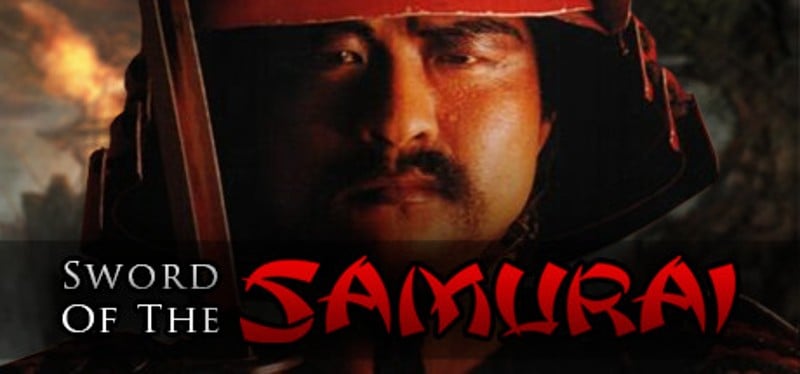
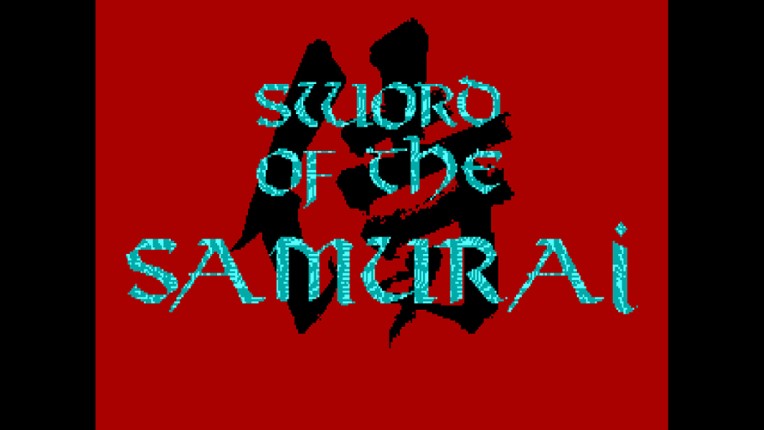
Sword of the Samurai

Sword of the Samurai Game Cover
95%Game Brain Score
graphics, gameplay
story, grinding
95% User Score Based on 107 reviews

Platforms

LinuxPCMac OSWindows
Sword of the Samurai Game Cover

About

Sword of the Samurai is a single player simulation game. It was developed by MicroProse Software, Inc and was released on October 16, 2014. It received overwhelmingly positive reviews from players.

"Sword of the Samurai" is a role-playing, action-adventure game set in feudal Japan, where you play as a samurai striving for honor and power. Experience real-time battles, duels, and strategic decision-making, as you aim to unify the country under your rule. With customizable difficulty levels and engaging computer-controlled opponents, the game offers a challenging and immersive experience.

Genres & Tags
Play Modes
Skip User Reviews

95%
Audience ScoreBased on 107 reviews
graphics6 positive mentions
grinding2 negative mentions

  • The game offers a deep and immersive experience set in the Sengoku period of Japan, allowing players to engage in various strategies, including diplomacy, espionage, and combat.
  • Players can enjoy a variety of gameplay styles, including role-playing, real-time strategy, and sword fighting, providing a rich and engaging experience.
  • Despite its age, the game has high replayability and offers a unique blend of mechanics that many modern games still struggle to replicate.
  • The controls are clunky and unintuitive, making it difficult for new players to learn how to play without external resources or manuals.
  • The graphics and sound are outdated, which may deter players who are accustomed to modern gaming standards.
  • There are some bugs and limitations in gameplay, such as AI issues and a lack of depth in certain game mechanics, which can lead to a frustrating experience.
  • graphics
    28 mentions Positive Neutral Negative

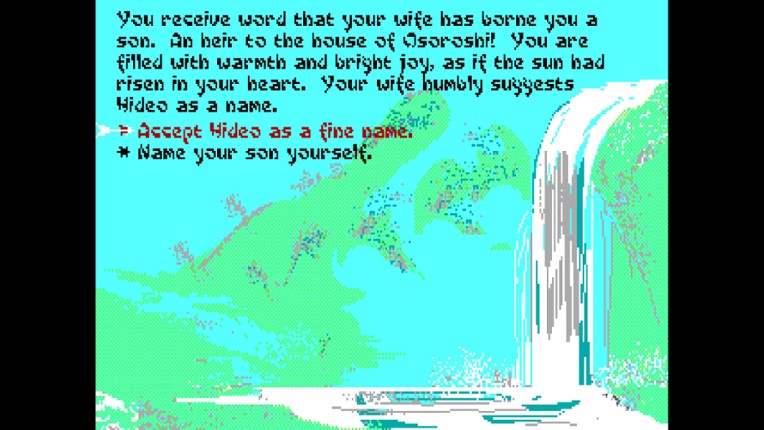
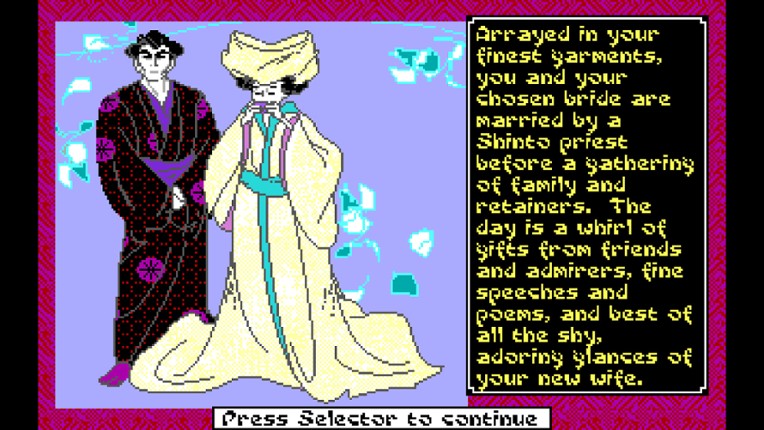
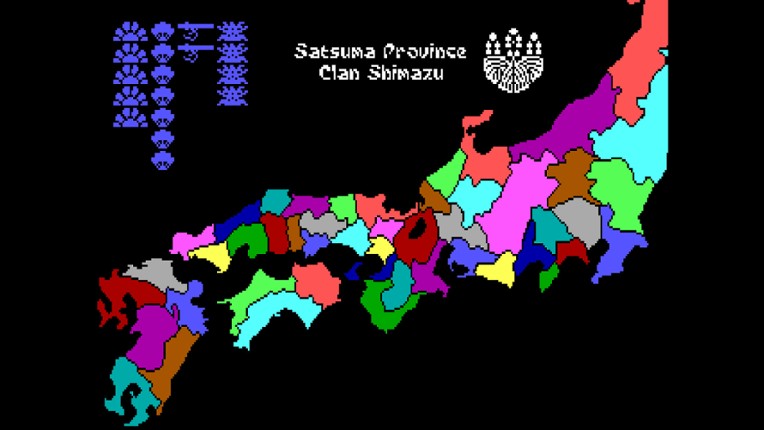
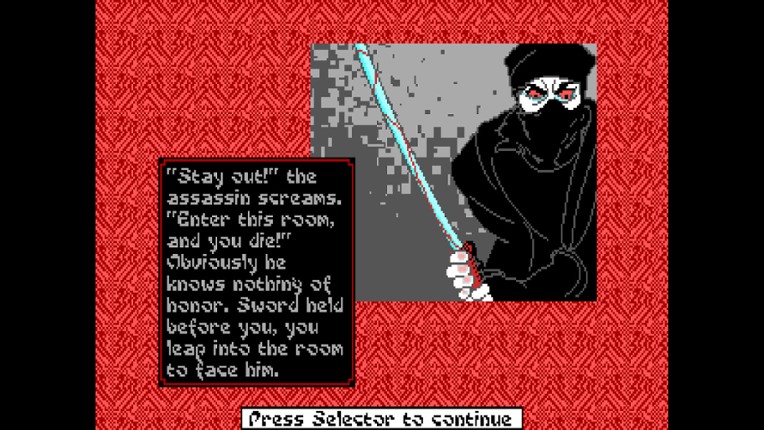
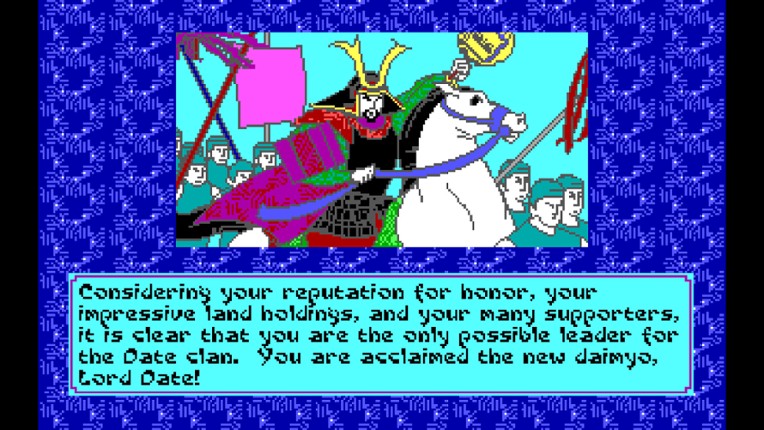
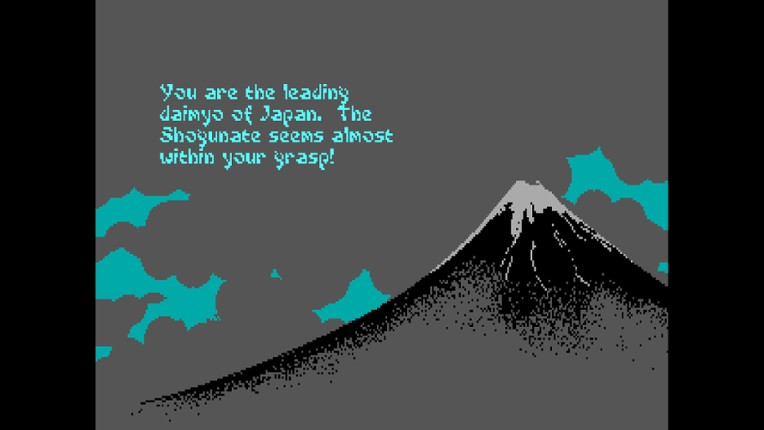
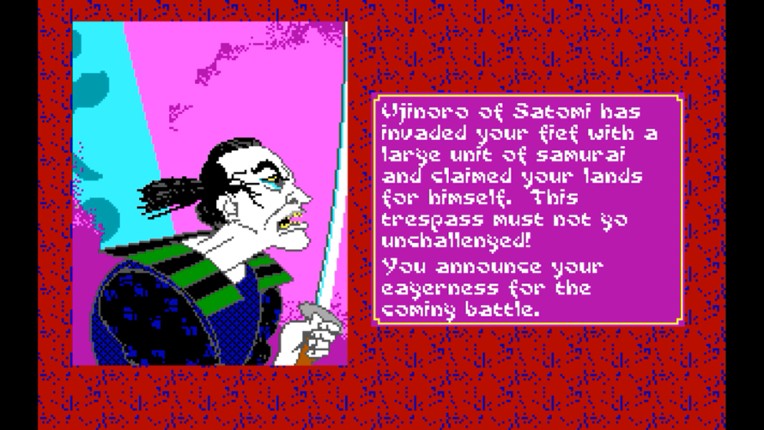
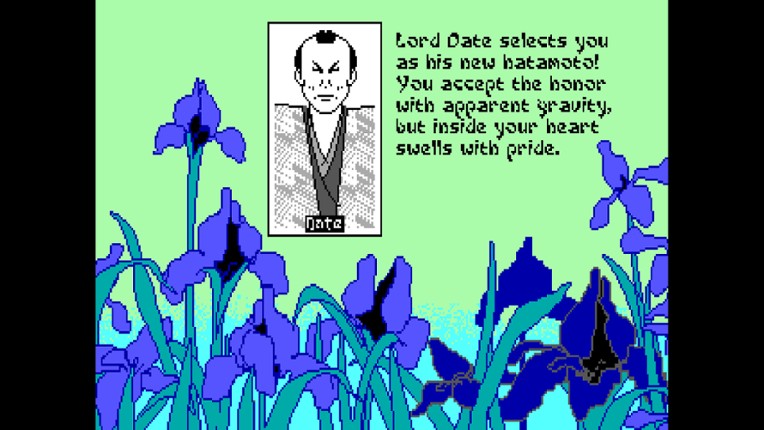
    The graphics of the game are widely regarded as outdated, reminiscent of early 80s and 90s styles such as EGA/VGA and CGA, which may deter some players. However, many reviewers appreciate the nostalgic charm and immersive experience it offers, suggesting that the graphics serve more as a backdrop to the engaging gameplay and historical narrative. Overall, while the visuals may not meet modern standards, they do not significantly detract from the game's enjoyment for those who value gameplay over graphical fidelity.

    • “Game is fantastic, keeps it kind of real to history, but at least it doesn't go haywire. I love the graphics; I love old stuff like this. Brings back the old days. Great game, definitely a buy.”
    • “Despite old graphics and rudimentary sound, it somehow manages to immerse you in its fascinating world, as you anxiously think of your next move.”
    • “The ancient graphics hardly distract from the incredibly solid mechanics, especially since retro pixel style is all the rage these days.”
    • “The graphics are very dated.”
    • “Despite the obviously outdated mechanics, controls and graphics, it still gives you an immersive experience in the Sengoku period in Japan.”
    • “It's pre-mouse era with graphics about NES level.”
  • gameplay
    16 mentions Positive Neutral Negative

    The gameplay is praised for its depth and variety, offering an immersive experience set in Japan's Sengoku period, despite some outdated mechanics and controls. Players enjoy the fun, cause-and-effect choices and the blend of different gameplay styles, though new players may need to familiarize themselves with the controls. While the graphics are considered retro, they do not detract from the solid mechanics, although some players note a lack of honorable options for resource acquisition.

    • “This game is amazing, super deep gameplay with lots of variety.”
    • “Gameplay: fun gameplay with cause and effect choices to make.”
    • “Gameplay is good and has enough variety to not become too repetitive since every game stage adds certain flavor.”
    • “Despite the obviously outdated mechanics, controls, and graphics, it still gives you an immersive experience in the Sengoku period in Japan.”
    • “The controls were an issue at first, as all of these styles of gameplay require different button inputs.”
    • “The one major gameplay flaw I've found is there's not really any honorable way to increase your rice income except for military conquest of foreign lands, but you need rice income to recruit soldiers to participate in campaigns.”
  • story
    15 mentions Positive Neutral Negative

    The game's story offers players immense freedom to craft their own narratives set in 16th century Japan during a tumultuous period of civil war, allowing for a variety of missions ranging from stealthy assassinations to large-scale conquests. While the graphics and music may feel dated, the immersive experience and the progression from a lowly samurai to a powerful daimyo provide a compelling backdrop for personal storytelling and strategic gameplay. Overall, the blend of action, honor quests, and political maneuvering creates a rich and engaging narrative landscape.

    • “The possibilities are truly endless, and the story can get as challenging as you want it to become.”
    • “It's a period of violent civil war and chaotic sociopolitical shifts, so there's plenty of room for you to carve out an interesting story all your own.”
    • “Take a quest to save a noble's daughter, storm an outlaw fortress, and single-handedly kill every bandit on the island, ending with a Mike Tyson punch-out style sword fight where only one man will walk away; you have now gained one point of fame, 99 to go till you rule all of Japan.”
    • “I can't exactly say it's aged particularly well (just look at that color palette!), but it's an interesting concept—perhaps akin to what we now call 'immersive sims.' You're basically let loose in 16th century Japan and have almost total freedom to create whatever kind of story you want.”
    • “Take a quest to save a noble's daughter, storm an outlaw fortress, and single-handedly kill every bandit on the island, ending with a Mike Tyson-style sword fight where only one man will walk away; you have now gained one point of fame, 99 to go till you rule all of Japan.”
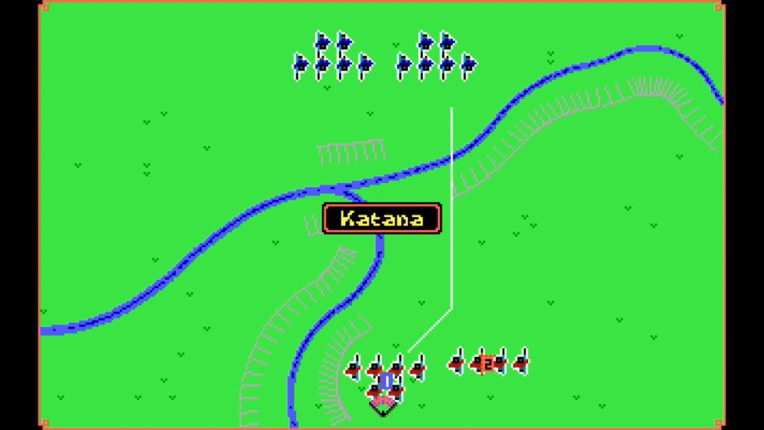
    • “You start out as a lowly samurai doing jobs for your daimyo (fighting in top-down Zelda-style battles, battling in one-on-one sword duels, and even going on assassination missions) until you're promoted to daimyo yourself, at which point it becomes more of a strategy game where you have to birth heirs (or face game over with your death) and slowly start conquering every province of Japan until you can claim yourself emperor in one giant RTS battle.”
  • replayability
    6 mentions Positive Neutral Negative

    The game is widely praised for its high replayability, with users highlighting its atmospheric design and engaging gameplay that encourages multiple playthroughs. Many reviewers note that the combination of depth and simplicity contributes to an entertaining experience that remains interesting over time.

    • “A great game that has endless replayability with a deep but outwardly simple design.”
    • “But the experience is very entertaining, and there is a lot of replay value.”
    • “It's replayable, it's interesting, and it's also really fun.”
  • music
    4 mentions Positive Neutral Negative

    The music in the game has received mixed reviews, with some praising its retro charm and effective use of traditional Japanese instruments like the shamisen, while others criticize it for being outdated and cheesy. Overall, the soundtrack is noted for enhancing the game's feudal Japanese atmosphere, despite some players finding it lacking in originality.

    • “The ukiyo-e styled artwork and shamisen MIDI music is so good it's bad retro.”
    • “The game itself is steeped in Japanese imagery and music, and bows low to feudal Japan's system of honor and caste.”
    • “Good soundtrack.”
  • humor
    2 mentions Positive Neutral Negative

    The humor in the game is highlighted as a standout feature, with players finding the writing to be genuinely hilarious and filled with surprises based on their choices. Despite some criticisms regarding graphics, the comedic elements contribute significantly to the overall enjoyment of the game.

    • “There are also surprises depending on your choices; the writing is quite hilarious as well.”
    • “Lol, it's rather funny, but I still love the game and feel it deserves a full-fledged remake with a brand new GUI and some halfway decent graphics.”
  • grinding
    2 mentions Positive Neutral Negative

    Players find the grinding aspect of the game to be tedious, particularly during final boss fights, which can feel frustrating. Many initially believe that grinding is the sole method for leveling up, as progression typically occurs through defeating more powerful enemies.

    • “The final boss fights can be tedious and annoying, but how else do you simulate a sword fight on such restrictive hardware?”
    • “For my first playthrough, I thought that grinding was the only way to rank up, and ranking up usually only happens when the higher power dies.”
  • atmosphere
    1 mentions Positive Neutral Negative

    The atmosphere of the game is highly praised for its immersive qualities, contributing to a compelling and replayable experience.

    • “The game creates an incredibly immersive atmosphere that draws you in.”
    • “Every detail contributes to a hauntingly beautiful atmosphere that lingers long after playing.”
    • “The atmosphere is rich and evocative, making every moment feel significant.”
  • optimization
    1 mentions Positive Neutral Negative

    The game has been optimized for modern systems, allowing for seamless play directly from Windows with improved sound direction, enhancing the overall user experience compared to its original DOS version.

    • “I played it originally on DOS and then DOSBox; this version allows play straight from Windows with optimized sound directions.”
    • “The game suffers from severe optimization issues, making it nearly unplayable on lower-end systems.”
    • “Despite the interesting gameplay, the lack of optimization leads to frequent frame drops and stuttering.”
    • “The optimization is so poor that even high-end PCs struggle to maintain a stable frame rate.”
Skip Game Offers

Buy Sword of the Samurai

Skip Videos

Videos

Skip Games Like Sword of the Samurai
Games Like Sword of the Samurai

Sword of the Samurai Image
Total War: Shogun 2 Image
Mount & Blade: Warband Image
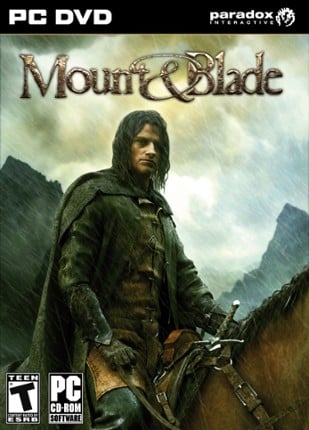
Mount & Blade Image
MASSIVE CHALICE Image
Skip FAQs

Frequently Asked Questions

Sword of the Samurai is a simulation game.

Sword of the Samurai is available on PC, Mac OS, Windows and Linux.

Sword of the Samurai was released on October 16, 2014.

Sword of the Samurai was developed by MicroProse Software, Inc.
Sword of the Samurai has received overwhelmingly positive reviews from players. Most players liked this game for its graphics but disliked it for its story.

Sword of the Samurai is a single player game.

Similar games include Sword of the Samurai, Total War: Shogun 2, Mount & Blade: Warband, Mount & Blade, MASSIVE CHALICE and others.