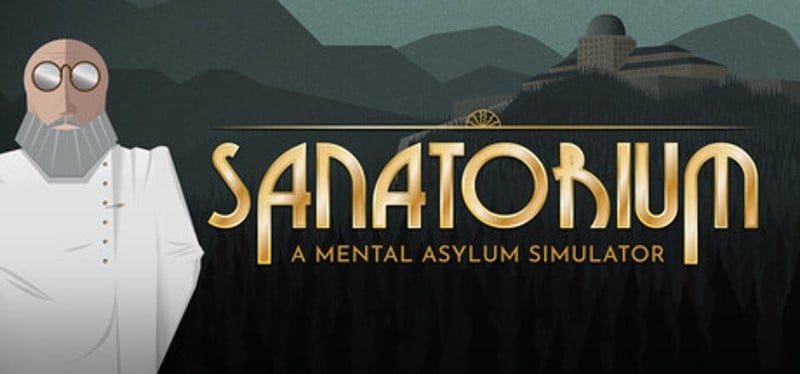
Sanatorium: A Mental Asylum Simulator Game Cover

About Sanatorium: A Mental Asylum Simulator

Sanatorium: A Mental Asylum Simulator is a single player simulation game with mystery, thriller, historical and business themes. It was developed by Zeitglas and was released on November 6, 2025. It received mostly positive reviews from players.

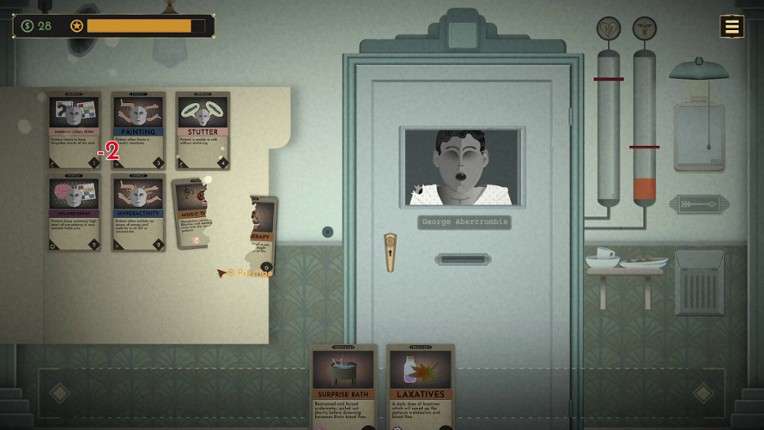
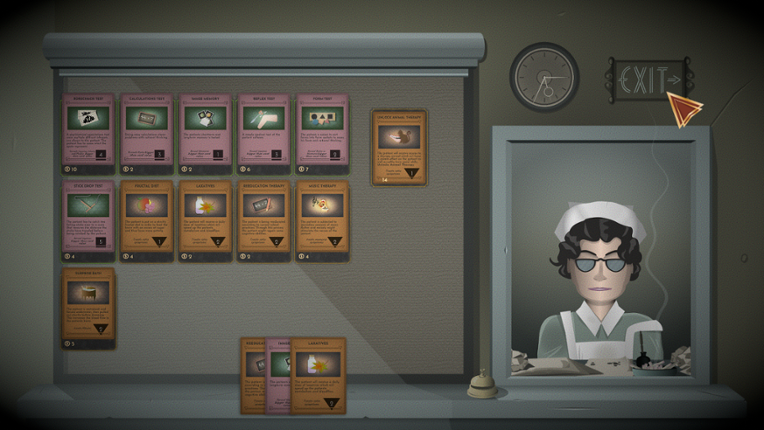
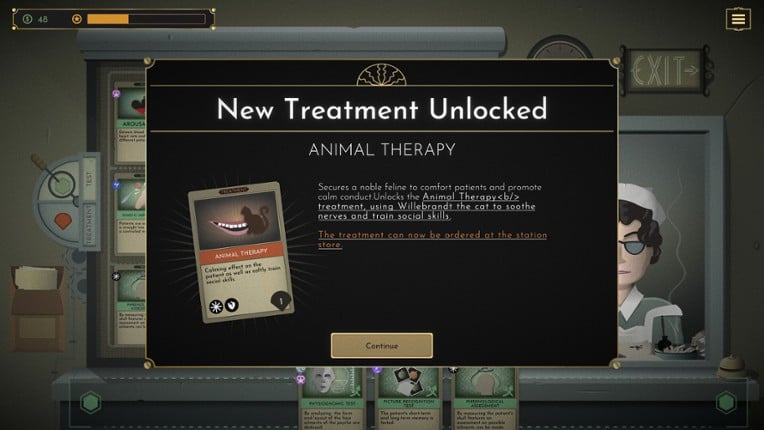
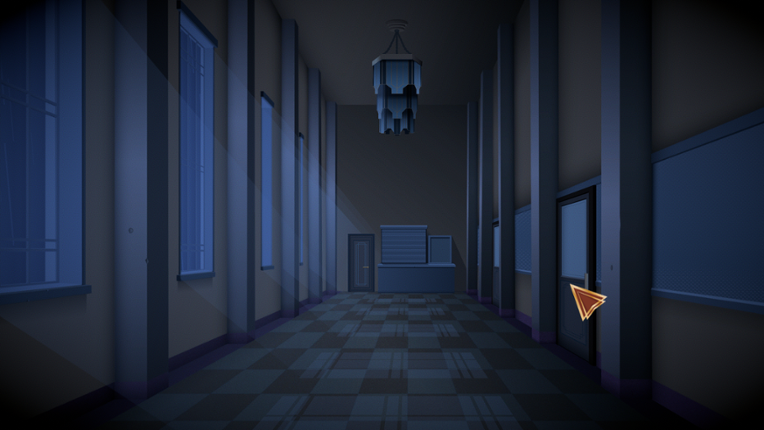
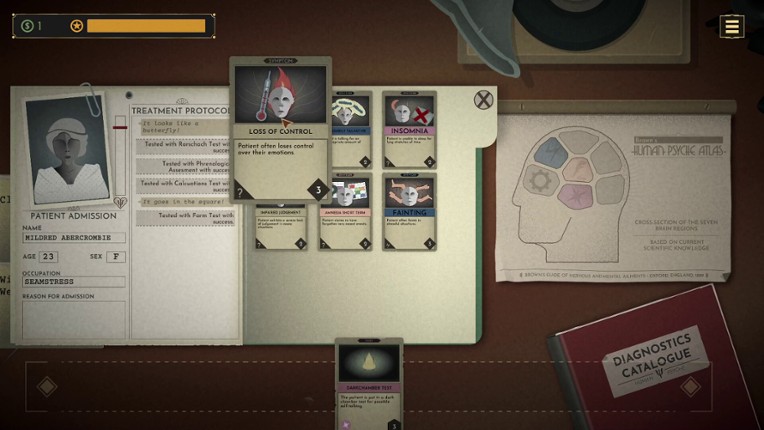
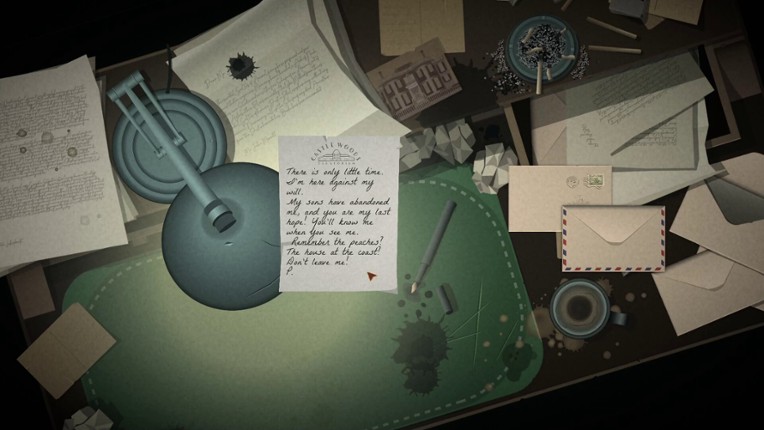
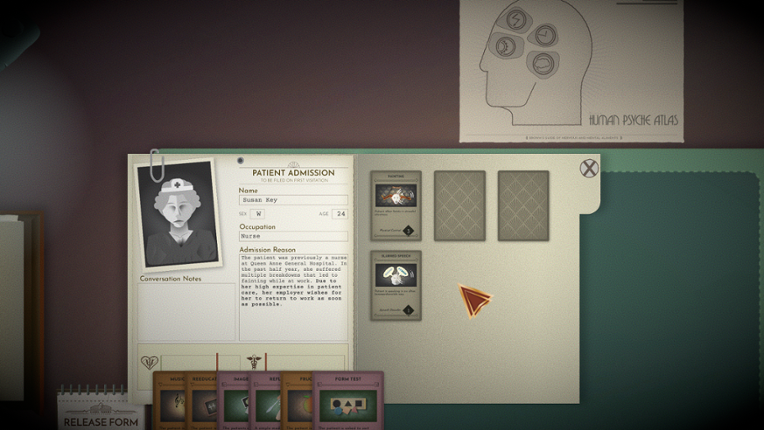
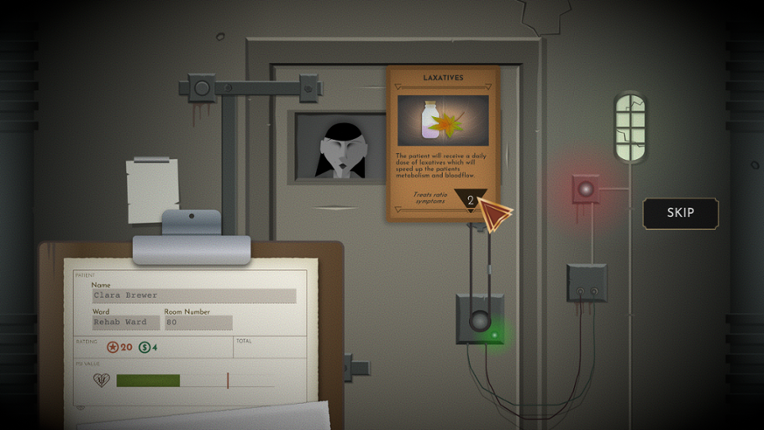
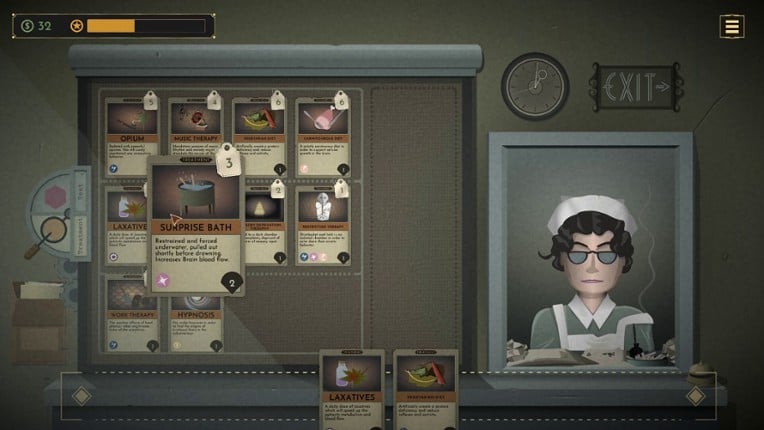
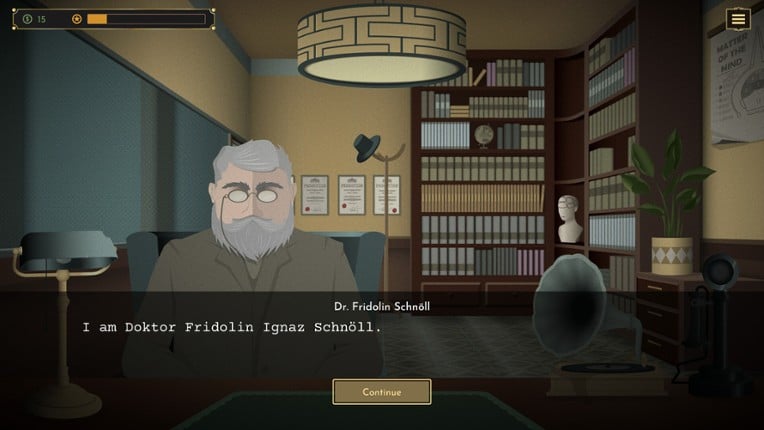
Set in a fictionalized version of the 1920s where the lines between modern psychiatric treatment and pseudoscience are still muddy at best. Sanatorium is a 2D card-based workplace adventure where the player has to test, diagnose and treat patients. At its core, Sanatorium is a comment on the turbulent history of the practices and pseudoscience used to stigmatize mental illnesses.

Skip Games Like Sanatorium: A Mental Asylum Simulator
Games Like Sanatorium: A Mental Asylum Simulator

Looking for games like Sanatorium: A Mental Asylum Simulator? Here are top simulation recommendations with a mystery, thriller, historical and business focus, selected from player-similarity data — start with Mind Scanners, Do Not Feed the Monkeys or Beholder 3.

Skip User Reviews

Reviews

69%Audience ScoreBased on 147 reviews
gameplay12 positive mentions
stability17 negative mentions

  • Unique and immersive premise with a 1920s mental asylum setting featuring a distinctive art deco style and atmospheric jazz soundtrack.
  • Engaging gameplay loop combining card-based diagnosis and treatment management with morally complex decisions and a narrative that handles sensitive themes thoughtfully.
  • Strong emotional and psychological impact, providing a challenging puzzle and strategy experience that encourages careful thinking and note-taking.
  • Numerous bugs and technical issues, including game-breaking bugs, freezing, softlocks, and save system limitations that severely hamper the gameplay experience.
  • Gameplay mechanics are often confusing and unintuitive, with restriction on viewing patient information during treatment selection leading to frustrating trial-and-error and memory reliance.
  • Repetitive pacing and interface problems, including small text, clunky UI, and long unskippable transitions that cause frustration and reduce enjoyment.
  • gameplay

    48 mentions Positive Neutral Negative
    25% positive mentions, 69% neutral mentions, 6% negative mentions

    The gameplay is centered around a card-based system of diagnosing and treating patients, creating a unique blend of management strategy and psychological storytelling that offers emotional depth and meaningful consequences. While many find the core loop engaging and intellectually stimulating, others criticize it for buggy execution, confusing mechanics, forced restrictions, and repetitive, tedious pacing. Overall, the gameplay shines with its innovative concept and narrative integration, but its enjoyment depends heavily on player patience and tolerance for technical issues.

    • “The core gameplay idea of treating the patients, figuring out diagnoses and treatments is great.”
    • “The gameplay revolves around diagnosing and treating patients through a card-based system that gradually becomes more complex as the story progresses.”
    • “The constant pressure of balancing ethics, survival, and institutional control gives the gameplay a unique intensity that stays with players long after the campaign ends.”
    • “The game design and code is a trainwreck – horrible and repetitive gameplay; more bugs than actual working features (including a series of game breaking ones); full of nonsensical and nonintuitive fluff; quality of life hell.”
    • “Buggy game with confusing and repetitive gameplay, not recommended.”
    • “The core gameplay loop is almost entirely built around something that I typically consider to be a flaw in any other game - making decisions based on information you should have access to, but don't at that moment because of arbitrary restrictions.”
  • story

    39 mentions Positive Neutral Negative
    18% positive mentions, 74% neutral mentions, 8% negative mentions

    The story is compelling and thoughtfully explores themes like institutional corruption, mental illness, and personal morality through patient and staff narratives, enhanced by a cold, immersive atmosphere. Players appreciate the integration of gameplay choices with narrative, though some find the pacing slow and text-heavy, and several note significant bugs and incomplete triggers that hinder story progression. Overall, the story offers emotional depth and historical insight but is occasionally marred by technical issues and inconsistent delivery.

    • “The story explores institutional corruption, mental illness, political influence, and personal morality through patient stories and staff interactions, avoiding pure shock value.”
    • “Choices feel organic – decisions show up in ways that make sense for the story, helping it flow without feeling forced.”
    • “The story has teeth and handles sensitive topics surprisingly respectfully for the time period it's portraying.”
    • “I have unfortunately run into a game-breaking bug in ward 2 that won't let me progress any further in the story.”
    • “In addition, some story elements just don't come into play well, regardless of my ability to interact with them (due to bugged inventory). There's a whole scene I missed in my second runthrough of section 1 for no reason that I could discern—the event just didn't happen.”
    • “Most of the game feels buggy and unpolished, some portions lack explanation, and the overarching plot just isn't interesting enough to distract from the unenjoyable gameplay.”
  • graphics

    21 mentions Positive Neutral Negative
    29% positive mentions, 57% neutral mentions, 14% negative mentions

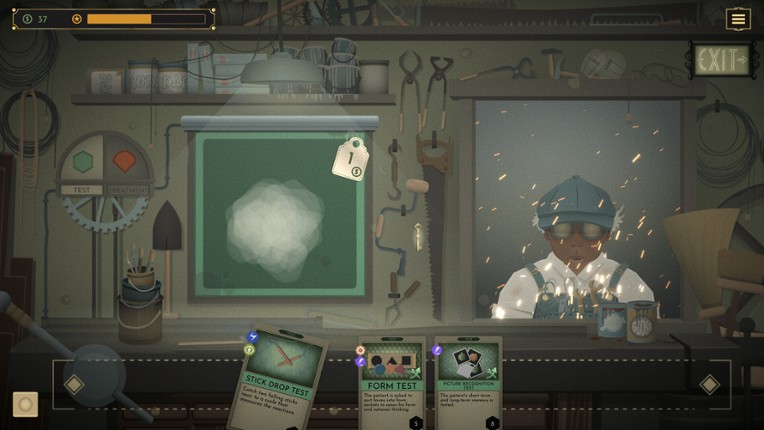
    The game features a distinctive, art deco-inspired 2D cubism art style that effectively establishes a moody and immersive atmosphere. While not relying on advanced graphics, its attention to color, lighting, and environmental detail enhances the experience and complements the game's unique setting and themes. Overall, the graphics are widely praised for their beauty, period-appropriateness, and strong stylistic impact.

    • “The visual design may not rely on advanced graphics, but it uses color, lighting, and environmental details effectively to establish mood.”
    • “I remember this game stands out to me when I was looking for asylum video games because it is not a realistic 3D horror game; it's a 2D cubism art style made using Adobe Illustrator.”
    • “I remember this game stands out to me when I was looking for asylum video games because, one, it is not a realistic 3D horror game; it's a 2D cubism art style made using Adobe Illustrator.”
    • “The noise effect graphics are charming and dark.”
    • “The visuals brought me in as it has this art deco, almost like Batman: The Animated Series vibes to it.”
  • stability

    17 mentions Positive Neutral Negative
    0% positive mentions, 0% neutral mentions, 100% negative mentions

    The game is plagued by numerous bugs, freezes, and crashes that significantly hinder gameplay and progression, making it frustrating and unplayable in its current state. Although the concept shows promise, the lack of polish and frequent technical issues negatively impact the overall experience.

    • “Day 4, 5 and 6, I have to revert to main menu and lose what I bought because it freezes up to the point of being unplayable.”
    • “Has great potential but is very buggy - cannot pass campaign in ward 2 due to a bug where Bertram says he'll give me a transfer card but never does; he gave it in the first playthrough but not in the second.”
    • “Unfortunately, no matter how many times I've restarted this game, I get to the end of ward 1, day 3 and it simply freezes.”
  • atmosphere

    11 mentions Positive Neutral Negative
    18% positive mentions, 55% neutral mentions, 27% negative mentions

    The atmosphere is widely praised for its oppressive, grim, and immersive qualities, effectively reinforcing the game's dark and morally complex themes through its design and narrative. While some sequences used to build atmosphere can become repetitive, the unique premise, historical setting, and art style create a strong, emotionally engaging experience that sets the game apart from typical simulations.

    • “Sanatorium – a mental asylum simulator is a management game that immediately separates itself from most titles in the genre through its oppressive atmosphere and morally uncomfortable themes.”
    • “For players who enjoy dark management games, morally complex narratives, and strategy experiences with strong atmosphere, Sanatorium offers something genuinely different from the standard simulation formula.”
    • “So many of the sequences that build atmosphere, like the slow pan before the 'treatment' phase, get boring when you have to go through them again and again like this.”
    • “The game deliberately explores disturbing historical practices involving mental health treatment and institutional abuse, and it rarely offers emotional relief from its grim atmosphere.”
    • “While I love the atmosphere and premise, I can't recommend this one at all.”
  • emotional

    10 mentions Positive Neutral Negative
    100% positive mentions, 0% neutral mentions, 0% negative mentions

    The game delivers a deeply emotional experience by creating a cold, isolating atmosphere that reflects its dark themes, with patient stories adding layers of tragic engagement. Its psychological storytelling and soundtrack enhance tension, making the emotional weight heavier than typical simulations. Though often unsettling and emotionally exhausting due to morally challenging scenarios, this emotional discomfort contributes to a memorable and evocative experience.

    • “The sanatorium itself feels cold, isolated, and emotionally draining in a way that perfectly matches the themes of the story.”
    • “Many of the patients feel tragic rather than monstrous, and learning about their histories gradually becomes one of the most emotionally engaging parts of the game.”
    • “This combination of management gameplay and psychological storytelling gives the experience far more emotional weight than most simulation games.”
  • music

    9 mentions Positive Neutral Negative
    22% positive mentions, 45% neutral mentions, 33% negative mentions

    The music features a beautiful, jazz-inspired soundtrack that effectively enhances the game's atmosphere by shifting between ambient, haunting tones and lighter jazz vibes. It skillfully supports both the psychological tension and the charming, dynamic gameplay, making the overall experience immersive and thematically cohesive.

    • “The soundtrack shifts naturally between quieter management moments and more emotionally intense scenes, helping the game maintain psychological tension even when players are simply reviewing patient files or organizing treatments.”
    • “Love the charm of the music, it really ties the theme together.”
    • “Then, music therapy never appeared in the second playthrough along with the address book quest. Hope those can be resolved soon so the campaign can be completed!”
    • “All in all, quite fun, you can enjoy pretending to be a doctor, wearing a nice white coat, trying to juggle prescribing music, workouts, or ice baths.”
    • “Soft ambient sounds, distant noises, and haunting jazz-inspired music create a constant sense of unease that follows the player throughout the campaign.”
  • grinding

    4 mentions Positive Neutral Negative
    0% positive mentions, 25% neutral mentions, 75% negative mentions

    Users find the grinding aspect tedious and repetitive, especially due to forced restarts and lack of convenient checkpoints. The gameplay loop feels dull, making extended play for progression frustrating.

    • “And if something goes wrong earlier in the ward, you have no way to go back only a few days to fix it—you have to play an extra day so you can fail on purpose (very tedious) and restart the ward.”
    • “You'll need a second life for grinding.”
    • “Let the player play endless mode without finishing the hard and tedious campaign.”
  • optimization

    2 mentions Positive Neutral Negative
    50% positive mentions, 50% neutral mentions, 0% negative mentions

    The game's optimization allows for engaging experimentation and replayability in Endless mode, but occasional technical issues like interface inconsistencies, bugs, and performance hiccups can disrupt the overall experience.

    • “Endless mode adds replay value by allowing players to focus more heavily on optimization and experimentation without following the main narrative structure.”
  • humor

    2 mentions Positive Neutral Negative
    100% positive mentions, 0% neutral mentions, 0% negative mentions

    The humor is highlighted by the entertaining and quirky experience of playing a mad doctor, providing a rewarding and amusing form of ethical stress.

    • “The chance to be a mad doctor is a hilarious experience.”
    • “A healthy form of ethical stress that can be both rewarding and hilarious.”
  • replayability

    1 mentions Positive Neutral Negative
    100% positive mentions, 0% neutral mentions, 0% negative mentions

    The game offers strong replayability through its Endless mode, which encourages players to experiment and optimize strategies beyond the main narrative, enhancing long-term engagement.

    • “Endless mode also adds replay value by allowing players to focus more heavily on optimization and experimentation without following the main narrative structure.”
Skip Game Offers

Buy Sanatorium: A Mental Asylum Simulator

Play Times

9h Median play time
8h Average play time
5-10h Spent by most gamers
*Based on 2 analyzed playthroughs
Skip Videos

Videos

Skip FAQs

Frequently Asked Questions

Sanatorium: A Mental Asylum Simulator is a simulation game with mystery, thriller, historical and business themes. Common tags for Sanatorium: A Mental Asylum Simulator include politics, indie, educational, psychological, deckbuilding and others.

Sanatorium: A Mental Asylum Simulator is available on PC, Mac OS, Steam Deck, Windows and others.

On average players spend around 8 hours playing Sanatorium: A Mental Asylum Simulator.

Sanatorium: A Mental Asylum Simulator was released on November 6, 2025.

Sanatorium: A Mental Asylum Simulator was developed by Zeitglas.

Sanatorium: A Mental Asylum Simulator has received mostly positive reviews from players. Most players liked Sanatorium: A Mental Asylum Simulator for its gameplay but disliked it for its stability.

Sanatorium: A Mental Asylum Simulator is a single player game.

Similar games include Mind Scanners, Do Not Feed the Monkeys, Beholder 3, Do No Harm, Beholder 2 and others.