Retro Hacker

Retro Hacker Game Cover
59%Game Brain Score
music, emotional
story, gameplay
85% User Score Based on 20 reviews

Platforms

PCWindows
Retro Hacker Game Cover

About

Retro Hacker is a single player simulation game. It was developed by Matthew Diaz and was released on August 13, 2018. It received positive reviews from players.

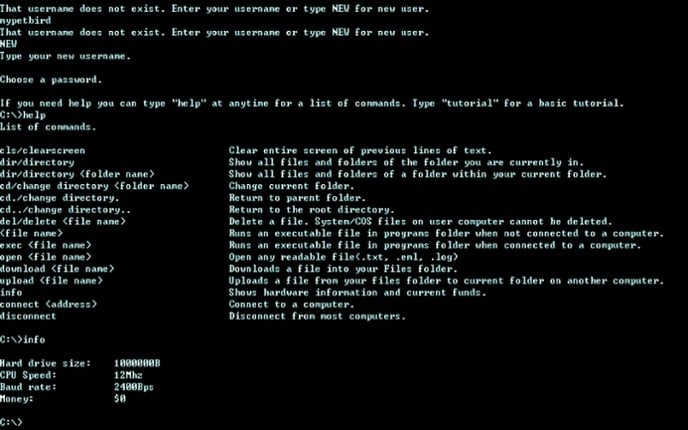
Retro Hacker simulates hacking from a computer terminal with a text based operating system.
Genres & Tags
Play Modes
Skip User Reviews

85%
Audience ScoreBased on 20 reviews
music3 positive mentions
story3 negative mentions

  • Retro Hacker captures a nostalgic vibe, immersing players in a minimalist hacking simulation reminiscent of the 1980s.
  • The game offers a unique text-based puzzle experience that challenges players to think systematically and engage deeply with its mechanics.
  • For those who appreciate its style, Retro Hacker provides an addictive and rewarding experience that celebrates the art of hacking through command-line fluency.
  • The game suffers from a lack of guidance and tutorials, making it intimidating for newcomers unfamiliar with command-line logic.
  • Technical issues, such as bugs and mission freezes, can disrupt gameplay and lead to frustration.
  • The narrative is sparse and the gameplay can feel repetitive, with limited content and low replay value.
  • story
    27 mentions Positive Neutral Negative

    The game's story is minimalist and conveyed through a bare terminal interface, focusing on themes of underground networks and corporate espionage across thirteen main missions and various side missions. While the overarching narrative is intentionally sparse and relies on system logs and emails, it creates an immersive experience that emphasizes tension and authenticity, despite some technical issues and repetitive mission design. Players appreciate the unique storytelling approach, though many feel the story is too short and could benefit from more complexity and depth.

    • “It abandons the conventions of modern gaming—no flashy visuals, no cinematic storytelling, no elaborate soundtrack—in favor of a bare terminal interface where every action is executed through typed commands.”
    • “The story is conveyed through system logs, emails, and terminal messages rather than dialogue or cutscenes.”
    • “There is an overarching storyline involving thirteen main missions that loosely connect into a broader tale of underground networks, corporate espionage, and rogue intelligence, but it is intentionally sparse.”
    • “The storyline is alright, but extremely short.”
  • gameplay
    4 mentions Positive Neutral Negative

    The gameplay is characterized by a delicate balance of tension and control, primarily driven by a trace timer that challenges players to experiment and learn from their mistakes. However, some users find the mechanics tedious and counterintuitive, particularly criticizing the inaccuracies of the DOS environment.

    • “The gameplay thrives on this careful interplay between tension and control.”
    • “The DOS environment isn't accurate, and the gameplay is tedious and counterintuitive.”
    • “Players must experiment with commands, learn through failure, and occasionally consult external references to decipher mechanics.”
    • “A key mechanic is the trace timer, a representation of how long a system has before it detects your intrusion.”
  • music
    3 mentions Positive Neutral Negative

    The game features a minimalist approach, lacking a traditional soundtrack and sound effects, which some players find refreshing despite its small bugs and unclear puzzles. This design choice emphasizes a bare terminal interface, prioritizing gameplay mechanics over modern gaming conventions like elaborate audio and visuals.

    • “The music in the game perfectly complements the atmosphere, enhancing the overall experience and immersing players in the world.”
    • “Each track is thoughtfully composed, adding depth to the gameplay and making every moment feel significant.”
    • “The sound design is exceptional, with a unique blend of melodies that resonate well with the game's themes.”
    • “It abandons the conventions of modern gaming—no flashy visuals, no cinematic storytelling, no elaborate soundtrack—in favor of a bare terminal interface where every action is executed through typed commands.”
    • “There are many small problems with the game (some bugs, no music or sound effects, missing commands from DOS console, some puzzles not so clear) - but still I recommend it!”
  • graphics
    3 mentions Positive Neutral Negative

    The graphics of Retro Hacker are intentionally minimalist, reflecting the aesthetics of retro computing with a bare terminal interface that prioritizes functionality over visual flair. This design choice aligns with the game's focus on a hacking simulation experience, eschewing modern gaming conventions like flashy visuals and cinematic elements.

    • “Retro Hacker, developed and published by Matthew Diaz, is a minimalist hacking simulation that fully embraces the aesthetics and philosophy of retro computing.”
    • “It abandons the conventions of modern gaming—no flashy visuals, no cinematic storytelling, no elaborate soundtrack—in favor of a bare terminal interface where every action is executed through typed commands.”
    • “The graphics are incredibly simplistic, lacking any depth or detail that modern gamers have come to expect.”
    • “The minimalist design feels more like a throwback than a deliberate choice, making the game visually unappealing.”
    • “While the retro aesthetic is intentional, it ultimately detracts from the overall experience, leaving the visuals feeling outdated and uninspired.”
  • stability
    3 mentions Positive Neutral Negative

    Overall, while stability issues are infrequent, they become particularly apparent in a game that relies heavily on precision, potentially impacting the overall experience.

    • “Such glitches, while rare, are more noticeable in a game that hinges entirely on precision.”
    • “The frequent crashes during gameplay make it hard to enjoy the experience.”
    • “I encountered several bugs that disrupted my progress and made the game frustrating to play.”
  • replayability
    3 mentions Positive Neutral Negative

    The game's replayability is considered low due to its heavy reliance on saving emails, which limits the variety of experiences players can have in subsequent playthroughs.

    • “The game has a heavy reliance on saving emails, which significantly reduces its replay value.”
    • “Once you've completed the game, there's little incentive to go back and play it again.”
    • “The lack of meaningful choices means that replaying the game feels more like a chore than an enjoyable experience.”
  • grinding
    2 mentions Positive Neutral Negative

    Players find the grinding aspect of the game to be tedious and counterintuitive, with a significant portion of the gameplay—around 10 hours—dedicated to grinding and upgrading equipment. The inaccuracies in the DOS environment further contribute to the frustration.

    • “The DOS environment isn't accurate, and the gameplay is tedious and counterintuitive.”
    • “A majority of the 10ish hours of playtime is spent grinding and upgrading your rig.”
  • atmosphere
    1 mentions Positive Neutral Negative

    The atmosphere is characterized as procedural rather than emotional, potentially disappointing players looking for narrative depth; however, it aligns well with the game's thematic consistency.

    • “The atmosphere is more procedural than emotional, which may leave players seeking narrative depth unsatisfied, but it fits the thematic consistency of the design.”
  • emotional
    1 mentions Positive Neutral Negative

    The emotional aspect of the game is perceived as lacking depth, with a procedural atmosphere that may disappoint players looking for a richer narrative experience, although it aligns well with the overall thematic design.

  • optimization
    1 mentions Positive Neutral Negative

    The game is highly optimized, delivering flawless performance even on modest hardware thanks to its minimal system requirements, which enhances its reputation as a lightweight and efficient software.

    • “The game’s performance is flawless on even the most modest hardware, running smoothly due to its negligible system requirements, and this contributes to its authenticity as a lightweight, efficient piece of software.”
Skip Game Offers

Buy Retro Hacker

3h Median play time
3h Average play time
3-3h Spent by most gamers
*Based on 1 analyzed playthroughs
Skip Videos

Videos

Skip Games Like Retro Hacker

Games Like Retro Hacker

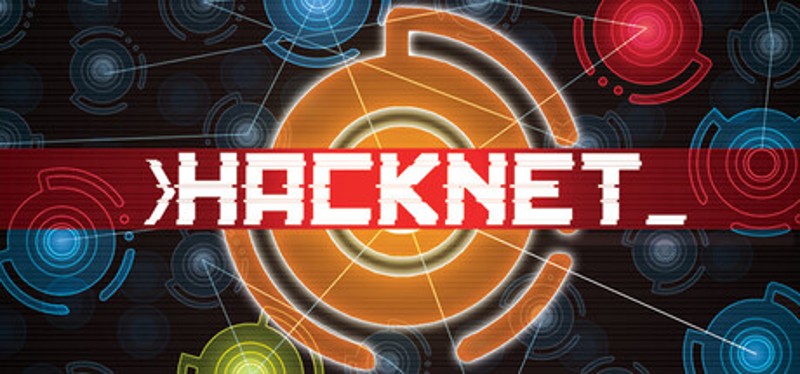
Hacknet Image
Hacknet Educational License ImageHacknet Educational License ImageHacknet Educational License Image
Hacker Evolution ImageHacker Evolution ImageHacker Evolution Image
Uplink Image
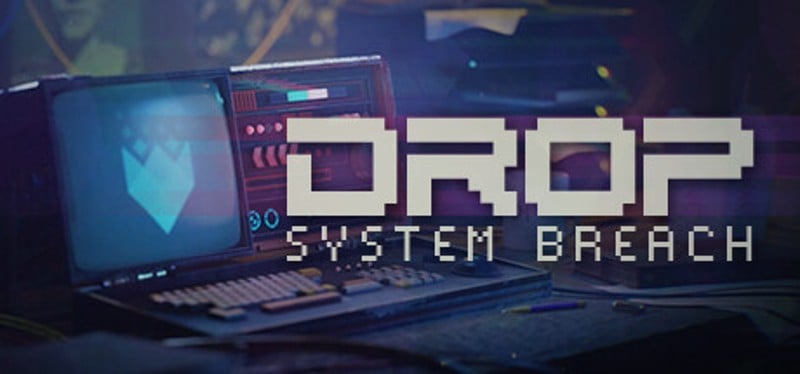
Drop: System Breach Image
Skip FAQs

Frequently Asked Questions

Retro Hacker is a simulation game.

Retro Hacker is available on PC and Windows.

On average players spend around 3 hours playing Retro Hacker.

Retro Hacker was released on August 13, 2018.

Retro Hacker was developed by Matthew Diaz.

Retro Hacker has received positive reviews from players. Most players liked this game for its music but disliked it for its story.

Retro Hacker is a single player game.

Similar games include Hacknet, Hacknet Educational License, Hacker Evolution, Uplink, Drop: System Breach and others.