Potionomics

Potionomics combines genres to produce a deck-building game that never get old. It sometimes feels overwhelming, but the end product is satisfying enough to keep you hooked.
Potionomics Game Cover
87%Game Brain Score
gameplay, story
grinding, stability
90% User Score Based on 5,338 reviews
Critic Score 83%Based on 7 reviews

Platforms

PCSteam DeckWindows
Potionomics Game Cover

About

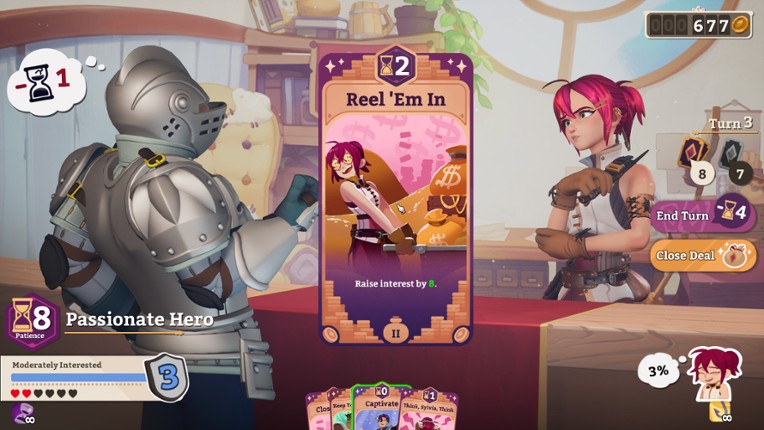
Potionomics is a single player role playing game with fantasy, romance, anime and business themes. It was developed by Voracious Games and was released on October 17, 2022. It received positive reviews from critics and very positive reviews from players.

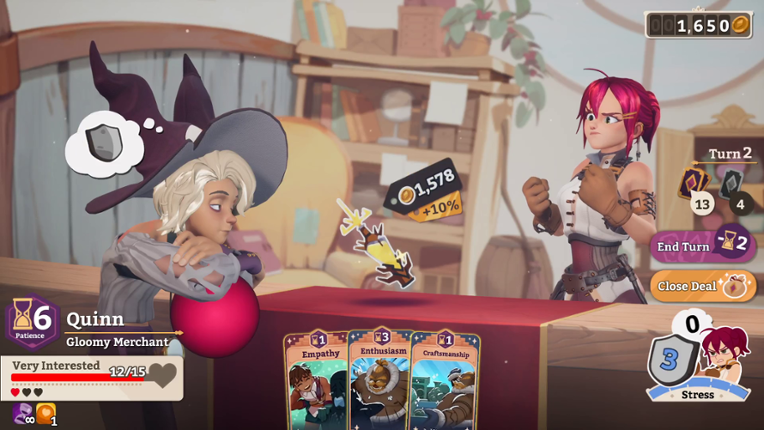
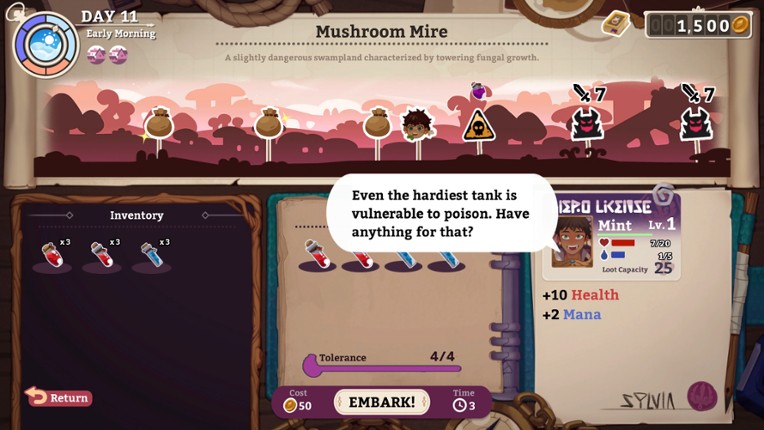
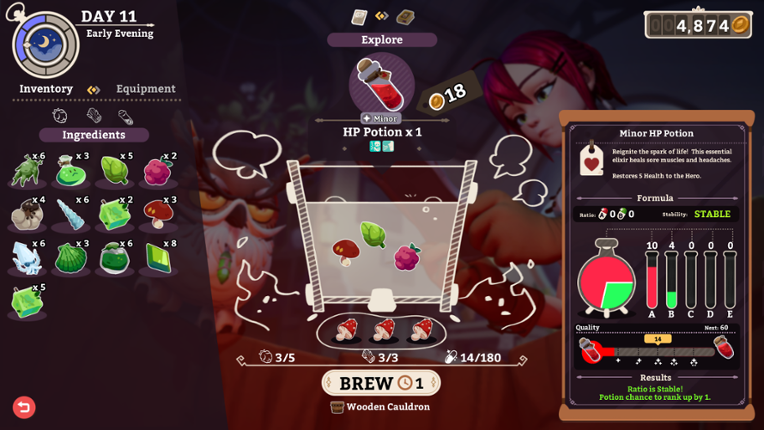
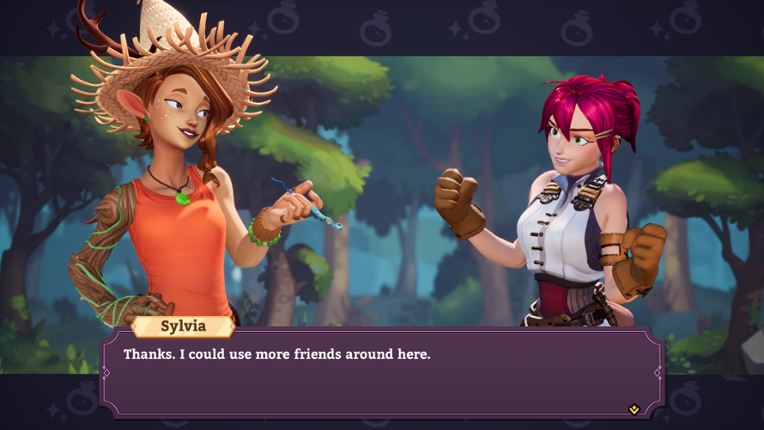
Potionomics is a game about the business of brewing and selling magical potions. Sylvia, a penniless young witch, must save her shop from the clutches of a debt collector, but she can’t do it alone. With the help of fellow merchants, fledgling adventurers, and an overbearing owl, Sylvia will master the art of potion brewing and the nuance of salesmanship to rescue her shop. After using magical ing…
Skip User Reviews

90%
Audience ScoreBased on 5,338 reviews
gameplay930 positive mentions
grinding211 negative mentions

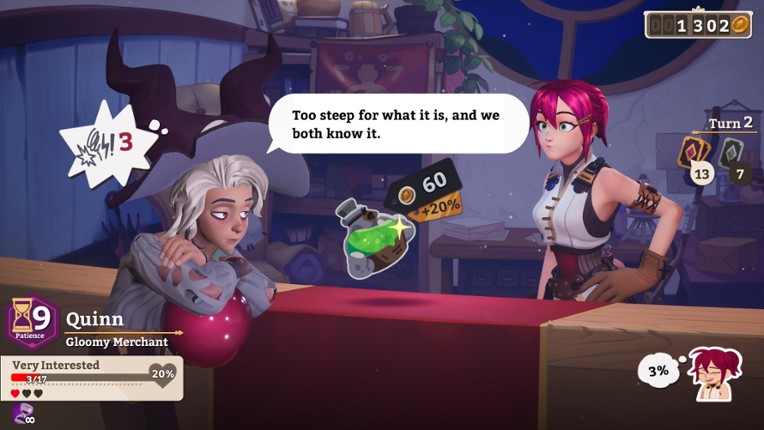
  • Engaging gameplay loop combining potion making, deck-building haggling, and shop management.
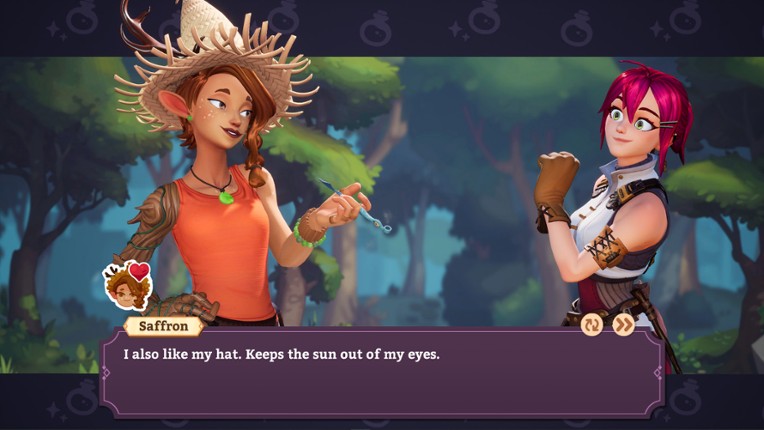
  • Charming, well-written characters with excellent voice acting and animations.
  • Beautiful art style, animations, and soundtrack that enhance immersion and enjoyment.
  • Steep learning curve with punishing time and resource management, especially early on.
  • Lack of quality of life features such as saving recipes or bulk buying leads to tedious micromanagement.
  • Repetitive gameplay and imbalance towards late game where challenge diminishes and money becomes obsolete.
  • gameplay
    2,233 mentions Positive Neutral Negative

    Potionomics offers a unique and engaging blend of potion-crafting, deck-building haggling, and shop management mechanics that create a satisfying and addictive gameplay loop. While the game is praised for its charming characters, beautiful art, and cohesive systems that interact well, some players find the strict time management and early-game difficulty stressful, with certain mechanics feeling overwhelming or underdeveloped as the game progresses. Nonetheless, the gameplay complexity, gradual introduction of mechanics, and intertwining of social and economic systems provide depth that rewards strategic planning and appeals to fans of simulation, deck-building, and narrative-driven games.

    • “The game ties all its systems in incredibly well; this game is fantastically designed, maybe one of the most well executed projects I've seen in a decade. I genuinely love this game, but if you see the characters and fall in love with them like I did, be forewarned, this is a management sim with dating sim elements, not a dating sim with management elements. The characters serve a mechanical role, raising their reputation unlocks new cards for the haggling minigame, and the game has a pretty strict time budget.”
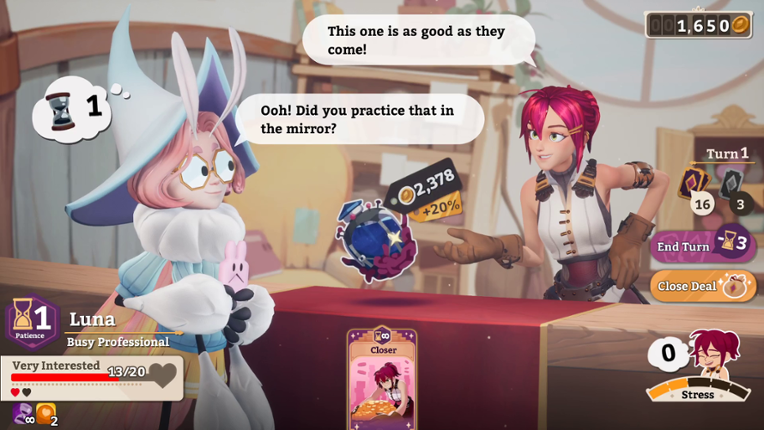
    • “Absolutely adored the gameplay and moment-to-moment interactions. The core mechanical loop of the game is extremely compelling: all the systems between making the potions, building your bartering deck from the friends you make in town, and selling the potions in haggling sessions create a strong feedback loop that feeds into each other very well. Everything from the gorgeous charming art, lovely sweeping fantasy music, witty writing, and take it at your own pace gameplay makes it like a best friend inviting you into your favorite cozy cafe.”
    • “Potionomics combines a lot of cool and different management mechanics with awesome character designs and fun writing. The mechanics are tight, they all interact with each other in a pleasantly intertwined manner, and the core gameplay loop of crafting and haggling is very fun and satisfying to master. The deck-building mechanics are solid; learning new haggling cards from your friends motivates you to discover new card mechanics and seek out the stories of townspeople, which are all a joy to interact with.”
    • “The 9-day time limit for gameplay is hands-down the worst possible direction they could have gone with this. Every single thing enjoyable about this game is either detracted from or actively harmed by this intense time crunch mechanic. Even a light loosening of the time crunch mechanic could give some desperately-needed breathing room, to either let people take a moment to breathe and play more casually or reward players by allowing them to get a head start on the shop/npc/ingredient farming investments they'll need to make in order to actually progress through the next week ahead of them.”
    • “The biggest downside that I have with Potionomics is that the overall gameplay loop feels at odds with the strengths of the game. Mechanically, I think the game is just as complex as it needs to be, and I understood the urgency for the narrative to focus on the deck-building and potion-making, but the mechanical and social sides of the game are intrinsically at odds with one another.”
    • “It's a polished, gorgeously animated potion seller game with alchemy and card game mechanics, but the gameplay is lacking. The game has good art like most others have mentioned and most of gameplay is pretty well put together, however, it's too easy so the gameplay depth doesn't matter, and certain game mechanics spoil the fun. The stress mechanic tends to snowball really badly and it completely ruins a run if it gets too bad, and the 3D animation is bad enough that they should have just gone full 2D.”
  • story
    1,388 mentions Positive Neutral Negative

    The story of Potionomics is a simple but charming narrative centered on inheriting a debt-ridden potion shop and striving to pay it off through competitions, enriched by well-written, diverse characters with engaging personal storylines. While the main plot is somewhat predictable and the time constraints can induce stress that limits free exploration, character interactions and humorous, heartfelt dialogue are highlights that keep players invested. A common critique is the lack of an endless or freeplay mode after the story's conclusion, which many players feel would bolster replayability and allow deeper engagement with the characters and game world.

    • “Overall, I'd recommend this game to anybody that enjoys games that center around character storylines - the large cast definitely stole the show, and are easily worth playing the whole game for.”
    • “The story, the gameplay, the characters, every inch of this game oozes with love and care and enchants the experience of this game.”
    • “Every character has their own unique and fun story, with awesome references and fun little events, and the voice acting for each character is incredible.”
    • “The story is bland and inoffensive to the point of being kind of frustrating.”
    • “The main plot also repeatedly lampshades its own predictability without bothering to do anything other than be predictable.”
    • “The game's story is an abysmal slog.”
  • graphics
    796 mentions Positive Neutral Negative

    The game's graphics receive widespread praise for their charming, colorful, and polished art style that blends 2D and 3D elements seamlessly, with expressive character animations often compared to Pixar-level quality. Reviewers highlight the unique, vibrant visuals and delightful character designs that greatly enhance the immersive and emotional storytelling experience. While some note minor graphical glitches and occasional performance issues, the overall consensus is that the graphics are a standout feature contributing significantly to the game's appeal and atmosphere.

    • “The animations are of a quality similar to a Pixar movie, while the 2D graphics are beautiful with both showing a huge amount of personality.”
    • “The art style is gorgeous and unique, with charming character designs, vibrant 3D models, and beautifully illustrated cards that all contribute to a delightful visual experience.”
    • “The visuals and animations are stunning, expressive and lively, with an art style that blends cartoonish charm and vibrant colors, making characters and environments memorable and engaging.”
    • “Sluggish graphics, a real slog to get through the dialogues, and a storyline that feels insulting to the main character.”
    • “The graphics are nice, but get a bit repetitive after a while.”
    • “Graphics make it extremely heavy and even then there are still quite a lot of clipping here and there.”
  • music
    693 mentions Positive Neutral Negative

    The music in the game is widely praised for its charm, diversity, and perfect fit with the game's atmosphere and characters, featuring unique themes for each NPC that enhance immersion. The soundtrack is described as catchy, relaxing, and cinematic, complementing the art and animation beautifully, and many players continue to enjoy it outside of gameplay. While a few note minor repetitiveness or technical issues, overall the music is considered a standout element that significantly enriches the experience.

    • “The music is absolutely superb, with each character getting their own theme.”
    • “The soundtrack was an absolute banger, with each character theme perfectly encapsulating their traits, and each contest theme being a complete bop.”
    • “The music is deceptively palatable and approachable too; it's so relaxed and non-invasive but the more you listen, you pick up on such clever and vivid details, and frankly, it is a masterclass in approaching fantasy soundtracks with more than just a grand orchestra soundscape.”
    • “Music and sound effects aren't anything to write home about.”
    • “The soundtrack has the occasional catchy swashbuckling tune but it's highly repetitive and pretty forgettable.”
    • “The soundtrack never got old and a few songs particularly had me bobbing my head as I played, but with that much time passed in the shop, the music became repetitive and the loop feels overzealous.”
  • grinding
    218 mentions Positive Neutral Negative

    Grinding in the game is frequently described as tedious and repetitive, especially in the mid-to-late stages where ingredient management, potion brewing, and shop operations become burdensome due to limited quality-of-life features. While the gameplay loop can be engaging early on, the increasing micromanagement, lengthy loading times, and lack of streamlined inventory and crafting tools lead to player burnout and frustration. However, the developers have addressed some concerns with updates that improve the experience, though grinding remains a core, sometimes exhausting, aspect of the game.

    • “You'll need a second life for grinding.”
    • “The characters are memorable and lovable—especially with their realistic flaws, the crafting wasn't tedious but still plenty engaging.”
    • “Also, a recipe saving system or mega-min filter would be nice as it gets quite tedious the more pots you get when you just want health potions, etc.”
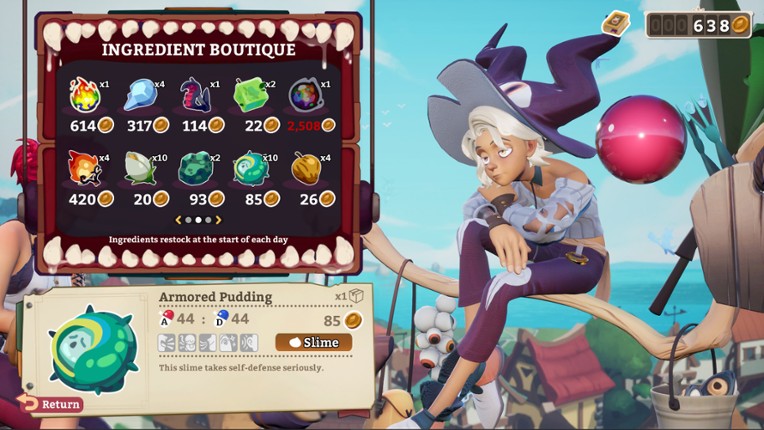
    • “The town activities become increasingly tedious, with ingredient shopping slowing down significantly as more ingredients unlock, and repetitive potion assignments especially when using speed potions.”
    • “The time management is insanely tight, and once you have several cauldrons, shelves, and adventurers to manually manage multiple times a day for 10 days every chapter, combined with a surprising amount of RNG, it turns potionomics into one of the most tedious experiences in a long time.”
    • “Even though most features mesh well, the 'custom orders' feature is a little tedious and easy to skip due to potion attribute requirements making it feel like a chore rather than fun.”
  • humor
    216 mentions Positive Neutral Negative

    The game’s humor is widely praised for being genuinely funny, quirky, and well-integrated with charming, witty dialogue and expressive character interactions. Its comedic style blends natural conversation, clever writing, and occasional raunchy or heartfelt moments, enhanced by great voice acting and animation, making the gameplay enjoyable and engaging. While some find certain jokes hit or miss, overall the humor contributes strongly to the game’s warmth, charm, and replayability.

    • “The writing is funny, charming, and actually brings up some big questions.”
    • “The humor is fantastic, doubly so by making the absolute most of some brilliant voice actors.”
    • “Quick and fun crafting, turn-based time management so you can plan each cycle without as much stress as a Stardew-style clock, deckbuilding conversational combat with a lot of range and variability, amazing character designs, clever and funny writing - it's simple, it's sweet, it's cute at every turn and the gameplay is varied enough between all the activities to remain engaging and give you options each day without becoming overwhelming.”
    • “It is extremely not funny to always remind yourself to replace all your cauldrons with wooden buckets before visiting Muktuk.”
    • “It's an issue because too good potions just skip boss battles — it's not funny and really weird for the final one.”
  • character development
    207 mentions Positive Neutral Negative

    Character development in the game is praised for its depth, engaging dialogue, and well-paced story arcs that flesh out NPCs and romance options, often enhanced by compelling writing and humor. The character designs and animations receive widespread acclaim, noted for their unique, vibrant, and expressive qualities that bring personalities to life and add significant charm. While some players wish for more relaxation and filler content to deepen relationships, the overall integration of character growth with gameplay and narrative is regarded as a strong, memorable aspect of the game.

    • “The character development, music, modeling, dialogue tension, and sense of humor are all outstanding.”
    • “Every character has a personality and character development, which you will start to notice wayyy more clearly after rank 5.”
    • “I highly recommend it to anyone looking for a romance game with depth and character development, and those who appreciate the special bond between humans and their furry (or not so furry) companions.”
  • emotional
    120 mentions Positive Neutral Negative

    The game delivers a predominantly wholesome and heartwarming emotional experience, featuring charming characters, heartfelt dialogue, and touching storylines with moments of genuine depth and humor. While the plot is generally simple and sometimes corny, its earnestness and emotional intelligence resonate, creating memorable friendships and romances. However, the game balances this wholesomeness with stressful, challenging gameplay that adds emotional tension and a sense of accomplishment.

    • “The writing in the visual novel segments, where you hang out with your friends, is genuine and touching.”
    • “With a wonderful cast of characters, fantastic music, fun animations, and satisfying mechanics, this game tells an incredibly heartwarming story.”
    • “The characters all show off emotional depth and worldbuilding in one go and are the highlight of the game for me.”
  • replayability
    116 mentions Positive Neutral Negative

    Replayability in the game is generally viewed as limited, with many players noting it offers a solid one-time experience but little incentive for multiple playthroughs beyond experimenting with different character romances, deck-building strategies, or difficulty settings. While some appreciate the variety of characters, story branches, and strategic options that encourage replay, others highlight the lack of post-game modes like endless or new game+ and the game's mostly linear nature as major drawbacks. Overall, replay value is moderate at best, satisfying for players who enjoy optimization and character interactions but lacking depth for those seeking long-term engagement.

    • “In terms of replayability, Potionomics offers multiple story branches, unlockable content, and a variety of strategies to try, encouraging players to revisit the game and explore different approaches to running their shop.”
    • “See, it wasn't only fixing many of the bugs and mistakes that ranged from infuriating (like soft-locks) to ridiculous (like items appearing where they shouldn't or certain options bugging out), but they also provided voiceover (and good, professional voiceover, mind you), an endless mode (which adds to the replayability I was talking about), three levels of difficulty (from cozy to fierce capitalist -- can you say "capitalism, ho!"?), new languages (albeit no Spanish, sadly) and many other things... like multi-romance!”
    • “Absolutely lovely game, fabulous cast, fun world and a decent challenge for timing out potions and so much replay value with going more into different members of the cast.”
    • “I really enjoyed this game in my first playthrough but have found it to have absolutely no replayability.”
    • “Other examples of poor design choices are in no particular order the customer orders (useless), some events (which are unexplained and thus not helping player act on them), barrels and cauldron choice (no-brainer, just replacing old with new), haggling cards (rather unbalanced), adventuring (rather repetitive), potion making (still lacking some serious quality of life improvements, for example you can't save recipes aka ingredient combinations you found out in-game, so be prepared to make notes a lot), no endless mode, game ends abruptly and unrewarding - in a nutshell: little playability combined with zero replayability.”
    • “There's no replay value at all on a game that requires such perfection, while also including RNG mechanics during card games.”
  • optimization
    83 mentions Positive Neutral Negative

    The game offers deep optimization and time-management challenges that appeal to players who enjoy min-maxing and strategic planning, with well-balanced core mechanics. However, it suffers from frequent performance issues such as lag, memory leaks, crashes on alt-tabbing, and poor UI responsiveness, particularly on certain platforms like Steam Deck. While optimization is rewarding for some, the strict time constraints and occasional lack of endgame challenge can make the experience stressful or less enjoyable for others.

    • “Shares a lot of DNA with Stardew Valley, as a very cute and innocuous character-oriented strategy game with space for ludicrous amounts of playstyle optimization and number crunching.”
    • “Performance-wise, Potionomics runs smoothly on most systems, with minimal loading times and stable framerates.”
    • “[b]Performance is very stable[/b], UI is slick, controls are tight, there were zero clunkiness in my playthrough.”
    • “Also this game is made in Unreal Engine 4, so the performance is very poor for what the game is.”
    • “The game also clearly has memory leaks; performance got worse as time went on and more than once I had to restart the game to reduce lag.”
    • “- performance: the game runs like crap on Steam Deck, and the last time I tried launching the demo on PC it was bad as well, even on medium presets.”
  • stability
    49 mentions Positive Neutral Negative

    The game suffers from frequent bugs, glitches, and occasionally game-breaking crashes, especially on the Steam Deck despite being verified for it. Common issues include UI glitches, freezing during transitions, unresponsive controls, and problems with card interactions and certain features, leading to occasional softlocks. Although these stability problems affect the experience, ongoing patches show promise, and many players still find the gameplay enjoyable.

    • “Runs great on Steam Deck, which is why I got it.”
    • “Runs great on Steam Deck too!”
    • “There are no glitches left that I have encountered, and the dev added expanded filters which help greatly.”
    • “It's a cute game with engaging gameplay but is riddled with game-breaking bugs, glitches, and softlocks that prevent progress.”
    • “The controls are extremely buggy, which often puts them into an unresponsive state, and the deck builder portion of the game seems downright dysfunctional.”
    • “The loading screens take forever, the game freezes every time there's something new on the screen.”
  • atmosphere
    46 mentions Positive Neutral Negative

    The game delivers a highly polished, charming, and cozy atmosphere, characterized by varied, engaging music and top-notch art and animations that evoke a warm, lighthearted fantasy world. While the atmosphere is widely praised for being relaxing and immersive, some players note a tension between the chill vibe and the game's strict time management and challenging gameplay, suggesting that an easier mode could better align with the cozy setting. Overall, the rich world-building, captivating characters, and well-crafted soundtrack make the atmosphere a standout feature despite occasional dissonance with game mechanics.

    • “An extremely charming and cozy fantasy atmosphere with the perfect amount of stakes and risk; I'm on the edge of my seat every time I manage to pull through in a potion competition or scrounge up enough money to get me where I need to be the day before I need to get it.”
    • “Complete with a rich and expansive world, characters you learn to love and deeply care about with rich backstories, some of the most atmospheric and catchy music I've heard in a game since Undertale and an enthralling story that will leave you shocked and delighted.”
    • “The music is great, extremely fitting and brings the atmosphere to life from peppy mornings to relaxing nights.”
    • “I initially bounced off it, because the hardcore time management stuff didn't quite match the cozy atmosphere and aesthetic - but with the new "cozy" difficulty, the dissonance is no longer here.”
    • “My only real gripe with the game was that it doesn't have a post-game endless mode to really just relax and take in the atmosphere and characters after the sometime stress-inducing 50 days.”
    • “The game falsely creates the atmosphere of a casual sim game where you can build affection tiers with the various characters and customize your shop etc, only to elbow drop you on day 10 with an unannounced opponent stacking you with debuffs, and a permadeath ending.”
  • monetization
    10 mentions Positive Neutral Negative

    The game's monetization is integrated through various engaging in-game systems like advertising campaigns, shop upgrades, enchantments, and ingredient management, offering meaningful choices without overwhelming complexity. Players can invest resources in multiple activities—such as hero quests, ingredient sourcing, and shop enhancements—to optimize profits, though some optional features like aging casks are often ignored due to time constraints. Overall, the monetization mechanics add depth and strategic decisions rather than feeling intrusive or mandatory.

    • “By the time I was preparing for my third competition, I had 3-4 cauldrons constantly brewing, 6-7 pages of ingredients to manage and restock, daily interactions with multiple NPCs, garden pots to maintain, running the store during two time slots to make money, guild quests to not miss, sending out 3 heroes on adventures with proper supplies, deciding on advertising campaigns and enchantments for my shop, all while ignoring aging casks because the small profit wasn't worth the extra effort. The combined daily tasks felt overwhelming and time-consuming.”
    • “Besides buying more ingredients, you can spend your money at various shops to buy better cauldrons, pay heroes to retrieve new ingredients, and even buy advertisement campaigns, turning the game into a constant grind to keep up with monetization mechanics.”
    • “Ingredient effects, custom orders, enchantments, advertising, monster hunting expeditions, ingredient duplication via "slimes", etc., take up a significant part of the game's ecosystem, but I didn't use any of these systems and didn't feel behind, which makes these monetization and upgrade options feel unnecessary and unbalanced.”
Skip Critic Reviews
Skip Game Offers

Buy Potionomics

16h Median play time
18h Average play time
7-30h Spent by most gamers
*Based on 37 analyzed playthroughs
Skip Videos

Videos

Skip Games Like Potionomics
Skip FAQs

Frequently Asked Questions

Potionomics is a role playing game with fantasy, romance, anime and business themes.

Potionomics is available on PC, Steam Deck and Windows.

On average players spend around 18 hours playing Potionomics.

Potionomics was released on October 17, 2022.

Potionomics was developed by Voracious Games.

Potionomics has received positive reviews from players and positive reviews from critics. Most players liked this game for its gameplay but disliked it for its grinding.

Potionomics is a single player game.

Similar games include Potion Craft, Potion Craft: Alchemist Simulator, Bear & Breakfast, My Time At Portia, CraftCraft: Fantasy Merchant Simulator and others.