Occlude Game Cover

About

Occlude is a single player puzzle game with a horror theme. It was developed by pantaloon and was released on July 10, 2025. It received positive reviews from players.

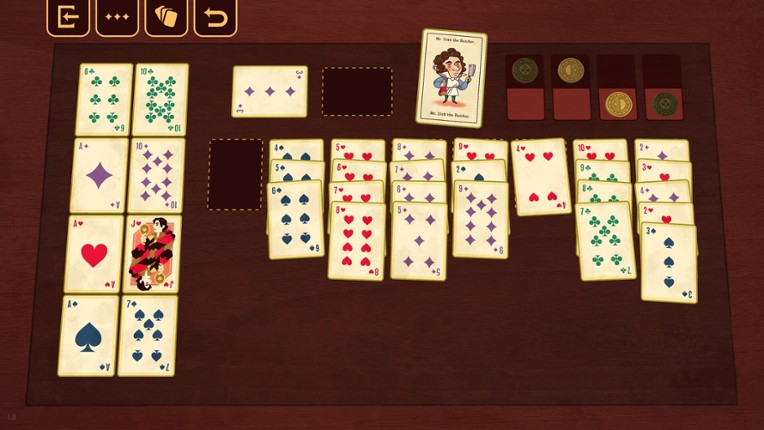
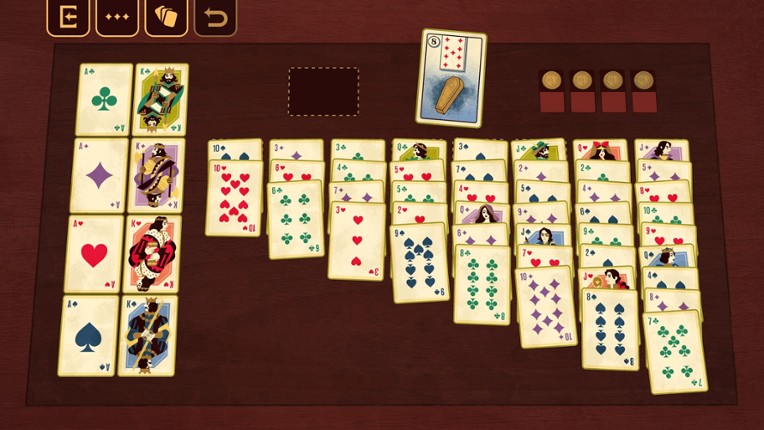
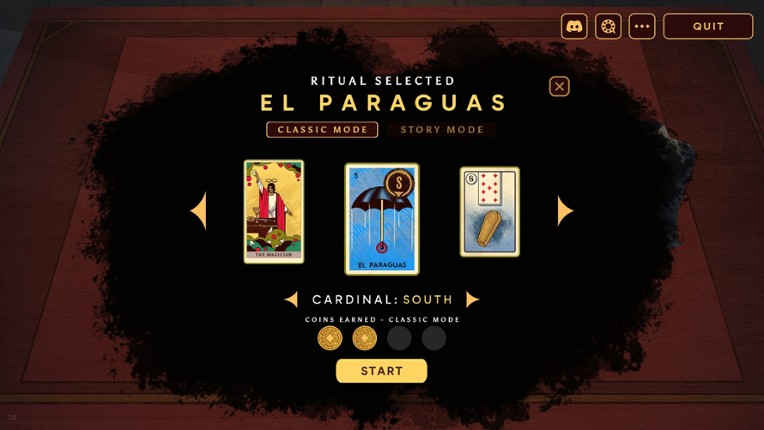
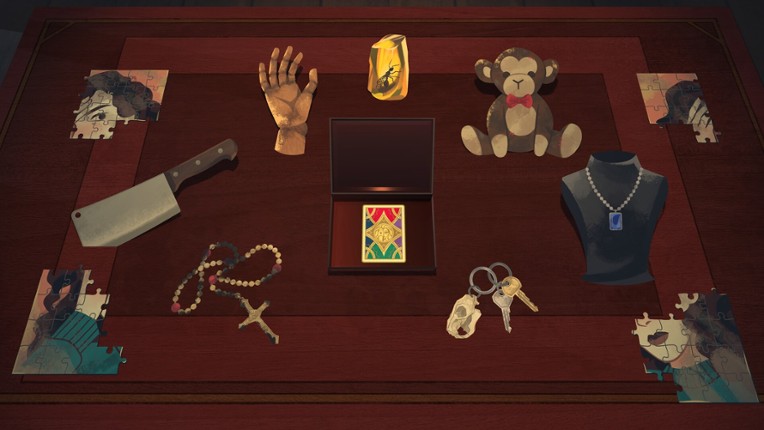
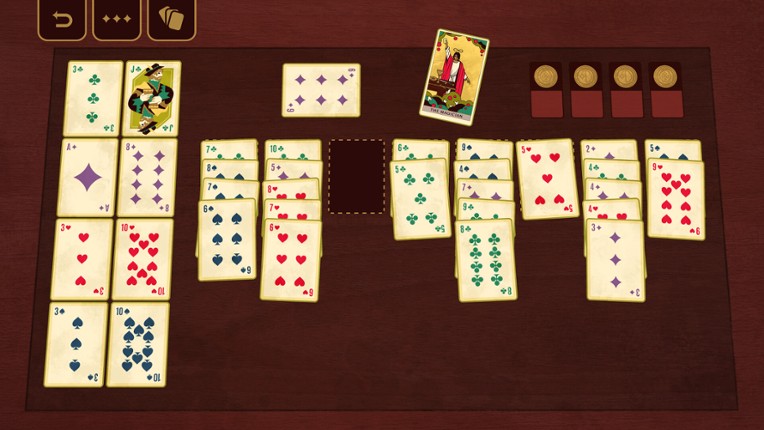
Occlude is a ritual disguised as Solitaire; a cosmic-horror card game where the rules are obscured and reality is at stake. Play through cryptic challenges to reveal forbidden lore in this singleplayer narrative puzzle game for the terminally curious. Don’t worry; you can always start over.
Skip User Reviews

86%
Audience ScoreBased on 316 reviews
story17 positive mentions
stability2 negative mentions

  • Unique and clever twist on classic solitaire with fresh mechanics and rule deduction puzzles.
  • Atmospheric presentation with excellent music, sound design, art, and immersive occult/cosmic horror vibe.
  • Intriguing, well-written lore and narrative fragments that complement the gameplay and enrich the experience.
  • Gameplay can feel repetitive as the core solitaire variant remains the same across all puzzles.
  • Some puzzles have steep difficulty spikes and obscure mechanics that often require notes or outside hints to solve.
  • Relatively short game length with limited replay value once puzzles and hidden rules are discovered.
  • story
    80 mentions Positive Neutral Negative

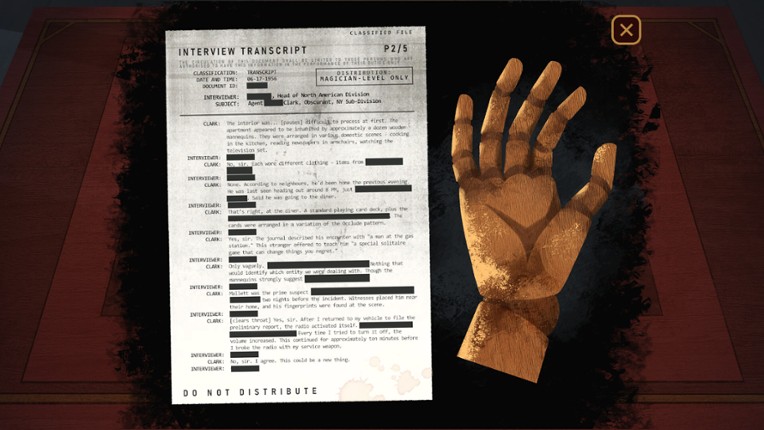
    The story in this solitaire game is presented as a fragmented, anthology-style cosmic horror narrative, woven subtly through gameplay and puzzles rather than traditional storytelling. While some players find the lore intriguing and atmospheric, others feel it is sparse, cryptic, or more atmospheric ambience than fleshed-out plot, with much of the narrative requiring active deduction and external ARG exploration. Overall, the story complements the mechanics by adding mysterious depth but may leave those expecting a more conventional or extensive narrative wanting more.

    • “The game’s seven rituals—each a self-contained puzzle variation—serve as both mechanical challenges and fragments of a greater metaphysical story.”
    • “Developed by Tributary Games and published by Pantaloon, it presents itself as a card game, but beneath its surface lies a story about regret, memory, and the fragile line between logic and madness.”
    • “The story is anthology-esque: a short horror story for every game, all connected to a grander conspiracy.”
    • “The story also doesn't really make much sense; it's all spooky vibes, very little substance.”
    • “No resolution, no revelations, no interesting story beats, no mechanical development.”
    • “Look, telling a story by not telling anything didn't work in Fallen London, didn't work in Cultist Simulator/Book of Hours, doesn't work well in SCP and unless you're expecting everyone to look through ARGs and whatnot, it doesn't work here.”
  • gameplay
    56 mentions Positive Neutral Negative

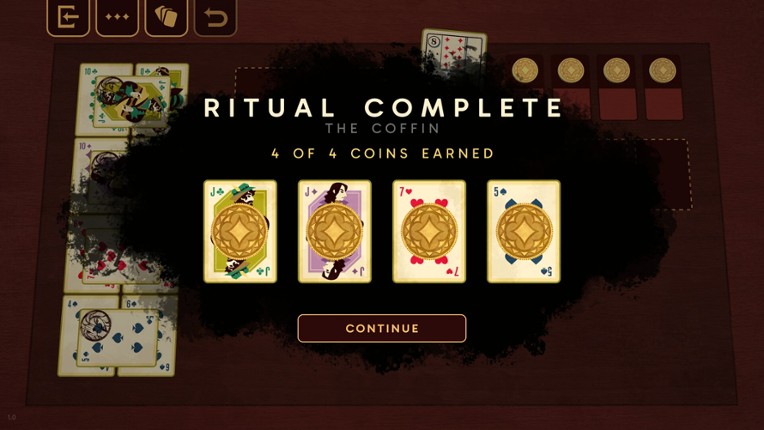
    The gameplay centers on a solitaire variant with cleverly hidden rules and mechanics tied to seven distinct ritual puzzles, offering a satisfying and thoughtful puzzle-solving experience that emphasizes pattern recognition and trial-and-error discovery. While the difficulty curve gradually increases and the gameplay is praised for its nuance and originality, it can feel mechanically simple and repetitive after uncovering the secrets, with limited variety and replayability. The integration of lore and story enhances the gameplay atmosphere, though some players find the connection between mechanics and narrative less developed, making it best suited for fans who enjoy contemplative, puzzle-driven card games.

    • “The core gameplay of this unusual iteration of solitaire is very satisfying, and the hidden rules are fun and satisfying to figure out.”
    • “Puzzle difficulty curve was very good, gently introducing the game mechanics before getting quite hard by the end.”
    • “What makes Occlude so fascinating is the way it transforms learning itself into the core of its gameplay.”
    • “The 'cosmic horror' aspect is entirely in the form of short stories between levels; there is nothing remotely cosmic or horror in the gameplay.”
    • “Fans of card-based cosmic horror like 'Cultist Simulator,' with more-involved and more-esoteric gameplay, will be disappointed by the mundanity and outright lack of replayability once you figure out the 'hidden rules' that accompany each puzzle. This is further worsened by obfuscation of the conditions for achieving the 'real' victory for each, one of which depends on knowledge outside of the game's context.”
    • “Pains me to leave this negative review because it's a very atmospheric game with lots of love put into it, but from a pure gameplay perspective, 'classic mode' (start over if you get rid of a final card) seems extremely repetitive, and 'story mode' (infinite undo) is way too easy.”
  • atmosphere
    29 mentions Positive Neutral Negative

    The game excels in creating a richly thematic, eerie, and immersive atmosphere through its writing, music, and minimalist art style, blending cozy and creepy tones effectively. This unique ambiance enhances the puzzle experience, drawing players into its occult and mysterious world despite some gameplay simplicity or repetition. Overall, its polished and evocative atmosphere is widely praised as a standout feature that captivates and sustains player engagement.

    • “Music, writing, and atmosphere are delightfully creepy and well done.”
    • “The eerie atmosphere conjured up by the music and the writing is delectable.”
    • “The interface is pleasing, the visual design and audio cues are pleasingly atmospheric, and the overall tone is a perfect combination of cozy and creepy.”
    • “But almost immediately, the game begins to subvert expectations, introducing rules that are unclear, symbols that seem to change meaning, and an atmosphere that hints at something cosmic and incomprehensible just beyond comprehension.”
    • “The result is an atmosphere that feels meditative and sinister all at once—a space of contemplation haunted by the suggestion of the supernatural.”
    • “The eerie atmosphere sucks you in and then the puzzles will eat you alive.”
  • music
    26 mentions Positive Neutral Negative

    The music in the game is widely praised for its haunting, moody, and eerie atmosphere that perfectly complements the creepy narrative and visuals, often reacting dynamically to player progress. While some find the soundtrack beautiful and immersive, others note its limited variety, leading to repetition during longer play sessions. Overall, the soundtrack significantly enhances the game's unsettling vibe and storytelling.

    • “The music, the art, the way the cards sit slightly out of alignment as if you were playing by hand, all create an ambience that perfectly backs up the creepiness of the stories you're playing out.”
    • “The music selection was solid, and I liked how the music would change based on your progress towards full completion of a ritual.”
    • “Cracking music in the background that seems to swell at exactly the right moments, and some very pithy and intriguing writing to boot.”
    • “The music is an especially terrible part, since it only has one short track — for a game you spend hours in, solving puzzles.”
    • “I had to turn off the music after an hour and put on better soundtracks (from A House of Many Doors and Sunless Sea).”
    • “The music/acoustic ambience also managed to get on my nerves in the short span of time.”
  • replayability
    12 mentions Positive Neutral Negative

    Replayability for this game is mixed; while some praise its design and objectives as offering decent replay value, many find it limited once the game's puzzles and hidden rules are understood, resulting in a primarily one-time experience. Fans seeking deeper or more complex replay elements may feel the game lacks lasting engagement beyond initial completion.

    • “Great replayability.”
    • “For people who love simple card games with a lot of replayability and a bunch of objectives/mysteries to unfold, don't sleep on this one.”
    • “Had it a few times where I had the code and had to fail intentionally in order to complete it, which gives it a bit more replayability (especially in later levels which are a tad harder).”
    • “Fans of card-based cosmic horror like 'Cultist Simulator', with more involved and esoteric gameplay, will be disappointed by the mundanity and outright lack of replayability once you figure out the hidden rules for each puzzle. The obfuscation of the conditions for achieving the real victory, some dependent on knowledge outside the game itself, further detracts from replay value.”
    • “Very little replayability once you've solved all the rules.”
    • “Just be aware that this game is largely a one-and-done experience with little replay value.”
  • graphics
    10 mentions Positive Neutral Negative

    The game's graphics feature beautiful, clean artwork that effectively creates a moody, cosmic horror atmosphere, complemented by a haunting soundtrack and well-crafted flavor text. The aesthetic is reminiscent of titles like "Cultist Simulator," delivering an appealing and immersive visual style that enhances the occult theme. While visually captivating and atmospheric, the game’s appeal may be niche and tied closely to its solitaire mechanics.

    • “The visuals, sound, and flavor text are all well done.”
    • “The beautiful artwork and haunting soundtrack help create the perfect mood.”
    • “The artwork is really nice and clean and the whole thing is very atmospheric.”
  • emotional
    4 mentions Positive Neutral Negative

    The emotional aspect of the game is highlighted by a cosmic yet deeply human story exploring themes of regret and the search for meaning. While some players find strong emotional connections and intellectual satisfaction, others struggle to engage emotionally due to a lack of relatable elements within the world.

    • “The story is cosmic in scope but deeply human in emotion, touching on themes of regret and the obsessive need to find meaning in chaos.”
    • “The story is nice and has strong cultist simulator vibes and the last puzzle made me feel really smart.”
  • humor
    3 mentions Positive Neutral Negative

    The humor in the game is subtle and varied, blending occasional funny moments with creepy and sad tones. While the solitaire variants themselves are interesting, the game's writing adds a unique, though light, comedic touch rather than focusing on high-stakes or plot-driven humor.

    • “Funny puzzle solitaire :]”
    • “The game is made up of seven interesting variants of solitaire, but you shouldn't really buy this game for the solitaire, even solitaire with funny rule sets.”
    • “There is not much in the way of stakes or plot, but the writing is still interesting, and occasionally creepy, sad or even funny.”
  • stability
    2 mentions Positive Neutral Negative

    The game offers an enjoyable and creepy experience but suffers from significant stability issues on the Steam Deck, with frequent control glitches occurring after waking the device from sleep, making gameplay and restarting the story mode problematic.

    • “Extremely buggy on Steam Deck, with controls frequently going completely random after waking the device from sleep.”
    • “The Deck controls are so buggy it was impossible to reset and start a new game in story mode.”
  • grinding
    2 mentions Positive Neutral Negative

    Grinding in the game is slow and tedious, with repetitive card experimentation that hampers enjoyment and often leads to frequent level restarts, making progression feel frustrating rather than rewarding.

    • “You're trying to experiment with the cards to see how the indicators react, but moving them around is slow and tedious.”
    • “This doesn't make the game more interesting, just more tedious and requiring lots more level restarts because you got dead-ended.”
  • monetization
    2 mentions Positive Neutral Negative

    The monetization relies heavily on advertising, including promoting other games through channels like Discord, which some users find off-putting. While the game incorporates meta-narrative elements and thematic depth, it remains fundamentally a solitaire game with added cosmetic and narrative layers.

  • optimization
    1 mentions Positive Neutral Negative

    Optimization is generally solid, with stable overall frame rates; however, occasional frame stuttering occurs when dragging cards, and some audio popping from the music was noted.

Skip Game Offers

Buy Occlude

7h Median play time
7h Average play time
6-7h Spent by most gamers
*Based on 2 analyzed playthroughs
Skip Videos

Videos

Skip Games Like Occlude
Skip FAQs

Frequently Asked Questions

Occlude is a puzzle game with horror theme.

Occlude is available on PC, Windows and Xbox.

On average players spend around 7 hours playing Occlude.

Occlude was released on July 10, 2025.

Occlude was developed by pantaloon.

Occlude has received positive reviews from players. Most players liked Occlude for its story but disliked it for its replayability.

Occlude is a single player game.

Similar games include Filament, Viewfinder, The Escape Artist, Blue Prince, The Solitaire Conspiracy and others.