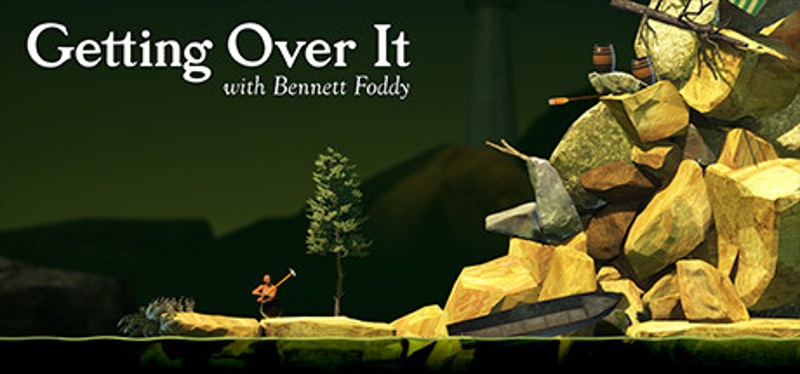
Getting Over It with Bennett Foddy

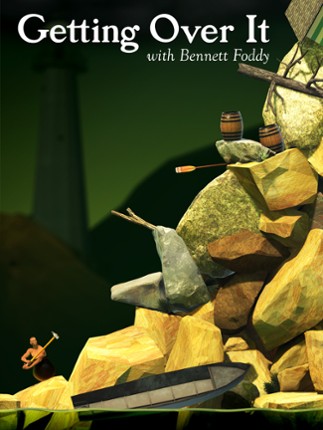
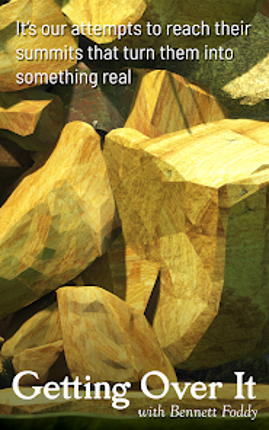
Getting Over It with Bennett Foddy Game Cover
79%Game Brain Score
gameplay, music
story, grinding
84% User Score Based on 44,972 reviews
Critic Score 50%Based on 1 reviews

Platforms

AndroidXboxSteam DeckiPhoneWindowsPlayStationLinuxPCTabletMac OSPhoneiPadMobile Platform
Getting Over It with Bennett Foddy Game Cover

About

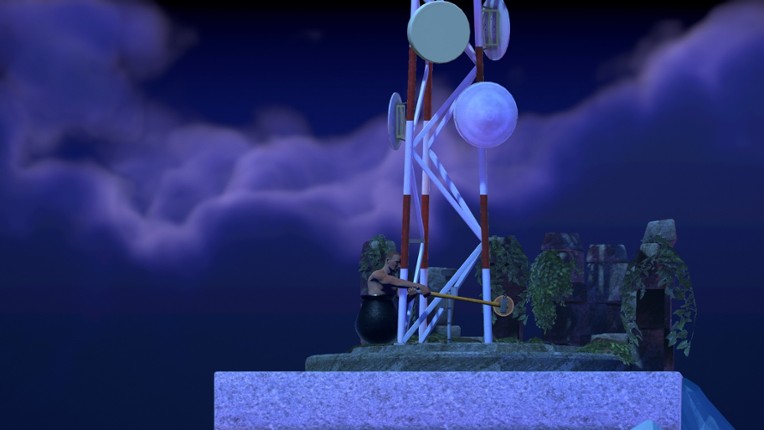
Getting Over It with Bennett Foddy is a single player survival platformer game with horror and comedy themes. It was developed by Wyld Games and was released on December 6, 2017. It received neutral reviews from critics and positive reviews from players.

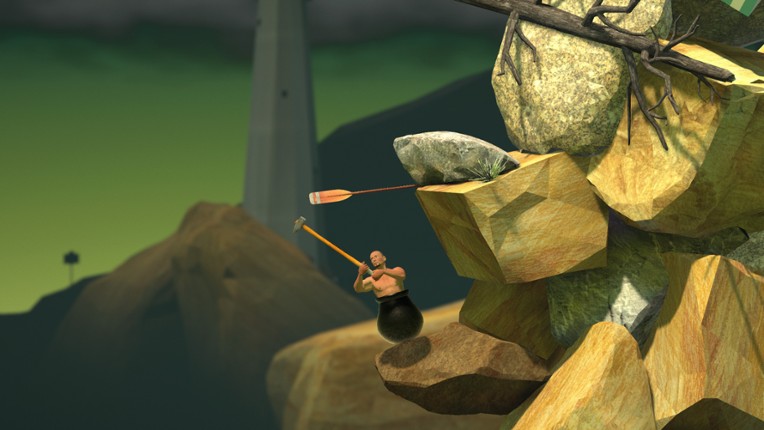
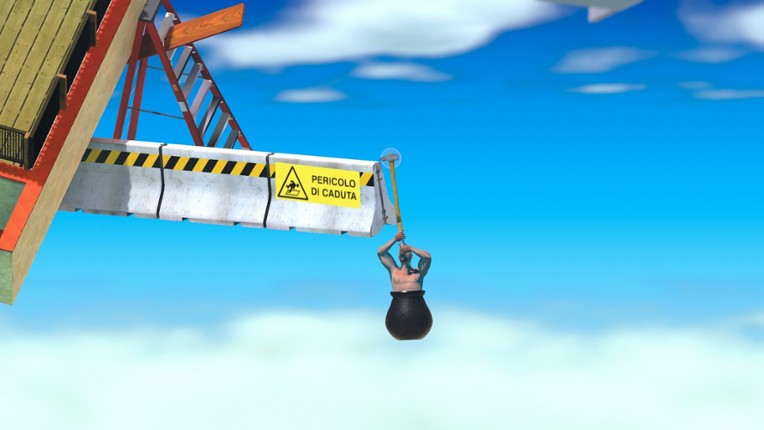
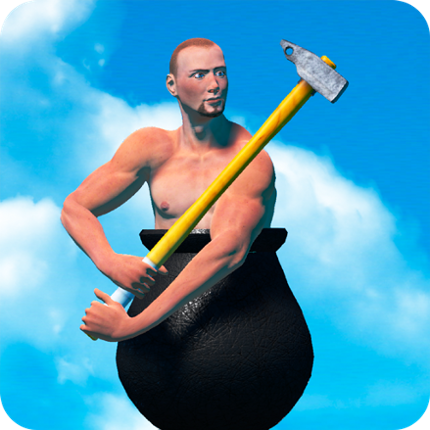
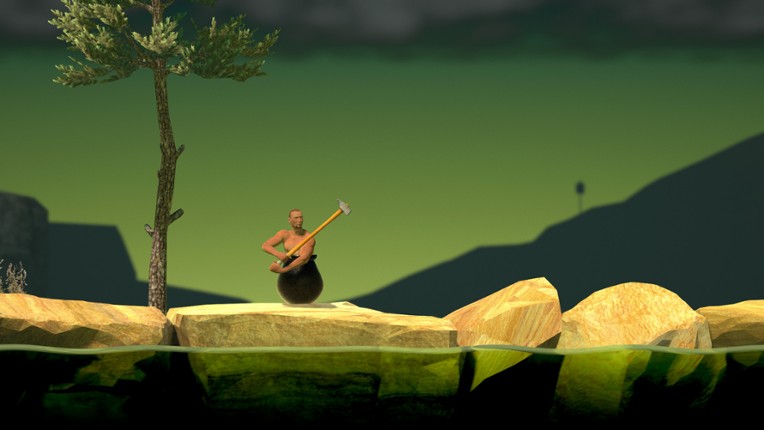
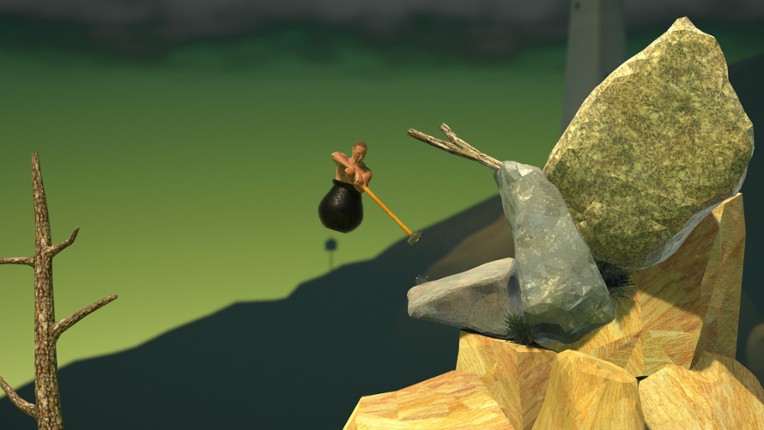
Getting Over It with Bennett Foddy is a punishing climbing game, a homage to Jazzuo's 2002 B-Game classic 'Sexy Hiking'. You move the hammer with the mouse, and that's all there is. With practice, you'll be able to jump, swing, climb and fly. Great mysteries and a wonderful reward await the master hikers who reach the top of the mountain. To quote Jazzuo himself: "The hiking action is very simila…
Skip User Reviews

84%
Audience ScoreBased on 44,972 reviews
gameplay265 positive mentions
story56 negative mentions

  • The game's atmosphere is praised for its unique blend of minimalistic visuals, meditative ambient soundtrack, and philosophical narration that creates a calming yet punishing experience.
  • The gameplay offers a rewarding challenge that tests patience and persistence, with a strong sense of accomplishment upon overcoming difficult obstacles.
  • The narration and humor add emotional depth, providing motivational and insightful commentary that makes failures feel meaningful and contributes to the game's unique identity.
  • The game's controls and physics are often described as clunky, inconsistent, and glitchy, leading to frequent frustrating falls and restarts.
  • Performance issues such as lag, frame drops, and bugs negatively impact gameplay and cause unstable and occasionally unplayable experiences.
  • The repetitive nature of the grind combined with the punishing difficulty can be mentally exhausting and tedious, limiting appeal to players who enjoy taxing, skill-based repetition.
  • gameplay
    1,055 mentions Positive Neutral Negative

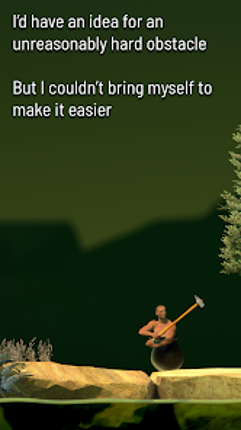
    The gameplay of "Getting Over It" is defined by its intentionally frustrating, physics-based mechanics that require mastering unconventional mouse controls to climb a mountain using only a hammer. While the controls are often described as clunky, janky, and unforgiving—leading to frequent falls and restarts—many players find the challenge rewarding once they adapt, with the game's difficulty serving as a test of patience, persistence, and skill. The experience is polarizing: it’s praised for its unique mechanics, sense of accomplishment, and philosophical narration, but criticized for frustrating controls, inconsistent physics, and repetitive progress loss.

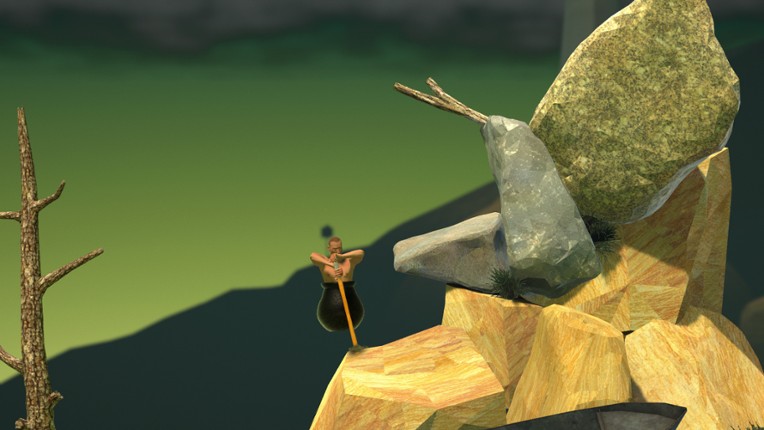
    • “The gameplay itself is simple: you control a man stuck in a pot and climb a mountain using only a hammer, but mastering the physics and movement takes a lot of patience and practice.”
    • “Its simple mechanics hide a punishing climb that turns every mistake into a lesson.”
    • “The physics-based gameplay forces patience, focus, and persistence, turning frustration into motivation.”
    • “This game literally has the worst mechanics I've ever seen in my life.”
    • “The gameplay is easy, it's made hard by horrible and inconsistent controls, by uncomprehensibly inconsistent physics, etc.”
    • “The gameplay is frustrating and fickle while the obstacles are daunting, impossible-seeming at times, and punishing, as you can fall to the bottom and have to restart at any point in time, but despite all the challenges and frustration, the satisfaction of victory makes the whole journey worth it.”
  • music
    573 mentions Positive Neutral Negative

    The music in "Getting Over It" is a mix of calming, old-timey, and jazz tracks that play mainly when the player falls, often accompanied by motivational or mocking quotes from the narrator. While some find the music soothing and integral to the game's unique atmosphere and emotional experience, others find it repetitive, aggravating, or intrusive, recommending players mute it or play their own music in the background. Overall, the soundtrack and narration contribute significantly to the game's meditative yet frustrating tone.

    • “The frequent motivational quotes and musical stings are very calming, and the flawlessly intuitive controls only add to the soothing experience.”
    • “While this game is famous for its unique gameplay and difficulty, in my opinion, one of the best and most underrated aspects is the narration and soundtrack that play while you scale the mountain.”
    • “Each time you fall, steep or small, you get a hand-picked quote, or an old, crackly song that relates to the game, and makes each setback feel not as big, and further progressing a somehow bigger achievement than it was before.”
    • “The game will constantly work against you and then play crappy 1940s music when you fail.”
    • “The music, the pseudo-philosophical whiny rambling, the out of context quotes, the sound effects, the fact that you can soft lock yourself in such a simple game.”
    • “Sometimes instead of a quote it does music (which actually was what stopped me instead of the act of falling), it is just too overwhelming to have certain music when it is a game that is actually pretty calm, it prevents thoughts and consideration, planning and even reactions.”
  • humor
    462 mentions Positive Neutral Negative

    The humor in "Getting Over It with Bennett Foddy" is characterized by its blend of absurdity, dark comedy, and witty narration that often mocks and motivates players through their repeated failures. While the challenging controls and frustrating gameplay induce rage, many find the game's sarcastic commentary and bizarre premise—a naked man in a pot with a hammer—hilariously entertaining, making both playing and watching others struggle a comical experience. However, appreciation of the humor largely depends on the player's mindset, with some finding it cathartic and funny, while others view it as aggravating or "not funny" due to the intense difficulty.

    • “The narration adds humor and philosophy, making failures feel meaningful rather than pointless.”
    • “His witty, often humorous, and sometimes philosophical monologues provide insight into perseverance, frustration, and the human condition.”
    • “Listen to Bennett Foddy: the game's creator talks to you while you play, and he says some really funny (and sometimes deep) things.”
    • “It's so dumb, unfunny, and stupid. I hate it.”
    • “If you are a calm person, I recommend it, as long as you are able to stay calm. If you have anger issues, do not play; it's not funny. You're going to get mad for a long time and probably won't sleep. Think of nothing else because the anger is not just going to pop up, but tear you apart.”
    • “8$ isn't worth an unfunny joke.”
  • emotional
    391 mentions Positive Neutral Negative

    "Getting Over It with Bennett Foddy" is an intensely emotional experience, provoking a rollercoaster of feelings including frustration, anger, sadness, joy, and catharsis. Players describe profound emotional highs and lows, often crying from both the game's difficulty and its philosophical narration, with many finding the journey as much about emotional growth and perseverance as about gameplay. The game is polarizing, eliciting deep emotional investment that some find rewarding and others find mentally exhausting or even traumatizing.

    • “The experience of playing "Getting Over It with Bennett Foddy" is an emotional and philosophical odyssey that challenges players to their core.”
    • “This is truly an emotional rollercoaster, an excellent game with a beautiful difficulty curve following all five stages of grief, a painful yet satisfying and rewarding masterpiece.”
    • “It's simple on the surface, just you in a pot with a hammer, but it becomes a wild emotional journey about patience, persistence, and pride.”
  • story
    375 mentions Positive Neutral Negative

    The game "Getting Over It" lacks a traditional narrative or character development, instead delivering its story through philosophical voiceovers by the developer Bennett Foddy that reflect on perseverance, failure, and life’s struggles. This meta-narrative, woven into the challenging gameplay, creates a unique, emotionally impactful experience that many players find thought-provoking and motivational, despite the absence of a conventional plot. Overall, the story is minimalistic yet profound, emphasizing personal growth and endurance over explicit storytelling.

    • “Getting over it is about perseverance, it's about consistency, it is a story told through pain that tells no matter how much you have, you can lose it all, and no matter how much you lose, you got to get over it.”
    • “The compelling voice narrating your every move gives this experience soul: it mocks you when you fall, it feeds you kind words when you feel like giving up, it tells a little backstory about our society in the most random of places.”
    • “There's a story hidden within the game which you wouldn't expect from this type of rage game and Bennett Foddy is a great storyteller too.”
    • “The story is bad, the graphics are mediocre at best, the game physics are illogical and confusing, and it is the single most difficult and frustrating game I have ever played.”
    • “It's psychologically manipulative, completely vapid and bland, controls like absolute trash, has no plot or reason aside from making the player miserable.”
    • “There is no character development, no engaging storyline, and no overarching goal to strive for.”
  • graphics
    327 mentions Positive Neutral Negative

    The graphics of "Getting Over It" are deliberately minimalist and stylized, often described as surreal or artistic rather than visually impressive, emphasizing the game's challenging gameplay and thematic elements over visual spectacle. While many appreciate the unique, clean, and imaginative art style, others find the visuals bland, repetitive, or low-effort. Performance issues such as lag and frame drops are frequently noted, especially on lower-end systems, which can detract from the experience despite generally decent optimization for modest hardware.

    • “This doesn't feel like a game but an interactive artwork instead.”
    • “The visual style is very nice and the mechanics are just perfect for such a game. The visuals are minimalistic yet effective, with a mix of realistic and surreal elements that create an unsettling atmosphere.”
    • “The graphic design of the game is a delight, it's surreal and nonsensical with just enough of a touch of realism to make it enjoyable to look at, even when seeing the same sections over and over.”
    • “Graphics were bad, sensitivity and movement were bad, I just don't know how bad a game can get because this was the worst I've experienced so far.”
    • “The repetitive gameplay, lack of progress saves, and lackluster graphics make it a game that is best avoided.”
    • “The only critique I will make is that I felt when you reached certain points on the mountain it started to bear down harder on my graphics card and would occasionally skip frames, particularly at the toilet around 45% in and at the shopping cart after ice mountain at nearly 90% the way through.”
  • grinding
    133 mentions Positive Neutral Negative

    Grinding in this game is widely described as tedious, repetitive, and frustrating, requiring extensive time and patience to achieve completion or unlock achievements. While some players find satisfaction and a unique challenge in the grind, many warn that the experience can become boring or mentally exhausting, making it suitable primarily for those who enjoy taxing, skill-based repetition.

    • “It's really fun and frustrating but fun to sit down and play when I'm not grinding BF1.”
    • “A bit grindy sometimes.”
    • “The controls are super simple and the gameplay is fun and not tedious or challenging at all.”
    • “The game is very hard, but it is very hard in the worst way possible -- by having extremely tedious controls and extreme fail states.”
    • “Actually designed to be as tedious and frustrating as possible, the game punishes players with repetitive grinding and unintuitive mechanics.”
    • “If you're not a fan of tedious games where messing up can potentially cause massive progress loss, then this is probably not the game for you.”
  • replayability
    82 mentions Positive Neutral Negative

    Replayability for this game is polarizing but generally viewed as high by those who enjoy mastering its challenging mechanics, speedrunning, or repeatedly attempting for better performance, with many praising the infinite ways to approach obstacles and personal skill growth. However, some find limited replay value after completing the game once or twice since the core content remains largely unchanged, and the appeal mostly relies on challenge rather than variety. Community engagement, achievements, and potential modding or level creation are noted as ways that could further enhance replayability.

    • “I think of all foddian games, this is the pinnacle of replayability, as most people that hate on this game either never finished the game or finished it once and never touched it again.”
    • “Truly infinitely replayable, and unlike a lot of games, you can actually feel yourself get better at the game as you practice.”
    • “The difference between this and typical hell-platformers is how infinitely replayable it is: every obstacle can be cleared in an endless number of different ways.”
    • “And sure, you could go back and play the game 1, 2, or 50 times (I did for the achievements), but there really isn't any replay value except if you particularly care about experiencing the ending more than once (which, admittedly, is visually very pretty).”
    • “Getting over it doesn't offer much in terms of replayability once you've completed the game.”
    • “Just hoped it had a level editor or other 'mountains' (maps) other than just the one, because after 50+ wins, replay value diminishes very quickly other than trying to beat your record every new run.”
  • stability
    58 mentions Positive Neutral Negative

    The game's stability is widely criticized due to frequent bugs, glitches, and lag spikes that often disrupt gameplay and cause frustration. Many users report erratic physics, unresponsive or glitchy hammer controls, and occasional freezes that sometimes lead to loss of progress. While some consider these issues intentional design choices to enhance difficulty, the overall consensus is that the game feels buggy and unstable, negatively impacting the player experience.

    • “A very smooth game, no glitches.”
    • “The hammer glitches so much that it makes me want to regret spending 4 hours on this game; it is truly a broken experience in many ways.”
    • “What you can't tell from watching is how absolutely terrible the controls are; they're incredibly unresponsive, interpreting mouse movements as suggestions rather than commands. The hammer often glitches by getting stuck on tiny bits of the level and then suddenly rockets forward, causing you to fly off the mountain.”
    • “The game is almost unplayable due to numerous bugs and glitches, including frequent freezing and frame rate drops that severely impact gameplay.”
  • atmosphere
    46 mentions Positive Neutral Negative

    The game's atmosphere is widely praised for its unique blend of minimalistic visuals, meditative ambient soundtrack, and Bennett Foddy's soothing yet philosophical narration, creating a calming and introspective experience amidst the game's punishing difficulty. This juxtaposition of frustration and tranquility fosters a deeply immersive and therapeutic environment that encourages reflection on struggle, resilience, and personal growth. Overall, the atmosphere is considered a core strength, skillfully crafted to be both hauntingly beautiful and oddly comforting.

    • “The sparse environment, combined with the relaxing ambient soundtrack, fosters a meditative atmosphere that contrasts sharply with the game’s difficulty.”
    • “The minimalist design, combined with the soothing yet philosophical narration, creates an atmosphere that’s both punishing and oddly comforting.”
    • “There’s a lovely fade-in and fade-out with a lot of the ambient noise in the different areas of the mountain, which adds to the kind of inexplicably comfortable atmosphere of the game.”
    • “Its controls and atmosphere are designed to annoy and anger you, but every tiny bit of progress you make rewards you with a nice dopamine high.”
    • “There is no exaggeration in all the atmosphere of, 'this game is really difficult,' around this game, nor is it something like Dark Souls or Super Meat Boy, where the difficulty is a byproduct of extremely tight design and controls allowing for things to be challenging without feeling like things aren't your fault.”
    • “The whole game has this tense, yet relaxed atmosphere to it that makes success almost monotonous, while failure is absolutely crushing.”
  • optimization
    35 mentions Positive Neutral Negative

    The game's optimization is highly inconsistent, with some users praising its minimalist visuals and smooth performance, while many others report frequent frame drops, lag, and unresponsive controls that significantly hinder playability. Performance issues appear especially problematic during key gameplay moments, making the experience frustrating rather than challenging. Overall, despite occasional smooth runs, poor optimization remains a major detriment to the game's enjoyment.

    • “Minimalist visuals, zero bloat, perfect optimization.”
    • “Performance & optimization: 10/10”
    • “In my opinion it's a really well optimized game.”
    • “Performance issues are very frequent, with several pivotal speedrunning jumps causing consistent frame drops.”
    • “This game is so poorly optimized that it's nearly unplayable, causing frustration despite willingness to retry.”
    • “The game is horribly broken and unoptimized, with mouse controls and sensitivity off, horrible frame drops even on low graphics with a GTX 1080 Ti, making it hard to complete tasks due to performance rather than skill.”
  • monetization
    7 mentions Positive Neutral Negative

    The game features no in-app purchases but includes unavoidable spending on repairs, which some players find frustrating. Advertising emphasizes the game's difficulty as a core aspect, which some view as a way to justify bugs and bare-bones mechanics. Despite this, the game can still provide a sense of accomplishment without microtransactions.

    • “10/10 can provide feeling of accomplishment, even without microtransactions.”
    • “This is a fun game for the first 15 minutes, and even though there are no in-app purchases, you're going to be spending money on repairs...”
    • “Of course, the biggest issue is that the game seems to avoid any and all criticism by way of advertising 'it's difficult!'”
    • “Considering I barely played the game and immediately ran into a game-ending bug, I'm of the opinion that the whole advertising theme of 'meant to be frustrating' is just a way to sell a bare bones game with bugs and awkward mechanics as the selling point.”
  • character development
    7 mentions Positive Neutral Negative

    Reviews on character development are mixed, with some praising it as exceptional and integral to the story, while others criticize the game for lacking engaging character growth and a clear narrative. Overall, opinions vary widely on this aspect.

    • “Mountains in stories are arduous ordeals and catalysts for character development, a confrontation with the self framed as the mountain itself.”
    • “10/10 great character development”
    • “It has the best story and character development out of any game I have ever played.”
    • “There is no character development, no engaging storyline, and no overarching goal to strive for.”
    • “Needs more character development too”
    • “The character design, the world, its textures, and the overall design of the game is somehow uncanny in an odd sort of way for me.”
Skip Critic Reviews

50%Critics’ scoreBased on 1 critic reviews
Skip Game Offers

Buy Getting Over It with Bennett Foddy

9h Median play time
23h Average play time
6h Main story
31h Completionist
5-23h Spent by most gamers
*Based on 174 analyzed playthroughs
Skip Videos

Videos

Skip Games Like Getting Over It with Bennett Foddy
Skip FAQs

Frequently Asked Questions

Getting Over It with Bennett Foddy is a survival platformer game with horror and comedy themes.

Getting Over It with Bennett Foddy is available on Steam Deck, iPhone, Windows, PC and others.

The main story can be completed in around 6 hours, while the entire game is estimated to take about 31 hours to finish. On average players spend around 23 hours playing Getting Over It with Bennett Foddy.

Getting Over It with Bennett Foddy was released on December 6, 2017.

Getting Over It with Bennett Foddy was developed by Wyld Games.

Getting Over It with Bennett Foddy has received neutral reviews from players and neutral reviews from critics. Most players liked Getting Over It with Bennett Foddy for its gameplay but disliked it for its story.

Getting Over It with Bennett Foddy is a single player game.

Similar games include Jump King, Pogostuck: Rage With Your Friends, A Difficult Game About Climbing, Getting Over It, Only Up! and others.