Final Fantasy IV: The After Years Game Cover

About

Final Fantasy IV: The After Years is a single player tactical role playing game with fantasy and anime themes. It was developed by Square Enix and was released on February 18, 2008. It received neutral reviews from both critics and players.

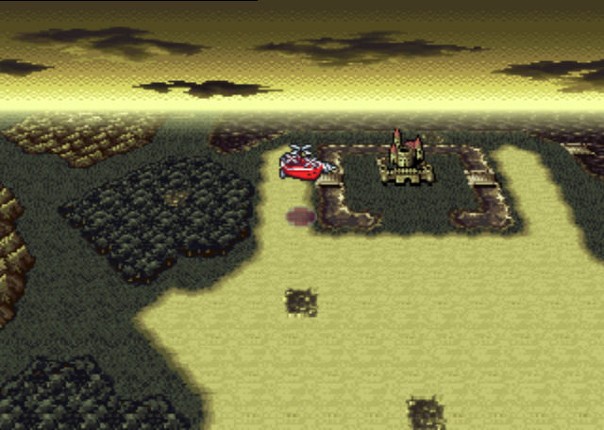
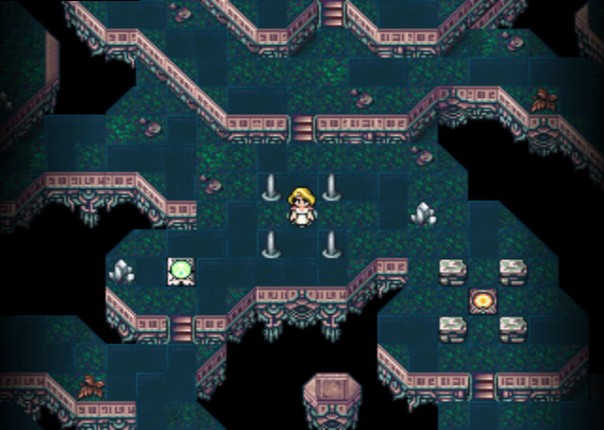
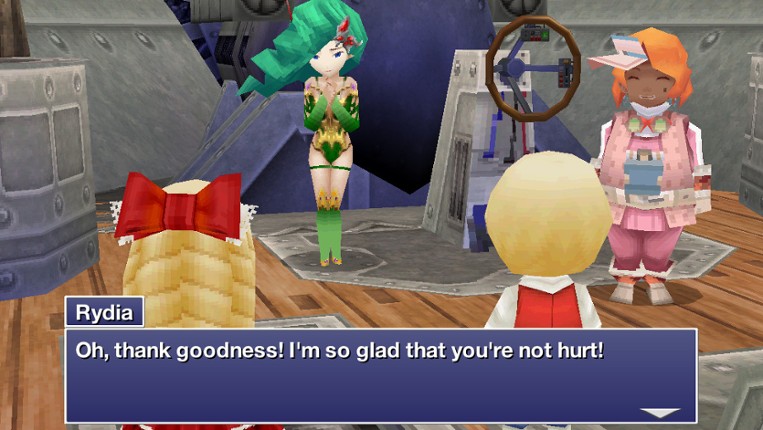
FINAL FANTASY IV: THE AFTER YEARS is a direct sequel to FINAL FANTASY IV. It is a Japanese-style role-playing game released in episodic format. The game uses mechanics, assets and graphics from various releases of FINAL FANTASY IV (Wii version features enhanced graphics). The characters travel across the world map (although the whole map only becomes accessible in the final Tale The Crystals) fig…
Skip User Reviews

59%
Audience ScoreBased on 432 reviews
story97 positive mentions
grinding73 negative mentions

  • Enjoyable continuation and expansion of Final Fantasy IV with a large cast of both old and new characters
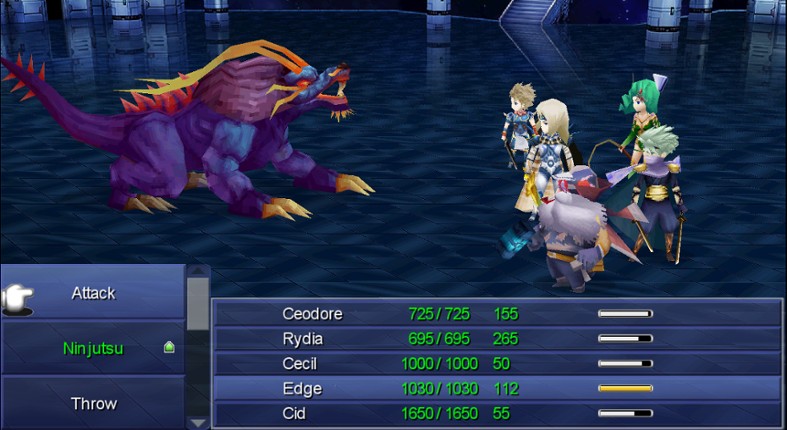
  • Classic turn-based combat with the addition of strategic band abilities and lunar phase mechanics
  • Nostalgic and engaging for fans of FFIV, with a lengthy storyline and multiple perspectives
  • Heavy reuse of assets including maps, dungeons, bosses, music and story elements leads to a repetitive and unoriginal experience
  • Gameplay is slow paced and grind-heavy with frequent backtracking through the same areas multiple times per chapter
  • PC port issues include poor frame rates, crashes, graphical glitches, missing content and UI/controls that are not optimized for PC
  • story
    406 mentions Positive Neutral Negative

    The story of Final Fantasy IV: The After Years serves as a direct sequel to the original FFIV, continuing about 15-17 years later with familiar characters and their descendants facing new threats. While it offers some engaging moments and expanded character development, many players find the narrative repetitive, fragmented due to its episodic structure, and heavily reliant on reusing locations, plot points, and themes from the original game. Ultimately, the story is often seen as underwhelming and not as compelling or well-paced as its predecessor, making it primarily appealing to dedicated fans of the original rather than newcomers.

    • “Final fantasy iv: The after years is a direct sequel to the original final fantasy iv taking place nearly 20 years after the original story.”
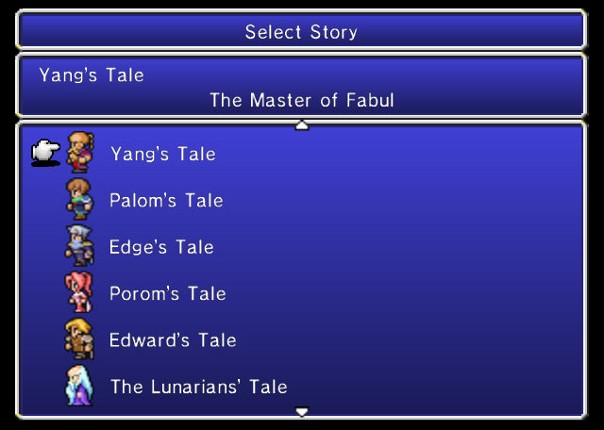
    • “What is unique about the after years compared to any other final fantasy game is that the story is actually told through ten separate tales, each told from different character's point of view. As the game progresses, these separate stories start to gradually connect with each other and the main story starts to get clearer.”
    • “The story and writing in the after years are also actually fairly good, and in my opinion actually better than in final fantasy iv.”
    • “The story, by being split across episodes (many of which occur basically simultaneously), takes forever to get going, and it doesn't help that a lot of the core plot occurs in the final chapter of the game, which primarily consists of two stupidly long dungeons that are absolutely a slog to get through.”
    • “The story is a complete retread of the original Final Fantasy IV, and even on the fastest speed the movement and frame-rate feel like you have glue stuck to the bottom of your shoes.”
    • “Almost every plot element in this game really does feel like fanfiction rather than an official sequel, with a lazy re-hash of previous places and fights, repeated dungeons, and recycled characters and plot points leading to a predictable and tedious experience.”
  • gameplay
    136 mentions Positive Neutral Negative

    The gameplay of this title largely mirrors that of Final Fantasy IV, featuring classic ATB turn-based mechanics with minor new additions like "bands" (combo attacks) and a moon phase system affecting combat. While these new elements add some strategic variety, many reviewers found the progression repetitive, the mechanics somewhat outdated or clunky, and the moon phase mechanic annoying or underwhelming in practice. Overall, the gameplay is functional and faithful to the original but lacks significant innovation, resulting in a mixed experience that may appeal mainly to fans of the original game.

    • “The combat and gameplay is a pure improvement in every way, the endgame is challenging but not too grindy (although if you want the absolute best equipment, be ready to waste hundreds of hours), and the lore is there.”
    • “It allows us to get to know the old characters from FF4 better and introduces some interesting new ones, it expands on the combat system with new mechanics and it offers a nice variety of party compositions to use in the different chapters (and total freedom to use anyone you want in the last part).”
    • “The gameplay is great, you have bands, which are just collaboration moves.”
    • “Final Fantasy IV: The After Years is by far the least mechanically unique game in the series. The Active Time Battle system was groundbreaking at the time, but using it for all five subsequent games diminishes its uniqueness, and the systems don't offer anything new or significant.”
    • “The game is deeply tedious with drawn-out, grindy gameplay. Most of the interesting plot and story development is couched in useless fluff that doesn't serve the story or player enjoyment.”
    • “On a gameplay level, it feels like the team was going through the motions, reusing core mechanics from FF4 without understanding why they were effective. Coupled with odd difficulty spikes and sudden changes in challenge, it makes for a jarring experience.”
  • grinding
    74 mentions Positive Neutral Negative

    Grinding in this game is widely criticized for being excessive, tedious, and often necessary to progress, especially in the endgame and for completionist goals. Players report long hours spent farming rare items, leveling numerous characters from scratch repeatedly, and enduring repetitive dungeon crawls, which frequently detracts from enjoyment and pacing. While some appreciate the challenge and nostalgia, many find the grind overwhelming, slow, and poorly balanced, making it a significant downside overall.

    • “The combat and gameplay is a pure improvement in every way, the endgame is challenging but not too grindy. Although if you want the absolute best equipment, be ready to spend hundreds of hours.”
    • “Completing the bestiary includes running around for hours to find rare encounters that only show up during specific moon phases, which are so overpowered compared to the player's progression that you get one-shot immediately unless you've spent literal hours grinding.”
    • “Each story takes about 3-4 hours to run through, but the final stories are very grindy in the last dungeons.”
    • “Despite the slow leveling throughout the whole game, there is another 20-30 hours of grinding or more needed to beat the final boss.”
  • music
    68 mentions Positive Neutral Negative

    The music in the game largely recycles tracks from Final Fantasy IV, delivering a strong sense of nostalgia with faithful, high-quality remasters that fans appreciate. While the soundtrack includes a few new compositions, these are often viewed as less memorable or occasionally mismatched, and frequent technical issues like music cutting out and track overlaps detract from the experience. Overall, the music is praised for its nostalgic value but criticized for lack of originality and implementation problems.

    • “Music is good, typical Final Fantasy-quality music here, and many of the songs are faithful throwbacks to Final Fantasy IV, with even some that Final Fantasy XIV players will recognize.”
    • “The soundtrack stays awesome, can't get enough of it.”
    • “If you enjoyed Final Fantasy IV, you'll probably get a nice nostalgia high from playing through this sequel. The music is preserved beautifully, and the feeling of the original seeps through.”
    • “Music has a chance of cutting out whenever tracks change, meaning you constantly have to deal with completely silent victory screens.”
    • “If you play FF4 and FF4AF back to back, you'll get very tired of the music.”
    • “2) Sound: voice acting present in the DS FF4 and its re-release on Steam is conspicuous by its absence. This combined with the cut out of background music in 3/4 scenes already leaves text boxes and the click of keys as the only way of being immersed. Final Fantasy games are renowned for their music, so this is disappointing.”
  • graphics
    66 mentions Positive Neutral Negative

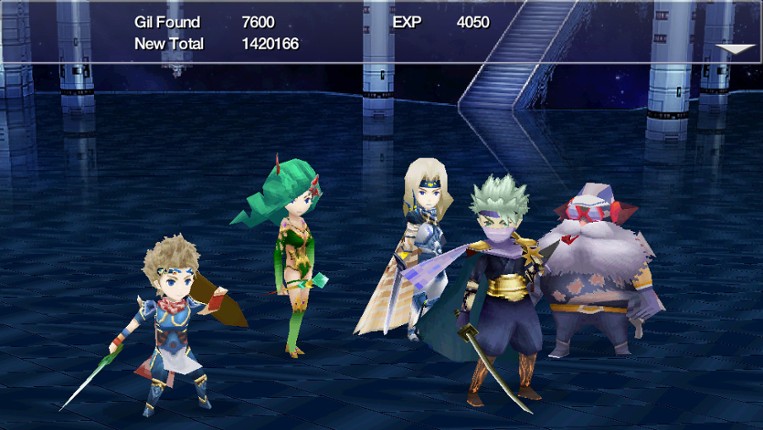
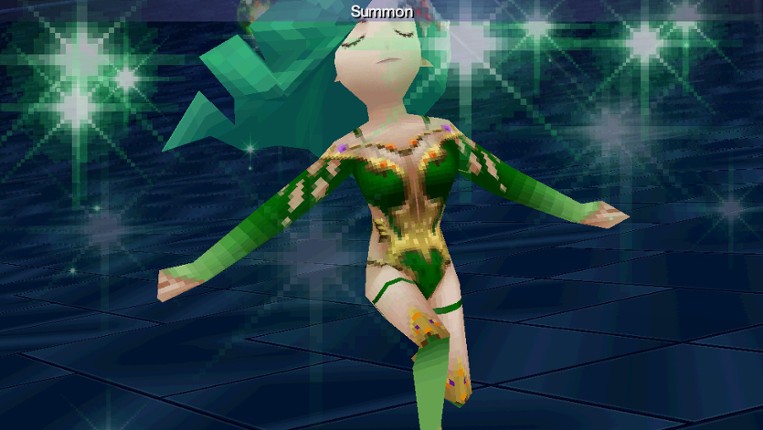
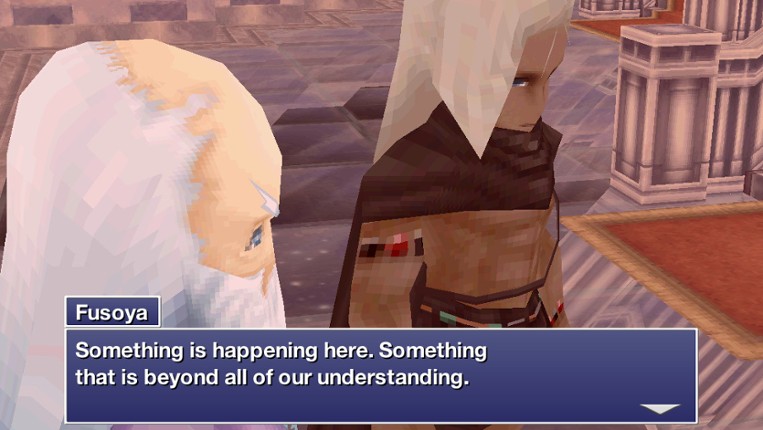
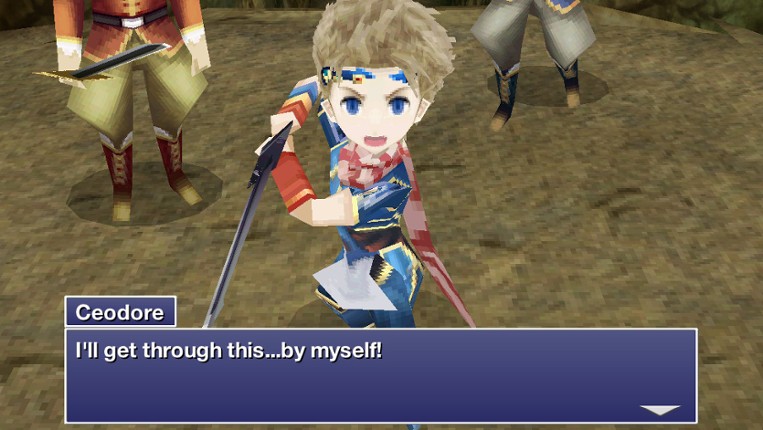
    The graphics of Final Fantasy IV: The After Years receive mixed reviews, with many criticizing the 3D chibi-style models as awkward, outdated, and inferior to the original 2D sprites from earlier versions like the SNES or PSP. While some appreciate the nostalgic charm and occasional visual improvements in cutscenes, the overall consensus highlights clunky polygonal graphics, low frame rates, and a forced perspective that detracts from the experience. Fans often prefer earlier sprite-based versions, noting the remakes' graphics feel cheap or dated compared to the series' tradition.

    • “The story is still the same story I enjoyed so much, but with better visuals.”
    • “Final Fantasy IV: The After Years is based on the epic quest of the 2009 release of FF IV: The After, but enhances the experience with an all-new 3D graphical presentation.”
    • “It has a great story, great combat system, and really decent graphics on this port!”
    • “After beating it, I would say it has the worst graphics ever... but it was nice to see the 3D version of The After Years play out in the ending, which was great.”
    • “Graphics: 3/10 they are honestly worse than Super Nintendo graphics; to get this level of horrid, they literally had to try for the worst possible.”
    • “I really wish SE kept the 2D graphics of FF4 because the 3D is just ugly.”
  • character development
    11 mentions Positive Neutral Negative

    Character development in the game is mixed, with some returning characters like Palom and Kain receiving meaningful growth, while many others feel underdeveloped or stuck revisiting old ground. The episodic format and disjointed storylines often hinder deep character attachment, though a few intriguing twists and improvements on familiar characters are noted. Overall, character development is seen as uneven and less impactful compared to prior entries.

    • “In FF4, I started getting glimpses of character development, which was quite nice, but in this one, the characters felt much more alive in terms of personality.”
    • “Now, while some parts of this story are a little one-dimensional, they vastly improved on the character development.”
    • “Many old familiar characters such as Kain, Edward, Palom, and Porom (hey, those two are 22 and not 5 now!) also receive more welcome character development.”
    • “Of the returning characters, only two (Palom and Kain) even have character development that isn't just retreading old ground in a "hey remember Final Fantasy IV?"”
    • “The story is split into tales to try to have more character development, which doesn't work well especially when the storylines of each tale cross each other.”
    • “- Episodic format feels disjointed and takes too much focus away from vital character development; the player doesn't get to really attach themselves to these characters before being swept up into the next shuffling chapter”
  • stability
    8 mentions Positive Neutral Negative

    The game suffers from multiple stability issues, including font and UI glitches, frequent visual and audio bugs, and occasional crashes, particularly in dungeon areas where softlocks and overlapping music tracks occur. Performance problems such as slowdowns and extended freezing further hinder the experience, suggesting a rushed and poorly optimized port.

    • “Runs great on Steam Deck.”
    • “I experienced a bunch of visual and audio glitches throughout my play, which is frustrating. It feels like this port was rushed and poorly optimized, focusing more on profit than quality.”
    • “The dungeon seemed particularly buggy, with a previous boss softlocking because a character jumped and refused to come down, two music tracks overlapping, and then a crash.”
    • “At certain actions, the game nearly freezes, forcing me to wait 10-20 seconds before it continued.”
  • monetization
    5 mentions Positive Neutral Negative

    The game's monetization is widely criticized as a confusing and lazy cash grab, prioritizing profit over quality and detracting from the overall experience.

    • “From the word 'go', everything about this game sets itself up to be a confusing cash grab that, at best, just kinda plays the hits.”
    • “The sequel we got is a confusing cash grab that, at best, just kinda plays the hits.”
    • “It's a lazy cash grab game that should be avoided and nothing more.”
  • optimization
    5 mentions Positive Neutral Negative

    Optimization receives mixed feedback, with some users experiencing smooth performance without noticeable issues, while others suggest it heavily depends on individual hardware and Windows versions, indicating inconsistent optimization across systems.

    • “I did not encounter any issues with performance or any noticeable bugs.”
    • “I believe it ultimately depends on your hardware and version of Windows you are running as to whether the game will run smoothly and reliably or not.”
  • humor
    4 mentions Positive Neutral Negative

    The game features a mix of old and new characters delivering humorous stories, maintaining the original's sense of humor while introducing fresh protagonists. The humor remains engaging, though some locations feel familiar, reflecting the game's continuity over time. Overall, it offers a consistently funny experience.

    • “Lots of funny tales with old and new characters.”
    • “At first, it was funny, going around places already seen throughout the first game (well, the world can't change that much over just 15 years or so!).”
    • “Even the characters seem to retain the sense of humor they had from the first game, while introducing new children and followers that serve as the protagonists in the new game.”
  • emotional
    3 mentions Positive Neutral Negative

    The emotional impact of the game is mixed, with some finding the story touching, while others describe it as boring and forgettable. Overall, the emotional engagement may depend on individual preferences regarding story depth and character development.

    • “This made for a touching story.”
    • “I think it's a 'meh' game: if you really like huge casts and want to touch on the nostalgia left after IV, grab it. But if you dislike extreme grind, huge casts of forgettable characters, and a pretty tepid and boring story, give this one a skip.”
    • “Boring story.”
  • replayability
    2 mentions Positive Neutral Negative

    The game offers improved replayability through a strengthened New Game+ mode and a design that avoids missable content, providing a refreshing experience. However, some feel that overall replay value is limited despite the substantial playtime of 40+ hours.

    • “The New Game+ feature was also enhanced enough to give the game actual replay value, and for once you get the refreshing feeling that nothing is truly missable.”
    • “There is not much in the way of replayability, however, the game will easily take up 40+ hours.”
Skip Critic Reviews

60%Critics’ scoreBased on 1 critic reviews
Skip Game Offers

Buy Final Fantasy IV: The After Years

9h Median play time
7h Average play time
2-11h Spent by most gamers
*Based on 2 analyzed playthroughs
Skip Videos

Videos

Skip Games Like Final Fantasy IV: The After Years
Skip FAQs

Frequently Asked Questions

Final Fantasy IV: The After Years is a tactical role playing game with fantasy and anime themes.

Final Fantasy IV: The After Years is available on PC, Windows, Wii and Mobile Platform.

On average players spend around 7 hours playing Final Fantasy IV: The After Years.

Final Fantasy IV: The After Years was released on February 18, 2008.

Final Fantasy IV: The After Years was developed by Square Enix.

Final Fantasy IV: The After Years has received neutral reviews from both players and critics. Most players liked Final Fantasy IV: The After Years for its story but disliked it for its grinding.

Final Fantasy IV: The After Years is a single player game.

Similar games include Bravely Default 2, FINAL FANTASY XII THE ZODIAC AGE, FINAL FANTASY XIII, FINAL FANTASY XIII-2, Octopath Traveler and others.