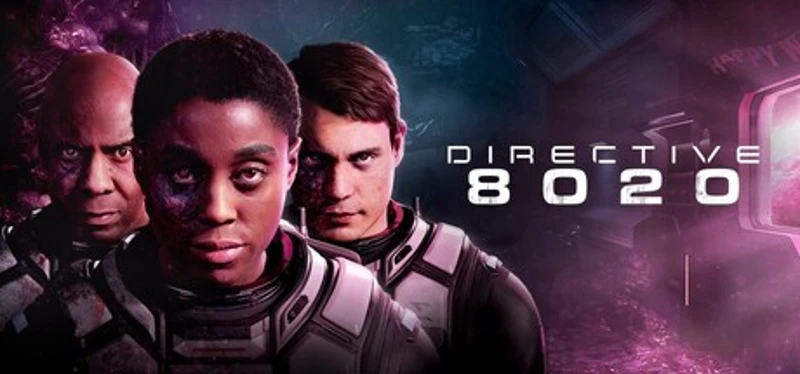
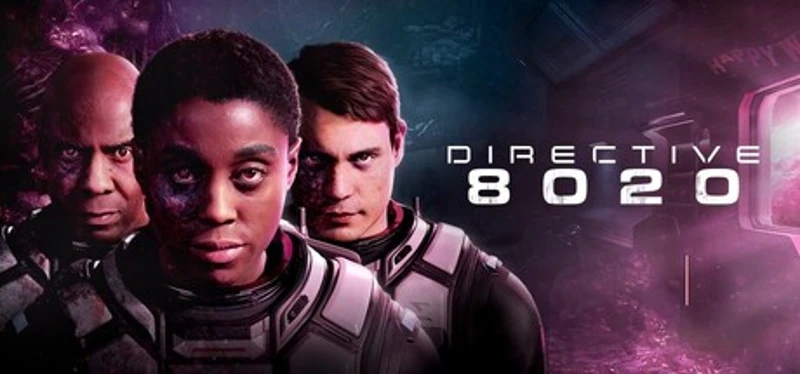
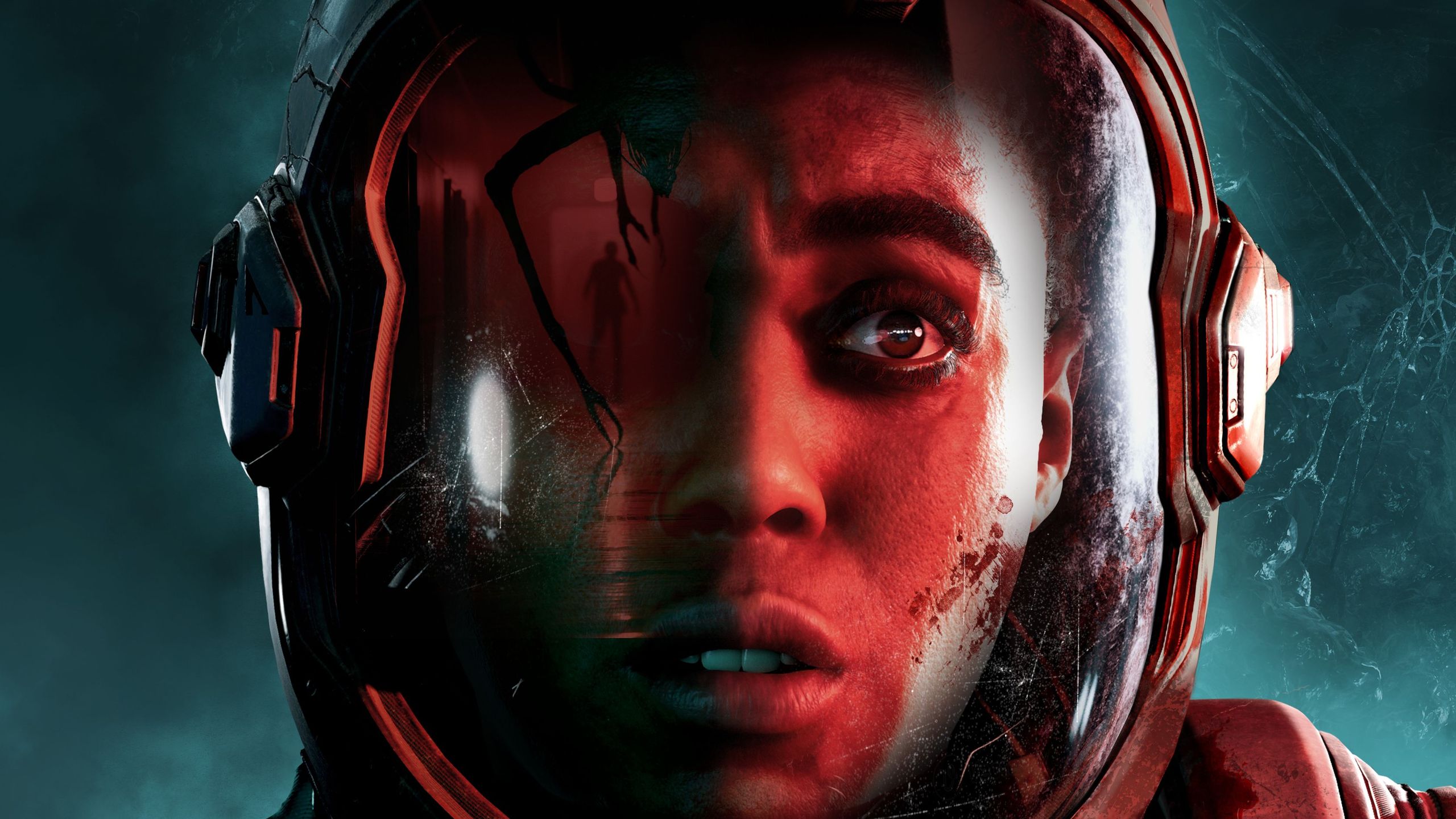
Directive 8020 Game Cover

About

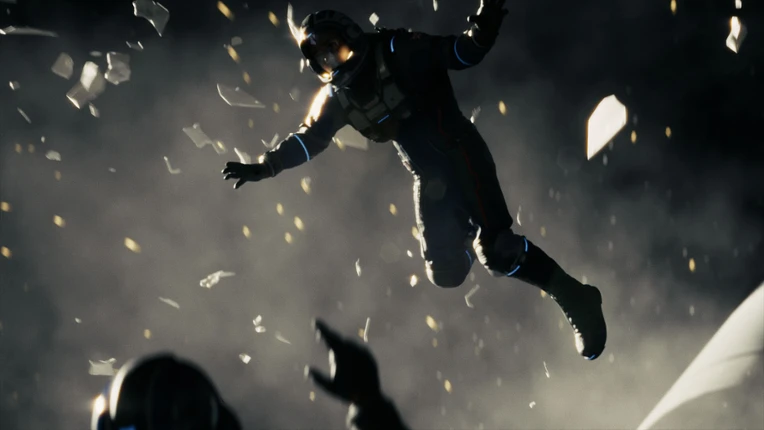
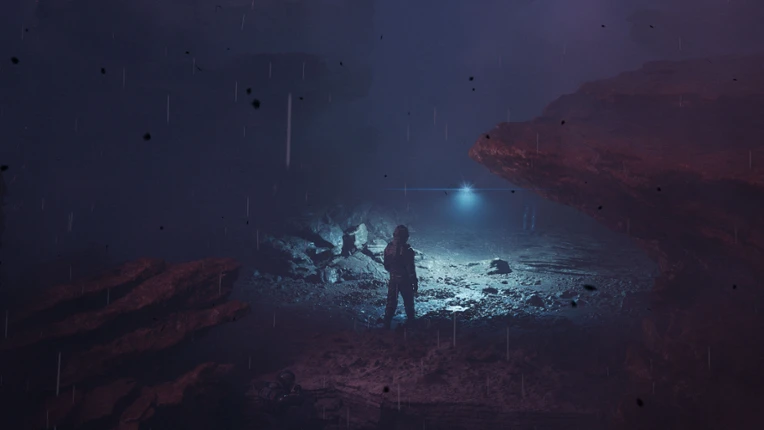
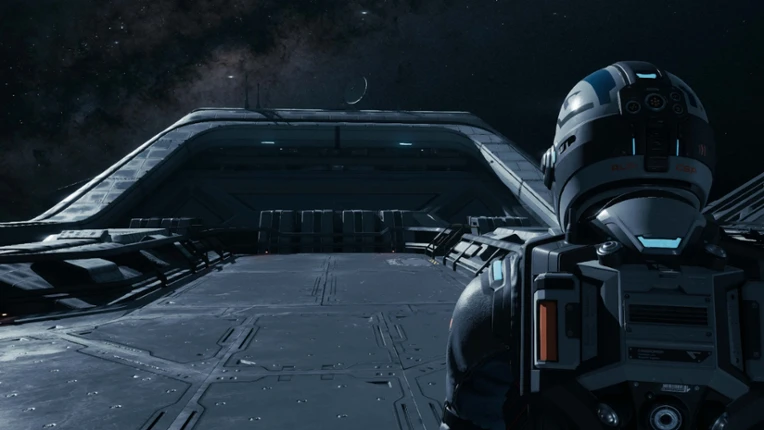
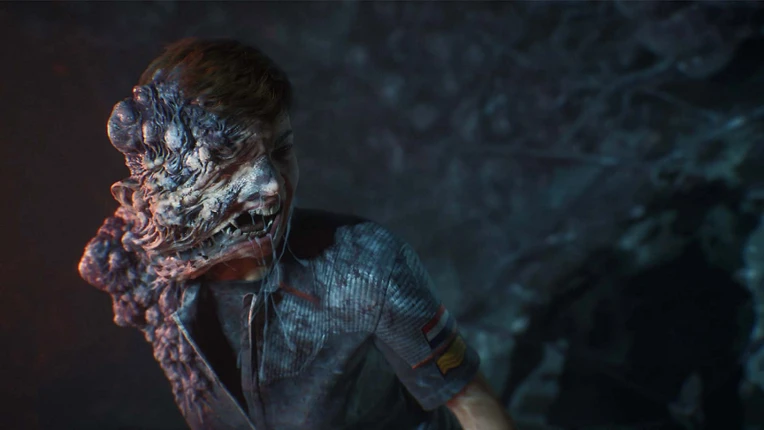
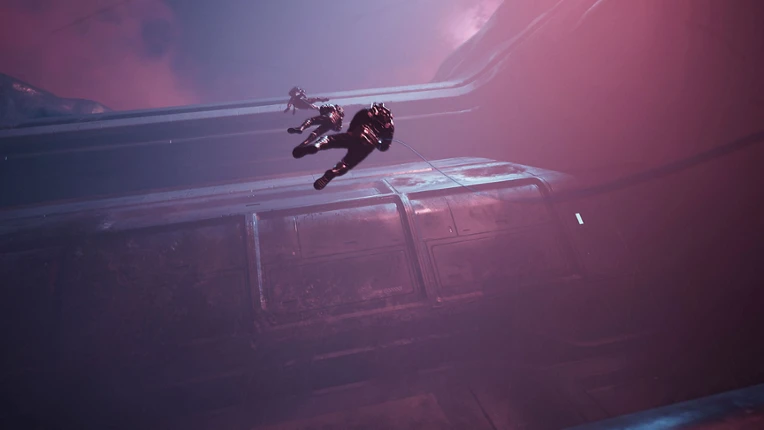
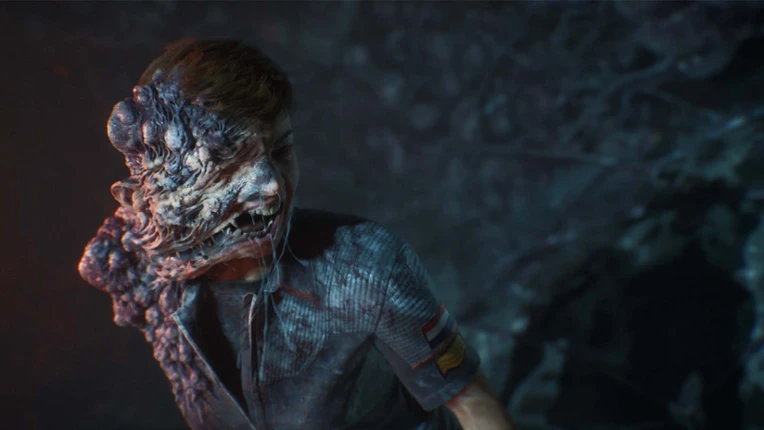
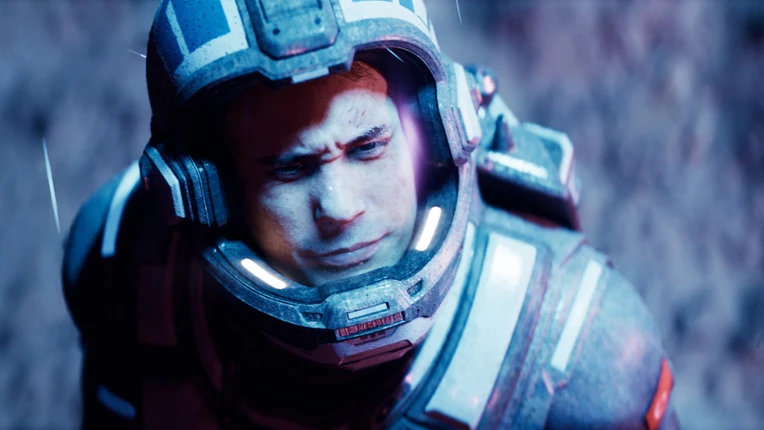
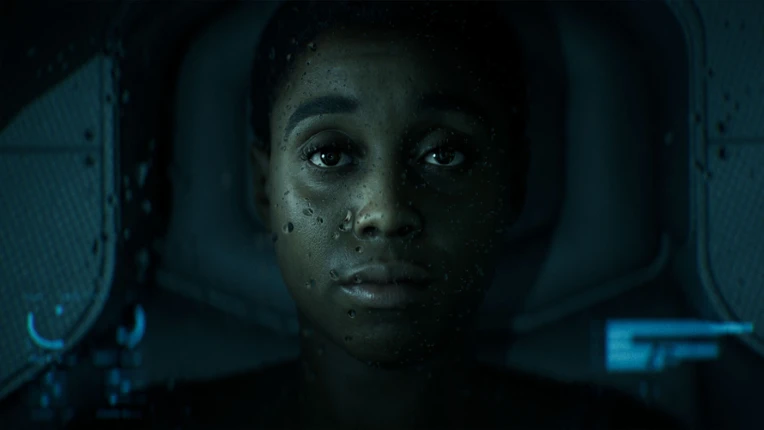
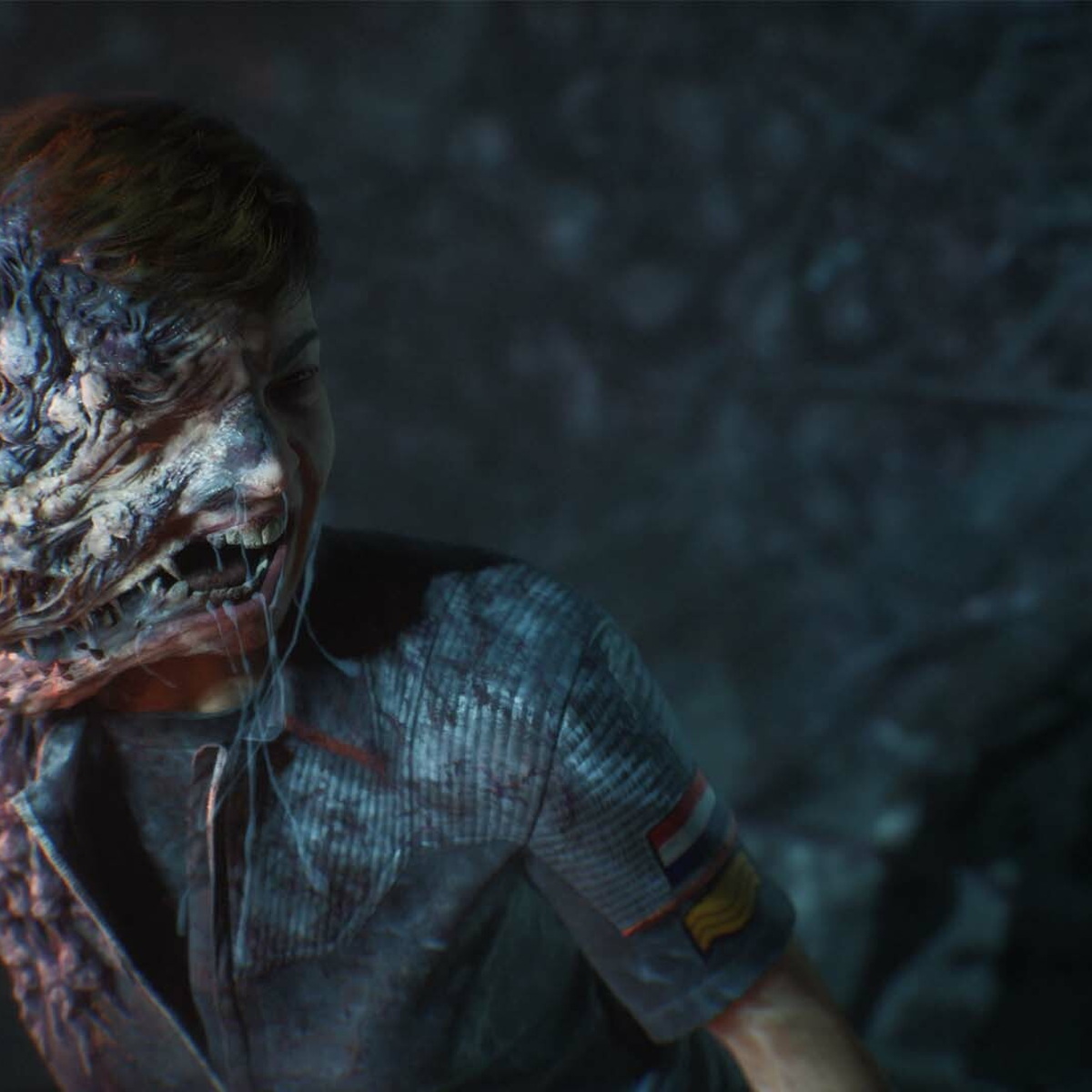
Directive 8020 is a single player and multiplayer survival simulation game with horror and science fiction themes. It was developed by Supermassive Games and was released on May 12, 2026. It received mostly positive reviews from players.

Buy Directive 8020 at PlayStation Store. Survive against an alien threat capable of transforming into your closest allies in a branching sci-fi spine-chiller.
Skip User Reviews

67%Audience ScoreBased on 813 reviews
story246 positive mentions
stability18 negative mentions

  • Compelling story with strong sci-fi horror themes inspired by classics like The Thing and Alien.
  • Good branching narrative system with a new rewind feature (Turning Points) that enhances replayability.
  • Excellent atmosphere, visuals, and sound design that contribute to immersion and tension.
  • Overuse and repetitiveness of stealth gameplay sections that detract from pacing and player engagement.
  • Characters often lack depth and believability, with some poor writing and awkward dialogue.
  • Technical issues on some systems including performance drops, occasional crashes, and lack of online multiplayer at launch.
  • story

    730 mentions Positive Neutral Negative

    The story in Directive 8020 is generally regarded as engaging, immersive, and mature, with strong sci-fi horror influences and intriguing plot twists that keep players invested until the end. However, it has a slow buildup, confusing time jumps, and some narrative inconsistencies, with mixed opinions on character development and dialogue quality. Many fans appreciate the branching choices and replayability, but criticize the repetitive stealth gameplay and removal of key series elements like the narrator and shared story mode.

    • “In short, Supermassive has managed to create a solid sci-fi/horror story that really makes you think of the consequences and, most importantly, succeeds in putting you in the shoes of the characters as they unfold the plot and face their dilemmas.”
    • “Fantastic branching, great story, meaningful choices, and the flowchart is an amazing feature.”
    • “The writing is strong, the themes about humanity, identity, and what defines us are genuinely interesting, and the plot twist is both horrifying and deeply tragic.”
    • “The stealth sections are annoying and sluggish, the texting on your device is immersion breaking, the time jumps at chapter start (into the future) are confusing and don't add anything as compared to playing them in sequence... which could all be forgiven, but the underlying premise of the story is infuriatingly nonsensical, which is why I do not recommend the game.”
    • “Some scenes and actions seem to be just time filling and do not add anything to neither the story, thrill, characters at all.”
    • “The story and dialog appears to be extremely confusing and choices have completely random dialogues-outcomes that do not appear to be related to the option chosen.”
  • gameplay

    347 mentions Positive Neutral Negative

    Gameplay in this title introduces a heavier focus on stealth mechanics, which many found repetitive, shallow, and overused, often detracting from pacing and tension. While some appreciated the added interactivity and new elements like the rewind/turning points system that enhances choice consequences and replayability, the stealth sections, lacking depth and challenge, were widely seen as tedious and less engaging compared to previous entries. Overall, the gameplay is smoother and more involved than before but is hindered by design choices that shift emphasis away from the series' traditional narrative-driven quick-time event style, dividing player reception.

    • “Directive 8020 successfully reinvents The Dark Pictures Anthology formula by blending cinematic horror with stronger survival gameplay systems.”
    • “While earlier games focused heavily on hiding, Directive 8020 introduces significantly more interactive gameplay and mechanical depth.”
    • “The new rewind mechanic is a nice addition, allowing you to return to checkpoints and try different choices without restarting, greatly improving the gameplay experience.”
    • “The stealth mechanic is what just drags it down for me.”
    • “The only mechanic in this game is an awful stealth gameplay that just repeats itself all the time, and isn't even difficult—hell, you can even sprint with the monster barely noticing you.”
    • “The sneak mechanic is boring, annoying, and overused.”
  • graphics

    140 mentions Positive Neutral Negative

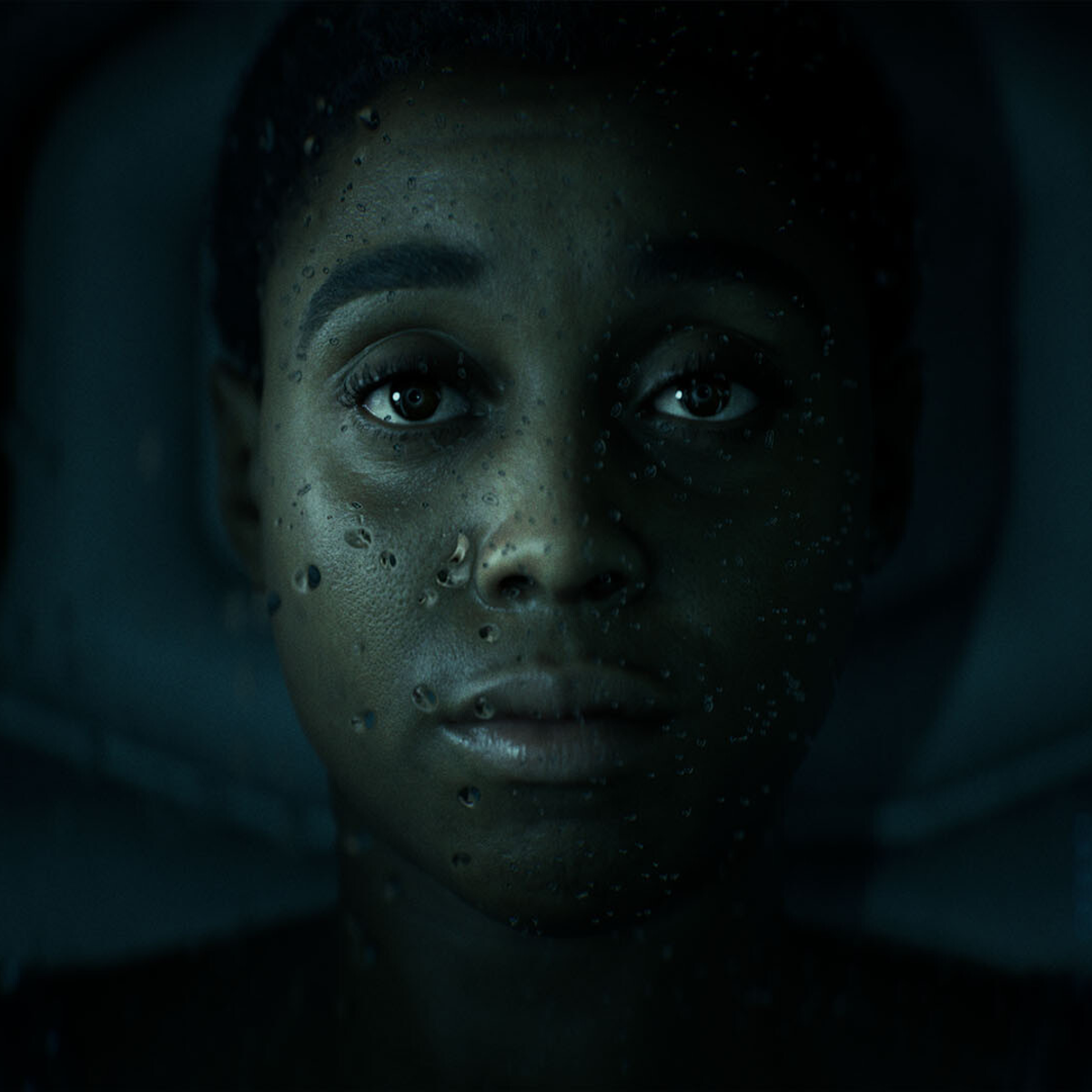
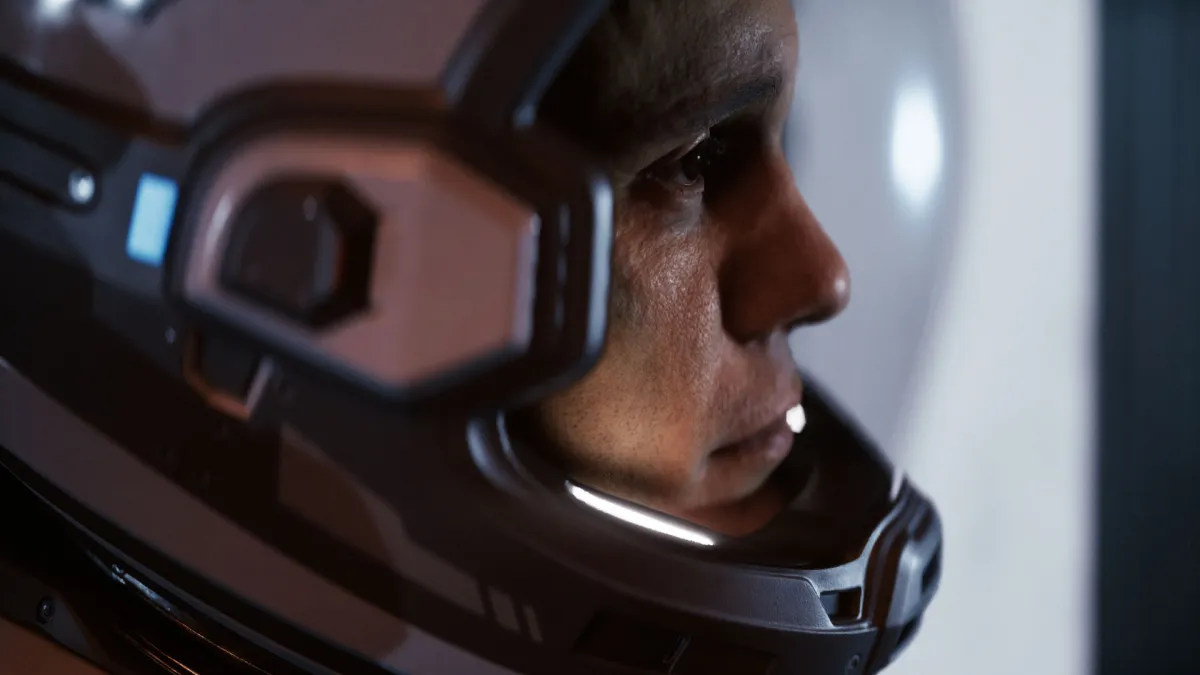
    The graphics are widely praised for their stunning visuals, realistic character models, atmospheric environments, and strong sci-fi horror aesthetic, marking a significant improvement over previous entries in the series. However, optimization issues are commonly reported, especially with path tracing and ray tracing features causing stuttering, crashes, and low FPS even on high-end hardware. Despite some flaws in facial animations and occasional glitches, the overall graphical presentation contributes greatly to the immersive storytelling experience.

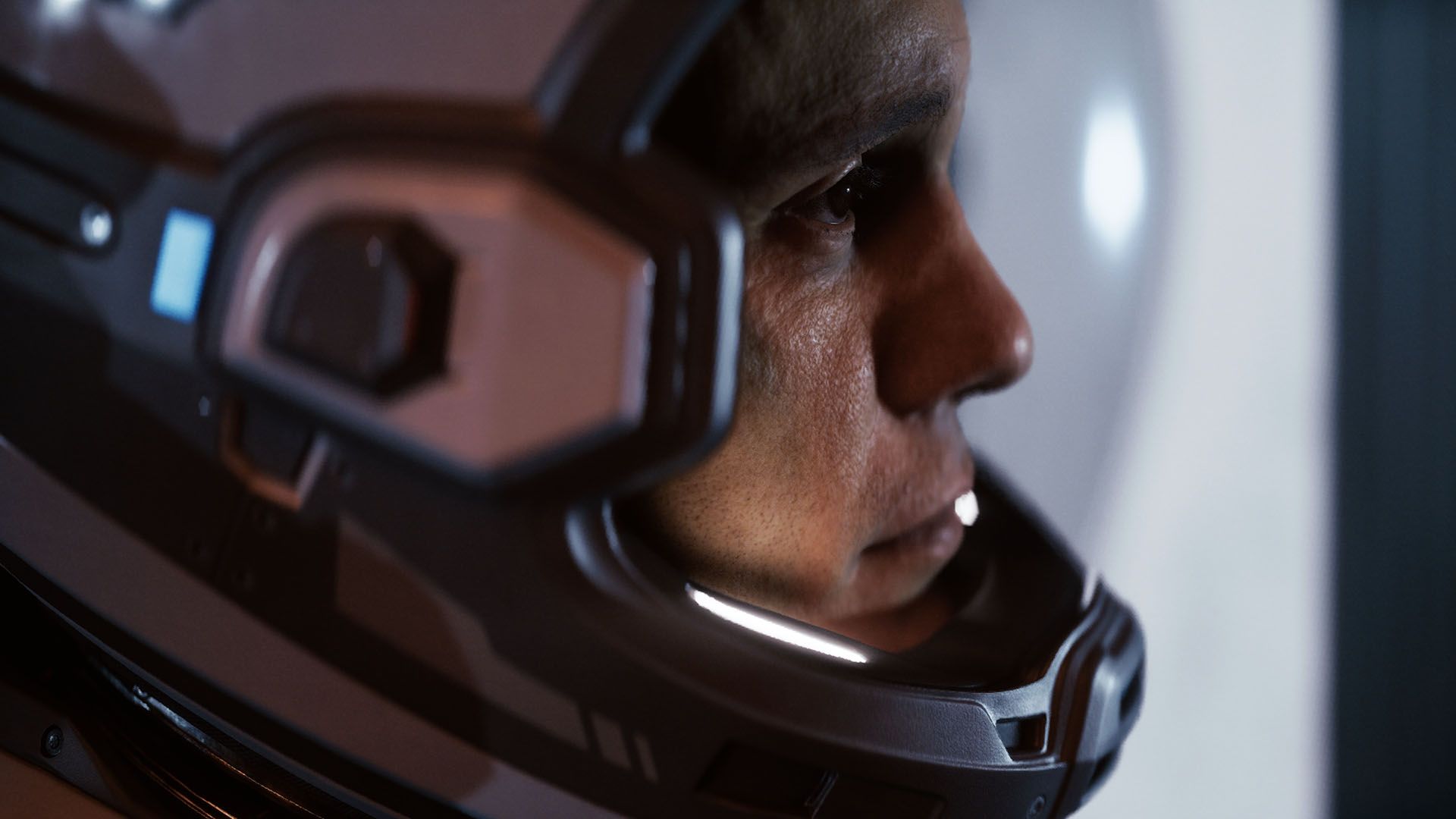
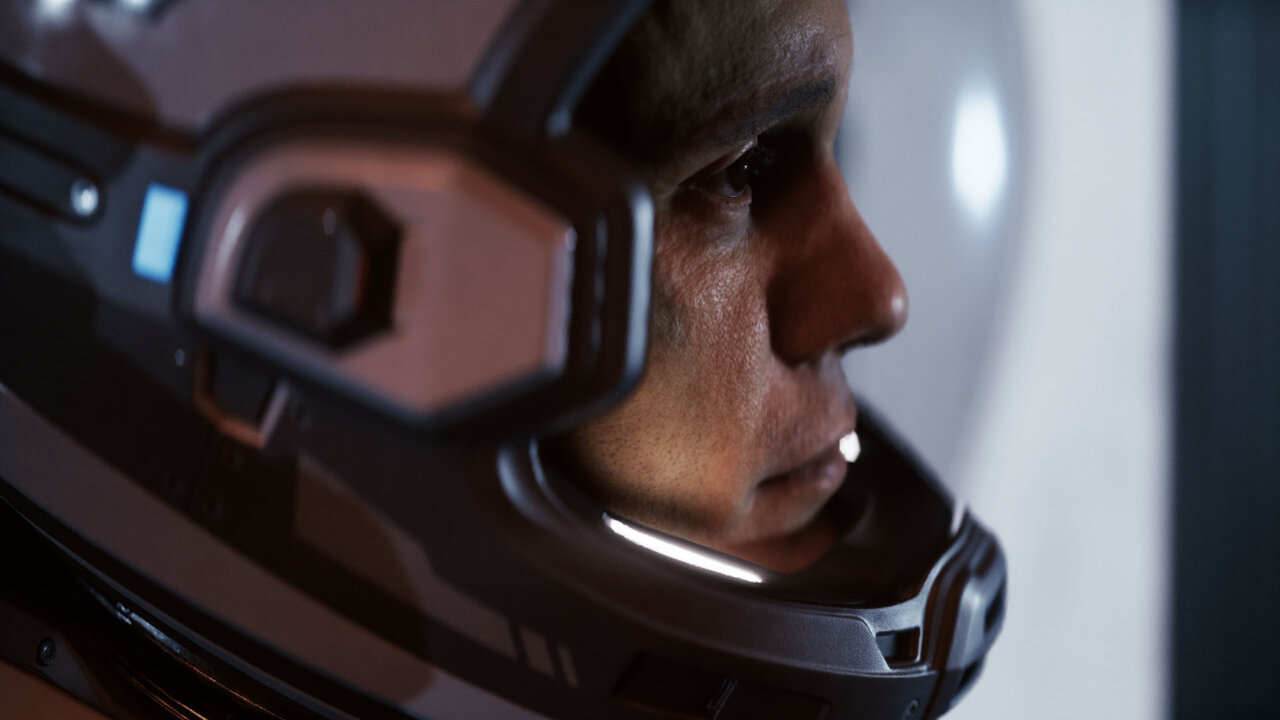
    • “The graphics are stunning, character models look incredibly realistic, and the cinematic camera movements make the whole experience feel like an interactive sci-fi horror movie.”
    • “The writing is good, the graphics are amazing, and the sound design is near perfect!”
    • “The graphics and lighting are the best of the series and oh my does it feel so much more polished than the rest.”
    • “The graphics really haven't come all that far from their original title released 11 years ago, and their games keep jumping in price despite classic elements that fans love being omitted.”
    • “Well where do I begin, UE5 does it again, it's a terribly optimized game, on a 5090, it suffered and stuttered quite a bit despite the graphics being pretty mediocre.”
    • “The game literally won't even let you run the game at native resolution with any sort of ray tracing enabled; it's genuinely unplayable with ray tracing enabled, which is unacceptable in 2026. The graphics look like they are from ~5 years ago, and ray tracing drops performance to 20 fps on a flagship GPU.”
  • optimization

    137 mentions Positive Neutral Negative

    Optimization in the game is highly variable, with many praising solid performance on mid-to-high-end systems when ray tracing and path tracing are disabled, delivering smooth frame rates and stable gameplay. However, enabling ray tracing—especially path tracing—often results in severe performance drops, stuttering, and crashes, even on top-tier hardware, indicating poor optimization for advanced graphics features. Overall, while the game runs well under standard settings, significant optimization issues persist for cutting-edge visual options, impacting the experience for players seeking max fidelity.

    • “And that's a remarkable feat for a game running on Unreal Engine - most often, games using it release in a very unoptimized state.”
    • “Despite everything, the game is well-optimized, with no lags or freezes (which is often an issue with UE5).”
    • “This title is very well optimized, which was my biggest concern after having recently tried the Expanse: Osiris Reborn beta which made me scared of how bad this title would run.”
    • “The game is great, but for sure a punishing game on PC due to poor optimization.”
    • “Let's start with the low-hanging fruit first - performance: ray tracing and path tracing run terribly even on hardware above the recommended specs.”
    • “The game literally won't even let you run at native resolution with any ray tracing enabled; on a flagship GPU, it's less than 20 fps at 1080p, making it genuinely unplayable with ray tracing enabled.”
  • atmosphere

    75 mentions Positive Neutral Negative

    The atmosphere of Directive 8020 is widely praised for its tense, immersive, and creepy sci-fi horror vibe, drawing strong comparisons to classics like Dead Space and The Thing. Enhanced by excellent lighting, sound design, and detailed visuals aboard a claustrophobic spaceship setting, it effectively builds paranoia and suspense throughout most of the game. However, some critiques note uneven pacing, over-reliance on stealth, and occasional underdeveloped narrative elements that can diminish the atmospheric impact in parts.

    • “The paranoia, atmosphere, and constant pressure worked perfectly in co-op, leading to some genuinely stressful and memorable moments during our playthrough.”
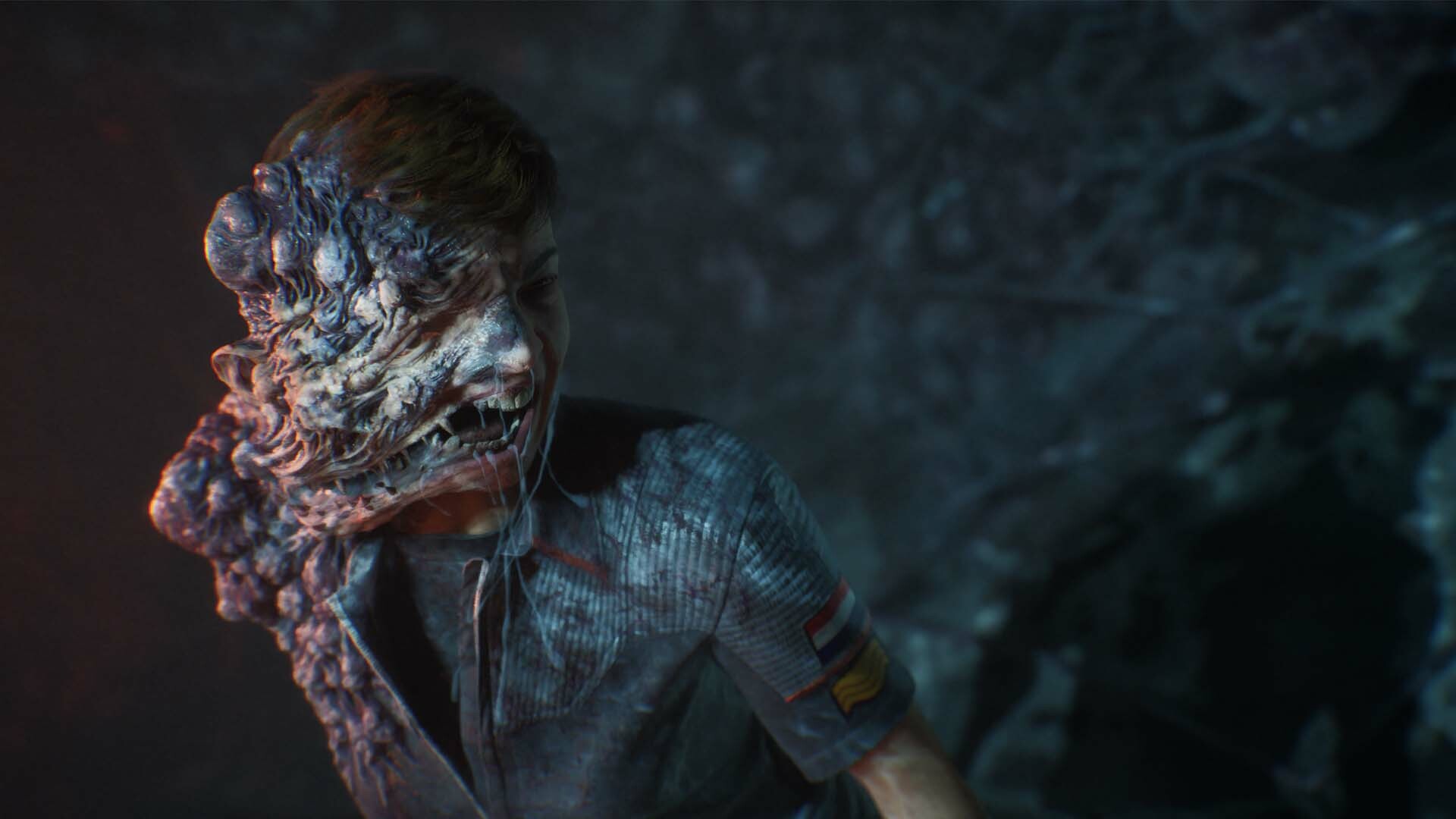
    • “Its oppressive atmosphere, combined with claustrophobic environments and heavy use of darkness, creates a constant sense of unease that keeps the tension simmering throughout.”
    • “The atmosphere, suspense, and tension between the characters were amazing from start to finish.”
    • “I also think that instead of cultivating a truly suspenseful atmosphere, it sort of depends on mostly obvious but still unavoidable jump scares to fulfill the 'horror' part of this horror game.”
    • “The atmosphere is solid, but the gameplay leans heavily on stealth, and there aren’t enough real scares or tough decision-making moments to elevate the tension.”
    • “Yes it created a mysterious atmosphere for a minute but ultimately fell flat when the time came.”
  • music

    41 mentions Positive Neutral Negative

    The game's music and sound design are generally praised for effectively building tension and enhancing the atmosphere, with well-chosen ambient tracks and strong end-of-chapter songs that add to the experience. However, some users find certain soundtrack choices—especially more upbeat or out-of-genre tracks at chapter transitions—distracting or tonally inconsistent. Overall, the soundtrack is considered solid and immersive, contributing significantly to the game's horror and sci-fi mood.

    • “Amazing soundtrack and sound design.”
    • “The atmosphere is amazing, with dark sci-fi environments, great lighting, and a soundtrack that keeps the tension high the entire time.”
    • “This is a fun game, with an awesomely crafted music / sound design (Tomb Raider 2013's composer, Jason Graves) and a lot more stressful situations.”
    • “There is almost no score or music, and therefore no sense of feeling or fear whatsoever.”
    • “But the random songs they had all throughout the game were really just out of place and distracting, leading to very whiplash tonal shifts.”
    • “The soundtrack at the end of episodes is very generic, can't recall any standouts; Alan Wake did it 100x better 15 years ago.”
  • replayability

    34 mentions Positive Neutral Negative

    The game offers strong replayability driven by numerous branching storylines, distinct character perspectives, and a user-friendly system that allows revisiting key decisions easily. While some note it doesn't surpass previous series entries in replay value, the variety of paths and the "turning points" mechanic enhance the experience, making multiple playthroughs engaging and rewarding. Overall, replayability is a highlight, providing many hours of exploration through different choices and outcomes.

    • “Very replayable due to how many distinct storylines there are.”
    • “The choices and branching system in this game is amazing and makes it replayable not only as a whole but in pieces which I love.”
    • “Replayability is excellent because different paths reveal entirely new scenes and character dynamics.”
    • “This is one of those games where I am only recommending it because it's unique for an 8–19 hour binge, but if this review was based on replay value and how that impacts multiplayer with friends, it would be a hard pass and 'not recommended'.”
    • “It was good enough to recommend but almost not due to low replay value.”
    • “The game looks good and the presentation is polished but underneath there is nowhere near enough meaningful content, consequence or replay value.”
  • stability

    25 mentions Positive Neutral Negative

    The game generally runs well and is well-optimized on mid-range PCs, with smooth performance and minimal glitches, especially compared to previous series entries. However, some users report occasional freezes, audio and visual glitches, and crashes, particularly when using ray tracing, indicating room for improvement in optimization and stability.

    • “I have enjoyed every game from this franchise and this is no different. It's solid and runs great on my mid-range PC. There is one section with jitters about one minute long, and I saw a YouTuber with a $10k PC had it too, so it's just optimization in a very small area. Other than that, smooth performance and a great story kept me guessing and proved my theories wrong all the way through.”
    • “No glitches, no bugs, just a single instance of mild stuttering during a cutscene in chapter 8.”
    • “The game runs great on medium settings and highest on textures.”
    • “Lots of crashes, glitches, and poor performance, making it one of the worst UE5 experiences I've had.”
    • “Sometimes the game just freezes for no reason, requiring a reboot.”
    • “Performance is terrible and poorly optimized, with many freezes and stutters even in the main menu, especially when ray tracing is enabled, making the game nearly unplayable.”
  • emotional

    20 mentions Positive Neutral Negative

    The emotional impact of the game is mixed, with many players feeling initially detached due to generic characters, robotic acting, and shallow dialogue that diminish narrative tension. While some appreciation is noted for moments of strong symbolism and emotional payoff towards the end, the overall experience often lacks convincing emotional depth, making it difficult for players to become truly invested in character outcomes.

    • “Little Hope worked because the emotional payoff and symbolism were strong enough to support it.”
    • “The visuals, sound design, and space environment were incredible, and the emotional choices actually felt important.”
    • “Character expressions are far more convincing and help sell the emotional moments.”
  • grinding

    16 mentions Positive Neutral Negative

    The grinding aspect, particularly the stealth sections, is widely regarded as tedious and repetitive, often disrupting the game's pacing and reducing player engagement. While some appreciate the added challenge, many find the frequent, formulaic stealth sequences overused and detracting from the overall experience.

    • “These additions have completely changed the style of game on offer here, removing the majority of what fans of the franchise enjoy, and replacing it with a much slower paced, more involved yet remarkably tedious gameplay system.”
    • “I ended up killing everyone towards the end just to finish because I was so disinterested and quickly bored to tears by the repetitive stealth sections that had no intensity and all followed the same tedious formula.”
    • “The sneak mechanic is overused and incredibly unforgiving, and while some may argue the ability to rewind makes up for this, given there has been at least one sneak section in every chapter I have played so far, it has become quite tedious and I have begun to dread them.”
  • character development

    8 mentions Positive Neutral Negative

    Character development in the game is uneven, with only a few characters being well-developed and memorable, while most lack growth and remain static. Opinions on character design are mixed, ranging from highly detailed but unattractive models to awkward and distracting designs, with some players feeling diversity was forced and ineffective.

    • “Despite the in-depth character development, there are a few characters that might even be memorable.”
    • “The character design is good, with highly detailed models, even though they're all unattractive - but I guess that was the point?”
    • “The character development was really only there for two characters; the rest might as well have been cardboard cutouts.”
    • “Some characters have next to no character development, which is a common problem with most SM games.”
    • “No character development; everyone basically stays the same.”
    • “The character development was really only there for two characters, and the rest might as well have been cardboard cutouts.”
  • humor

    4 mentions Positive Neutral Negative

    The humor in the game is generally weak and unintentional, with writing that feels poorly executed rather than cleverly funny. While there are a few amusing moments, such as some lighting or shadow effects, overall the humor is minimal and overshadowed by the game's stressful and alien atmosphere.

    • “It's stressful, has some funny moments and a very alien isolation-esque feel.”
    • “There are some funny lighting and shadow instances, but overall the preset is perfectly serviceable out of the box.”
    • “I don't mean 'if you spend time poking holes in it there are some inconsistencies,' I mean you could plug in the basic plot outline into ChatGPT and ask 'Hey, does this make sense as a plan?' and it would start laughing.”
  • monetization

    2 mentions Positive Neutral Negative

    Users feel that the game's advertising heavily emphasizes certain features, potentially overstating their presence, which may lead to mismatched expectations regarding monetization elements like ads and trailers.

Skip Game Offers

Buy Directive 8020

3h Median play time
5h Average play time
2-10h Spent by most gamers
*Based on 3 analyzed playthroughs
Skip Videos

Videos

Skip Games Like Directive 8020

Games Like Directive 8020

The Casting of Frank Stone Image
Games like The Casting of Frank Stone
The Dark Pictures Anthology: The Devil in Me Image
Games like The Dark Pictures Anthology: The Devil in Me
The Dark Pictures Anthology House of Ashes Image
Games like The Dark Pictures Anthology House of Ashes
The Dark Pictures Anthology: Man of Medan Image
Games like The Dark Pictures Anthology: Man of Medan
The Quarry Image
Games like The Quarry
The Dark Pictures Anthology: Little Hope Image
Games like The Dark Pictures Anthology: Little Hope
Until Dawn™ Image
Games like Until Dawn™
The Expanse: A Telltale Series Image
Games like The Expanse: A Telltale Series
Fort Solis Image
Games like Fort Solis
Star Trek: Resurgence Image
Games like Star Trek: Resurgence
Skip Game News
Skip FAQs

Frequently Asked Questions

Directive 8020 is a survival simulation game with horror and science fiction themes.

Directive 8020 is available on Xbox Series X|S, PC, PlayStation 5, Windows and others.

On average players spend around 5 hours playing Directive 8020.

Directive 8020 was released on May 12, 2026.

Directive 8020 was developed by Supermassive Games.

Directive 8020 has received mostly positive reviews from players. Most players liked Directive 8020 for its story but disliked it for its optimization.

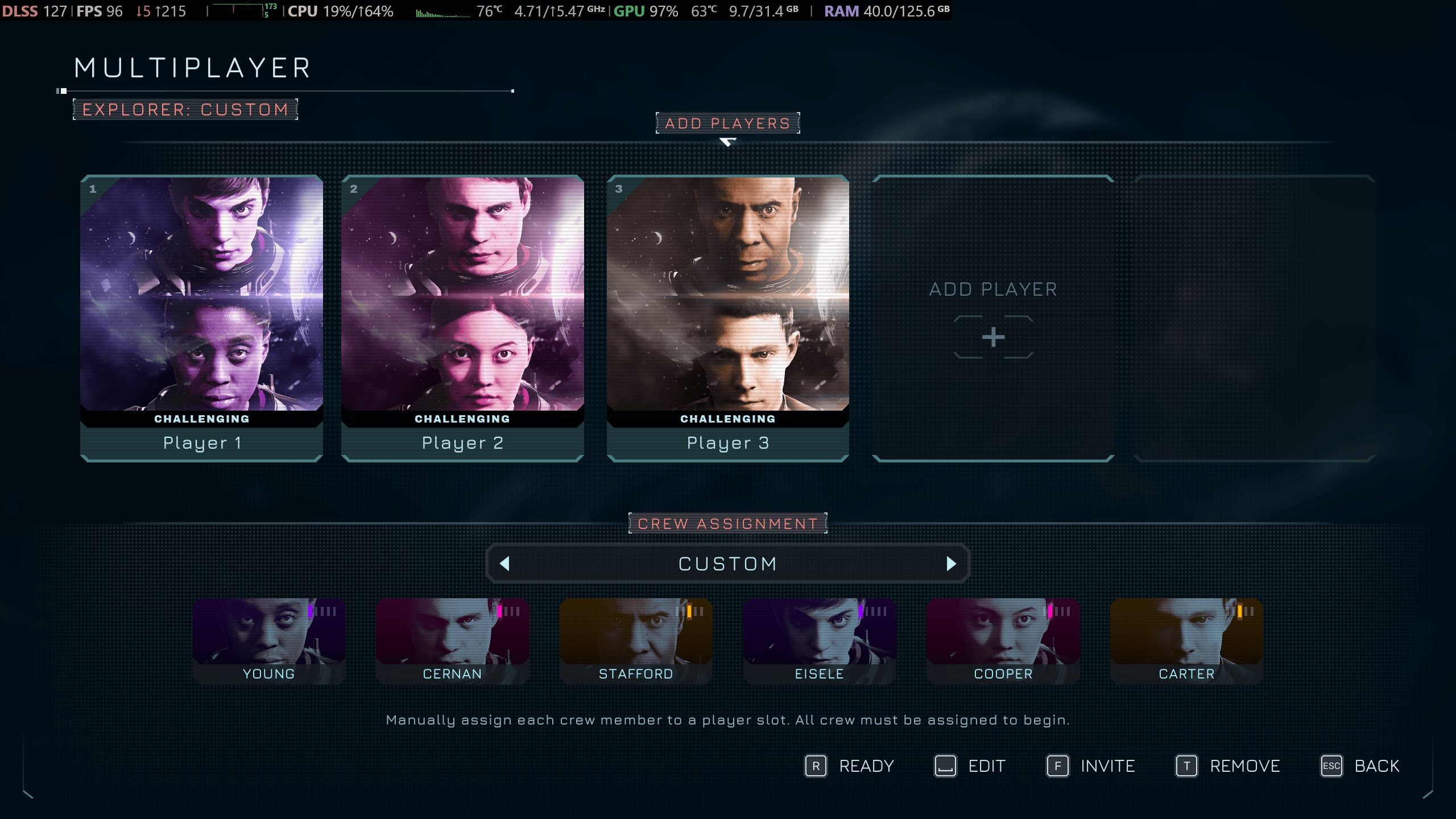
Directive 8020 is a single player game with multiplayer and local co-op support.

Similar games include The Casting of Frank Stone, The Dark Pictures Anthology: The Devil in Me, The Dark Pictures Anthology House of Ashes, The Dark Pictures Anthology: Man of Medan, The Quarry and others.