Trauma Game Cover

About

Trauma is a single player casual action adventure game. It was developed by Krystian Majewski and was released on August 8, 2011. It received mostly positive reviews from both critics and players.

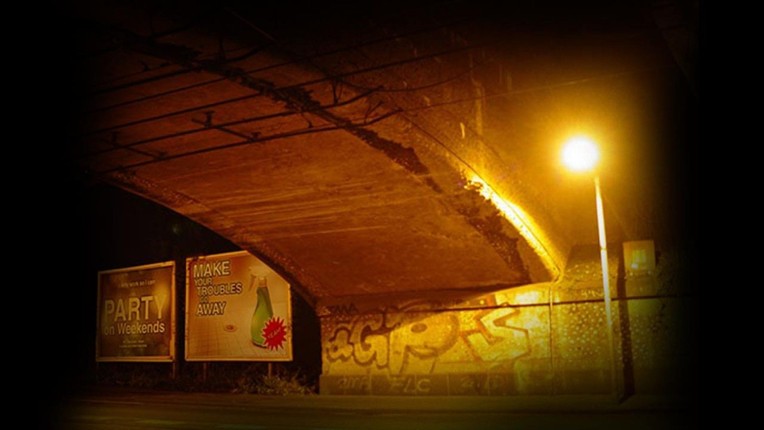
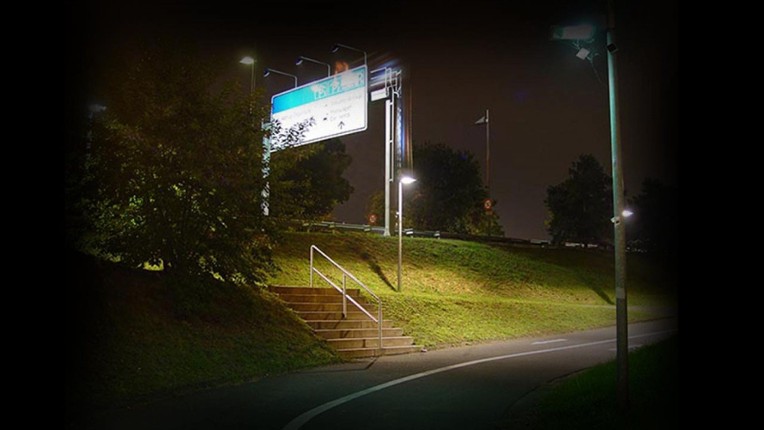
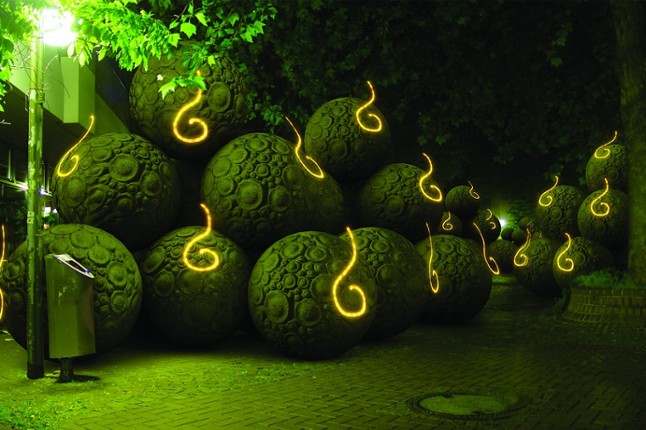
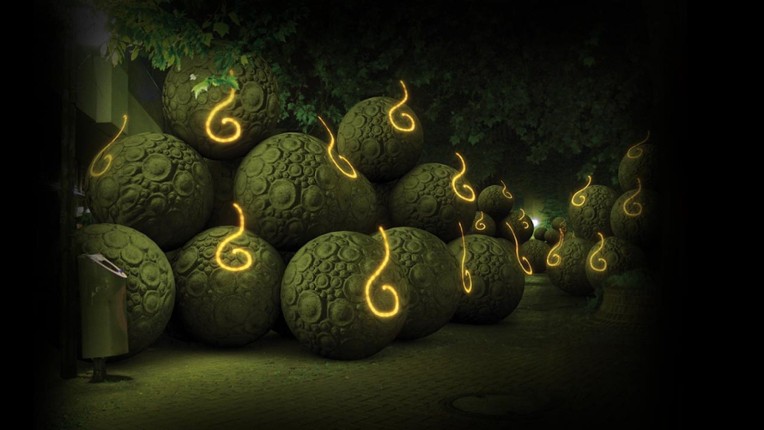
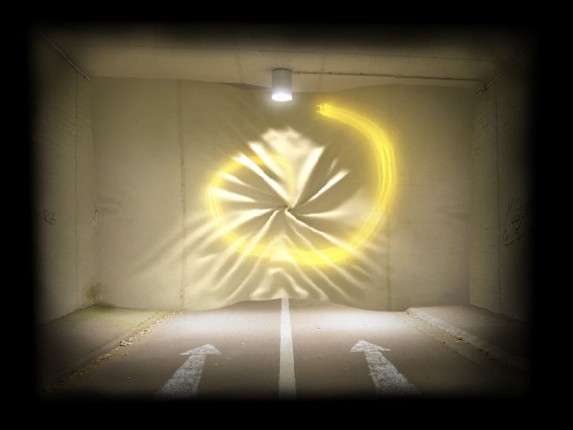
"Trauma" is a single-player arcade game with high-quality graphics, lasting approximately 2 hours. It tells the story of a car accident survivor exploring her dreams through point-and-click adventure-style gameplay, featuring a gesture-based interface, dynamic levels, and photographic visuals, aiming for a deep, mature experience rather than a challenging puzzle game.

Skip User Reviews

68%
Audience ScoreBased on 510 reviews
story38 positive mentions
replayability3 negative mentions

  • Trauma offers a unique and immersive experience, blending photography and storytelling in a dreamlike atmosphere.
  • The game encourages exploration and discovery, with multiple endings and hidden collectibles that enhance replayability.
  • The visuals and sound design create a captivating ambiance that draws players into the protagonist's psyche.
  • The gameplay is very short, typically taking less than two hours to complete, which may leave players wanting more.
  • The narrative can be vague and abstract, making it difficult for some players to connect with the story or characters.
  • The controls and navigation can be confusing, leading to frustration when trying to explore the environments.
  • story
    199 mentions Positive Neutral Negative

    The story of "Trauma" is described as abstract and vague, often requiring players to piece together its meaning through exploration and interaction with the environment. While some appreciate its innovative storytelling and atmospheric presentation, many find the narrative disjointed, lacking depth, and ultimately unsatisfying, with a focus on style over substance. Overall, it is seen more as an interactive story than a traditional game, appealing to those who enjoy experimental narratives but leaving others feeling unfulfilled.

    • “The story is mainly told through the environment and finding pictures hidden within the levels.”
    • “Trauma is storytelling at its finest, both innovative and gripping, where existentialism meets photography, and the lonely world of purgatory demands the answer to mankind's search for meaning in life.”
    • “You are taken in by a recognizable yet unfamiliar world and its chilling story told through the sobering, reflective monologues of a young woman, recounting her dreams while recovering in hospital.”
    • “The vague and obtuse story does little to carry this mash-up of a hog and a PowerPoint presentation.”
    • “The story is extremely vague.”
    • “The story was so abstracted and boring, and there were no puzzle elements or really any clues to find at all.”
  • gameplay
    96 mentions Positive Neutral Negative

    The gameplay of "Trauma" is characterized as simplistic and often compared to a point-and-click experience, with a focus on exploration and discovering hidden items within dream-like environments. While some players appreciate the unique mechanics, such as drawing symbols to interact with the game world, many find the gameplay repetitive and lacking depth, leading to a mixed reception overall. The game is more about the immersive atmosphere and storytelling than traditional gameplay, making it appealing primarily to those who enjoy experimental indie titles.

    • “The gameplay can be compared to an investigation: you're assigned to a location, and must find the right angles to find clues and how to get out of the dream.”
    • “The resulting outcome, gameplay-wise, is essentially a dream-like experience, in which the task is to make sense of the location, find some hidden memorabilia items, and wake up from that dream.”
    • “The mechanics of the game are very reminiscent of a game called The Void, even down to the look of the symbols as they are drawn, but that's not a bad thing - The Void was a creative masterpiece that way and I love the interface.”
    • “It's an art piece that took 20 minutes to see everything, with all the gameplay of a PowerPoint presentation and almost the exact same screen transitions.”
    • “There's no deep gameplay or clear story to be found here, just a lot of clicking and speculation.”
    • “Trauma is one of those games where you can't really call it a 'game' since there's no actual gameplay.”
  • graphics
    54 mentions Positive Neutral Negative

    The graphics of the game are a mix of low-resolution photographic visuals and 3D elements, creating a unique but often blurry aesthetic that some players find intriguing while others consider outdated. The use of photography contributes to a surreal atmosphere, though the visuals can be polarizing, with some praising their artistic value and others criticizing their clarity and coherence. Overall, the graphics are seen as a defining feature of the game, appealing to those who appreciate an artsy, experimental style, but may not satisfy players looking for modern graphical fidelity.

    • “The use of photography gives this game a very unique aesthetic, and the puzzles aren't exceedingly difficult, though some solutions are a bit out there.”
    • “I really love the use of photographs blended with 3D graphics, and wow, actual film!”
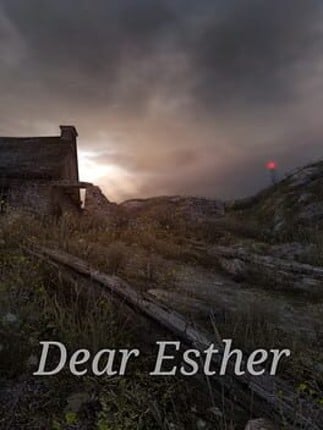
    • “Some might say that Dear Esther could be given the same criticism, however, DE is a much richer experience, immersive in its beautifully executed graphics and sound design which (with a little help from headphones and a dark room) can transport the player into the setting giving them a large sense of immersion.”
    • “The graphics are also rather low resolution by modern standards, so the imagery often looks blurry and pixelated.”
    • “The controls are point & click, the graphics are outdated.”
    • “This isn't really a game and is more so an artsy display of someone's photography/graphic design mixed with a short film that is laid out badly.”
  • atmosphere
    43 mentions Positive Neutral Negative

    The atmosphere of the game is widely praised for its unique charm, dreamlike quality, and ability to evoke deep emotions, often described as calming, eerie, or melancholic. Players appreciate the combination of music, visuals, and storytelling that create an immersive experience, despite some criticisms regarding gameplay and narrative coherence. Overall, the game's atmosphere stands out as its most compelling aspect, drawing players into a surreal and thought-provoking world.

    • “The surreal atmosphere is almost 'ahead of its time' in how popular empty spaces became in recent years.”
    • “Mysterious, atmospheric, and beautiful puzzle story - one of the best phone games ever.”
    • “The atmosphere and mood she sets with her contained, pensive descriptions of her surroundings creates a melancholy feeling reminiscent of many dreams; this unmutable sense of unlimited confinement and powerlessness.”
    • “Played late at night with the lights off, the game manages to create an eerie, sometimes creepy atmosphere.”
    • “Controls were unwieldy, and the atmosphere was very eerie and creepy, just generally uninviting.”
    • “I personally don't like the setting, the atmosphere is really sad and flat, voice acting is very poor.”
  • music
    39 mentions Positive Neutral Negative

    The music in the game is frequently praised for its ability to create a captivating atmosphere, with many reviewers noting its melancholic and thoughtful qualities that enhance the overall experience. While some find the soundtrack memorable and fitting for the game's themes, others describe it as understated or even forgettable, suggesting it serves more as background ambiance than a central feature. Overall, the music contributes significantly to the game's emotional tone, despite mixed opinions on its prominence and impact.

    • “The soundtrack is fantastic; whoever made it should be given a lot of credit for really creating an intense atmosphere while playing the game. The intro song is really good, and the slower melodies strike a chord in me. I don't know why, but the soundtrack is ideal for the overall theme and tone the game wanted you to feel.”
    • “The music and visuals are excellent, but that's about all Trauma has to offer.”
    • “Brilliant music direction and composition - it lends so much to the atmosphere.”
    • “The music and voice acting is unremarkable; I actually play with the sounds off since I got tired of the 'doesn't work' sound when I use a wrong gesture.”
    • “The music, though, is quiet and thoughtful, almost more background noise than soundtrack.”
    • “The puzzles don't feel thought through and what music there is detracts from the game.”
  • emotional
    16 mentions Positive Neutral Negative

    The emotional aspect of the game is characterized by its attempt to tackle complex themes of trauma and personal growth, often resonating deeply with players, though responses vary widely. While some find the storytelling and visuals to be beautifully evocative and mature, others criticize it for being overly simplistic or lacking depth. Overall, the game offers a unique emotional experience that encourages personal interpretation, making it appealing to those who appreciate narrative-driven gameplay.

    • “Nonetheless it is enjoyable, emotional despite the stark photography and simplistic voiceover, and with an interesting concept and execution.”
    • “I don't know what it is about trauma that's so engaging, but its emotional residue has lingered long after I finished the game itself.”
    • “Touching on different aspects of what goes on in the life of someone after a traumatic event, it's written in a way that presents you with a piece of the emotion and lets you draw the inferences.”
    • “Put these memories in one pot with some uninspired and boring storytelling, and you get the experience I had.”
    • “Strange experience with a boring story and poor graphics.”
  • replayability
    7 mentions Positive Neutral Negative

    Overall, the game's replayability is generally considered low, with many reviewers noting its short length and limited incentive to revisit after completion. However, some players appreciate the presence of alternate endings and collectible items, which provide a slight boost to replay value. Ultimately, while it offers a great experience, the lack of substantial replayability may lead players to wait for a sale before purchasing.

    • “This game is quite short but it fits a lot in; as well as the main endings, there are alternate ones to find and also photos to collect, so it has replay value.”
    • “A modicum of replayability is achieved via multiple solutions/endings to each chapter, and by finding all of the 'polaroids' throughout.”
    • “This game has no replay value, so once you play it, you'll likely never go back to it.”
    • “It doesn't offer much replayability.”
    • “Though it is short and has limited replayability, you might want to wait for a sale or a bundle.”
  • grinding
    4 mentions Positive Neutral Negative

    Users find the grinding aspect of the game to be tedious and uninteresting, often feeling that the point-and-click mechanics contribute to a dull experience. While some players may eventually adapt to the repetitive nature, many express frustration with the lack of engaging content and the overall monotony of tasks like finding easter eggs.

    • “Finding easter eggs was tedious or pointless, and the ending is probably a binary heal or not heal.”
    • “The point-and-click interface is tedious.”
    • “But this 'point and click' mystery game just felt dull and tediously uninteresting.”
  • humor
    3 mentions Positive Neutral Negative

    The game's humor is characterized by a nostalgic use of Flash Player, evoking a simpler time, and is intertwined with the protagonist's recovery from a car accident, adding a layer of irony to the comedic elements. Players find mild entertainment, often laughing at unintentional moments, suggesting a charm in its quirky, offbeat humor.

    • “This game uses Flash Player, which is a hilarious callback to a simpler time.”
    • “All this takes place in the mind of a woman recovering from a car accident, tying in with that funny little thing called life.”
    • “I played it again years later with my younger sister, and we got a night's worth of mild entertainment out of it, although some of that was laughing at things that were probably not designed to be funny.”
Skip Critic Reviews

70%Critics’ scoreBased on 1 critic reviews
Skip Game Offers

Buy Trauma

2h Median play time
2h Average play time
1-2h Spent by most gamers
*Based on 3 analyzed playthroughs
Skip Videos

Videos

Skip Games Like Trauma

Games Like Trauma

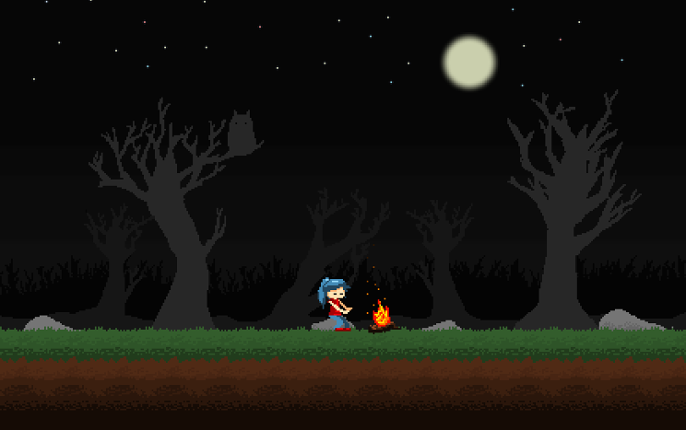
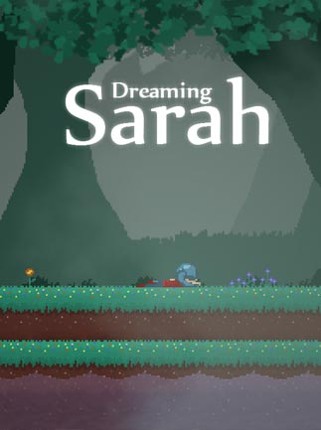
Dreaming Sarah ImageDreaming Sarah ImageDreaming Sarah Image
Kairo Image
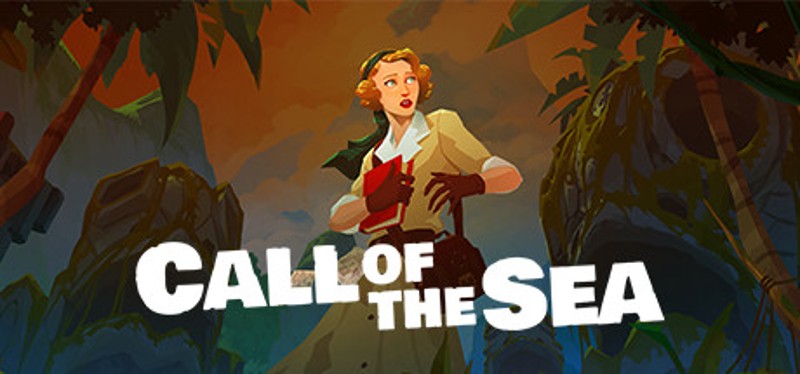
Call of the Sea Image
The Dream Machine Image
LIMBO Image
Skip FAQs

Frequently Asked Questions

Trauma is a casual action adventure game.

Trauma is available on PC, Mac OS, Windows and Linux.

On average players spend around 2 hours playing Trauma.

Trauma was released on August 8, 2011.

Trauma was developed by Krystian Majewski.

Trauma has received mostly positive reviews from both players and critics. Most players liked this game for its story but disliked it for its replayability.

Trauma is a single player game.

Similar games include Dreaming Sarah, Kairo, Call of the Sea, The Dream Machine, LIMBO and others.