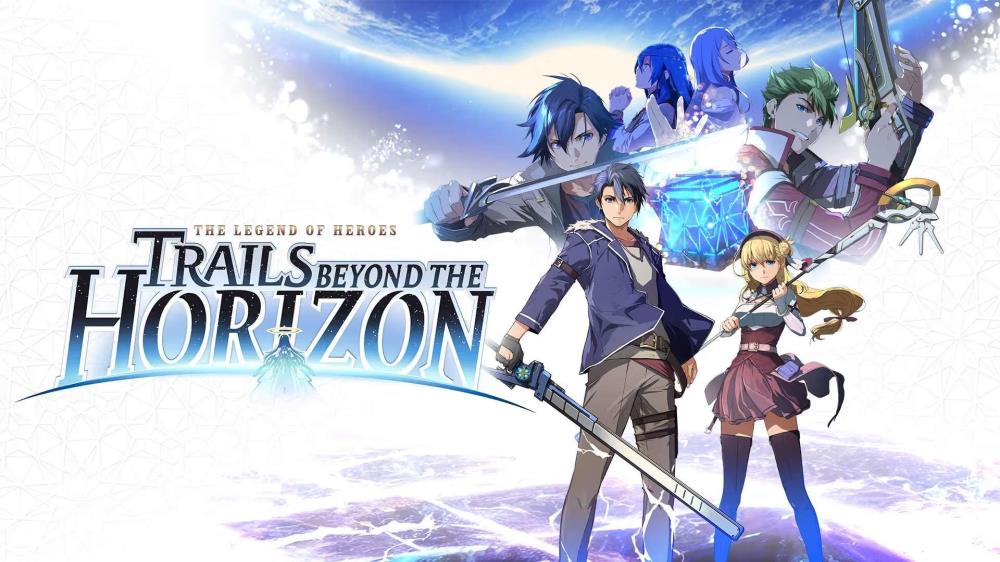
The Legend of Heroes: Trails beyond the Horizon

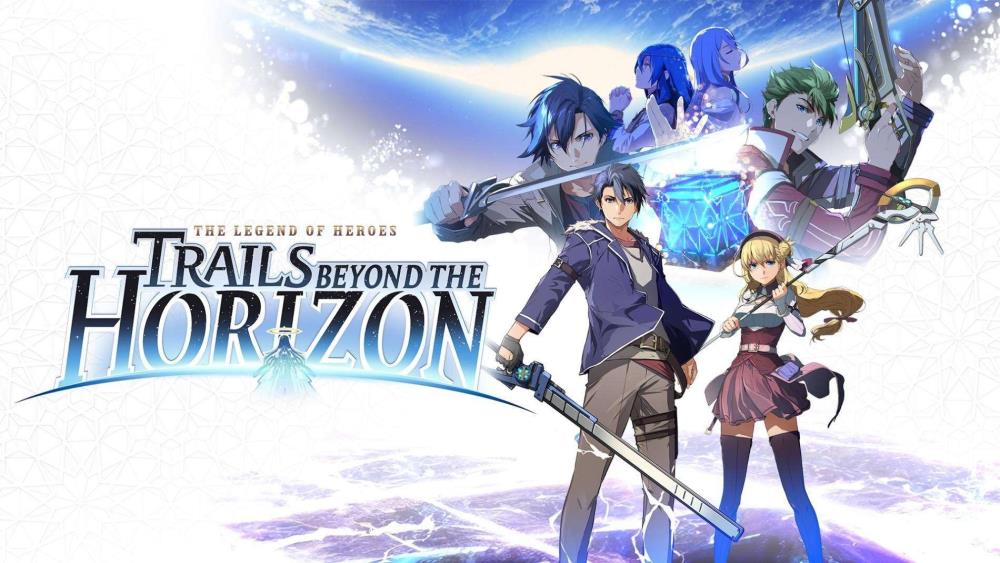
The Legend of Heroes: Trails Beyond the Horizon is the pinnacle of Trails storytelling alongside the best evolution of the hybrid action turn-based combat.
The Legend of Heroes: Trails beyond the Horizon Game Cover
87%Game Brain Score
Most mentioned positive aspects:story, gameplay
Most mentioned negative aspects:character development, grinding
93% User Score Based on 612 reviews
Critic Score 80%Based on 32 reviews

Platforms

Nintendo SwitchPCPlaystation 5Playstation 4WindowsPlayStationNintendo Switch 2
The Legend of Heroes: Trails beyond the Horizon Game Cover

About The Legend of Heroes: Trails beyond the Horizon

The Legend of Heroes: Trails beyond the Horizon is a single player tactical role playing game with fantasy, anime, violence and science fiction themes. It was developed by PH3 GmbH and was released on January 15, 2026. It received positive reviews from critics and very positive reviews from players.

The Legend of Heroes: Trails Beyond the Horizon is the thirteenth installment in the main Trails series, serving as a direct sequel to the events of The Legend of Heroes: Trails through Daybreak II. The game marks the turning point of the series and many of the mysteries of Zemuria.
Skip User Reviews

Reviews

93%Audience ScoreBased on 612 reviews
story111 positive mentions
grinding15 negative mentions

  • The game delivers a powerful, engaging story that ties together many plot threads spanning the entire Trails series, offering a rewarding payoff for longtime fans.
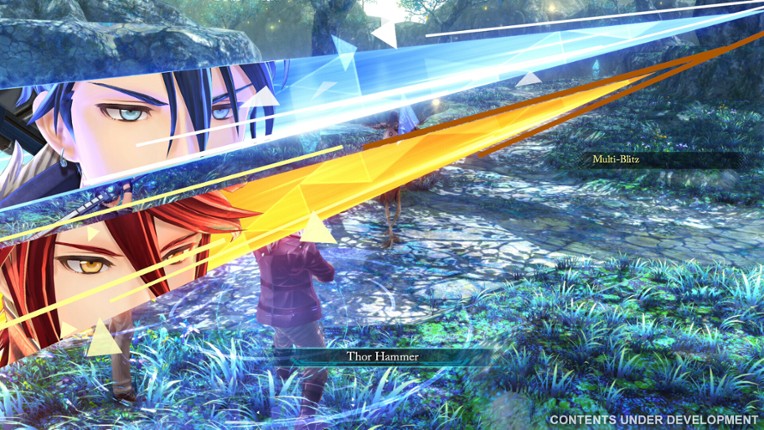
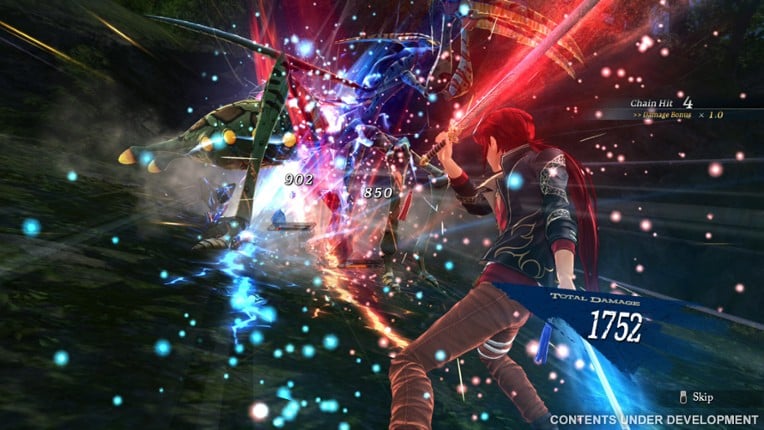
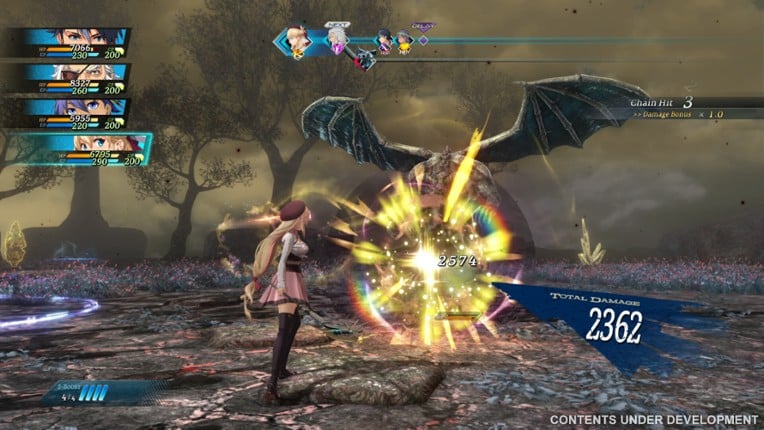
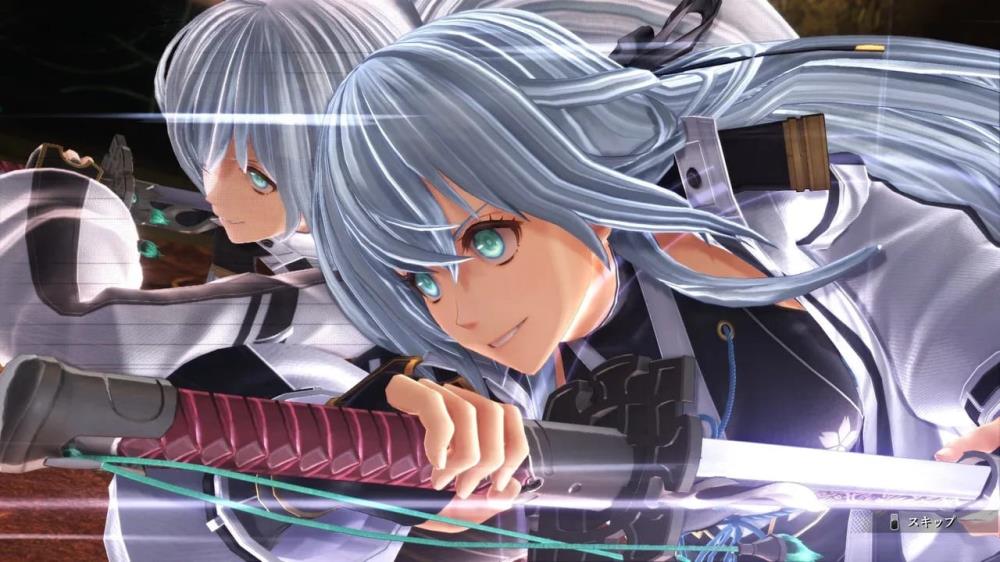
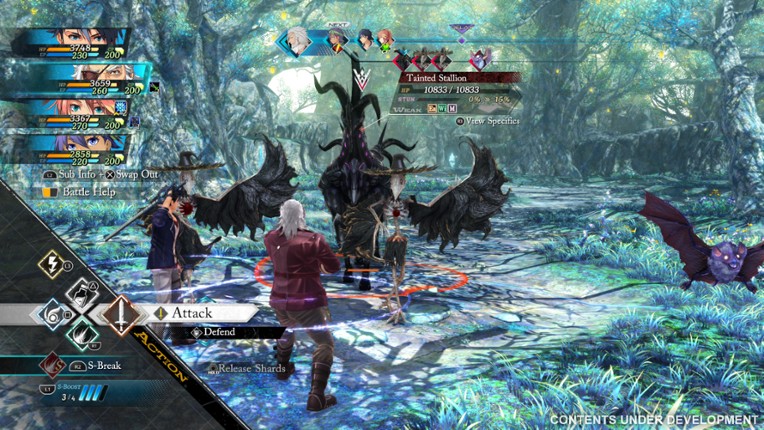
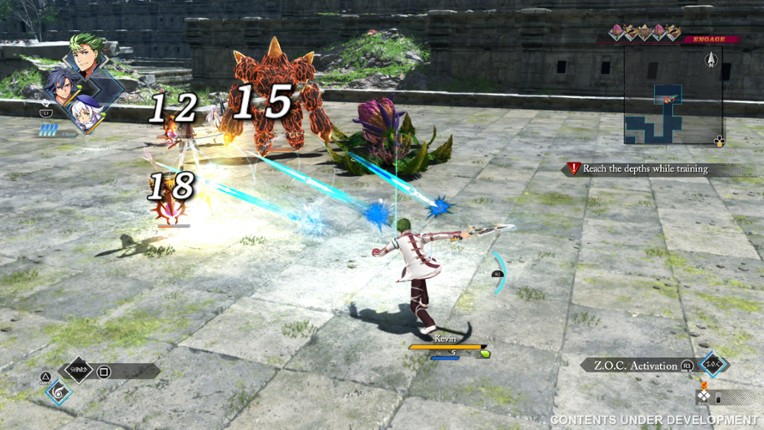
  • Combat is polished and enjoyable with new mechanics that deepen the strategic layer while preserving the signature Trails gameplay style.
  • The high production quality shines through impressive animations, solid voice acting, and a fitting soundtrack enhancing the emotional and cinematic moments.
  • The pacing is slow and padded especially in the early acts, with some routes feeling bloated and repetitive, which may fatigue players before reaching the payoff.
  • Some character development feels weak or forced, particularly in Van’s route and with certain relationship dynamics, which may lessen emotional impact.
  • The Grim Garten dungeon is seen as tedious and grind-heavy by many, detracting from the overall experience with mandatory elements and repetitive objectives.
  • story

    457 mentions Positive Neutral Negative
    24% positive mentions, 74% neutral mentions, 2% negative mentions

    The story in this latest Trails entry is widely praised for its deep, interconnected narrative that significantly advances the overarching Zemuria saga, offering compelling character development, major plot twists, and a satisfying payoff to long-running mysteries. However, many reviewers note a slow start with pacing issues, especially in the early chapters and Van's route, and lament filler-like side quests that interrupt momentum. While it’s considered essential for long-time fans to have prior series knowledge, the story’s scope, emotional depth, and worldbuilding are seen as a highlight that revitalizes the series after previous weaker entries.

    • “Awesome story, execution and gameplay will glue you to your monitor.”
    • “Trails beyond the horizon feels like a greatest hits title while also, narratively, paying off years of storytelling & building the foundation of the end of the franchise.”
    • “The story is very great!”
    • “The story was really padded out with too much filler content.”
    • “I truly love the Trails series but I am so tired of fluffy filler side quests (4SPGs); this is the thirteenth game in the series and I truly do not care about a bird hitting the bakery window. Give me plot, please, I am on my knees begging.”
    • “Even when the story finally gains momentum, it rushes through its biggest revelations, including the origins of Marduk's technology and the truth behind the time-loop concepts, only to slam straight into the credits after an underwhelming final confrontation and a last-minute betrayal that left me more confused than intrigued.”
  • gameplay

    151 mentions Positive Neutral Negative
    32% positive mentions, 63% neutral mentions, 5% negative mentions

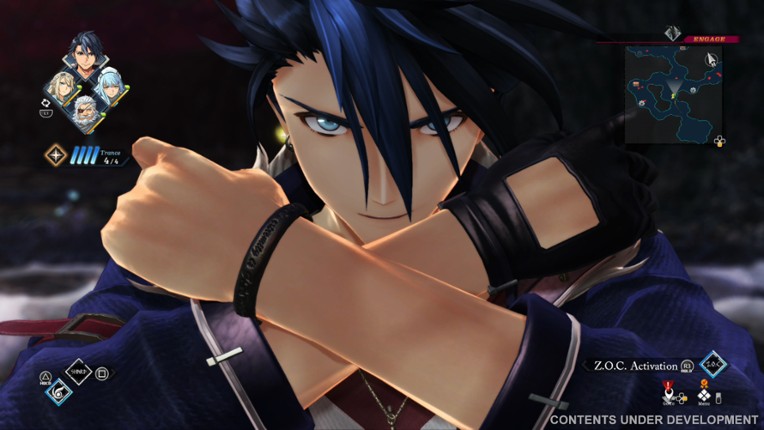
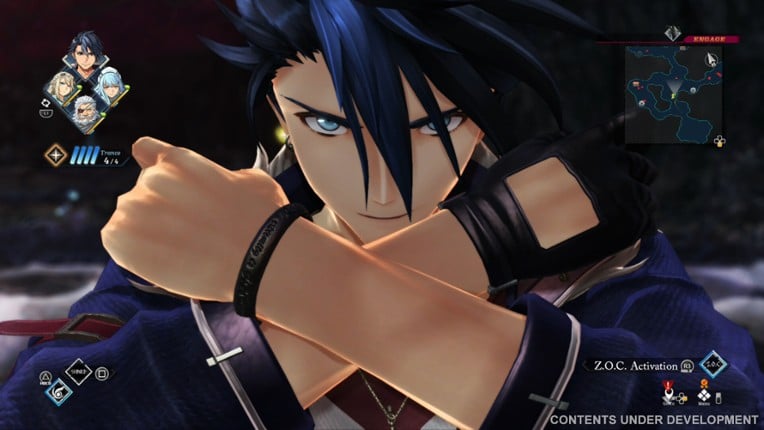
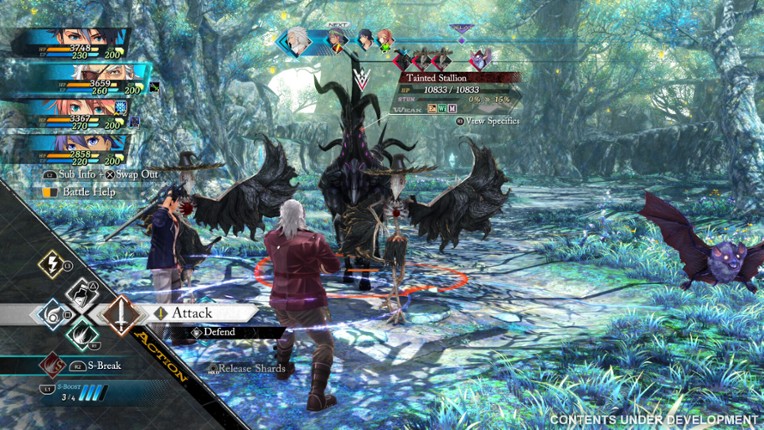
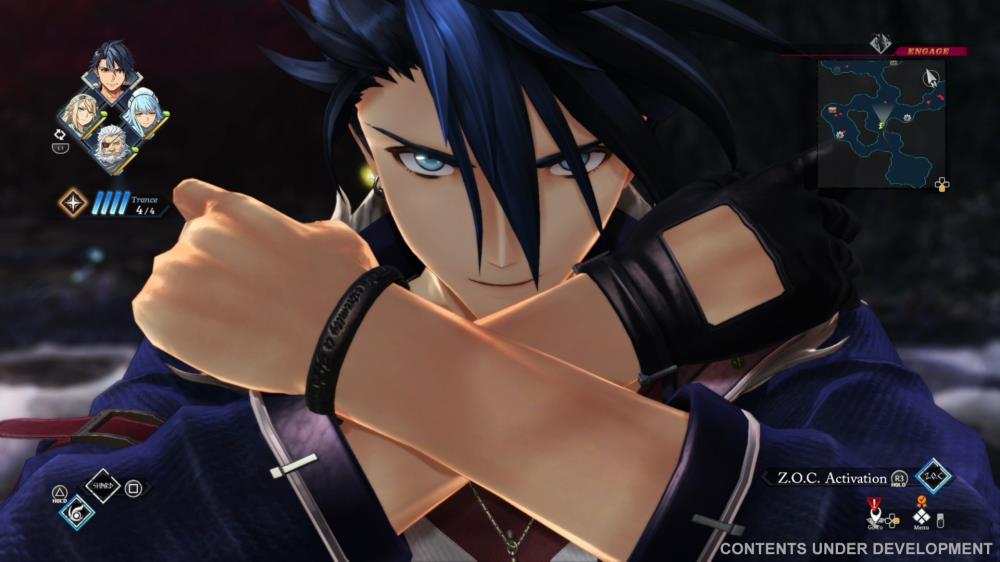
    The gameplay in this title builds upon the series' established hybrid real-time and turn-based combat, introducing new mechanics like shard commands, ZOC (zone of control), blitz, and awakening, which add strategic depth and variety. While these additions enhance combat complexity and visual appeal, the difficulty balance is uneven—some battles feel too easy, especially on lower difficulties, while others feature spongy enemies and frustrating mechanics. Overall, the gameplay is well-received for its refinement and fun factor, though some find the abundance of mechanics overwhelming or redundant, and dungeon design and difficulty scaling could use improvement.

    • “The combat gameplay has seen expansion with the introduction of shard commands (a similar system to Cold Steel III, IV, and Reverie's brave orders), ZOC (a time-slow/take-another-turn mechanic usable in both real-time and turn-based combat), and awakening (certain characters can enter enhanced-combat states temporarily).”
    • “Really fun game, I enjoy and love the battle mechanics of this JRPG game.”
    • “Gameplay-wise, the game (on the highest difficulty-setting) expects you to master all the new and old systems, which can be overwhelming at first but are also well integrated in gameplay and story alike towards the end.”
    • “The game is very easy on the highest difficulty, making new-game+ pointless if you're good enough to beat it on the first playthrough. Enemies have high HP pools and heal on each of their turns, which is not fun or hard gameplay.”
    • “Many times you're forced to play on defense because the enemies get too many turns, thanks to the new 'zoc' mechanic which can give enemies 2 or 3 turns in a row with certain buffs.”
    • “On top of this, a lot of new mechanics have been added to the combat system making it very complex which is awesome, but they did not balance the difficulty well to compensate. There are many unbalanced battles with spongy enemies and annoying mechanics, but at the same time there are very easy battles.”
  • music

    82 mentions Positive Neutral Negative
    39% positive mentions, 57% neutral mentions, 4% negative mentions

    The music in this game is widely praised as one of the best in the series, with standout battle themes and emotionally resonant tracks enhancing immersion. While some find the main battle theme less fitting and a few tracks more inconsistent, overall the soundtrack is regarded as high-quality Falcom work that significantly contributes to the game's atmosphere and experience. Fans appreciate both new compositions and nostalgic leitmotifs, though occasional technical issues and personal preferences affect some impressions.

    • “The soundtrack at times doesn't feel like it delivers, but it's only when you dive deeper into the game where you truly will get to hear plenty of amazing tracks that can evoke a whole wide array of emotions, and definitely had a hand in keeping me immersed in this game!”
    • “The OST in this particular entry has some of my favorite tracks in the Calvard arc so far.”
    • “The final dungeon music and final boss music are the best two in this game.”
    • “Music 4/10 - seriously, completely forgettable.”
    • “There wasn't a single song that got stuck in my head, made me emotional, or made me look forward to hearing it again.”
    • “Id say the only negative I have with the game is the soundtrack.”
  • emotional

    28 mentions Positive Neutral Negative
    100% positive mentions, 0% neutral mentions, 0% negative mentions

    The emotional aspect of the game garners mixed reactions, with praise for strong voice acting, heartfelt moments, and a rewarding payoff for long-time fans through emotional intensity and character development. However, some users criticize the writing and pacing, feeling the story’s emotional weight is undermined by character regression and inconsistent narrative support. Overall, those invested in the series find it a deeply emotional and satisfying experience, while newcomers may struggle to connect.

    • “Presentation is consistently great and the voice work in English is very good with some great performances making the more emotional moments that much more poignant.”
    • “The Trails series has always approached tough subjects with emotional maturity and authenticity, and the Daybreak games are a prime example of this.”
    • “Started playing Trails at the beginning of COVID, and six years later this really feels like the payoff to 13 games worth of buildup with big emotional moments, character surprises, and a refined combat system.”
  • graphics

    22 mentions Positive Neutral Negative
    36% positive mentions, 50% neutral mentions, 14% negative mentions

    The game's graphics show a clear improvement over previous Daybreak titles, with enhanced fidelity, sharper models, lighting, and animations contributing to a more polished visual experience. The PC version, featuring DLSS 4.5 support, offers the best performance and graphical quality, while the Switch 2 version delivers a commendable handheld experience. However, some users find the visuals dated for a 2026 $60 title, noting occasional removal of graphic settings on PC, which slightly impacts customization options.

    • “The switch 2 version provides an excellent handheld experience and is also decent on larger screens; however, if you want the utmost in performance and graphics quality, then PH3's excellent PC port is definitely the way to go.”
    • “Runs flawlessly and has incredibly sharp graphics thanks to the latest DLSS 4.5 technology already implemented in the game on top of tons of graphics improvements and features that are exclusive to the PC version.”
    • “This game is a bit more GPU intensive than the previous two Daybreak games, but the bump in model quality and other visuals, like lighting and animations, is quite noticeable too—so well worth the slight performance cost compared to previous games.”
    • “- Graphics really are dated, this is a $60 game in 2026 and it doesn't look any better than a PS4 game.”
    • “I know that graphics are not the most important thing in story-based games, but for that price (not to mention the existence of bundles over $200!!!) I could expect more.”
    • “For full experience I always recommend to start at Liberl arc, since they remake the 1st chapter, it's much more playable for those looking to enter the franchise but can't stand the pixelated graphics.”
  • optimization

    15 mentions Positive Neutral Negative
    73% positive mentions, 7% neutral mentions, 20% negative mentions

    The game boasts excellent optimization, especially on PC with a well-crafted port by ph3 that delivers smooth performance and extensive configuration options, including DLSS 4.5 support. While it is more GPU-intensive than previous titles, the enhanced graphics and visuals justify this cost, making it a top-tier experience overall. The Switch version offers a solid handheld experience, but the PC port remains the best for performance and quality.

    • “Thanks to the excellent PC port by PH3, the performance is fantastic.”
    • “Before continuing with all the stuff that makes this game basically yet another high peak in the series, we have to talk about PC performance and settings and, as is tradition, PH3 have done a masterful job. They’ve ported several games on this new Falcom development kit engine, and now we even have DLSS 4.5, which is crazy.”
    • “Great PC port, very optimized and has a lot of settings.”
    • “In terms of performance, my PC tends to overheat often, so it might not be suitable for low-end PCs even with low specs, unless you have maintained your PC well.”
    • “This game is more GPU intensive than the previous two Daybreak games, but the increased model quality and improved visuals, such as lighting and animations, are worth the slight performance cost.”
    • “Although the Switch 2 version offers a good handheld experience and decent performance on larger screens, for the best graphics and performance, the PC port of PH3 is clearly the superior option.”
  • character development

    15 mentions Positive Neutral Negative
    20% positive mentions, 60% neutral mentions, 20% negative mentions

    Character development in the game received mixed feedback: while some praised standout moments and the growth of specific characters, many criticized it for being weaker than previous entries, with repetitive content, undone or erased progress, and a bloated cast that added little depth. Overall, character development feels uneven—sometimes compelling but often overshadowed by pacing issues and weak dialogue, positioning the game more as a setup for future installments than a strong standalone narrative evolution.

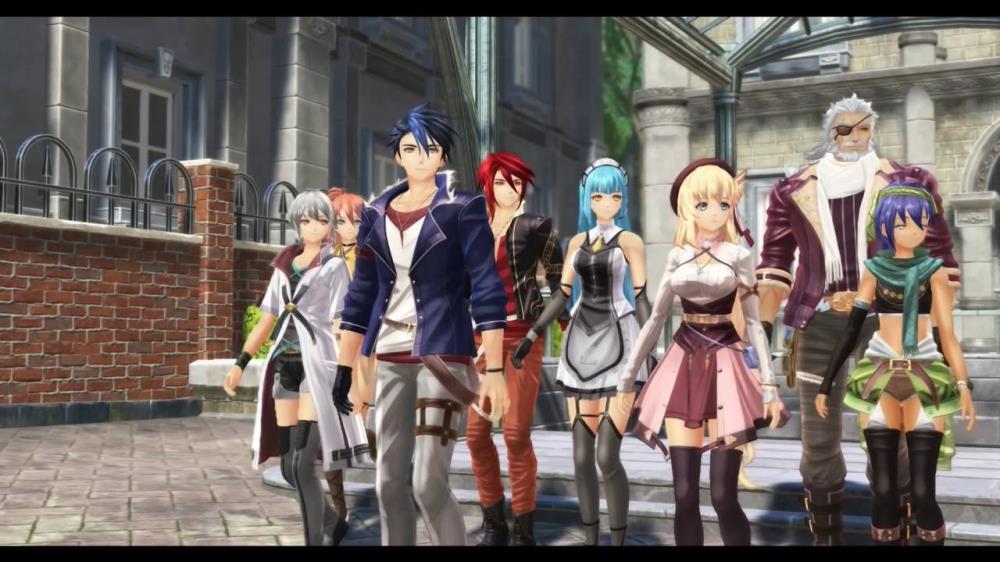
    • “In all seriousness, though (not that Kevin content isn't very serious,) this is night and day from Daybreak II. The writing, the character development, the twists, the pacing, the cinematics, the animations are all incredible.”
    • “There are some great character development moments and side content throughout, but overall it still feels like a setup game that enriches the series lore while preparing the stage for its sequel.”
    • “She, more than anyone, goes through a lot of character development.”
    • “Character development is weak, probably at its weakest the series has ever been.”
    • “The writing is terrible, character development is non-existent, pretty much all characters got worse since Daybreak.”
    • “This game is filled with 70 hours of incredibly repetitive chapters; forgetting or undoing character development from previous games; bad, meandering, vague dialogue; and an incredibly bloated cast of characters, most of which don't need to be here and have nothing to offer other than adding mandatory vapid comments in every single scene.”
  • grinding

    15 mentions Positive Neutral Negative
    0% positive mentions, 0% neutral mentions, 100% negative mentions

    Grinding in the game is often seen as tedious and repetitive, with many players feeling it serves little purpose beyond a time sink, especially post-Reverie. While some optional grinding areas offer worthwhile rewards and deeper story content, the overall experience is bogged down by artificial difficulty and excessive, dull farming sequences. This leads to frustration for players who find the grind monotonous and poorly balanced despite occasional incentives.

    • “Since Reverie, the game is just grind for the sake of grind, catering to players addicted to this tedious time sink common in modern gachas.”
    • “They tried to make the grind artificially more difficult, but it only made it more tedious.”
    • “Grinding away in a repeated grid area simulation is super boring.”
  • humor

    14 mentions Positive Neutral Negative
    100% positive mentions, 0% neutral mentions, 0% negative mentions

    The humor in the game is praised for its hilarious, off-color commentary and witty character interactions that balance charm and emotional depth, contributing to the series' trademark spirit. However, some find the jokes occasionally excessive, repetitive, or less effective as the story progresses. Overall, comedic moments are well-integrated with story and character development, providing a satisfying mix of levity and seriousness.

    • “Each chapter is filled with interesting characters, funny moments, dialogue, and story.”
    • “There are plenty of hilarious interactions, genuinely heartwarming scenes, and heartwrenching scenes.”
    • “It was great to see him back as the heretic hunter, working together with the picnic gang and they had the best sense of humor but also seriousness and a darker tone, great pacing and reveals about more of the background stuff happening in the story.”
  • atmosphere

    2 mentions Positive Neutral Negative
    100% positive mentions, 0% neutral mentions, 0% negative mentions

    The game's atmosphere is engaging and enriched by its well-developed characters, immersing players in three interconnected storylines. Its high-stakes, space-focused narrative adds an intriguing and suspenseful mood that enhances the overall experience.

    • “I have a high tolerance for this in Trails since I overall enjoy the atmosphere and characters.”
    • “You basically play three different storylines following Van, Rean, and Kevin, all centered around a high-stakes mission to breach the atmosphere and go into space to uncover the world's "reset" mystery.”
  • replayability

    1 mentions Positive Neutral Negative
    0% positive mentions, 100% neutral mentions, 0% negative mentions

    The replayability is enhanced by starting with the Liberl arc, which remakes the first chapter with updated graphics, making it more accessible and enjoyable for new players exploring the franchise.

Skip Critic Reviews
Skip Game Offers

Buy The Legend of Heroes: Trails beyond the Horizon

Some of these are affiliate links — if you buy through them, we may earn a commission at no extra cost to you.
Play Times

31h Median play time
23h Average play time
5-40h Spent by most gamers
*Based on 2 analyzed playthroughs
Skip Videos

Videos

Skip Game News
Skip FAQs

Frequently Asked Questions

The Legend of Heroes: Trails beyond the Horizon is a tactical role playing game with fantasy, anime, violence and science fiction themes. Common tags for The Legend of Heroes: Trails beyond the Horizon include science, turn-based, 3D, trading, magic and others.

The Legend of Heroes: Trails beyond the Horizon is available on Nintendo Switch, PC, PlayStation 5, PlayStation 4 and others.

On average players spend around 23 hours playing The Legend of Heroes: Trails beyond the Horizon.

The Legend of Heroes: Trails beyond the Horizon was released on January 15, 2026.

The Legend of Heroes: Trails beyond the Horizon was developed by PH3 GmbH.

The Legend of Heroes: Trails beyond the Horizon has received positive reviews from players and positive reviews from critics. Most players liked The Legend of Heroes: Trails beyond the Horizon for its story but disliked it for its character development.

The Legend of Heroes: Trails beyond the Horizon is a single player game.