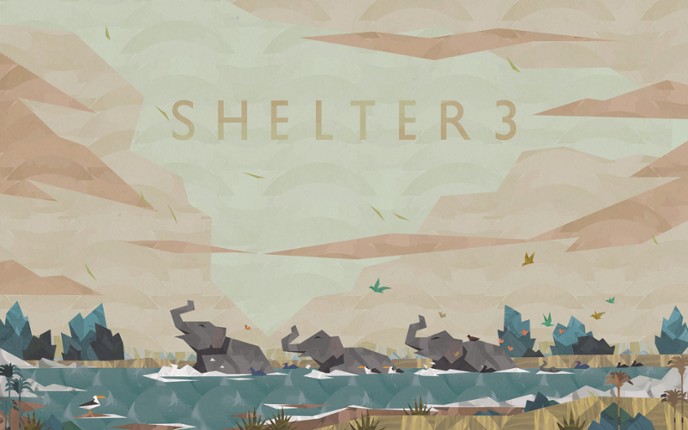
Shelter 3 Game Cover

About

Shelter 3 is a single player survival simulation game. It was developed by Might and Delight and was released on March 30, 2021. It received mostly positive reviews from critics and neutral reviews from players.

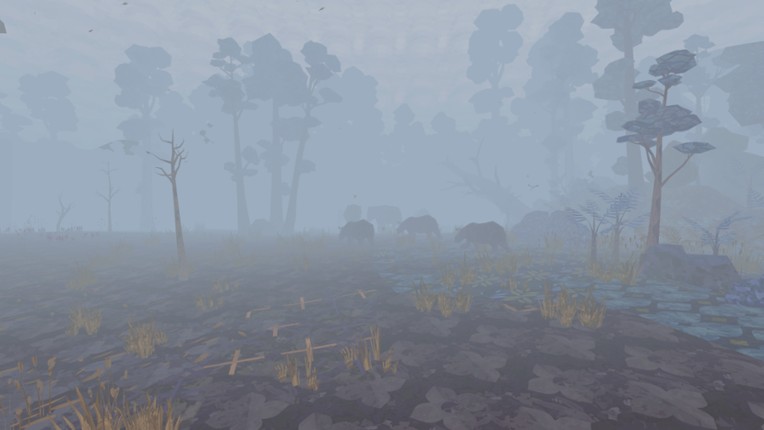
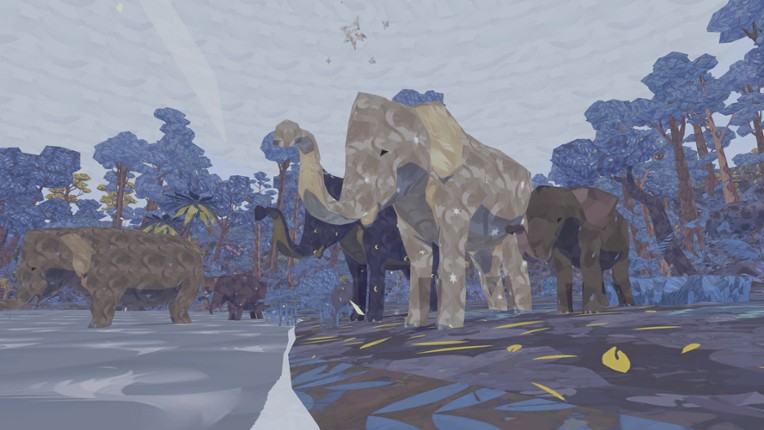
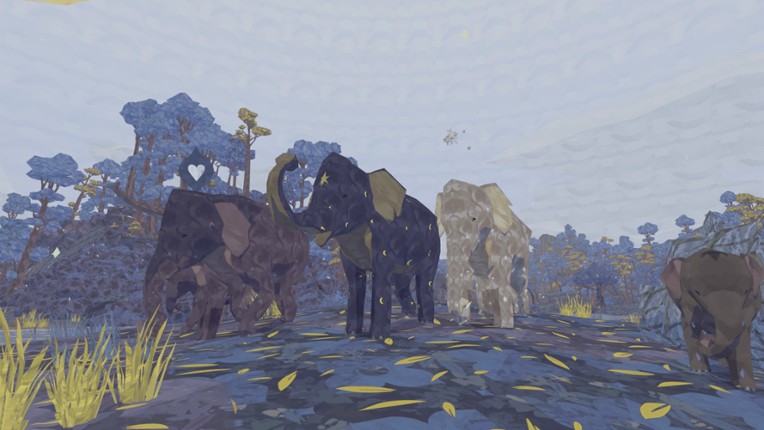
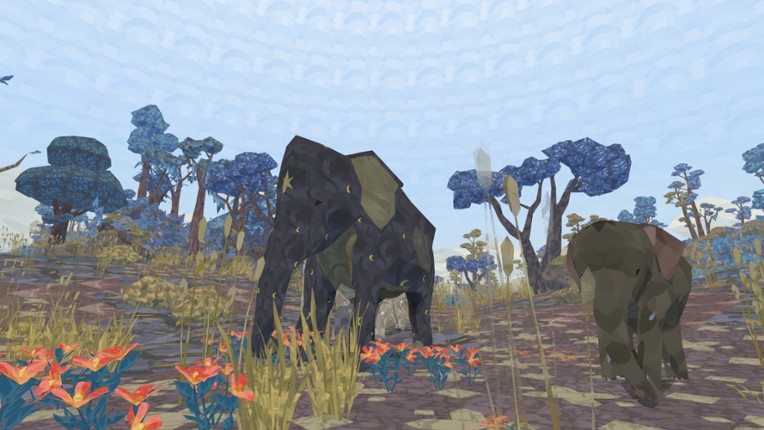
Shelter 3 invites you to explore life in the jungle, a world of large beasts and exotic vegetation. You will be an elephant - roaming with your family, seeking sustenance from the jungle’s waterways, caring for the young elephants and learning to navigate from the elders. But you must stay fed, so keep moving!

Skip User Reviews

48%Audience ScoreBased on 268 reviews
story45 positive mentions
replayability7 negative mentions

  • Beautiful and unique art style with a handcrafted, tapestry-like aesthetic that enhances immersion.
  • Emotional and meaningful storytelling conveyed through atmosphere and non-verbal narrative.
  • Calm and contemplative gameplay experience that allows players to reflect and appreciate nature.
  • Extremely slow pace and repetitive walking make gameplay feel tedious and drawn out.
  • Lack of meaningful interaction with the environment and herd members reduces emotional attachment and immersion.
  • Numerous bugs and glitches affecting herd behavior, controls, and gameplay stability.
  • story

    170 mentions Positive Neutral Negative

    Shelter 3 delivers a visually beautiful and emotionally suggestive story about a matriarch elephant leading her herd, but many find its narrative short, linear, and less impactful or engaging compared to its predecessors. While some appreciate the unique, slow-paced storytelling and atmospheric experience, others criticize the lack of replayability, character attachment, and depth, resulting in a story that feels underdeveloped and less emotionally resonant. Overall, it’s best suited for players seeking a brief, artistic, and contemplative journey rather than a rich or dynamic tale.

    • “Shelter 3, developed and published by Might and Delight, continues the studio’s distinctive approach to nature-focused storytelling by placing the player in the role of a matriarch elephant leading her herd across a vast and unforgiving landscape.”
    • “This is a game that I truly found myself lost in the story and completely dedicated to helping these elephants reach their family.”
    • “I've played the other Shelter games over the years and this one really joined the ranks in beautiful story and visuals.”
    • “My thoughts on Shelter 3 and why I don't recommend it don't come down to fundamental gameplay problems or just overall bugs. It comes down to the style of game and lack of replayability; the linear story and game world is a significant downgrade from Shelter 2, which was open world albeit not seamless open world.”
    • “If I don't care about the characters, it's hard to genuinely connect with the story because I didn't care about if my herd lived or died.”
    • “Unfortunately, Shelter 3 ventures down a different route and lacks the solid foundation of a story or any character structure, which ultimately left me wondering why I should care about the loss of a member of my herd.”
  • gameplay

    111 mentions Positive Neutral Negative

    Gameplay in Shelter 3 is slow-paced, minimalistic, and heavily centered on a deliberate, meditative journey that mirrors elephant movement, with limited mechanical engagement beyond walking and foraging. While its artistic intent and atmosphere are praised, many players find the gameplay repetitive, lacking survival depth, emotional attachment, and replayability compared to previous Shelter titles, making it feel more like a short walking simulator than a fully engaging game. This results in a divisive experience that may appeal to fans of slow narratives but disappoint those expecting richer gameplay or frequent interactive challenges.

    • “Rather than emphasizing traditional survival mechanics or constant interaction, the game is built around the idea of a long, purposeful journey, one that mirrors the slow, deliberate movement of elephants themselves.”
    • “Encounters with danger, such as predators or environmental threats, are relatively rare and often brief, meaning that tension comes less from moment-to-moment gameplay and more from the overarching sense of vulnerability and responsibility.”
    • “This slow and almost meditative gameplay might be a gamebreaker for plenty of individuals, and in this day and age the pacing feels almost glacial, which in a way is fitting with the megafauna aspect of the theme.”
    • “Large portions of the experience involve traveling long distances with limited variation in interaction, which can test the patience of players expecting more frequent mechanical engagement.”
    • “Shelter 3 is a linear story (which in itself isn't bad, however it doesn't work well for this game): everything is predetermined, you cannot name your herd members or yourself, so you lack any attachment to your herd members if any die during gameplay, and the game ends when you reach the last landmark, requiring you to start a new game to play again.”
    • “Very little gameplay really; you spend most of your time getting frustrated walking in circles at the slowest pace ever.”
  • music

    87 mentions Positive Neutral Negative

    The music in this game is widely praised for its beauty, emotional depth, and seamless complement to the visuals, often described as calming, haunting, and evocative. While some note a lack of variety and occasional mismatch with gameplay events—such as tense music without corresponding in-game threats—the soundtrack remains a standout feature that enhances the game's atmosphere and storytelling. Overall, the music is considered a strong, classic element of the Shelter series that fans greatly appreciate.

    • “This visual identity is supported by a subtle yet powerful sound design and musical score that gently ebbs and flows, reinforcing moments of calm, tension, and quiet reflection without overwhelming the player.”
    • “As always the art style, environments, and music are top tier; this may be Retro Family's best Shelter soundtrack in my opinion.”
    • “The music, as always, underlines your journey beautifully, whether it be a peaceful landscape or danger might be lurking around.”
    • “While the music did feel a little lackluster, with it mainly being either calm music or intense depending on the situation with little variety, it still was quite nice to listen to and I enjoy listening to the soundtrack in my own time.”
    • “Even the music's only change is just to alert for like 20 seconds for those moments and then it's over.”
    • “Nothing's worse than, by the end of the game, hearing music indicative of danger, and just ignoring it knowing that nothing will happen.”
  • emotional

    71 mentions Positive Neutral Negative

    Shelter 3 offers a slow, contemplative experience with moments of emotional impact, particularly in its bittersweet ending, but many players find it less emotionally engaging than earlier entries due to limited character individuality and weaker herd attachment. While some appreciate its reflective tone and art style, others feel a lack of deep emotional connection, citing minimal expressive behaviors and gameplay frustrations that hinder immersion. Overall, it resonates most with those open to subtle, atmospheric storytelling rather than overt emotional investment.

    • “From the outset, it is clear that Shelter 3 aims to be more of a contemplative experience than a conventional game, prioritizing atmosphere, symbolism, and emotional tone over challenge or complexity.”
    • “I played the entire game in one sitting and as the credits rolled had to just take a moment to process and collect myself emotionally as I typically do after these games.”
    • “Part of the beauty in the Shelter games is the deep emotional connection that is portrayed without words, but simply through animals’ maternal instincts and the harsh reality of survival in the wild.”
  • graphics

    68 mentions Positive Neutral Negative

    The graphics of the game are widely praised for their unique, handcrafted, tapestry-like art style featuring layered textures, soft 3D visuals, and well-distinguished environments that evoke emotional storytelling and a strong sense of scale. While some players find the visuals stunning and consistent with the Shelter series' aesthetic charm, others note that the graphics feel less polished or optimized compared to previous entries. Overall, the striking art and atmosphere are a major highlight, though they may be overshadowed by slow pacing and limited gameplay depth.

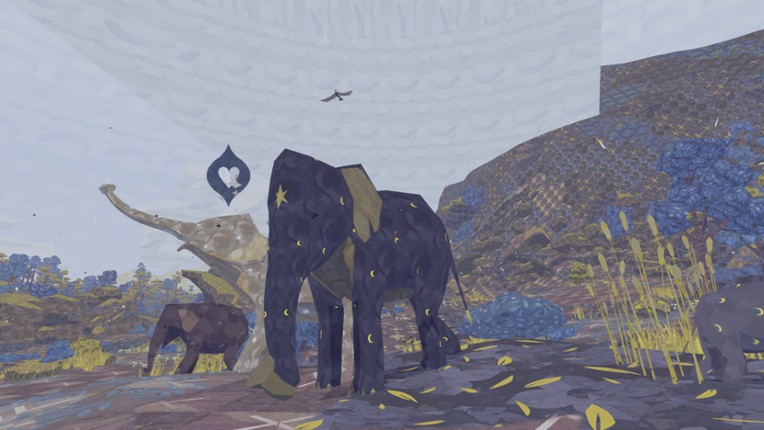
    • “The art style leans into a handcrafted, almost tapestry-like aesthetic, with layered textures, stylized environments, and a sense of scale that reinforces the enormity of the world and the vulnerability of the herd moving through it.”
    • “Shelter 3 is an absolutely beautiful game, it has amazing graphics and a unique style.”
    • “The graphics are gorgeous, and I love how you can interact and bond with your herd.”
    • “Graphics may be personal but it's cold and also the worst from the 3 Shelter games.”
    • “Graphics look worse than in Shelter 2 or Meadow, they are also less optimized.”
    • “However, the visuals are ruined by the other animals that almost look static for how lifeless they are (and you can just walk through them anyways); and because there was no sense of danger or relief, the music contributed nothing to the mood.”
  • replayability

    26 mentions Positive Neutral Negative

    The game is widely criticized for its lack of replayability compared to its predecessor, Shelter 2, which offered an open world, meaningful progression, and varied experiences across multiple playthroughs. Shelter 3's linear story, similar environments, and absence of engaging survival mechanics result in a short, repetitive experience with little incentive for repeated play. While it offers a few alternative paths, the overall replay value is minimal and quickly exhausted.

    • “Shelter 2 allowed you to name your cubs and this simple feature added a whole lot more investment to see your cubs reach adulthood. Given the family tree system, you could choose one of the surviving cubs to play as, which added replayability since you could find new coat patterns. After raising your cubs to adulthood and with them leaving in the fall, you could still explore the world season after season as long as you didn't return to the den.”
    • “Shelter 2 was intense, scary, cute, had replay value, and was very immersive.”
    • “Shelter 2 completely blew it out of the water, with a vast world you can explore with your cubs, dangers you have to be aware of, collectibles, and some replayability with the different skins you can unlock by continuing your family tree.”
    • “My thoughts on Shelter 3 and why I don't recommend it don't come down to fundamental gameplay problems or just overall bugs. It comes down to the style of game and lack of replayability. The linear story and game world is a significant downgrade from Shelter 2, which was open world, albeit not seamless open world.”
    • “It's also linear like Shelter 1 but without the charm, so if you are expecting replay value like Shelter 2, prepare to be disappointed.”
    • “I didn't feel inclined to care much about the deaths. It was more or less like 'oh okay, I guess I won't do that again.' There's no replay value here either, and the game is beyond short.”
  • stability

    24 mentions Positive Neutral Negative

    The game suffers from numerous bugs and glitches that affect gameplay, including AI behavior issues, visual glitches, and frustrating mechanics that can hinder progress. While some patches have addressed certain problems, many players still find the experience unstable and unpolished compared to previous installments. Overall, stability remains a significant drawback, impacting immersion and enjoyment.

    • “Bugs and glitches are rampant and punishing: at one point, I was unable to nurse my starving calf and restarted the game; somehow this caused my herd to starve, forcing me to spend extra time finding trees instead of progressing.”
    • “To have an engine built so far ahead of time, still be behind schedule, and deliver a buggy, unfinished, unpolished game is just laziness.”
    • “This game is very buggy and feels rushed or incomplete in some parts.”
  • atmosphere

    13 mentions Positive Neutral Negative

    The atmosphere in Shelter 3 is widely praised for its immersive, contemplative, and emotionally resonant qualities, enhanced by detailed art and a fitting musical score. While some note occasional repetitive environments or gameplay mechanics that hinder full enjoyment, overall it creates a beautiful, tranquil experience that appeals to those seeking a casual, atmospheric story-driven game.

    • “Atmosphere is immaculate as always, enhanced by a perfect musical score.”
    • “However, it felt like they improved on certain aspects, like the art style seemed more detailed, and the way they made the atmospheres of different areas feel was amazing.”
    • “Why this dreamy atmosphere all the time?”
    • “It's more of a walking and eating elephant simulator, with atmosphere and a few anticlimactic dangers sprinkled in there.”
    • “From the outset, it is clear that Shelter 3 aims to be more of a contemplative experience than a conventional game, prioritizing atmosphere, symbolism, and emotional tone over challenge or complexity.”
  • optimization

    8 mentions Positive Neutral Negative

    Optimization has seen some improvements with bug fixes, but overall performance remains inconsistent and worse than previous titles, with frequent frame drops and high system strain even on low settings. Graphics quality is also reported to be downgraded and less optimized compared to earlier games in the series.

    • “Many of the bugs and performance issues from the previous games have been fixed, although I noticed a few small frame drops during my playthrough.”
    • “I had the game on the lowest possible resolution and performance settings, and my iMac's fans were running at almost 4000 rpm when entering the second loading screen, so I had to stop playing.”
    • “Sometimes the game runs smoothly, but it drops frames significantly and constantly.”
    • “Graphics look worse than in Shelter 2 or Meadow, and they are also less optimized.”
    • “I had the game on the lowest possible resolution and performance settings, and my iMac's fans were running at almost 4000 rpm when entering the second loading screen/section of the game, just past the introduction, so I had to stop playing.”
    • “The game (at the time of this review, may change in the future) runs worse performance-wise than Shelter 1, Shelter 2, and Meadow.”
  • grinding

    6 mentions Positive Neutral Negative

    Grinding in the game is widely considered tedious due to slow pacing and lack of engaging gameplay, compounded by the notably slow movement of the elephant character. This results in a monotonous experience that detracts from story investment and overall enjoyment.

    • “Essentially, it's a tedious walking simulator that's pricier than what it's worth.”
    • “Thanks to the slow, tedious gameplay mixed with the text-based story, it's rather hard to get invested in the story or listen to other things while not fully engaged, causing a weird middle-ground issue.”
    • “So it turns out elephants move very slowly, and without the screen shake that usually accompanies huge animals stomping around (which would have been absolutely nauseating in this case), this rate of movement gets awfully tedious in a hurry.”
  • humor

    2 mentions Positive Neutral Negative

    The humor in the game is a mix of funny and disturbing moments, adding a unique tone without impacting gameplay quality. Some quirky animations, like the crocodiles squirming on land, contribute to the game's occasional comedic charm.

    • “It's been both funny and disturbing on different occasions but it doesn't significantly reduce gameplay quality.”
    • “Not to mention the crocodiles on land sometimes look a bit funny as they squirm in place in the water during the two delta crossings and crocodile encounters you can put yourself into during the game.”
  • monetization

    1 mentions Positive Neutral Negative

    Users feel the game's monetization comes across as a quick cash grab, lacking care and effort, which has disappointed the fanbase.

Skip Critic Reviews
Skip Game Offers

Buy Shelter 3

4h Median play time
4h Average play time
4-5h Spent by most gamers
*Based on 5 analyzed playthroughs
Skip Videos

Videos

Skip Games Like Shelter 3
Skip FAQs

Frequently Asked Questions

Shelter 3 is a survival simulation game.

Shelter 3 is available on PC, Mac OS and Windows.

On average players spend around 4 hours playing Shelter 3.

Shelter 3 was released on March 30, 2021.

Shelter 3 was developed by Might and Delight.

Shelter 3 has received mostly positive reviews from players and mostly positive reviews from critics. Most players liked Shelter 3 for its story but disliked it for its replayability.

Shelter 3 is a single player game.

Similar games include Shelter 2, Shelter, Paws, Endling: Extinction is Forever, Paws: A Shelter 2 Game and others.