Recursive Ruin Game Cover

About

Recursive Ruin is a single player casual action adventure game with a horror theme. It was developed by Bit Rot and was released on May 18, 2022. It received mostly positive reviews from players.

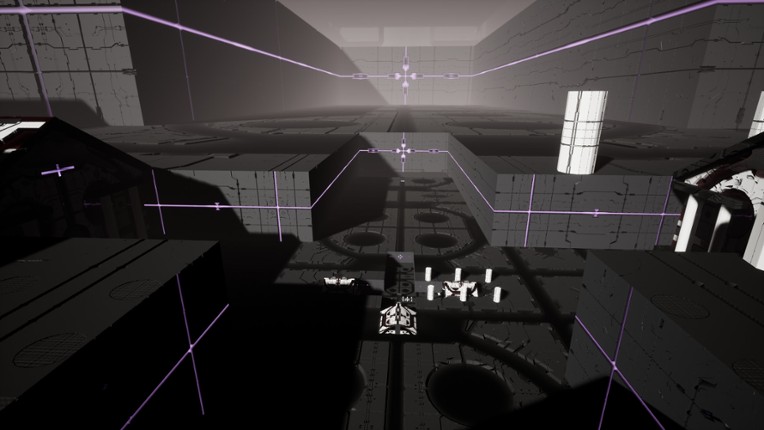
"Recursive Ruin" is a challenging precision platformer where you manipulate time to avoid deadly traps and solve puzzles. Journey through a decaying digital world as you uncover the truth behind the bitrot pandemic. Each level is a complex maze of hazards that will require quick reflexes and strategic thinking to navigate.

Skip User Reviews

75%
Audience ScoreBased on 203 reviews
story37 positive mentions
grinding7 negative mentions

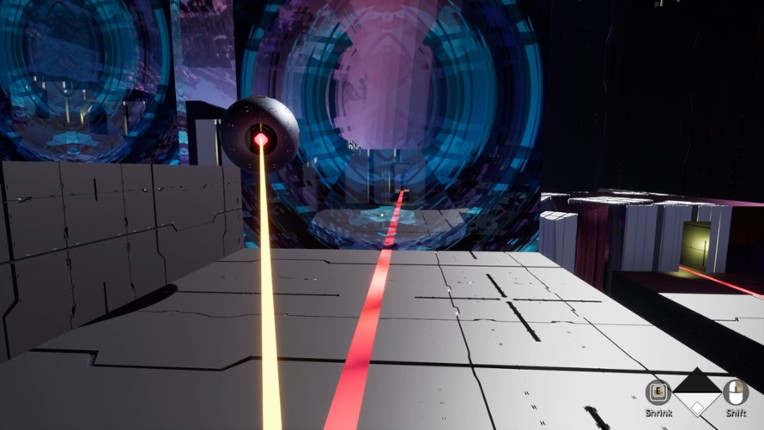
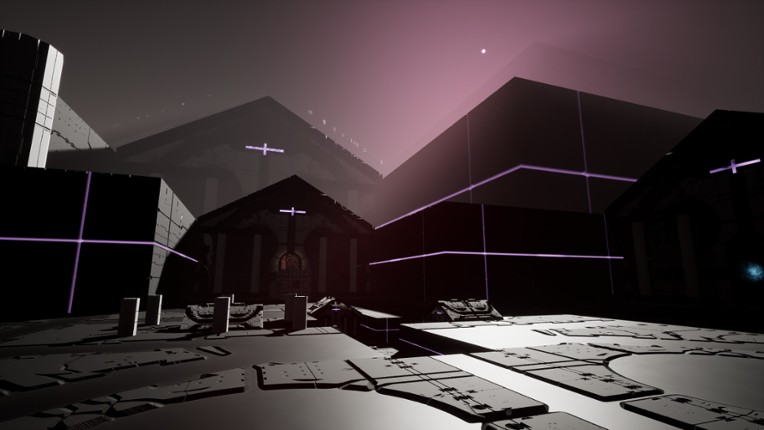
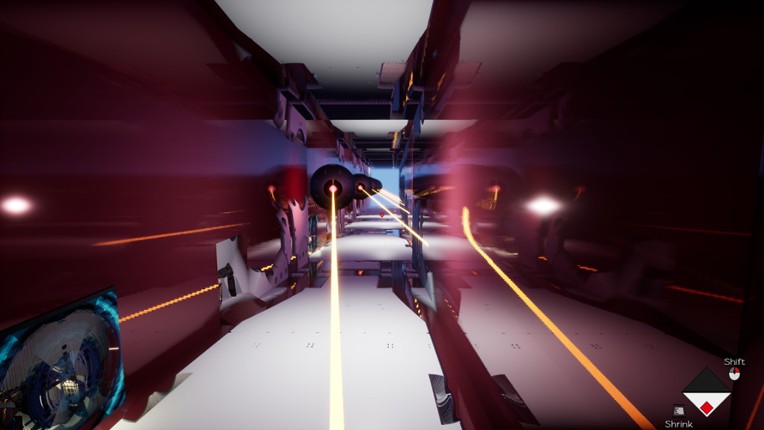
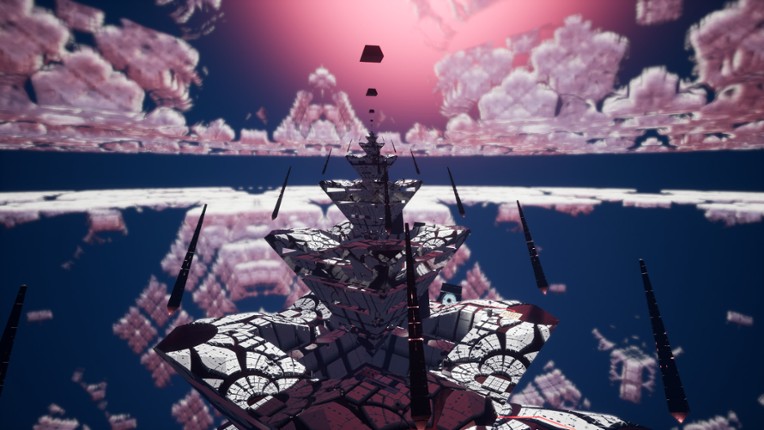
  • Recursive Ruin features stunning visuals and a unique recursive mechanic that creates mind-bending puzzles, engaging players in a way few puzzle games do.
  • The game successfully blends atmospheric storytelling with its gameplay, exploring deep themes of grief and creativity through its narrative and character interactions.
  • The puzzles are inventive and encourage lateral thinking, providing satisfying 'a-ha' moments as players manipulate the environment to progress.
  • The narrative can feel overly pretentious and convoluted, with long dialogue sequences that detract from the puzzle-solving experience and may lead to player disengagement.
  • Some players may find the puzzles too simplistic or straightforward, leading to a lack of challenge and replayability once the key mechanics are understood.
  • The pacing of the game is uneven, with significant portions dedicated to walking simulator-style exploration that can disrupt the flow of gameplay.
  • story
    235 mentions Positive Neutral Negative

    The story of "Recursive Ruin" is a divisive aspect among players, with many finding it overly complex, tedious, or disconnected from the engaging puzzle mechanics. While some appreciate its exploration of heavy themes like identity and trauma, others criticize it for being pretentious or irrelevant, often feeling like a filler that detracts from the gameplay experience. Overall, the narrative's emotional weight and artistic ambition resonate with some players, but many feel it hampers the game's potential as a pure puzzle adventure.

    • “Recursive Ruin is an introspective puzzle adventure that blends surreal geometry, psychological storytelling, and inventive spatial design into a deeply atmospheric experience.”
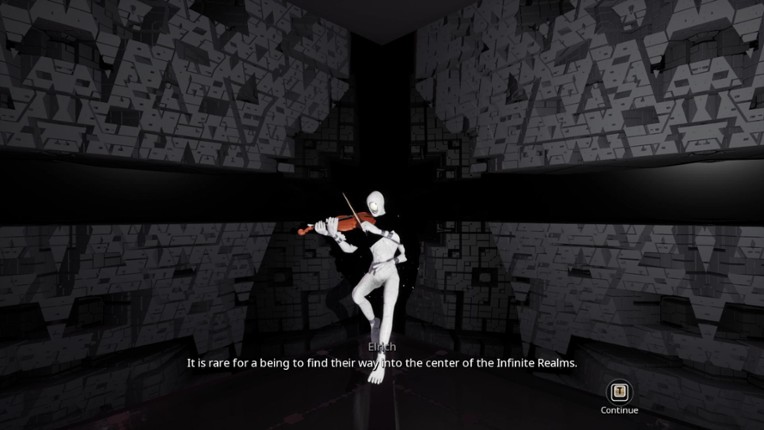
    • “The story touches on themes of identity, artistic pressure, loss, and the burden of expectation, communicated through abstract sequences, spoken reflections, and interactions with behemoth.”
    • “Incredible visuals, not overly obtuse puzzles, and a good story of someone overcoming personal issues.”
    • “The story wraps up with so many loose ends, which combined with the fact that nothing I did seemed to have an impact on the characters made me feel like everything I did was utterly pointless.”
    • “The incredible visuals and puzzles combined with the wildly confusing, haphazard story and the mild psychological horror themes drive that point home quite excessively.”
    • “The story feels forced and the aesthetics feel odd and out of place.”
  • gameplay
    83 mentions Positive Neutral Negative

    The gameplay is characterized by a unique recursive mechanic that creates a visually stunning, non-euclidean environment, allowing for innovative puzzle-solving experiences. However, while the mechanics are intriguing, many players feel that the puzzles lack depth and complexity, often resulting in a disjointed experience where the gameplay does not fully utilize its potential. Overall, the game is appreciated for its artistic design and atmosphere, but it suffers from inconsistent puzzle quality and a narrative that detracts from the gameplay experience.

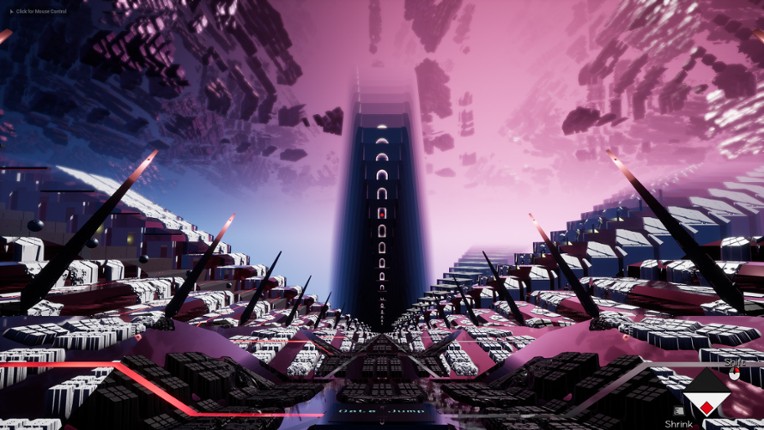
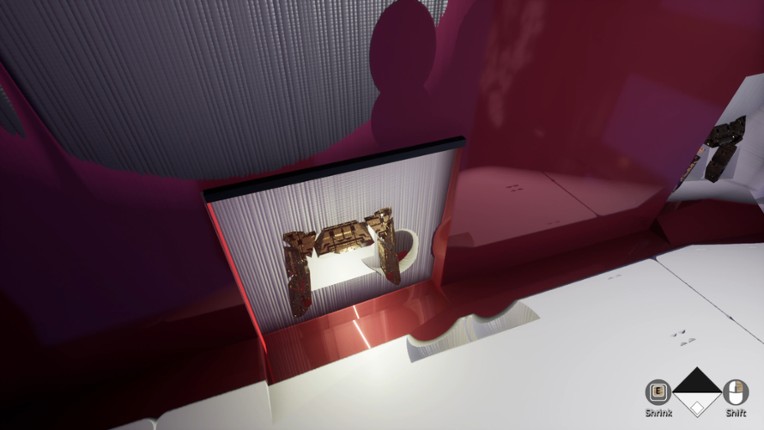
    • “Central to the game is its recursive mechanic: environments repeat in all directions, creating scenarios where what you see in the distance is simply a larger or smaller version of the space you currently occupy.”
    • “The recursive world is not only fascinating to engage with mechanically but meaningful as a metaphor; the sense of moving through an endlessly looping landscape resonates with the game’s themes of emotional repetition and the challenge of breaking free from internal cycles.”
    • “The gameplay is rather innovative, which makes it the cleverest part of this game.”
    • “The puzzle mechanics, though conceptually strong, vary in complexity, and some players may find certain sections too straightforward or wishing for deeper escalation of challenge.”
    • “Unfortunately, the puzzles aren't as clever as the trippy mechanics would imply.”
    • “The story, level design, mechanics, and art direction are completely incoherent the entire way through.”
  • graphics
    77 mentions Positive Neutral Negative

    The graphics of the game have been widely praised for their stunning, surreal aesthetics, featuring intricate fractal designs and a unique art style that enhances the overall experience. Many reviewers noted the visuals as a standout element, often describing them as trippy and visually captivating, though some mentioned that the repetitive patterns could become monotonous over time. Overall, the game's graphics are considered a major highlight, contributing significantly to its immersive atmosphere and gameplay.

    • “The visuals are stunning, the mechanics are interesting and rewarding.”
    • “Absolutely astounding visuals where even flat images like posters and paintings are beautiful.”
    • “The sum of the astonishing visuals, the inventive gameplay that interacts fluidly with the environment while the artistic proposal of Recursive Ruin unfolds more and more with each level does the thing for me.”
    • “However, the visuals got boring from time to time as you saw the red and white fractal pattern all over the place; more variation would have been nice.”
    • “The character movements plus the graphics/texture of the map feel sluggish and unfinished.”
    • “The puzzles are one-note, the writing is pretentious, and the visuals are garish.”
  • music
    27 mentions Positive Neutral Negative

    The music in the game is widely praised for its ability to enhance the atmosphere, blending ambient textures and melodies that complement the visuals and gameplay. While some players find the soundtrack repetitive or tedious, many appreciate its emotional depth and fittingness to the game's themes, with several reviews rating it highly. Overall, the soundtrack is considered a significant strength, contributing to the immersive experience of the game.

    • “The soundtrack reinforces this feeling of suspended reality, blending ambient textures, subtle melodies, and occasional unsettling audio cues that underline both the beauty and alienness of the realms.”
    • “Incredible visuals, voice acting and soundtrack, satisfying puzzles and a story that really resonated with me and had me sobbing by the end.”
    • “Recursive ruin is a trippy, mind-bending puzzle game with an expressive, engaging narrative, beautiful graphics, and an amazing soundtrack.”
    • “The music is very tedious - I found myself putting the music volume to 0 and just listening to some other relaxing music.”
    • “Retried the game music now and then with new levels but it really doesn't add to the atmosphere of the game.”
    • “The music is alright, a little pretentious for my tastes but it fits the game well.”
  • emotional
    19 mentions Positive Neutral Negative

    The emotional aspect of the game is characterized by its exploration of deep psychological themes, such as trauma and the cyclical nature of internal struggles, often conveyed through its surreal, fractal landscapes. While some players find the narrative to be poignant and thought-provoking, others criticize it for being overly dramatic or convoluted, leading to a sense of emotional weight that can feel forced or overshadow the gameplay. Overall, the game elicits a range of emotional responses, from heart-wrenching moments to frustration with its narrative execution.

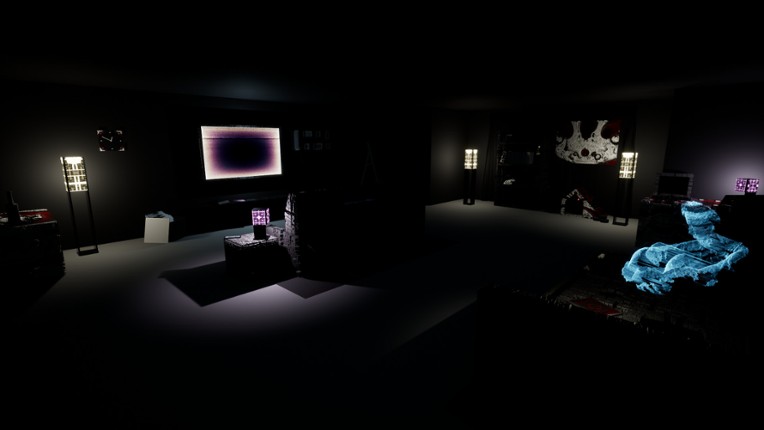
    • “You step into the infinite realms—a strange, fractal dimension where architecture folds back onto itself endlessly—and begin exploring alongside your companion and emotional anchor, a cat named Behemoth.”
    • “The infinite realms serve not only as a setting but as a representation of the protagonist’s psychological state—looping thoughts, unresolved trauma, and the cyclical struggle of trying to create in the face of emotional weight.”
    • “This game is incredibly heavy emotionally, incredibly gorgeous and makes you think pretty hard and adjust what you know about spaces, and is full of confusion.”
    • “Super janky physics, a boring story that is presented in a way that feels weirdly self-important, and dull puzzles overall make for a rather disappointing time.”
  • atmosphere
    11 mentions Positive Neutral Negative

    The atmosphere in Recursive Ruin is characterized by a blend of surreal geometry and psychological storytelling, creating a meditative yet tense experience that emphasizes introspection and artistic cohesion. While the game excels in atmospheric design, some players find the emotional impact varies, with contrasting opinions on the effectiveness of its sound and music. Overall, the atmosphere is described as both captivating and occasionally oppressive, enhancing the puzzle-solving experience.

    • “Recursive Ruin is an introspective puzzle adventure that blends surreal geometry, psychological storytelling, and inventive spatial design into a deeply atmospheric experience.”
    • “The result is an atmosphere that alternates between meditative stillness and oppressive tension, drawing you deeper with each step.”
    • “The eerie music matches the atmosphere perfectly.”
    • “There are exactly zero words spoken to the player in Manifold Garden, and yet the atmosphere and intrigue of that game is much stronger than this one.”
    • “Retried the game music now and then with new levels, but it really doesn't add to the atmosphere of the game.”
    • “What it does deliver is a depressive atmosphere and abstract melodrama.”
  • grinding
    7 mentions Positive Neutral Negative

    Players find the grinding aspect of the game to be excessively long and tedious, often feeling like filler that detracts from the overall experience. The repetitive nature of dialogue, lengthy soundscapes, and frustrating puzzles contribute to a sense of monotony, leading many to mute the music and seek more engaging alternatives. Overall, the grinding elements are criticized for lacking meaningful contribution to the story and gameplay.

    • “They're far too long for what they are, can be tedious and don't offer much to the story; they feel like filler.”
    • “Though having to tell the NPCs to continue talking every few sentences did get tedious.”
    • “The music is very tedious - I found myself putting the music volume to 0 and just listening to some other relaxing music.”
  • optimization
    4 mentions Positive Neutral Negative

    The game's optimization has been criticized, with players reporting performance issues, particularly in open levels, despite having capable hardware. While the visuals and sound design are praised, the overall experience is hindered by these optimization shortcomings.

    • “Visually a delight, albeit some performance issues in more spacious story-based areas, and the music & sound design is great.”
    • “The game is not optimized properly.”
    • “Visually a delight, albeit some performance issues in more spacious story-based areas.”
    • “I'm guessing the reason for the limitation is both for performance reasons and to make it less confusing separating the level from the background.”
  • replayability
    3 mentions Positive Neutral Negative

    Replayability in "Recursive Ruin" is considered limited due to its linear story structure and fixed puzzle solutions, which diminish the game's mystery once players grasp the key concepts. The unique fractal design of the levels offers an intriguing experience, but ultimately, the lack of variability in gameplay reduces the incentive for multiple playthroughs.

    • “Recursive Ruin is a first-person narrative-driven puzzle game where the entire playable level is a giant fractal of itself, shifted 0 or 180 degrees. This unique design creates a captivating experience that encourages players to explore different perspectives and solutions.”
    • “The game's mechanics and level design invite players to experiment and discover new strategies, enhancing its replayability and keeping the experience fresh.”
    • “With multiple paths and outcomes based on player choices, the game offers a rich tapestry of experiences that make each playthrough feel unique.”
    • “Replayability is limited due to the linear story structure and the fixed nature of puzzle solutions; once the key ideas click, much of the game’s mystery dissipates.”
    • “Recursive Ruin is a first-person narrative-driven puzzle game where the entire playable level is a giant fractal of itself shifted 0 or 180 degrees, so the level is bounded by the level itself again but rotated.”
  • stability
    3 mentions Positive Neutral Negative

    Users report that while the gameplay mechanics are engaging, the implementation suffers from occasional bugs and janky performance, affecting overall stability.

    • “The gameplay mechanics are interesting, but the implementation feels janky and buggy at times.”
    • “I frequently encounter crashes that disrupt my gaming experience.”
    • “The game often freezes during critical moments, making it frustrating to play.”
  • character development
    3 mentions Positive Neutral Negative

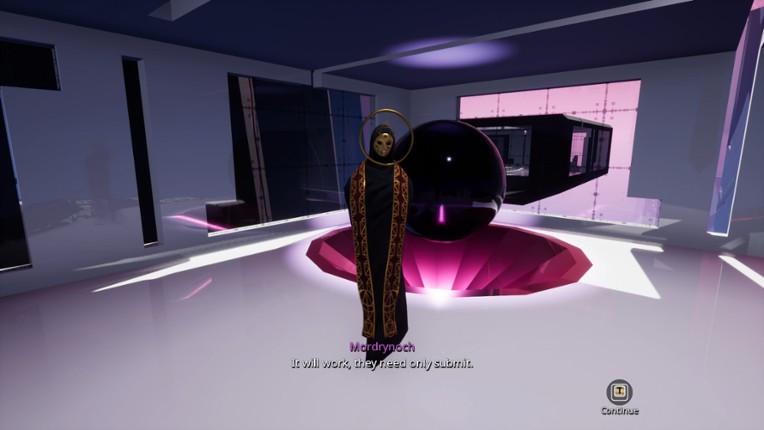
    While the character designs are visually captivating and contribute to an intriguing narrative involving a demon cat and celestial beings, the character development itself is limited, as characters primarily engage in looped animations and dialogue without significant progression.

    • “I'm here for the whole demon cat vs celestial being arc, and the character design is so intriguing and otherworldly. Absolutely play this game.”
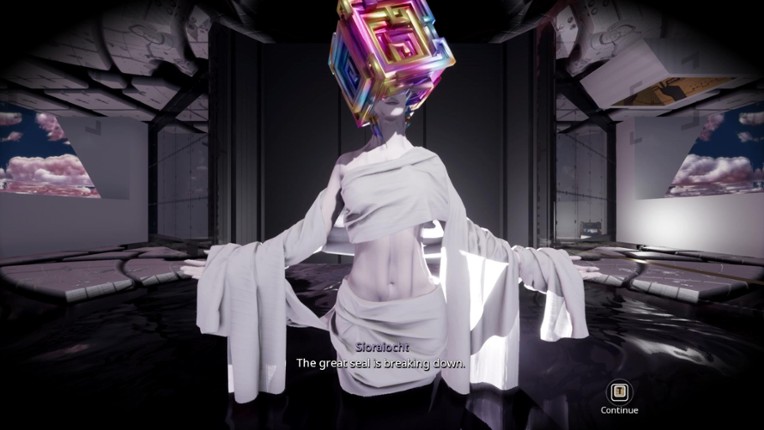
    • “The character designs were fascinating, but they don't do much other than float in place with looped animations and talk.”
    • “The character development feels shallow, lacking meaningful progression or depth.”
    • “I was disappointed by how little the characters evolved throughout the game; their arcs felt predictable and uninspired.”
  • humor
    1 mentions Positive Neutral Negative

    The humor in the game is highlighted by its quirky premise, as it presents itself as a puzzle game while featuring amusing fractal elements that add a lighthearted touch to the gameplay experience.

    • “I saw a funny fractal game, touting itself as a puzzle game.”
Skip Game Offers

Buy Recursive Ruin

5h Median play time
5h Average play time
5-5h Spent by most gamers
*Based on 1 analyzed playthroughs
Skip Videos

Videos

Skip Games Like Recursive Ruin

Games Like Recursive Ruin

Manifold Garden Image
Viewfinder Image
MIND: Path to Thalamus Image
Stories Untold Image
Shady Part of Me Image
Skip FAQs

Frequently Asked Questions

Recursive Ruin is a casual action adventure game with horror theme.

Recursive Ruin is available on PC and Windows.

On average players spend around 5 hours playing Recursive Ruin.

Recursive Ruin was released on May 18, 2022.

Recursive Ruin was developed by Bit Rot.

Recursive Ruin has received mostly positive reviews from players. Most players liked this game for its story but disliked it for its grinding.

Recursive Ruin is a single player game.

Similar games include Manifold Garden, Viewfinder, MIND: Path to Thalamus, Stories Untold, Shady Part of Me and others.