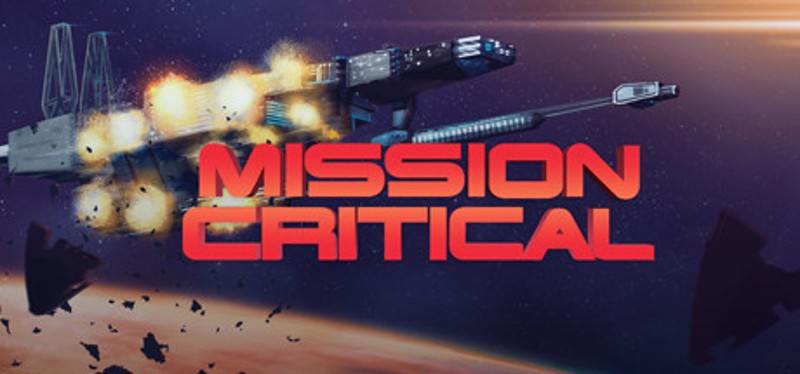
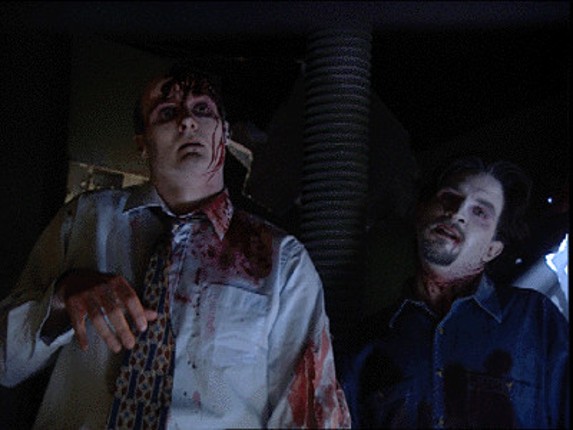
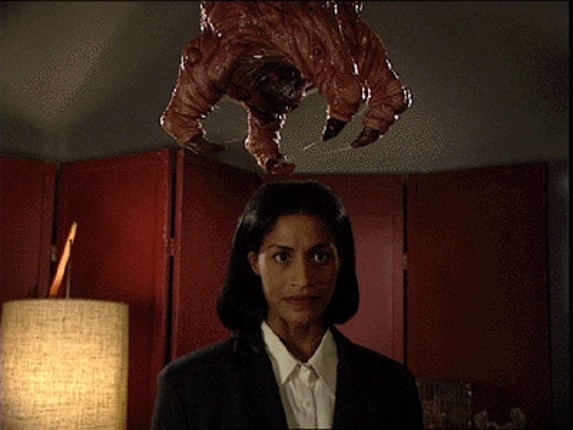
Mission Critical Game Cover

About Mission Critical

Mission Critical is a single player real-time strategy game with a science fiction theme. It was developed by Legend Entertainment and was released on January 28, 2019. It received positive reviews from critics and very positive reviews from players.

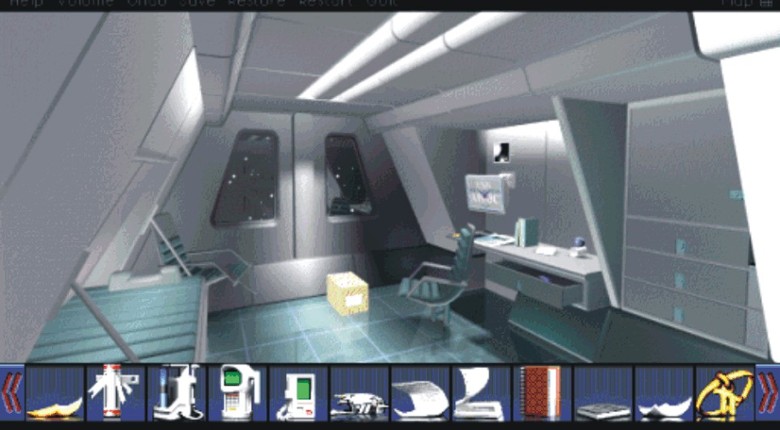
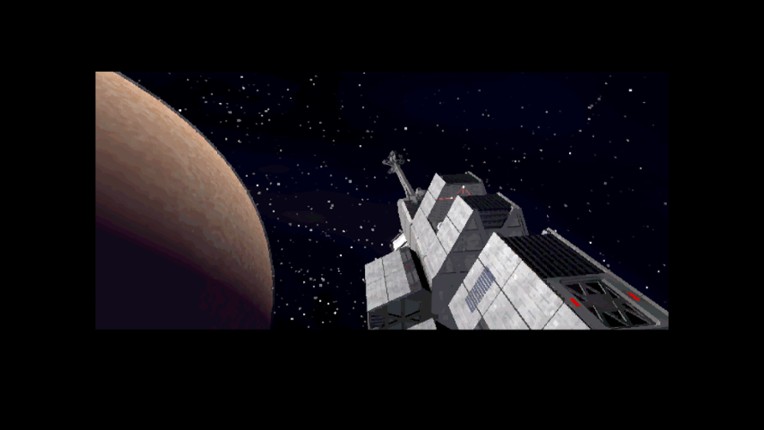
Mission Critical is a first-person graphic adventure. It is 2134, and the human race has been at war for 50 years since the Alliance declared independence from the stifling rule of the UN and its anti-technology policies. The Alliance is losing the war to the UN's greater numbers, but recently, Alliance scientists discovered an alien artifact on the planet Persephone. You are onboard the USS Lexi…
Skip Games Like Mission Critical

Games Like Mission Critical

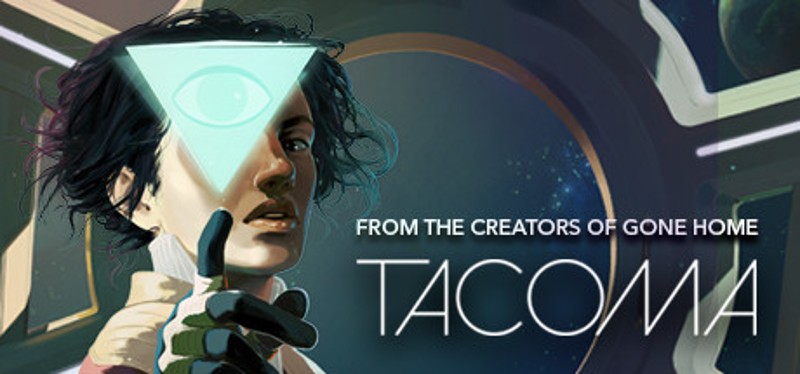
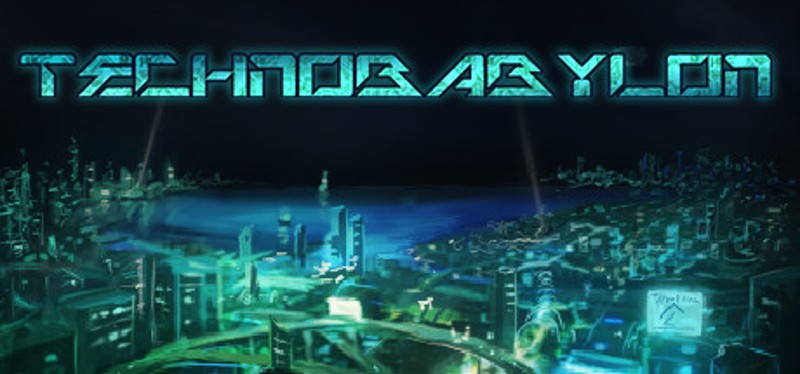
Looking for games like Mission Critical? Here are top real-time strategy recommendations with a science fiction focus, selected from player-similarity data — start with Prominence, Tacoma or Technobabylon.
Skip User Reviews

Reviews

94%Audience ScoreBased on 31 reviews
story11 positive mentions
gameplay3 negative mentions

  • Immersive and thoughtfully constructed hard science-fiction story with strong world-building and believable technology.
  • Engaging puzzles grounded in logical, plausible ship systems without relying on moon logic.
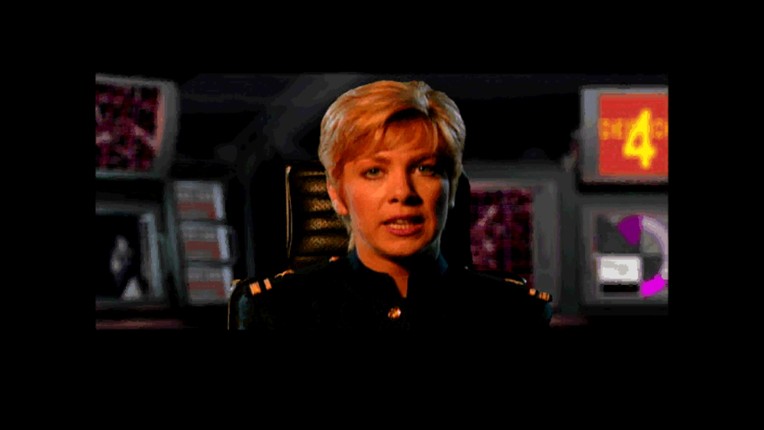
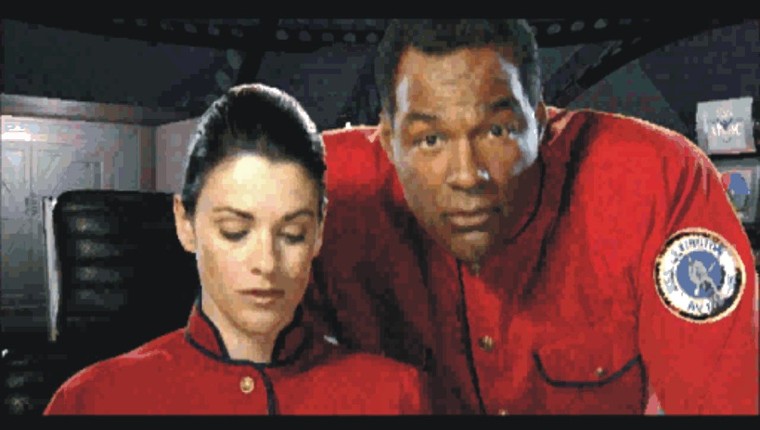
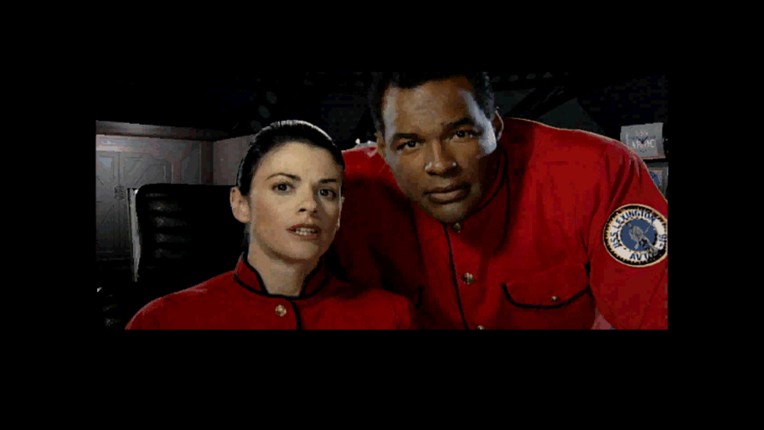
  • Strong narrative delivery with well-acted FMV sequences featuring Michael Dorn and Patricia Charbonneau, enhancing emotional stakes.
  • Open, less-linear gameplay allowing exploration and multiple legitimate endings based on player choices.
  • Includes varied gameplay elements such as survival engineering puzzles and a real-time drone combat system tied to the story.
  • Well-preserved and optimized on modern platforms via Steam with compatibility for current systems.
  • Graphics and video sequences feel dated by modern standards, reflecting mid-90s technology.
  • Some puzzles and interface elements can be obscure or require external documentation, leading to potential frustration.
  • Voice acting quality is uneven, with some performances lacking emotional engagement and clear diction.
  • Short overall playtime, with the core experience lasting around 4 to 8 hours, which some may find brief.
  • Minor technical issues related to emulation such as inconsistent volume and occasional control frustrations.
  • The storytelling can be overworded or convoluted at times, making the plot harder to follow for some players.
  • story

    37 mentions Positive Neutral Negative
    30% positive mentions, 62% neutral mentions, 8% negative mentions

    The story of the game is praised for its compelling science-fiction narrative, immersive setting, and philosophical depth, blending believable technology with engaging puzzles and multiple endings. However, some find the storytelling convoluted, overly wordy, and weakened by poor voice acting, which detracts from its otherwise ambitious and atmospheric design. Overall, it stands out as a classic adventure with a memorable plot despite dated presentation elements.

    • “You awaken as the sole surviving officer aboard the battlecruiser USS Lexington after a catastrophic ambush, surrounded by failing systems, damaged hull sections, and the looming threat of total mission failure.”
    • “A barely-known classic from the age of DOS adventure games, this point-and-click adventure merges believable science with a philosophically interesting, novel story.”
    • “The game is so committed to giving you choice that you will have three separate opportunities to end the story on your terms, short of the scripted end.”
    • “Not a bad adventure game, story is pretty convoluted, very sci-fi, puzzles are fair, a few not, lots of FMV and CGI, sometimes large chunks of text in place of that, overall enjoyable, but not very memorable.”
    • “[h1] Bad storytelling and even worse voice acting.”
    • “It thinks a reactor diagram, a traitor’s letter, a captain’s last order, and an argument about whether humanity may create new kinds of mind are all the same story.”
  • graphics

    9 mentions Positive Neutral Negative
    33% positive mentions, 34% neutral mentions, 33% negative mentions

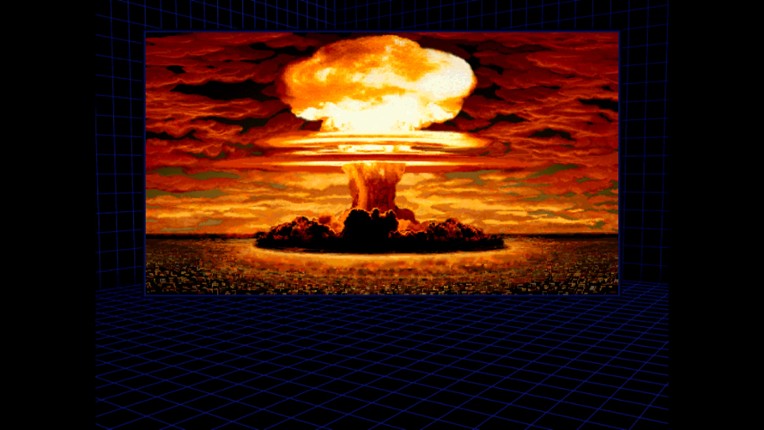
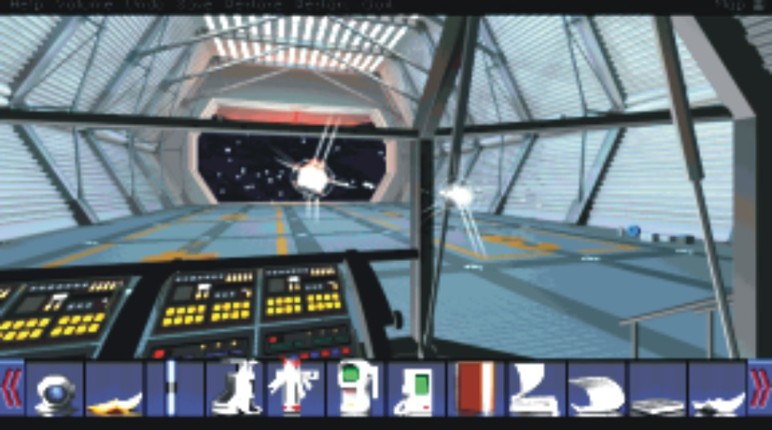
    The graphics, typical of a DOS-era game, are dated by modern standards but still effectively convey mood and detail, with some artwork remaining visually striking even decades after release. While not technically impressive, the visuals were well-regarded at the time and helped support the storytelling for many players. Overall, the graphics are simple but sufficiently clear and impactful for the game's era.

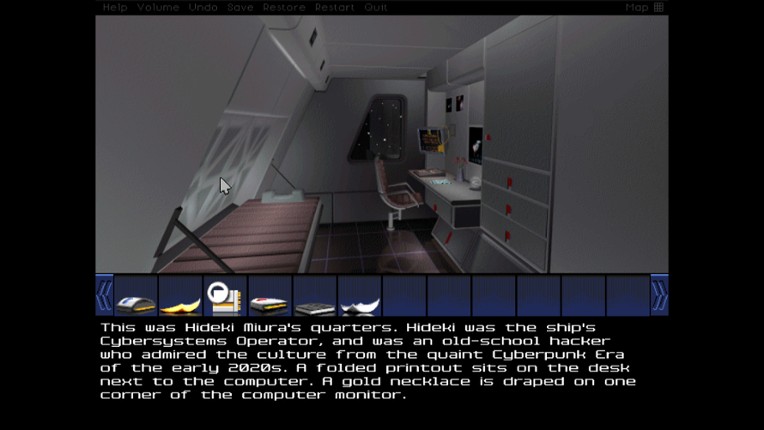
    • “But its artwork does show you an incredible, detailed world.”
    • “There is artwork in this game that is still visually striking now, 30 years after its release.”
    • “While modern players may find the visuals dated, they remain effective in establishing mood and clarity.”
    • “Of course, as a DOS-era game, set your expectations low when it comes to graphics.”
    • “Not great - bad graphics.”
    • “The graphics are 90s-ish - simple, but not really terrible.”
  • gameplay

    6 mentions Positive Neutral Negative
    17% positive mentions, 33% neutral mentions, 50% negative mentions

    The gameplay features first-person exploration with varied mechanics that add urgency and prevent monotony, emphasizing attention, patience, and thoughtful problem-solving over mechanical difficulty. It offers open, less-linear gameplay inspired by classic adventure genres.

    • “What distinguishes Mission Critical from many contemporaries is its willingness to vary mechanics.”
    • “Gameplay unfolds through first-person exploration, drawing heavily from the adventure genre traditions of its time.”
    • “While these sequences are relatively simple by modern standards, they add urgency and prevent the experience from becoming mechanically monotonous.”
    • “Its challenge lies not in mechanical difficulty, but in attention, patience, and thoughtful problem-solving.”
  • atmosphere

    3 mentions Positive Neutral Negative
    100% positive mentions, 0% neutral mentions, 0% negative mentions

    The atmosphere is characterized by a deliberate focus on tension and the gradual unfolding of a high-stakes scenario, supported by subtle audio design with subdued music and ambient effects. This creates a classic science-fiction adventure feel that prioritizes mood and intellect rather than action or spectacle.

    • “Rather than chasing spectacle or action-heavy pacing, it commits to tension, atmosphere, and the slow unraveling of a high-stakes situation.”
    • “Audio design complements this atmosphere, using subdued music and ambient effects to heighten tension without overwhelming the experience.”
    • “Ultimately, Mission Critical stands as a strong example of classic science-fiction adventure design, one that values atmosphere and intellect over spectacle.”
  • emotional

    2 mentions Positive Neutral Negative
    100% positive mentions, 0% neutral mentions, 0% negative mentions

    The game's FMV segments add a cinematic feel that boosts emotional impact, but the delivery often feels overly slow and lacking genuine emotional engagement, which can diminish the intended effect.

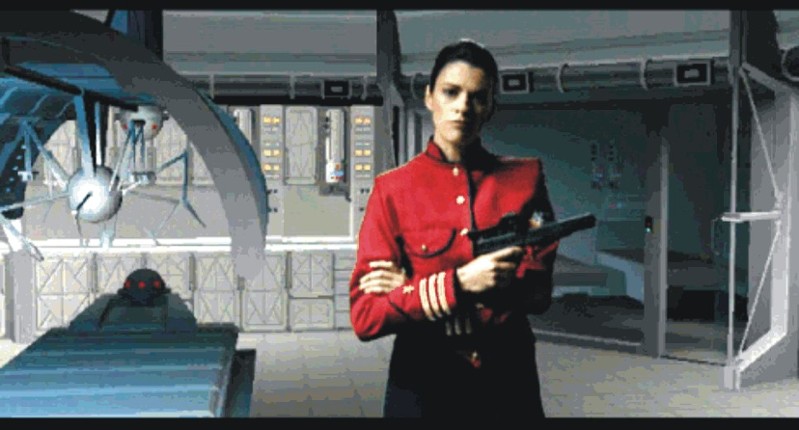
    • “These FMV segments, though unmistakably products of their era, lend the game a cinematic quality that enhances emotional stakes.”
  • music

    2 mentions Positive Neutral Negative
    100% positive mentions, 0% neutral mentions, 0% negative mentions

    The music and audio design use subdued, ambient effects that effectively enhance the atmosphere and tension without being intrusive, though they are generally unremarkable.

    • “Audio design complements this atmosphere, using subdued music and ambient effects to heighten tension without overwhelming the experience.”
    • “The music and sound effects are not remarkable, but they don't hurt ears.”
  • optimization

    2 mentions Positive Neutral Negative
    100% positive mentions, 0% neutral mentions, 0% negative mentions

    The game’s Steam release by Ziggurat offers smooth performance on modern systems, effectively eliminating common technical issues found in classic titles, though some minor performance glitches remain.

    • “The Steam release, published by Ziggurat, ensures the game runs smoothly on modern systems, removing the technical barriers that often accompany classic titles.”
    • “Some very small performance issues.”
  • grinding

    1 mentions Positive Neutral Negative
    0% positive mentions, 0% neutral mentions, 100% negative mentions

    Grinding in the game is considered tedious, partly due to the outdated and cumbersome process required to access and play it, such as manually finding and loading CD ISOs through DOSBox.

  • replayability

    1 mentions Positive Neutral Negative
    0% positive mentions, 0% neutral mentions, 100% negative mentions

    The game has a relatively long playtime of 4-5+ hours but offers little to no replay value.

    • “Takes 4-5+ hours to finish, no replay value.”
  • stability

    1 mentions Positive Neutral Negative
    0% positive mentions, 0% neutral mentions, 100% negative mentions

    The game demonstrates excellent stability, with no sound or visual glitches reported, ensuring a smooth and uninterrupted experience.

Skip Critic Reviews

Critic Reviews

86%Critics’ scoreBased on 1 critic reviews
Skip Game Offers

Buy Mission Critical

Some of these are affiliate links — if you buy through them, we may earn a commission at no extra cost to you.

Skip Videos

Videos

Skip FAQs

Frequently Asked Questions

Mission Critical is a real-time strategy game with science fiction theme. Common tags for Mission Critical include science and fmv.

Mission Critical is available on PC, Windows and Ms Dos.

Mission Critical was released on January 28, 2019.

Mission Critical was developed by Legend Entertainment.

Mission Critical has received positive reviews from players and positive reviews from critics. Most players liked Mission Critical for its story but disliked it for its graphics.

Mission Critical is a single player game.

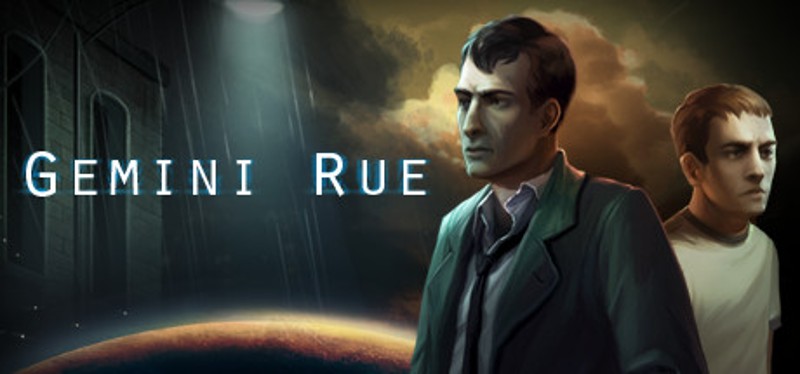
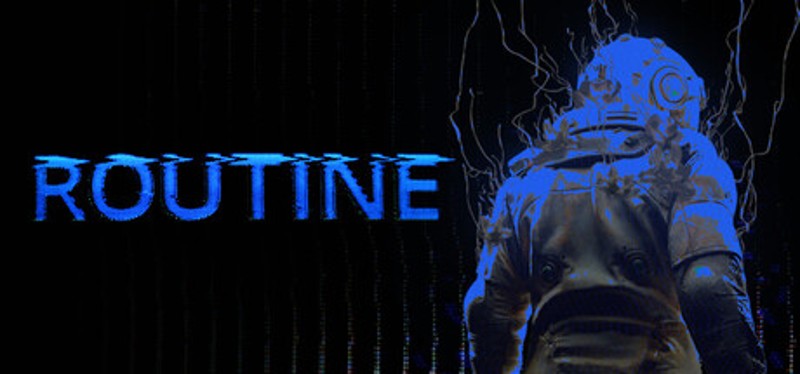
Similar games include Prominence, Tacoma, Technobabylon, Gemini Rue, ROUTINE and others.